
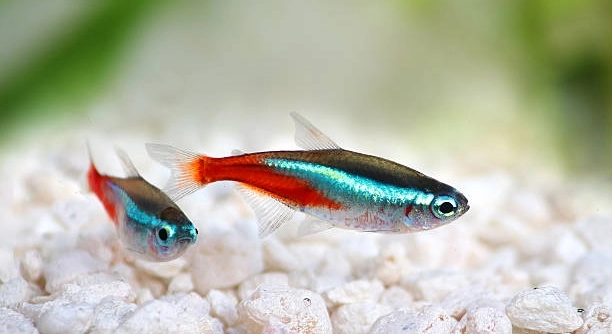
Neon Tetras are popular aquarium fish known for their vibrant colors and peaceful nature. However, overcrowding their tank can lead to several problems. It’s important to maintain a proper balance for their health and well-being.
Overcrowding a Neon Tetra tank can lead to increased stress, poor water quality, and limited space. These fish are small and need adequate space to thrive. When too many are housed together, it can disrupt their natural behavior and lead to health issues.
Ensuring your tank isn’t overcrowded can improve the water conditions, reduce aggression, and help the fish live longer. Knowing how to manage their population is crucial for their happiness and your aquarium’s success.
Stress and Aggression in Neon Tetras
Neon Tetras are peaceful fish, but overcrowding can cause stress and even aggression. When they are kept in too small of a space, they may feel threatened by each other. This leads to constant swimming, hiding, or displaying territorial behavior. It’s important to allow each fish enough space to feel comfortable, as stress can weaken their immune system and make them more susceptible to diseases. Overcrowded tanks often lead to more competition for food and hiding spots, which makes the fish more anxious and uneasy.
Stress can also trigger other problems. When a fish feels crowded, it may become less active and show signs of poor health, such as fading colors. In extreme cases, the fish can become so stressed that they may stop eating altogether. Maintaining a balanced number of fish in your tank helps reduce unnecessary stress and ensures that your Neons thrive in a peaceful environment.
Reducing stress and aggression in your tank also helps improve the overall environment for all your fish. By avoiding overcrowding, you allow each Neon Tetra the space to swim freely and peacefully, which keeps them active and healthy. Keeping a calm atmosphere helps avoid behavioral problems and ensures their happiness.
Water Quality Issues
Overcrowding can severely impact the quality of the water in your aquarium. More fish produce more waste, and a small tank with too many Neon Tetras quickly becomes polluted. As the waste builds up, it can lead to ammonia spikes, which are harmful to the fish.
The tank’s filtration system may struggle to keep up with the increased waste load. Even with proper filtration, a higher number of fish requires more frequent water changes to keep the water clean. If left unchecked, poor water quality can cause diseases and even death among your fish. Proper tank maintenance is crucial to keeping your Neons healthy.
Regular water changes and careful monitoring of water parameters like ammonia and nitrate levels are essential when keeping a tank with Neon Tetras. Overcrowding increases the frequency of maintenance needed. Avoiding overcrowding reduces the strain on the filtration system and helps maintain a healthy environment for your fish.
Limited Growth and Development
In overcrowded tanks, the limited space can stunt the growth and development of Neon Tetras. These fish need space to swim and grow to their full size. When confined to a small area, they may not develop properly, and their colors may not be as vibrant. The lack of space can also make it harder for them to find food, leading to malnutrition.
A smaller tank with too many fish prevents Neon Tetras from having the space they need to grow. In contrast, a well-maintained tank allows the fish to thrive and develop naturally. A proper balance of fish allows the Neon Tetras to be active and healthy, contributing to a more visually appealing and balanced aquarium.
Healthy growth not only benefits the fish but also contributes to a more attractive and functional tank. With adequate space, your Neon Tetras can display their true beauty, with bright, vibrant colors that make them a joy to watch. The health of your fish will be reflected in the overall success of your aquarium setup.
Poor Oxygen Levels
An overcrowded tank can lead to low oxygen levels, which is dangerous for your Neon Tetras. With more fish in the tank, the oxygen demand increases. If the tank is too small or lacks sufficient aeration, the oxygen levels may not be able to meet the needs of all the fish. This can result in poor water quality, which stresses out the fish and weakens their immune systems.
Oxygen is essential for the survival of all fish, and maintaining adequate oxygen levels is vital. When there’s a shortage of oxygen, fish become lethargic and may struggle to breathe. They might spend more time near the water’s surface, gasping for air. This can lead to further health problems and, in extreme cases, death.
Proper filtration and aeration are necessary to ensure that the water stays oxygenated, especially in a tank with multiple fish. Overcrowding places a strain on the tank’s oxygen supply. By limiting the number of fish in your aquarium, you can keep oxygen levels in balance and ensure that your Neon Tetras thrive.
Increased Risk of Disease
Overcrowding increases the risk of disease in a Neon Tetra tank. Fish in crowded conditions are more likely to spread infections, especially when stressed. Close contact among fish allows diseases to transfer more easily.
The more fish in the tank, the higher the chances of bacteria and parasites spreading. Stress weakens the immune system, making it harder for the fish to fight off illnesses. A well-spaced tank ensures that each fish has room to swim freely and stay healthy, reducing the risk of infections and outbreaks.
Proper quarantine for new fish is crucial to avoid introducing diseases into an overcrowded tank. Regularly cleaning the tank and monitoring water parameters can help prevent disease outbreaks. A spacious tank with fewer fish helps in preventing the spread of illness, ensuring a healthier environment for all your fish.
Difficulty Maintaining Balance
It’s much harder to maintain a balanced ecosystem in an overcrowded tank. The biological filtration system in your aquarium has to work overtime to handle the excess waste produced by too many fish. When overcrowded, it can be difficult to keep the balance between good and bad bacteria in the tank.
An imbalanced ecosystem leads to poor water quality and fluctuating levels of ammonia, nitrate, and nitrite. These issues can cause stress for the fish, further complicating the situation. It’s essential to have a balanced fish load that matches the capacity of your tank’s filtration system to maintain water quality.
To keep a balanced aquarium, avoid overloading your tank with too many fish. Regular maintenance, like water changes and filter cleaning, will help keep your tank’s ecosystem healthy. This will ensure a more stable environment and reduce the chances of water quality issues.
Limited Space for Swimming
Neon Tetras need space to swim freely and feel comfortable. When the tank is overcrowded, they lose that freedom, which can lead to stress. Too many fish in a small area cause overcrowding that limits their natural behavior.
Limited space can result in stunted growth and poor health. Tetras may struggle to find their own territory, which often leads to a lack of rest. Ensuring your fish have enough room helps them stay active and healthier.
Fish that feel cramped may spend more time in hiding, avoiding social interaction, and losing out on important social behaviors. A spacious tank allows them to explore, which is vital for their well-being.
Poor Visibility
Overcrowding often leads to murky water and poor visibility, which affects your ability to monitor the fish’s health. When there are too many fish in the tank, their waste and movement stir up debris, clouding the water. This makes it harder to spot potential health issues or detect water quality problems.
Maintaining clear water is essential for observing your fish and ensuring they are all behaving normally. Poor visibility makes it difficult to notice early signs of stress or disease. Keeping the tank clean and well-maintained ensures that you can easily monitor your Neons and keep them safe.
Negative Impact on Tank Aesthetics
An overcrowded tank can quickly become visually unappealing. Neon Tetras are small and colorful, and their beauty is best appreciated when they have enough space to display their vibrant colors. When there are too many fish in the tank, the aesthetic quality of the aquarium is diminished.
The fish can appear stressed, and their natural movements are hindered, making the tank look chaotic. An overcrowded tank can lead to cloudy water, making it even harder to appreciate the fish’s beauty. Keeping the tank appropriately stocked allows the Neon Tetras to flourish, making the aquarium more attractive and pleasant to watch.
FAQ
How many Neon Tetras can I keep in a 10-gallon tank?
A 10-gallon tank can comfortably house about 6 to 8 Neon Tetras. These fish need space to swim and move around freely, so overcrowding can quickly become a problem. When planning the number of fish, it’s essential to leave room for proper filtration and space for the fish to thrive. Neon Tetras are small, but they still need a reasonable amount of room to ensure they remain healthy and active. Keep in mind that water quality management also becomes more challenging with a larger fish load.
Can I keep Neon Tetras with other species in the same tank?
Yes, Neon Tetras can generally live peacefully with other species, especially with other peaceful fish. They do well in community tanks with species such as Corydoras Catfish, Guppies, or even other small schooling fish. However, it’s important not to overcrowd the tank. Even when mixing species, the number of fish should be carefully managed to prevent poor water quality or stress. Avoid aggressive fish that may harm the Neons or disrupt their peaceful behavior. Also, always research compatibility before adding new species to your tank.
What is the best tank size for Neon Tetras?
The ideal tank size for Neon Tetras is at least 20 gallons. This size allows for better water quality management and gives them plenty of room to swim freely. Although they are small fish, they are active swimmers and benefit from space. A larger tank will also help maintain a stable environment by reducing the impact of water quality fluctuations. If you’re keeping other species along with Neon Tetras, consider a larger tank to accommodate the combined bio-load. A 20-gallon tank also reduces the need for frequent water changes and helps keep your fish stress-free.
What water conditions are best for Neon Tetras?
Neon Tetras prefer slightly acidic to neutral water, with a pH range of 6.0 to 7.0. The water temperature should be between 70°F and 81°F (21°C to 27°C). Soft water is ideal, but they can adapt to slightly harder water. Regular water changes are essential to maintain good water quality, and proper filtration should be in place to handle the waste from the fish. It’s also important to monitor ammonia, nitrite, and nitrate levels regularly. Maintaining stable conditions will help keep your Neon Tetras happy and healthy.
Can Neon Tetras live in a 5-gallon tank?
A 5-gallon tank is not recommended for Neon Tetras long-term. While they are small, they still require space to swim and move around. A 5-gallon tank would likely cause overcrowding and make it difficult to maintain water quality. If you are just starting out with one or two Neons in a 5-gallon tank, the fish may survive for a short time, but it won’t be ideal for their health. As a general rule, the more space you can provide, the better it will be for your fish. Consider upgrading to a 10-gallon tank or larger for a more stable environment.
Why is my Neon Tetra not eating?
If your Neon Tetra isn’t eating, it could be due to stress, poor water quality, or illness. Stress from overcrowding or aggressive tankmates can cause them to stop eating. In addition, changes in water parameters, such as high ammonia or nitrate levels, can also lead to a loss of appetite. Check your water quality regularly to ensure the levels are safe. If the water is clean and the fish are not stressed, but the issue persists, you may need to check for signs of illness or consult an aquarium professional for advice.
How often should I change the water in a tank with Neon Tetras?
For tanks with Neon Tetras, it’s generally recommended to change 25-30% of the water once a week. This helps to maintain good water quality by removing excess waste, debris, and chemicals that can build up over time. The frequency of water changes may vary depending on the tank size, the number of fish, and the filtration system in place. Regular water changes are important for preventing harmful toxins like ammonia and nitrites from reaching dangerous levels, which could harm your fish. Keep an eye on water parameters to determine the exact needs of your tank.
What should I feed my Neon Tetras?
Neon Tetras are omnivores and can be fed a variety of foods. High-quality flakes, pellets, or frozen foods designed for small community fish are good options. They also enjoy live food such as brine shrimp or daphnia. It’s important to provide a balanced diet to ensure they get all the nutrients they need. Overfeeding can lead to water quality issues, so it’s best to feed small amounts once or twice a day. Remove any uneaten food promptly to avoid polluting the tank. A varied diet will help your Neons maintain their vibrant colors and healthy behavior.
Do Neon Tetras need a filter?
Yes, Neon Tetras benefit from having a filter in their tank. A good filter helps maintain water quality by removing debris, excess food, and waste products, which is essential for keeping your fish healthy. The filter should provide gentle water movement, as Neon Tetras prefer calm water. It’s important to choose a filter with the right flow rate for the size of your tank, as strong currents can stress out the fish. Regular cleaning and maintenance of the filter will help keep the tank’s water conditions stable and reduce the risk of disease.
Can I add more Neon Tetras to my tank after it is already stocked?
It’s possible to add more Neon Tetras to an established tank, but you must consider the current stock and tank size. Adding too many fish at once can overload the filter and cause stress, leading to poor water quality. Gradually increase the number of fish over time and monitor water conditions carefully. Always ensure that your tank has enough space for the new additions, and avoid overcrowding. It’s important to maintain a balance and ensure that the bio-load of the tank can handle the extra fish without affecting the health of the others.
When it comes to keeping Neon Tetras, one of the most important things to keep in mind is the space they need. Overcrowding your tank can create a variety of problems, from stress to poor water quality. Neon Tetras are small and peaceful fish, but they still require enough space to swim freely and display their natural behaviors. Giving them room to move around not only helps them thrive but also ensures that your aquarium remains a stable and healthy environment.
Maintaining a balance between the number of fish and the size of the tank is key. It’s essential to avoid cramming too many fish into a small space. The health of your fish, the clarity of the water, and the overall aesthetics of the tank depend on this balance. When there are too many fish in a tank, it can lead to a buildup of waste, which affects the water quality. This, in turn, can cause health problems for the fish and make it harder for them to thrive. A larger tank with fewer fish is always better than a small, overcrowded one.
In the end, keeping Neon Tetras happy and healthy isn’t difficult, but it does require attention to their environment. Regular maintenance, proper water conditions, and avoiding overcrowding are all crucial for their well-being. If you’re mindful of these factors, you can create a peaceful and vibrant tank that showcases the beauty of these colorful fish. By providing them with enough space, the right tankmates, and regular care, you can ensure your Neon Tetras live long, healthy lives.

Hello,
If you enjoy the content that we create, please consider saying a "Thank You!" by leaving a tip.
Every little bit helps us continue crafting quality advice that supports the health, happiness, and well-being of pets around the world, for pets of all shapes, sizes, and species.
We really appreciate the kindness and support that you show us!