
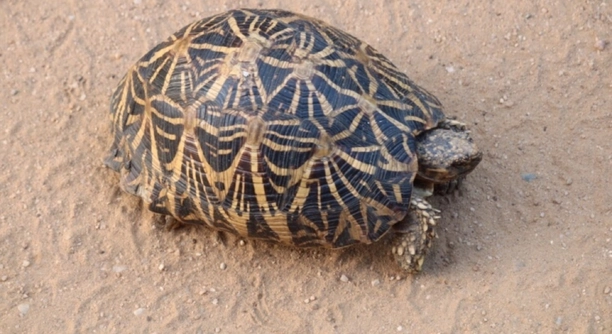
Are your Indian star tortoise care routines as effective as they should be? Many owners unknowingly make mistakes that can impact their pet’s health. Proper care is essential to ensure their well-being and longevity in captivity.
The most common mistakes include improper diet, inadequate UVB lighting, incorrect humidity levels, and poor enclosure setup. Additionally, overhandling, lack of proper hydration, and incorrect substrate choices can contribute to health problems. Understanding these mistakes is crucial for providing optimal care.
From diet to habitat, every aspect of care plays a role in your tortoise’s health. Learning about these mistakes can help you create a better environment for your pet.
Improper Diet Choices
A balanced diet is essential for an Indian star tortoise’s health. Many owners mistakenly feed excessive fruits, high-protein foods, or lack variety in their tortoise’s meals. This can lead to digestive issues, metabolic bone disease, and other long-term health problems. The ideal diet consists mainly of high-fiber greens, such as dandelion, hibiscus, and cactus pads. Occasional treats like vegetables can be included, but fruits should be avoided due to their high sugar content. Commercial pellets should only be used in moderation. Providing a well-rounded diet ensures your tortoise gets the necessary nutrients for growth and overall well-being.
A poor diet weakens the immune system and affects shell growth. Feeding the wrong foods can lead to irreversible health conditions, making dietary adjustments crucial.
Understanding what your tortoise needs helps prevent serious issues. A diet rich in fiber and calcium supports a strong shell and a healthy digestive system. Simple changes can significantly impact your pet’s well-being.
Inadequate UVB Lighting
UVB lighting is crucial for calcium absorption and bone health. Without proper exposure, Indian star tortoises are at risk of metabolic bone disease, which leads to soft shells and deformities. Many owners overlook the importance of maintaining consistent UVB lighting in their pet’s habitat.
A high-quality UVB bulb should be placed inside the enclosure, ensuring that the tortoise can absorb enough light. The bulb should be replaced every six months, as its effectiveness decreases over time. Natural sunlight is the best source of UVB, but when that is not possible, artificial lighting must be used. Providing a proper basking area with the correct temperature range helps regulate metabolism and encourages healthy activity.
Neglecting UVB lighting can lead to severe health problems, including shell deformities and mobility issues. Prioritizing proper lighting ensures your tortoise remains strong, active, and free from preventable health conditions.
Incorrect Humidity Levels
Indian star tortoises require a specific humidity range to stay healthy. Low humidity can cause dehydration and shell pyramiding, while excessive moisture leads to respiratory infections. Maintaining a stable humidity level between 50% and 70% helps prevent health issues and ensures proper shell development.
Many owners fail to monitor humidity levels, leading to long-term health complications. Dry environments can cause shell deformities, while excessive humidity encourages bacterial and fungal growth. Using a digital hygrometer ensures accurate humidity readings. Adjusting humidity can be done by misting the enclosure, providing a humid hide, or using moisture-retaining substrates like cypress mulch. Proper ventilation is equally important to prevent stagnant air, which can contribute to respiratory infections. Regularly checking and adjusting humidity levels ensures a stable environment.
Inconsistent humidity can also impact a tortoise’s hydration and appetite. Dehydration weakens the immune system, making the tortoise more susceptible to infections. Proper hydration includes offering shallow water dishes and occasional soaks to keep the tortoise hydrated. A well-maintained environment with balanced humidity supports overall health and reduces the risk of respiratory and shell-related issues.
Poor Enclosure Setup
A poorly designed enclosure affects a tortoise’s overall health and behavior. Enclosures that are too small limit movement, while improper substrate choices can lead to respiratory or digestive problems. A well-structured enclosure provides enough space, a variety of textures, and hiding spots for comfort and security.
Indian star tortoises need ample space to explore, bask, and burrow. A small enclosure can lead to stress and inactivity, impacting overall well-being. The substrate should be safe, avoiding materials like sand or gravel, which can cause impaction if ingested. Cypress mulch, coconut coir, or organic soil create a comfortable and natural environment. Additionally, including shaded areas and hiding spots allows for security, reducing stress levels. Temperature gradients should be maintained, with a warm basking area around 90°F and a cooler side at 75°F for proper thermoregulation.
Improper enclosures also impact behavior. A stressed tortoise may become less active, lose appetite, or develop aggressive tendencies. Lack of space and enrichment can lead to boredom, negatively affecting overall health. Regular enclosure maintenance, including cleaning and adjusting environmental factors, ensures a safe and comfortable habitat. Providing a properly designed enclosure encourages natural behaviors, leading to a healthier and more active tortoise.
Lack of Proper Hydration
Dehydration can lead to serious health issues, including kidney problems and lethargy. Many owners assume tortoises get enough moisture from their food, but regular access to clean water is essential. Shallow water dishes should always be available for drinking and soaking.
Soaking is necessary to maintain hydration and prevent shell dryness. Young tortoises benefit from soaking a few times a week, while adults need it at least once weekly. Providing fresh, clean water and monitoring hydration levels help prevent long-term health problems.
Handling Too Frequently
Excessive handling causes stress and discomfort. Unlike other pets, Indian star tortoises do not enjoy frequent interaction. Handling should be limited to essential care, such as health checks or enclosure maintenance. Reducing unnecessary handling helps prevent anxiety and ensures the tortoise remains comfortable in its environment.
Ignoring Signs of Illness
Early signs of illness can be subtle, making regular observation essential. Loss of appetite, labored breathing, swollen eyes, or lethargy indicate potential health issues. Prompt veterinary care can prevent minor problems from becoming severe. Monitoring behavior and physical changes helps detect illness early, ensuring timely treatment and a better chance of recovery.
FAQ
How often should I feed my Indian star tortoise?
Indian star tortoises should be fed every other day. Young tortoises may need daily feeding, while adults can be fed less frequently. A balanced diet consisting primarily of leafy greens, vegetables, and occasional fruits ensures they get the nutrients they need. It’s important to avoid overfeeding, as obesity can lead to health problems.
Can my tortoise eat fruit?
While it’s tempting to feed your tortoise fruit, it should only be given occasionally. Too much fruit can lead to an imbalance in their diet due to its high sugar content. Stick to offering fruits like papaya, melons, or berries in small amounts, while focusing on high-fiber, low-calcium foods.
How much space does my tortoise need?
Tortoises need plenty of space to roam and explore. A 40-gallon tank or larger is a good starting point for smaller tortoises, but the more room they have, the better. Outdoor enclosures are ideal, as long as they are safe from predators and escape-proof. Tortoises should be able to move around freely and bask in different areas.
Do Indian star tortoises need a heat source?
Yes, a heat source is essential for tortoises to regulate their body temperature. A basking lamp is necessary to create a warm spot in the enclosure, with temperatures ranging from 85-95°F. The cooler side of the enclosure should remain around 75°F. Proper heat ensures healthy digestion and activity levels.
How do I know if my tortoise is sick?
Common signs of illness include a lack of appetite, lethargy, breathing difficulties, swollen eyes, or unusual behavior. If your tortoise exhibits any of these symptoms, it’s important to take them to a vet for an examination. Early detection is key to addressing health issues.
What kind of substrate should I use for my tortoise’s enclosure?
The substrate should be safe, absorbent, and easy to clean. Avoid using sand or gravel, as these can cause digestive problems if ingested. Good options include coconut coir, cypress mulch, or organic soil. These materials replicate a natural environment while maintaining proper humidity levels.
Can I keep multiple tortoises together?
While it is possible to keep multiple tortoises, it’s not always recommended. Tortoises can become territorial, especially males. If you choose to house more than one tortoise, ensure they have enough space to establish their own areas and that there’s no risk of fighting. Monitor their interactions closely.
How can I make my tortoise’s habitat more enriching?
Enrichment is key to keeping your tortoise mentally and physically stimulated. Add logs, rocks, plants, and tunnels to the enclosure to encourage natural behaviors like climbing, hiding, and foraging. Providing a variety of textures and hiding spots helps reduce stress and promotes activity.
Is it okay to let my tortoise roam outside?
Letting your tortoise roam outside is a great way to give them natural sunlight and more space. However, make sure the area is secure, free of predators, and that there is no way for the tortoise to escape. Always supervise outdoor time to ensure your pet remains safe.
How do I properly soak my tortoise?
Soaking your tortoise in shallow, lukewarm water for 10-15 minutes helps keep them hydrated and supports their shell health. Make sure the water is not too deep, as tortoises can’t swim. Soaking once a week is sufficient for most adult tortoises.
Can I take my tortoise to the vet?
Yes, it’s important to have a qualified reptile vet for regular health check-ups and when any issues arise. Reptile vets have specialized knowledge of tortoise care and can provide treatments, diagnostics, and preventive care that a general veterinarian may not offer.
How long do Indian star tortoises live?
Indian star tortoises can live for 50 years or more with proper care. Some individuals have been known to reach up to 100 years, though this requires excellent long-term care and attention to their dietary, environmental, and health needs.
Do tortoises need companionship?
Tortoises are solitary animals and do not require companionship. In fact, having another tortoise can cause stress or territorial disputes, especially in confined spaces. It’s best to keep them alone unless you have a large enclosure and are monitoring them for signs of aggression.
Can I house my tortoise with other pets?
It’s not recommended to house your tortoise with other pets, especially more active or predatory animals like dogs, cats, or birds. These pets could potentially harm the tortoise. If you have other animals, it’s best to keep your tortoise’s enclosure separate to avoid any stress or danger.
What is the best temperature for my tortoise’s enclosure?
The basking area should have temperatures between 85-95°F, while the cooler side of the enclosure should be kept at 75°F. This temperature gradient allows the tortoise to regulate its body temperature by moving between the warmer and cooler areas of the enclosure.
How often should I clean my tortoise’s enclosure?
Enclosure cleaning should be done at least once a week. Spot clean daily to remove waste, uneaten food, and soiled bedding. This helps maintain a healthy environment and reduces the risk of bacterial buildup. Change the substrate every 4-6 weeks for best results.
What should I do if my tortoise stops eating?
A loss of appetite can be a sign of stress, illness, or environmental issues. Check the temperature, humidity, and lighting to ensure they’re optimal. If the issue persists for more than a few days, consult a vet to rule out health problems.
Can I feed my tortoise lettuce?
Lettuce is not the best food for tortoises, as it provides little nutritional value. It should be given in small amounts, if at all. Focus on leafy greens like collard greens, dandelion greens, and romaine lettuce, which are richer in calcium and fiber.
How do I handle my tortoise safely?
Always handle your tortoise gently, supporting both the body and shell. Avoid picking them up by the legs or tail, as this can cause stress or injury. Limit handling to avoid stressing your tortoise, and only handle them when necessary for care or health checks.
Final Thoughts
Caring for an Indian star tortoise can be a rewarding experience when you understand their needs. These animals require proper space, diet, and a well-maintained environment to thrive. Creating the right habitat with enough room to move, climb, and bask will help your tortoise feel secure and comfortable. A healthy diet of leafy greens, occasional fruits, and a controlled intake of other foods is essential for their overall well-being. Be mindful of their hydration and provide adequate access to water, as dehydration can lead to serious health issues.
The key to a long and healthy life for your tortoise is regular attention to their environment. The right temperature, humidity, and lighting must be maintained at all times. Regular soaking and safe outdoor time can also help your tortoise stay hydrated and active. It’s important to monitor their behavior for any signs of illness, as early detection can prevent further complications. A tortoise’s life expectancy is long, which means that proper care is crucial for the long term.
Indian star tortoises make wonderful pets for those who are willing to invest time and effort into their care. With the right knowledge and preparation, you can create a habitat that mimics their natural environment and supports their health. Understanding their needs and addressing common mistakes will ensure that you are providing the best care possible. While the responsibility may seem daunting at first, the bond you develop with your tortoise can be very rewarding. By being proactive and committed to their well-being, you can help your tortoise lead a long, healthy, and happy life.

Hello,
If you enjoy the content that we create, please consider saying a "Thank You!" by leaving a tip.
Every little bit helps us continue crafting quality advice that supports the health, happiness, and well-being of pets around the world, for pets of all shapes, sizes, and species.
We really appreciate the kindness and support that you show us!