
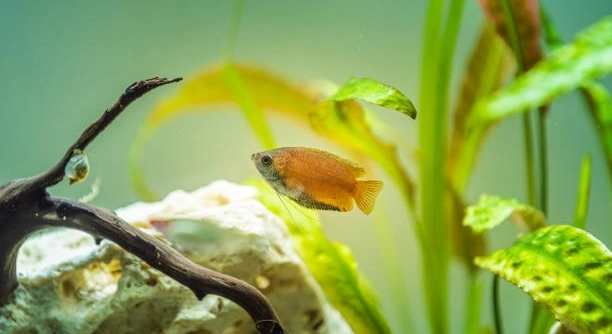
Gouramis are peaceful and colorful additions to any home aquarium, bringing life and movement to your tank. Observing their behavior closely helps ensure they are comfortable in their new environment and adapting well.
Signs that a gourami is settling in comfortably include regular swimming patterns, active foraging, consistent eating habits, healthy coloration, interaction with tank mates, minimal stress indicators, and stable resting behaviors. Each behavior reflects the fish’s overall wellbeing and adaptation to its environment.
Recognizing these signs can help you maintain a happy and healthy aquarium for your gourami and ensure long-term comfort.
Observing Regular Swimming Patterns
A gourami that is comfortable in its tank will swim smoothly and confidently across different areas. You may notice it exploring plants, gliding near the surface, or circling decorations without hesitation. The movements are fluid and consistent, showing the fish is not stressed or hiding. When a gourami swims regularly and naturally, it indicates familiarity with its environment. Sudden bursts of erratic swimming or hiding can suggest discomfort, while consistent exploration shows it feels secure. Watching these patterns over several days can reveal how well the fish has adapted. A calm swimming routine is also linked to proper tank conditions, including water quality, temperature, and compatible tank mates. Observing your gourami in various parts of the tank gives insight into its comfort level. Regular swimming shows the fish has established its territory and is confident interacting with its surroundings, including other species sharing the tank.
Comfortable swimming patterns are one of the clearest indicators of a healthy and settled gourami.
Monitoring swimming behavior daily allows early detection of stress and ensures the tank environment meets the fish’s needs, keeping it active and healthy.
Consistent Eating Habits
A gourami that eats consistently demonstrates adaptation to its new environment.
When a gourami accepts food regularly, it shows confidence in the tank and familiarity with feeding times. Observing it approach food eagerly and consume it without hesitation reflects both physical health and psychological comfort. Irregular or hesitant eating can signal stress or environmental issues that need attention. Feeding routines also help monitor growth and overall vitality, as a healthy appetite corresponds with energy levels and behavior. Offering a variety of high-quality foods, such as flakes, pellets, or occasional live foods, encourages natural foraging and ensures nutritional needs are met. Over time, a settled gourami develops predictable eating patterns, making tank maintenance easier and providing reassurance that the fish is thriving. Proper feeding also strengthens immune function and supports vibrant coloration, further confirming the fish’s comfort in its surroundings. Consistency in eating reflects not only health but a stable and welcoming habitat.
Healthy Coloration
Bright and consistent coloration shows a gourami is comfortable and thriving. Dull or faded colors can indicate stress, illness, or poor water conditions.
Vibrant colors are a natural sign of health and wellbeing in gouramis. When the fish’s scales maintain brightness across its body, it reflects proper nutrition and a stress-free environment. Regular observation helps identify subtle changes in hue or patterns, which may point to water quality issues or social stress. Color also signals emotional comfort; a confident and relaxed gourami often displays its full spectrum without hesitation, especially during swimming or interacting with tank mates. Maintaining clean water, a balanced diet, and minimal stressors ensures coloration remains vivid.
Color changes may occur naturally during breeding or mood shifts, but persistent dullness requires attention. Healthy, bright colors indicate that your gourami feels secure and adapts well to its surroundings, demonstrating overall wellbeing and comfort.
Interaction with Tank Mates
Gouramis that are comfortable will engage appropriately with other fish. They show curiosity without aggression or fear.
Peaceful interactions are essential for a harmonious tank. Comfortable gouramis coexist with other species, swimming near them, sharing space, and occasionally responding to their presence. Aggressive or withdrawn behavior can indicate stress or discomfort, signaling adjustments are needed in tank setup or population. Observing these interactions over time helps gauge the fish’s social adaptation and comfort level. Proper tank size, hiding spots, and compatible companions support positive engagement. A settled gourami demonstrates both confidence and awareness of its surroundings, making its behavior predictable and stable.
Social engagement also influences feeding, territory establishment, and resting patterns. A gourami that interacts well with tank mates enjoys a balanced environment and experiences less stress, contributing to long-term health and stability in its habitat.
Minimal Stress Indicators
A gourami showing minimal stress will remain calm and avoid hiding for long periods. Rapid gill movement, clamped fins, or erratic swimming are signs of discomfort.
Comfortable gouramis display stable behavior even when the tank environment changes slightly. They explore, feed, and rest without showing anxiety or aggression.
Stable Resting Behaviors
Gouramis that rest properly spend short periods near plants or decorations without floating awkwardly or struggling to maintain balance. Regular resting shows adaptation to the tank’s conditions and indicates overall health. A settled fish returns to familiar resting spots consistently, demonstrating comfort and security in its environment.
Active Foraging
Comfortable gouramis actively search for food and explore different areas of the tank, reflecting curiosity and confidence.
FAQ
How can I tell if my gourami is stressed?
Signs of stress in gouramis include clamped fins, rapid gill movement, hiding frequently, and erratic swimming. Loss of appetite or dull coloration can also indicate discomfort. Monitoring daily behavior helps identify stress early, allowing adjustments to water quality, tank mates, or environment.
What foods are best for gouramis to stay healthy?
A balanced diet includes high-quality flakes or pellets designed for gouramis. Supplementing with frozen or live foods such as brine shrimp, bloodworms, or daphnia provides protein and variety. Occasional vegetable matter, like blanched spinach or peas, supports digestion and overall health.
How often should I feed my gourami?
Gouramis should be fed small portions once or twice daily. Overfeeding can lead to water quality problems and obesity, while underfeeding affects energy levels and coloration. Removing uneaten food after a few minutes prevents contamination and maintains a clean tank environment.
Can gouramis live with other fish?
Yes, gouramis can live peacefully with compatible tank mates such as tetras, rasboras, or peaceful catfish. Avoid aggressive or fin-nipping species, which can stress the gourami. Proper tank size, hiding spots, and monitoring interactions ensure harmonious coexistence.
How do I maintain water quality for gouramis?
Regular water changes, ideally 20-30% weekly, maintain stable conditions. Monitoring pH, temperature, ammonia, nitrite, and nitrate levels is crucial. Gouramis thrive in slightly acidic to neutral water, around 24–28°C. A properly filtered tank supports oxygenation and prevents buildup of harmful substances.
Why is my gourami hiding a lot?
Excessive hiding often signals stress, illness, or poor water conditions. Ensure the tank has appropriate hiding places while also checking water quality and temperature. Consistent monitoring and providing a stable, calm environment encourage the fish to explore and become comfortable.
How do I encourage my gourami to be more active?
Providing plants, decorations, and open swimming areas encourages natural exploration. Maintaining clean water and a stable environment also promotes activity. Regular feeding at consistent times helps establish routines, making the fish more confident and interactive.
When should I worry about my gourami’s health?
Immediate concern arises if the fish refuses food for several days, shows sudden color changes, displays clamped fins, or swims abnormally. Persistent lethargy, labored breathing, or spots on the body require prompt attention. Early intervention improves recovery and prevents long-term health issues.
How long does it take for a gourami to settle into a new tank?
Most gouramis adjust within a few days to a week, depending on tank conditions and tank mates. Observing swimming, eating, and resting behaviors helps assess comfort. Providing a stable, calm environment accelerates adaptation.
What are common mistakes new owners make with gouramis?
Overfeeding, neglecting water quality, introducing aggressive tank mates, and poor tank setup are frequent mistakes. Inconsistent temperature, lack of hiding spots, or crowded tanks increase stress. Following proper care routines ensures the gourami feels secure, eats well, and displays healthy behavior.
Can gouramis recognize their owners?
While not like mammals, gouramis can become familiar with feeding routines and the presence of their caretaker. They may swim toward the area where food is offered or display curiosity when someone approaches, showing recognition through behavior rather than interaction.
Do gouramis need a special tank setup?
Gouramis thrive in tanks with moderate vegetation, open swimming areas, and hiding spots. Soft lighting and gentle filtration reduce stress. Maintaining stable water parameters and avoiding sudden changes creates a comfortable and supportive environment for long-term health.
How do I prevent aggression in gouramis?
Choose compatible species, avoid overcrowding, and provide adequate space and hiding areas. Male gouramis may show territorial behavior, so separating multiple males or monitoring interactions helps prevent stress and conflict. Consistent environment management reduces aggressive tendencies over time.
Are there signs my gourami is happy?
A happy gourami displays bright coloration, regular swimming, active foraging, consistent eating habits, and calm resting behaviors. Interaction with tank mates without aggression and occasional exploration of its surroundings also indicate comfort and wellbeing in the tank.
What should I do if my gourami stops eating?
Check water parameters and ensure tank conditions are optimal. Observe for illness signs such as spots, swelling, or unusual swimming. Offering a variety of foods or slightly adjusting feeding times may stimulate appetite. Persistent refusal may require veterinary consultation.
How important is tank size for gouramis?
Tank size directly affects comfort and stress levels. Smaller tanks limit swimming space and can increase aggression or health problems. A minimum of 20 gallons for one gourami is recommended, with additional space for each extra fish or species sharing the tank.
Can gouramis live long in home aquariums?
With proper care, gouramis can live up to 4–6 years or longer. Stable water quality, balanced nutrition, compatible tank mates, and stress-free environments are key factors in longevity. Observing behavior and health daily supports a long, comfortable life.
Do gouramis require special lighting or temperature conditions?
Moderate lighting that mimics natural day-night cycles supports normal activity. Stable temperatures between 24–28°C are ideal, as sudden fluctuations cause stress. Using a heater with a reliable thermometer helps maintain consistent conditions for optimal comfort and health.
Is it normal for gouramis to change behavior over time?
Yes, as they adapt to the tank, gouramis may become more confident, explore more, and interact with other fish. Changes in swimming, eating, or resting are natural as long as there are no signs of stress, illness, or environmental issues.
How can I tell if my gourami is comfortable at night?
Comfortable gouramis rest calmly near plants or decorations without floating awkwardly or struggling. Predictable resting spots and regular nighttime behavior indicate security and adaptation to the tank environment.
Final Thoughts
Observing your gourami closely is the best way to understand how well it is settling into your tank. Every movement, from swimming patterns to resting behaviors, can reveal comfort or stress. A fish that swims confidently across the tank, explores plants and decorations, and maintains a regular routine is usually well-adapted. Consistent eating habits and bright coloration are also strong indicators of health and comfort. When these behaviors appear together, it shows that the environment, including water quality, temperature, and tank mates, meets the gourami’s needs. Paying attention to subtle changes in behavior over time helps you notice potential issues early and maintain a stable, supportive environment for your fish.
Providing the right conditions is essential for long-term wellbeing. Gouramis thrive in tanks with adequate space, gentle filtration, moderate lighting, and clean water. Hiding spots and plants offer security and reduce stress, while open swimming areas encourage natural activity. Maintaining stable water parameters, such as pH and temperature, supports consistent behavior and reduces health risks. A balanced diet, including high-quality flakes or pellets with occasional live or frozen foods, promotes growth, vitality, and coloration. Regular observation allows you to track these aspects and make adjustments as needed. Simple actions, like removing uneaten food promptly and performing partial water changes, can significantly improve the comfort and happiness of your gourami. These steps ensure that the fish is not only surviving but thriving in its new environment.
Ultimately, a comfortable gourami is a confident and active one. It will show curiosity, interact appropriately with tank mates, and exhibit predictable behaviors during feeding and resting. Monitoring for signs of stress, illness, or discomfort ensures that any problems are addressed quickly, preventing long-term negative effects. By creating a stable, welcoming environment, you support your gourami’s natural behaviors and overall wellbeing. Consistent care and attention to details, from tank setup to daily observation, help maintain a healthy, vibrant fish that settles comfortably and adds beauty to your aquarium. Observing these small behaviors can be deeply rewarding, providing insight into the personality and health of your gourami while ensuring a thriving aquatic environment.

Hello,
If you enjoy the content that we create, please consider saying a "Thank You!" by leaving a tip.
Every little bit helps us continue crafting quality advice that supports the health, happiness, and well-being of pets around the world, for pets of all shapes, sizes, and species.
We really appreciate the kindness and support that you show us!