
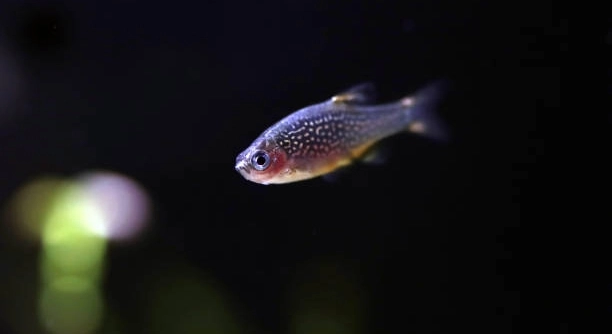
Danios are small, lively fish that brighten up any aquarium with their colors. Over time, you might notice their shades shifting slightly depending on the seasons and changes in their environment. Observing these changes can be fascinating.
Seasonal shifts affect Danio coloration through variations in light exposure, water temperature, and food availability. These factors influence pigmentation, metabolic rates, and overall health, resulting in subtle but noticeable changes in the vibrancy and patterns of their scales throughout the year.
Knowing how each season impacts your Danios helps you provide better care and maintain their colors at their most vivid and healthy state.
Light Exposure Changes
Light exposure plays a major role in Danio coloration. During longer daylight periods, their colors tend to become more vivid, while shorter days can cause a dulling effect. Natural sunlight or a well-timed aquarium light cycle can make a big difference in how bright their scales appear. Consistency is key. Sudden changes in light intensity may stress the fish, leading to temporary color loss. Danios are sensitive to both natural and artificial light, so adjusting gradually helps maintain their health. Seasonal sunlight shifts, especially in homes with large windows, can subtly affect the brightness of your fish. Observing how they react to different lighting conditions gives insight into their overall well-being. Maintaining a balanced light schedule supports both their color and activity levels.
Danios under stable light schedules generally display more consistent coloration. Variations in brightness and length of exposure directly influence pigment development in their scales.
Light timing and intensity directly affect Danio pigmentation, signaling changes in the seasons and supporting their natural biological rhythms and color retention over time.
Water Temperature Fluctuations
Water temperature influences Danio metabolism and coloration. Cooler water can reduce their activity, leading to paler shades, while slightly warmer temperatures often enhance vibrancy. Sudden changes in temperature stress the fish and may cause fading or blotchy patterns. Stable temperatures encourage brighter, healthier colors.
Seasonal temperature shifts affect the vibrancy of Danios because their metabolic rate is temperature-dependent.
Maintaining optimal water temperatures throughout seasonal transitions is essential for sustaining Danio coloration. Fish exposed to fluctuating or extreme temperatures may experience temporary or long-term changes in pigment. Even small differences of a few degrees can alter behavior and health, making them less colorful or less active. Adjusting heaters gradually during seasonal changes helps prevent shock. Temperature also interacts with light exposure and diet to influence scale vibrancy. Observing fish behavior and minor color shifts during cooler months can alert you to necessary adjustments. By monitoring and controlling the aquarium temperature, you help ensure your Danios retain their natural patterns and vivid colors. A consistent environment promotes stress-free growth, better immunity, and enhanced overall appearance, making seasonal transitions smoother for both you and the fish.
Seasonal Diet Variations
Seasonal changes in diet affect Danio color. Natural fluctuations in the availability of live foods or vegetables can brighten or dull their scales. Even small shifts in protein intake influence pigmentation over time.
Danios rely on a variety of nutrients for optimal color. Seasonal changes in the types of foods offered, such as more plant-based options in summer or higher-protein diets in cooler months, can affect the intensity of their hues. Carotenoids and other pigments in foods are directly absorbed, helping maintain vivid reds, oranges, and golds. Feeding consistently and ensuring nutritional balance throughout the year supports both health and coloration, preventing the dulling that often accompanies diet changes. Seasonal adjustments in feeding can help your fish stay vibrant.
In addition to pigments, diet affects metabolism, which interacts with temperature and light conditions. Fish with access to a nutrient-rich diet during seasonal transitions maintain more stable coloration. Ignoring seasonal nutrient needs may result in patchy or faded scales. Incorporating live foods or high-quality flakes supplements pigment production, and rotating food types mirrors natural conditions. Even slight improvements in diet can visibly enhance their colors, making them appear healthier and more active. Seasonal diet planning ensures that coloration is supported year-round while promoting growth and immunity.
Water Chemistry Shifts
Even minor seasonal changes in water chemistry can influence Danio coloration. pH, hardness, and mineral content all interact with pigment expression.
Fluctuations in water chemistry, such as slightly higher pH in summer or increased dissolved minerals during winter, can affect how pigments develop in Danios. These changes influence cellular function and overall fish health. Maintaining consistent water parameters helps preserve vivid coloration and prevents stress-related fading. Seasonal variation in tap water or rainfall may require adjustments to keep parameters stable. Regular testing ensures that your Danios remain in an environment conducive to strong, healthy colors, supporting both their scales and activity levels throughout the year.
Water chemistry also interacts with temperature and diet, amplifying seasonal effects on color. Minerals and trace elements support pigment formation, while imbalances can dull shades. For example, higher hardness can enhance blues, while soft water may mute reds and oranges. Seasonal rainfall or evaporation can alter aquarium chemistry subtly, which accumulates over time. Monitoring parameters, adjusting water treatments, and stabilizing conditions help your Danios retain consistent and vibrant colors. Even small, unnoticed shifts in chemistry can lead to gradual color changes, so proactive management ensures their appearance remains strong and healthy.
Seasonal Stress Factors
Seasonal changes can increase stress in Danios. Temperature swings, altered light cycles, and minor water chemistry shifts all contribute. Stress often leads to paler colors and less activity.
Stress reduces pigment expression because the fish prioritize survival over appearance. Managing environmental consistency during seasonal transitions keeps Danios healthier and more colorful.
Breeding Cycles
Breeding cycles influence Danio coloration. During mating periods, males often display more intense colors to attract females, while non-breeding periods result in paler hues.
Hormonal changes tied to reproduction directly affect pigmentation. Seasonal cues such as light length and water temperature trigger breeding behaviors, enhancing scale vibrancy temporarily. Understanding this natural rhythm helps in predicting and supporting color shifts throughout the year.
Plant Growth in Aquarium
Seasonal plant growth changes water conditions, affecting Danio color. Dense plant coverage can filter light differently, subtly influencing pigment visibility.
Seasonal Social Behavior
Changes in group dynamics can occur seasonally. Dominant fish may show brighter colors, while subordinates appear duller, reflecting social hierarchies and stress levels within the aquarium.
FAQ
Why do my Danios’ colors fade in winter?
During winter, light exposure is reduced and water temperatures often drop. These changes slow metabolism and pigment development, making scales appear paler. Maintaining stable temperatures and using aquarium lighting with consistent schedules can help preserve their vibrancy throughout colder months.
Can changing their diet improve color?
Yes. Pigments from food, like carotenoids in vegetables and high-quality flakes, directly influence scale color. Seasonal adjustments in diet, ensuring proper protein and pigment intake, help Danios maintain brighter reds, oranges, and golds. Consistent feeding routines also reduce stress, indirectly supporting healthy coloration.
How does water quality affect color?
Water chemistry impacts pigment expression. pH, hardness, and mineral content interact with metabolic processes. Stable parameters prevent stress-induced fading, while sudden changes can dull scales. Regular testing and adjusting water conditions help ensure Danios retain their natural brightness.
Do breeding cycles change colors?
Yes. Males often show more intense colors during mating periods to attract females. Seasonal cues, like light and temperature, trigger these cycles. Outside breeding periods, colors may appear paler. Monitoring these patterns helps understand temporary seasonal changes in appearance.
Can stress cause permanent color loss?
Prolonged stress can affect pigment and overall health. Causes include sudden temperature changes, overcrowding, or inconsistent water conditions. Minimizing stress through stable environments and proper care helps maintain both color and activity levels over time.
How does light influence coloration?
Light exposure affects pigment development and visibility. Longer daylight periods enhance vibrancy, while shorter days may reduce intensity. Gradually adjusting light cycles to match seasonal shifts supports natural rhythms and prevents sudden fading. Artificial lights can supplement reduced sunlight to maintain consistent brightness.
Will plant growth in the aquarium impact colors?
Yes. Seasonal changes in plant density can alter light distribution and water chemistry, indirectly affecting pigment expression. Denser plants filter light and may create shaded areas, which can temporarily dull colors. Balancing plant growth ensures even lighting and stable conditions.
Are social interactions a factor in color changes?
Dominance hierarchies influence how colors appear. Dominant fish often show more vivid scales, while submissive individuals may appear duller. Seasonal changes in behavior or tank composition can shift these dynamics, temporarily affecting coloration.
Do temperature fluctuations affect long-term color?
Frequent or extreme temperature changes can weaken pigmentation and health. Maintaining a stable temperature appropriate for Danios prevents fading and supports metabolic function, ensuring their colors remain consistent even during seasonal shifts.
How quickly do Danios regain color after environmental adjustments?
Recovery time varies. With proper lighting, diet, and stable water conditions, colors may return within days to weeks. Gradual adjustments are key to preventing stress, allowing pigments to redevelop naturally and restoring the fish’s vibrant appearance.
Danios are small but vibrant fish that respond noticeably to seasonal changes. Their colors are not fixed and can fluctuate due to variations in light, temperature, diet, and water conditions. Observing these changes can help you understand their needs better. By keeping a consistent routine with proper lighting schedules and gradual adjustments during seasonal transitions, you can reduce stress and help them maintain their natural vibrancy. Even minor improvements, like monitoring water temperature or providing a balanced diet, have a visible impact on their appearance. Paying attention to their environment throughout the year is one of the simplest ways to support their health and coloration.
Water quality and temperature are particularly important when it comes to keeping Danios colorful. Seasonal shifts in tap water, evaporation, or heating patterns can subtly affect pH, hardness, and mineral content, which in turn influence pigment development. Maintaining stable conditions prevents sudden fading and supports overall health. Along with water parameters, diet plays a major role in their coloration. Foods rich in carotenoids and other pigments help produce brighter scales. Seasonal adjustments to diet, such as adding more live or fresh foods when possible, provide nutrients that naturally enhance their colors. Together, proper water care and nutritional balance ensure that your Danios remain healthy and vibrant throughout the year.
Finally, it is important to consider behavioral and social factors that affect Danio coloration. Dominance hierarchies within the tank, breeding cycles, and stress levels all play a role in how their colors appear at different times. Males may display more intense colors during mating periods, while stress from sudden environmental changes can lead to temporary dulling. Seasonal planning, such as providing stable group dynamics and avoiding abrupt changes in lighting or temperature, supports both their physical health and color. Paying attention to these details not only helps your fish look their best but also ensures they are active, thriving, and comfortable in their habitat year-round.

Hello,
If you enjoy the content that we create, please consider saying a "Thank You!" by leaving a tip.
Every little bit helps us continue crafting quality advice that supports the health, happiness, and well-being of pets around the world, for pets of all shapes, sizes, and species.
We really appreciate the kindness and support that you show us!