
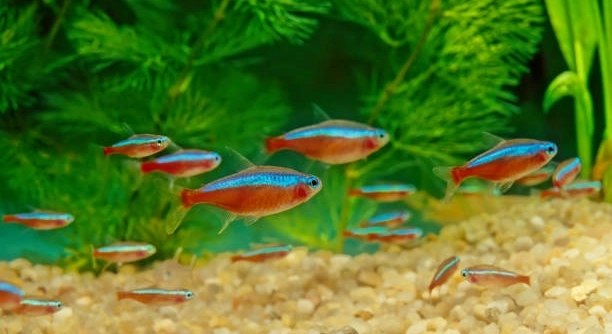
Many aquarium hobbyists enjoy keeping tetras for their vibrant colors and active behavior. Proper care is essential, especially when introducing new fish to the tank. Knowing when to extend quarantine time can prevent health risks for your existing fish.
Extended quarantine for new tetras is necessary when signs of illness, stress, or unusual behavior appear. These indicators help ensure diseases or parasites do not spread to the main aquarium, protecting the overall health of your aquatic environment.
Recognizing these signs early allows you to take action, safeguarding both new and established fish in your tank.
Signs of Stress in New Tetras
When new tetras show signs of stress, it’s important to consider extending their quarantine period. Stress can show in various ways, such as erratic swimming, hiding more than usual, or gasping at the water surface. Stress weakens their immune system, making them more vulnerable to diseases. Sometimes changes in water parameters during transfer cause this stress. If these behaviors last more than a day or two, it signals the need for longer observation. Keeping stressed fish in quarantine reduces the risk of spreading any potential illness to your established tank. Monitoring closely during this time helps you respond to any developing problems.
Stress symptoms may seem mild but can indicate deeper health issues that need attention.
Taking the time to observe new tetras for stress ensures they have a chance to recover fully before joining the main aquarium. Adjusting water conditions, reducing light, or providing hiding spots can help calm them down and improve their well-being. This careful approach benefits the entire tank community by preventing disease outbreaks.
Signs of Illness to Watch For
Illness in new tetras requires immediate attention during quarantine. Watch for visible spots, discoloration, or clamped fins. Labored breathing or lethargy are also common signs. Ill fish should remain separated until fully recovered.
Detecting Parasites in New Tetras
Parasites often show subtle signs, such as flashing or rubbing against tank surfaces. These behaviors indicate irritation that new tetras might experience during quarantine. Early detection is key to preventing the spread to other fish.
Parasites like ich or flukes can be hard to spot at first. White spots, a fuzzy coating, or constant scratching are common indicators. If untreated, parasites weaken fish quickly and may cause secondary infections. It’s important to maintain good water quality and monitor fish behavior carefully during quarantine. Using appropriate treatments as soon as symptoms appear improves recovery chances.
Quarantine tanks should be regularly cleaned and inspected. This prevents parasites from establishing and spreading. Paying close attention to new tetras’ appearance and actions helps catch problems early, keeping your entire aquarium safe and healthy.
Unusual Behavior Patterns
Unusual swimming patterns often indicate deeper health or environmental problems. Erratic darting, lethargy, or sinking to the bottom can suggest illness or stress in new tetras. Observing these behaviors closely helps determine if quarantine needs extension.
Some tetras may initially adjust poorly to new water conditions, resulting in strange movements. Illnesses such as swim bladder disorders also cause abnormal swimming. Consistent odd behavior beyond a couple of days should raise concern. Prolonged symptoms indicate the need for more time in quarantine to monitor and treat as necessary. Ensuring stable, clean water and proper nutrition supports their recovery. Early intervention reduces risks of serious health issues spreading to your main tank.
Changes in Appetite
A sudden loss of appetite is a common sign that new tetras need more quarantine time. Healthy fish usually eat consistently, so a decrease can indicate stress or illness. Monitoring feeding habits helps identify problems early.
Delayed or reduced eating affects a fish’s strength and immune response. It’s important to provide gentle care and proper nutrition during quarantine.
Cloudy or Discolored Eyes
Cloudy or discolored eyes often signal infection or poor water quality. This symptom requires immediate attention to prevent worsening conditions in new tetras.
Excessive Mucus Production
Excess mucus on a tetra’s body is usually a response to irritation or infection. This natural defense can indicate that the fish is struggling with its environment or health. Watching this sign carefully during quarantine helps ensure timely treatment.
How long should I quarantine new tetras?
Quarantine for new tetras usually lasts between two and four weeks. This time allows you to observe any signs of illness or stress before introducing them to your main tank. If symptoms appear, extending quarantine is important until the fish fully recover and show normal behavior.
What water conditions are best for quarantining tetras?
Maintain stable water temperature, typically between 72 and 78°F (22-26°C), with good filtration and regular water changes. Keep the water clean to reduce stress and lower the risk of disease. Avoid overcrowding the quarantine tank to give new fish space to acclimate comfortably.
Can I treat diseases in the main tank instead of quarantining?
Treating diseases in the main tank risks exposing healthy fish to infection. Quarantine tanks isolate new or sick fish, allowing focused treatment without harming others. This method is safer and more effective at preventing outbreaks.
What signs mean my tetra needs immediate treatment?
Look for rapid breathing, white spots, frayed fins, lethargy, and loss of appetite. These signs suggest infection or parasites and require prompt care. Early treatment improves recovery chances and limits disease spread.
Should I feed quarantined tetras differently?
Feed small amounts two to three times daily with high-quality flakes or frozen foods. Avoid overfeeding, which pollutes water. Balanced nutrition helps strengthen the immune system during quarantine.
Is it normal for tetras to hide during quarantine?
Yes, new fish often hide as they adjust to new surroundings. Providing hiding spots reduces stress. However, prolonged hiding combined with other symptoms can indicate problems that need attention.
How do I know if quarantine is over?
When tetras show normal swimming, regular eating, and no signs of illness for at least a week, quarantine can end. Gradually introduce them to the main tank while monitoring closely for any delayed issues.
Can quarantine stress affect my tetras long-term?
Stress during quarantine can weaken immune responses but usually resolves with proper care. Minimizing handling and maintaining stable conditions reduce stress impacts. Longer quarantine may be needed if recovery is slow.
What equipment is needed for a quarantine tank?
A small tank with a heater, filter, and gentle aeration works best. Use a sponge filter to avoid harming delicate fish. Keep the tank covered to prevent jumping. Simple setups are effective and easy to maintain.
How often should I test water during quarantine?
Test water parameters like ammonia, nitrite, nitrate, and pH regularly, ideally every two to three days. Maintaining clean and stable water reduces health risks and supports recovery. Prompt adjustments help keep conditions safe for new tetras.
Can I quarantine multiple tetras together?
Yes, but avoid overcrowding. Keep numbers low to reduce stress and prevent rapid spread of disease. Quarantining in small groups can be more natural but requires careful monitoring.
What medications are safe for quarantined tetras?
Use medications designed for small tropical fish, such as anti-parasitic or antibacterial treatments. Follow dosage instructions carefully and avoid mixing medications unless advised by a specialist. Proper use speeds recovery without harming fish or tank bacteria.
Is it necessary to quarantine tetras bought from a trusted source?
Even healthy-looking fish can carry unseen diseases. Quarantine remains a vital step to protect your existing aquarium. This precaution prevents unexpected outbreaks and keeps all fish healthy.
How long should I observe a tetra after treatment in quarantine?
Continue observing fish for at least a week after treatment ends. Some symptoms may return or new ones develop. Extended observation ensures full recovery before moving fish to the main tank.
Can quarantine tanks be reused without full cleaning?
Partial cleaning is possible, but avoid harsh chemicals that kill beneficial bacteria. Regular maintenance between quarantines keeps tanks safe and ready for new fish. Maintaining a healthy environment reduces stress for incoming tetras.
Quarantining new tetras is a crucial step in maintaining a healthy aquarium. Taking the time to observe new fish in a separate tank helps prevent the introduction of diseases and parasites to your established community. While it may feel like an extra effort, quarantine acts as a protective barrier for all your aquatic pets. Proper quarantine reduces the risk of illness spreading, which can save you from larger problems later on. It also allows you to closely monitor your new tetras for any signs of stress or unusual behavior that might otherwise go unnoticed in a crowded tank.
During quarantine, maintaining stable water conditions and observing your tetras’ behavior are key. Water quality directly affects fish health, so regular testing and cleaning of the quarantine tank are important. Small changes like providing hiding places and feeding appropriately can help your new fish settle in more comfortably. Watching for signs such as loss of appetite, erratic swimming, or visible spots can give early warning of health issues. Addressing these signs promptly with proper treatment can improve your tetras’ chances of recovery and prepare them for life in the main aquarium.
Extending quarantine time when needed is not a sign of failure but a careful approach to fish care. Sometimes tetras need more time to overcome stress or recover from minor infections. Rushing them into the main tank too soon may put all your fish at risk. By giving new tetras the necessary quarantine period, you support their well-being and the overall balance of your aquarium. This careful process leads to a healthier environment and a more enjoyable experience as you watch your tetras thrive.

Hello,
If you enjoy the content that we create, please consider saying a "Thank You!" by leaving a tip.
Every little bit helps us continue crafting quality advice that supports the health, happiness, and well-being of pets around the world, for pets of all shapes, sizes, and species.
We really appreciate the kindness and support that you show us!