
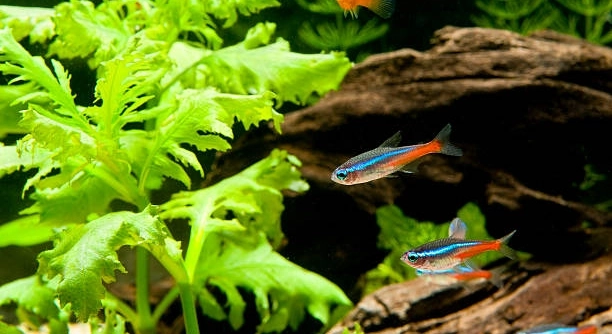
Are your tetras acting strangely or not looking as vibrant as they used to? Poor lighting in your tank may be the reason. Lighting plays a bigger role in their health and behavior than you might think.
Poor tank lighting can lead to stress, faded colors, erratic swimming, weakened immune systems, and disrupted sleep patterns in tetras. Consistent low light or intense light without shade can both negatively affect their overall well-being and natural behavior.
Understanding the signs of bad lighting can help you make simple changes that support a healthier and more balanced environment for your tetras.
Sign 1: Faded or Washed-Out Colors
Tetras are known for their bright, shimmering colors. If their colors begin to look dull or faded, it could mean the lighting is too weak or inconsistent. Proper lighting helps maintain their natural pigmentation. Without it, their vibrant hues can quickly lose intensity. Faded colors can also be a sign that your tetras are under stress or not feeling well. It’s important to act quickly once you notice this change. Adjusting the lighting schedule or upgrading to a better light fixture can make a noticeable difference. Natural-looking light that mimics day and night cycles helps support their health. Make sure the light isn’t too harsh either, as excessive brightness can also cause color fading. Always monitor their appearance closely and take gradual steps when changing lighting conditions to avoid sudden stress. A stable and comfortable light setup keeps your tetras looking their best and feeling secure in their environment.
Color loss usually shows up gradually, so you might not notice right away. Compare photos if needed to track changes more clearly.
To improve things, use a full-spectrum aquarium light with a timer. Keep lights on for about 8 to 10 hours a day. Avoid placing the tank in direct sunlight or near bright lamps. Consistency is key. If you recently changed your lighting, give your fish a few days to adjust before making more changes. Also, make sure your tetras aren’t experiencing other stress factors like sudden water changes or aggressive tank mates. A combination of healthy lighting and good tank care often brings their colors back within a couple of weeks. Watch how they behave under different light levels. When they swim calmly and their color deepens, you know you’re on the right track.
Sign 2: Hiding More Than Usual
If your tetras are hiding more often, poor lighting may be making them feel unsafe. Overhead lighting that’s too bright can cause them to seek cover frequently.
Tetras are naturally active, schooling fish. When they start hiding behind plants, rocks, or decorations for long periods, it usually means something in the tank isn’t right. Harsh or flickering lights can create an uncomfortable environment. Bright lights without shaded areas can make the tank feel exposed. This lack of shelter encourages them to stay hidden. On the other hand, lighting that’s too dim can reduce visibility and cause them to become inactive. Use gentle lighting and give them places to retreat when needed. Floating plants or background plants can help soften harsh lighting. Choose a light with adjustable settings or consider adding a dimmer. Observe how often your tetras come out when lights are on. Comfortable lighting helps them swim more confidently and interact more often in the open.
Sign 3: Erratic Swimming or Skittish Behavior
Tetras that dart around or seem jumpy when the light turns on or off may be reacting to unstable lighting. Sudden changes can startle them and lead to stress-related behavior over time.
Abrupt lighting shifts can confuse your tetras. They may interpret quick transitions from dark to bright as a threat, causing them to dart or crash into objects. This stress response can become a daily issue if your tank lights are turned on or off manually without a gradual adjustment. Using a timer with ramp-up and ramp-down features helps ease them into lighting changes, mimicking natural sunrise and sunset patterns. Sudden movement in the tank isn’t always playfulness—if it’s happening often, especially during light transitions, the lighting might be too intense or too inconsistent. Keep an eye on how they respond when lights come on or off, and adjust the intensity and timing as needed.
Calmer, smoother behavior under steady light means your tank setup is working well for them. When tetras swim calmly and group together, it shows they feel secure. To maintain this, avoid placing the tank near windows or areas where light levels shift dramatically during the day. Flashy, flickering, or overly intense lighting can interrupt their routine and increase anxiety. A consistent schedule helps stabilize their patterns, making them feel safe. If you notice changes in swimming or see them hiding more often after turning on the lights, it’s time to rethink your lighting setup. Adding plants or floating cover can reduce light glare. You don’t always need new equipment—small adjustments to the timing and placement of your lights can make a big difference in how your tetras behave.
Sign 4: Algae Overgrowth in the Tank
Too much light, especially if it stays on too long, encourages algae growth. If you see green patches on the glass, plants, or decorations, your lighting setup may be out of balance.
Excessive algae growth is often a sign that your aquarium lighting is too strong or left on for too many hours. Algae thrive when light is consistent and intense, especially if your tank gets direct sunlight. Even a few extra hours of light each day can lead to fast algae buildup. Stick to 8–10 hours of light daily, and try using a timer to maintain consistency. If algae appear mostly near the light source, that’s another sign your setup may be too strong. Also, try positioning the tank away from bright windows. While some algae are normal, too much can harm water quality and make the tank harder to clean. Balance lighting with live plants to help compete with algae naturally.
Sign 5: Unnatural Day-Night Cycle
If your tank lights are on at odd hours, it can confuse your tetras. Lights should mimic a normal day-night rhythm to support healthy behavior and rest.
Keeping lights on too late or turning them on before sunrise can interrupt your tetras’ internal clock. They need darkness to rest properly.
Sign 6: Excess Light Reflection on Glass
Bright lighting can bounce off glass and decorations, making the environment uncomfortable. Reflections may stress your tetras or cause them to chase what they think is another fish. Add background film or adjust the angle of lighting to reduce these sharp reflections and glare inside the tank.
Sign 7: Plant Health Decline
Live plants can show signs of poor lighting even before fish do. Yellowing leaves, slow growth, or algae-covered surfaces suggest the light isn’t right. Some plants need brighter light than others, but all require stability. Adjust the strength and duration of your lighting to support both plant growth and fish comfort.
FAQ
What kind of lighting is best for tetra tanks?
The best lighting for tetra tanks is a full-spectrum LED light that mimics natural daylight. It should provide balanced brightness without being too harsh. Aim for about 8 to 10 hours of light daily. This helps keep your tetras’ colors vibrant and supports plant growth without encouraging excessive algae. Using a timer to maintain a consistent schedule makes a big difference in their well-being.
How do I know if my lighting is too bright or too dim?
If your tetras hide frequently or show signs of stress like erratic swimming, the light may be too bright. On the other hand, faded colors and sluggish behavior can indicate the light is too dim. Observe your fish’s behavior and appearance. Adjust light intensity gradually to find a comfortable middle ground where they swim actively and display rich colors.
Can poor lighting cause health problems in tetras?
Yes. Poor lighting can stress tetras, which weakens their immune system and makes them more prone to disease. Too much light can cause constant stress, while too little light disrupts their natural cycles and causes behavioral changes. Proper lighting supports a stable environment, which is essential for their overall health.
How can I reduce algae growth caused by lighting?
Limit your tank’s light to 8-10 hours per day using a timer. Avoid placing the tank in direct sunlight, as this boosts algae growth. Introducing live plants can compete with algae for nutrients, helping to keep algae under control. Regular maintenance and water changes also prevent algae buildup.
Is it necessary to have a timer for aquarium lighting?
Yes, a timer is highly recommended. It keeps the light cycle consistent, reducing stress for your tetras. A steady day-night rhythm helps maintain their natural behavior and promotes healthy rest periods. Timers also prevent accidentally leaving the lights on too long, which can lead to algae problems.
What should I do if my tetra tank is in a bright room with natural light?
If your tank gets natural sunlight, consider moving it to a spot with indirect light or add curtains to control brightness. Natural light can be unpredictable and cause algae blooms or overheating. Use artificial lighting on a timer to maintain control over the lighting schedule.
Can changing the lighting suddenly harm my tetras?
Yes, sudden changes in lighting can stress your tetras. Gradual adjustments are safer and allow your fish to adapt. Use dimmable lights or timers that simulate dawn and dusk. Avoid turning lights on or off abruptly, especially if you switch to a brighter or different type of light.
How do live plants affect tank lighting needs?
Live plants need sufficient light to grow well, which benefits the tank’s ecosystem. Healthy plants help absorb nutrients and limit algae growth. However, not all plants require intense lighting. Choose plants that match your lighting setup to avoid extra stress on your tetras. Proper lighting balances the needs of both fish and plants.
What signs show my tetras are comfortable with the lighting?
Comfortable tetras swim actively, display bright colors, and interact normally with tank mates. They won’t hide excessively or dart nervously around the tank. Their behavior will be calm, and they’ll use open spaces rather than always staying behind decorations. These signs mean the lighting supports a healthy environment.
How often should I check and adjust my aquarium lighting?
Regularly monitor your tank’s lighting and your tetras’ behavior every few weeks. Seasonal changes in daylight might require adjustments. If you notice fading colors, unusual hiding, or increased algae, it’s time to reevaluate your lighting setup. Consistent care helps keep the tank balanced and your tetras happy.
Final Thoughts
Proper lighting is one of the most important parts of keeping a healthy tetra tank. It affects not only how your fish look but also how they behave and feel. When the light is right, your tetras will show their natural colors, swim calmly, and stay active. Poor lighting, on the other hand, can cause stress, hiding, and even health problems. Finding the right balance takes a little attention but makes a big difference in their quality of life. Using a consistent light schedule with the right type of light can help your tetras thrive.
It’s important to pay attention to signs that the lighting may not be working well. Changes in your fish’s color, behavior, or energy levels can all point to lighting problems. Algae growth and plant health are also good clues about the light conditions in your tank. By watching closely and adjusting the light strength, timing, or placement, you can create a stable environment for both your fish and plants. A timer is a simple tool that keeps the light schedule steady, reducing stress for your tetras. Small changes can bring great improvements over time.
Keeping your tetra tank well-lit doesn’t have to be difficult or expensive. Many affordable LED lights offer good results and can be set on timers. Avoid placing your tank in direct sunlight to prevent algae and overheating issues. Remember that your tetras depend on a lighting cycle that feels natural to them, so mimic day and night as closely as possible. Taking time to adjust lighting carefully and watching your fish closely will help you provide a comfortable home for your tetras, supporting their health and happiness for years to come.

Hello,
If you enjoy the content that we create, please consider saying a "Thank You!" by leaving a tip.
Every little bit helps us continue crafting quality advice that supports the health, happiness, and well-being of pets around the world, for pets of all shapes, sizes, and species.
We really appreciate the kindness and support that you show us!