
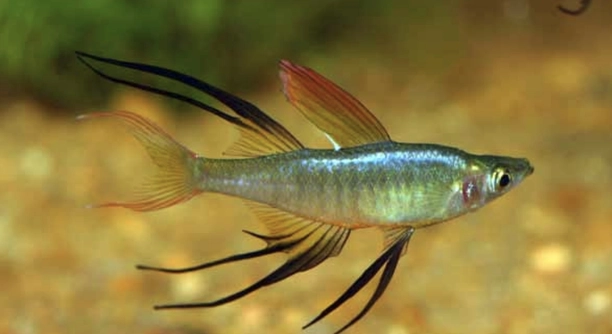
Threadfins are beautiful fish, but many aquarists notice their colors often appear dull. Simple changes in their environment, diet, and care routine can help bring out brighter and more vivid hues over time.
Enhancing threadfins’ coloration requires attention to diet, lighting, water quality, and tank setup. Providing nutrient-rich foods, maintaining stable water parameters, and optimizing their habitat encourages natural pigmentation and improves overall health.
These adjustments are easy to implement and can make a visible difference in the vibrancy of your threadfins. Paying attention to small details often yields noticeable results in their appearance.
Improve Water Quality
Threadfins are sensitive to their environment, and maintaining clean, stable water is essential for their coloration. Regular water changes remove excess waste, toxins, and nitrates that can stress the fish. Stress often leads to faded colors, so keeping water parameters consistent is critical. Using a reliable water testing kit helps monitor ammonia, nitrite, and nitrate levels. Filtration systems should be efficient but not create strong currents, as threadfins prefer calmer water. Temperature stability is also important, as sudden fluctuations can weaken their immune system. Adding beneficial bacteria can help maintain a balanced ecosystem, reducing harmful substances naturally. Avoid overfeeding, as uneaten food can decompose and affect water quality. Observing your fish daily allows you to notice early signs of stress or illness. Clear water not only enhances color but also keeps threadfins active and healthy. Small, consistent efforts in water maintenance have a big impact over time.
Maintaining stable pH, temperature, and low nitrate levels is essential for bright, healthy coloration.
Consistent water care also supports their immune system. Fish under stress are more likely to lose color or develop health issues. By keeping water clean and stable, you encourage natural pigmentation and reduce the risk of disease. Over time, vibrant colors become more noticeable, and your tank looks more lively. Regular observation ensures problems are caught early, allowing for adjustments before the fish are affected. Water changes, proper filtration, and careful monitoring create an environment that promotes both health and beauty. Healthy threadfins display brighter, more defined colors, making their presence more striking and enjoyable to watch.
Optimize Diet
Providing the right diet directly influences threadfins’ color intensity.
A variety of high-quality foods is key. Live or frozen foods such as brine shrimp, daphnia, and bloodworms are excellent sources of carotenoids, which help enhance red, orange, and yellow tones. Supplementing with vegetable matter ensures overall nutrition, supporting immune function and longevity. Avoid foods with excessive fillers, as they provide little benefit and can cloud the water. Feeding smaller portions multiple times a day encourages natural feeding behaviors and prevents overfeeding. Vitamins and mineral supplements can also support color development. Observing which foods your threadfins prefer helps tailor their diet for maximum pigmentation. Combining different textures and nutrients ensures a well-rounded intake, improving both appearance and vitality.
High-carotenoid foods and careful portioning gradually boost natural coloration in threadfins.
Color development in threadfins depends on consistency and quality in their diet. Over time, regularly offering nutrient-rich foods leads to more vibrant tones, particularly in areas like fins and scales. Carotenoids from natural sources deposit in the skin, enhancing reds, oranges, and yellows. Balanced nutrition strengthens their overall health, supporting growth, activity, and resistance to stress. Rotating foods keeps them interested and ensures all necessary nutrients are consumed. Overfeeding or relying solely on flakes can lead to dull colors and water quality issues. By paying attention to diet and feeding habits, their natural brilliance becomes more apparent, making your aquarium more visually appealing while keeping the fish healthy.
Adjust Lighting
Proper lighting highlights threadfins’ colors and helps maintain their natural rhythm. Avoid overly bright lights, which can stress the fish, and aim for a balance that mimics natural daylight. Using a timer ensures consistent light cycles, supporting healthy behavior and color expression.
Threadfins respond well to full-spectrum lighting that enhances red and yellow pigments. Position lights to reduce shadows and avoid sudden changes that can startle them. A gentle transition between light and dark periods supports natural activity patterns and prevents stress-related color fading. Adjusting light intensity gradually over weeks allows fish to adapt and display brighter colors naturally. Avoid prolonged darkness or excessive artificial lighting, as either can weaken their immune system and cause dullness in coloration.
Lighting also affects plant growth and water clarity, indirectly impacting the fish’s appearance. Healthy plants improve oxygen levels and reduce nitrate buildup, creating a more vibrant environment. Well-placed lighting enhances fin shimmer and scale reflection, making colors appear richer. Combining proper lighting with clean water and good nutrition produces noticeable improvements in vibrancy. Observing fish under different light settings helps determine the most flattering arrangement for your tank. Adjusting both duration and intensity carefully ensures threadfins remain comfortable while their colors are fully expressed.
Maintain Proper Tank Size
Threadfins need space to swim freely, which helps them display full coloration. Crowded conditions stress the fish, leading to duller hues and increased health risks.
A larger tank provides both swimming space and stable water conditions. With adequate room, fish are less aggressive, more active, and able to show natural behaviors, all of which support brighter colors. Crowding increases competition for food and oxygen, which can weaken the immune system. Providing hiding spots and open swimming areas reduces stress and encourages natural interactions. Tank decorations should allow unobstructed movement, as tight spaces restrict exercise and limit color expression. Proper tank size also aids in maintaining consistent water parameters, as larger volumes dilute toxins more effectively. Fish in appropriately sized environments show more vivid, uniform colors over time.
In addition to swimming space, a properly sized tank allows for easier maintenance and filtration. Larger tanks experience slower shifts in temperature, pH, and other key parameters, reducing stress-induced color fading. Threadfins can explore their environment, interact with companions naturally, and feed more effectively. The combination of space, stable water, and mental stimulation promotes overall health and brightness. By considering tank dimensions carefully, you create a supportive environment where threadfins can thrive and reveal their full color potential.
Reduce Stress
Minimizing stress is crucial for threadfins to show vibrant colors. Avoid sudden movements, loud noises, and frequent tank disturbances. Stress can cause fading, lethargy, and lower immunity, affecting both health and appearance.
Providing hiding spots and gentle tank mates helps threadfins feel secure. A calm, predictable environment encourages natural behavior and allows their colors to develop fully.
Introduce Color-Enhancing Foods
Supplementing the diet with color-enhancing foods like krill, shrimp, or carotenoid-rich pellets improves pigmentation. These foods provide essential nutrients that directly influence scale and fin brightness. Regularly rotating foods ensures the fish receive a variety of vitamins and minerals necessary for vibrant coloration. Consistency in feeding color-rich foods over weeks shows noticeable improvements. Avoid overfeeding, which can cloud water and reduce effectiveness. Observing how threadfins respond helps determine the most effective combination of natural and prepared foods. A balanced approach ensures both health and visual appeal are maintained.
Maintain Stable Temperature
Threadfins need a consistent temperature range to display full colors. Sudden fluctuations can stress them and dull pigmentation.
FAQ
How often should I change the water to keep threadfins colorful?
Regular water changes are essential for maintaining vibrant colors. Replacing 20–30% of tank water weekly helps remove waste and toxins while keeping nitrate levels low. Consistent water quality reduces stress, which directly influences pigmentation. Over time, this simple practice has a noticeable effect on the brightness of fins and scales.
What types of food enhance threadfins’ color the most?
Color-enhancing foods include live or frozen options such as brine shrimp, daphnia, and bloodworms, which are rich in carotenoids. Carotenoid-based pellets and flakes can also help, especially when used in rotation with natural foods. A combination of protein-rich and plant-based foods ensures health and enhances red, orange, and yellow tones.
Can lighting really affect their coloration?
Yes, lighting plays a key role. Full-spectrum lights mimic natural daylight and emphasize bright colors. Avoid overly harsh or dim lighting. Using a timer to maintain consistent light cycles reduces stress and encourages natural behavior, which contributes to brighter coloration over time. Gradually adjusting light intensity allows fish to adapt without dulling their colors.
How important is tank size for threadfins’ color?
Tank size is very important. Crowded conditions cause stress, which can dull colors and impact health. A larger tank provides room for swimming, reduces aggression, and ensures stable water conditions. Space allows threadfins to display natural behavior, which directly supports more vivid and uniform coloration.
Do hiding spots and decorations affect color?
Yes. Hiding spots reduce stress by giving threadfins secure areas to retreat when threatened. Stress reduction allows natural pigmentation to shine. Decorations should balance open swimming areas with safe spaces. Plants, driftwood, and gentle substrates create a comfortable environment, promoting both activity and brighter colors.
How does temperature influence pigmentation?
Threadfins require stable temperatures. Sudden fluctuations stress them, causing dulling. Keeping water within their preferred range supports metabolism and color development. Using reliable heaters and monitoring devices ensures consistency. Even small, frequent swings in temperature can impact vibrancy and overall health, making stability critical.
Is stress the main reason colors fade?
Stress is a major factor. Causes include poor water quality, improper tank mates, sudden environmental changes, and overcrowding. Stress weakens the immune system and leads to dulling. Reducing stress through calm handling, hiding spots, and consistent conditions encourages natural color expression. Observing behavior helps identify sources of stress early.
How quickly can I expect to see color improvements?
Visible changes depend on diet, water quality, lighting, and care consistency. With proper adjustments, improvements can be seen in a few weeks, but full vibrancy may take several months. Patience is key, as pigment deposition in scales happens gradually. Regular observation helps track progress and adjust care as needed.
Should I use supplements for color enhancement?
Supplements can help if natural food intake is limited. Vitamins, minerals, and carotenoid-rich additives support pigmentation. Overuse should be avoided to prevent water quality issues. A balanced approach combining natural foods and selective supplementation promotes health and ensures the most effective color improvement.
Can tank mates affect threadfins’ colors?
Yes. Aggressive or overly active fish increase stress, causing dull colors. Choosing peaceful, compatible species helps threadfins remain calm and display natural coloration. Observing interactions ensures the environment remains balanced and reduces incidents that could negatively impact both health and pigmentation.
Are there specific behaviors that indicate stress-related color loss?
Lethargy, hiding constantly, erratic swimming, and loss of appetite often indicate stress. These behaviors are commonly accompanied by faded colors. Addressing water quality, tank setup, or social dynamics promptly can help restore health and brightness over time.
Is it necessary to maintain live plants for better coloration?
Live plants are beneficial but not strictly necessary. They improve water quality by absorbing nitrates, provide hiding spots, and create a natural environment. Healthier, less stressed fish tend to display brighter colors, making live plants a supportive factor in overall vibrancy.
Can overfeeding impact color?
Yes. Excess food decomposes, polluting the water and causing stress-related dulling. Feeding small, controlled portions multiple times a day ensures nutrition without compromising water quality. Balanced feeding promotes both health and optimal coloration.
Do all threadfins respond the same to color-enhancing techniques?
No. Individual genetics influence pigmentation potential. While proper care improves color for most, some variations are natural. Observing each fish and adjusting diet, lighting, and environment accordingly allows you to maximize each threadfin’s unique vibrancy.
How do I monitor progress effectively?
Regularly observe color, behavior, and overall health. Taking notes or photos over time helps track subtle changes. Compare under consistent lighting conditions to avoid misleading differences caused by shadows or reflections. This helps identify effective adjustments and highlights improvements clearly.
Are there seasonal factors that affect color?
Seasonal changes, such as room temperature shifts or daylight variations, can influence stress and color. Maintaining stable indoor conditions and using timers for lighting helps reduce these effects, ensuring more consistent pigmentation throughout the year.
Can water additives improve color?
Certain natural additives, like spirulina or carotenoid-rich supplements, can enhance color when used correctly. Avoid chemical dyes, which may harm health. A careful approach ensures fish remain healthy while slowly improving natural pigmentation.
Does age affect coloration?
Younger threadfins may not show full color immediately. Pigmentation develops as they mature, and proper care supports optimal expression. Older fish can maintain or regain vibrancy with consistent nutrition, water quality, and reduced stress.
How do I balance all these factors together?
Combine clean water, proper diet, stable temperature, suitable lighting, and stress reduction. Monitor fish regularly and make small, gradual adjustments. Consistency in care produces noticeable improvements over weeks to months, resulting in healthy, brightly colored threadfins that thrive in their environment.
What is the most common mistake to avoid?
Ignoring water quality, overfeeding, and overcrowding are frequent mistakes. These lead to stress, dull colors, and potential health problems. Prioritizing stable conditions, balanced nutrition, and ample space ensures threadfins remain vibrant and healthy for the long term.
How long should I maintain these adjustments?
Continuous care is necessary. Threadfins require ongoing attention to water, diet, lighting, and tank conditions to maintain color. Sporadic or inconsistent efforts reduce effectiveness, so making these practices routine ensures lasting brightness and overall wellbeing.
Can stress from moving or transport affect coloration?
Yes. Transport causes immediate stress, often resulting in temporary color fading. Minimize handling, provide acclimation time, and ensure stable water parameters during and after the move to allow colors to recover naturally.
Is it worth keeping a consistent observation log?
Absolutely. Tracking water parameters, feeding, and behavior helps identify patterns, adjust care effectively, and notice gradual improvements. A log provides valuable insight into what works best for each individual fish.
Do lighting changes need to be gradual?
Yes. Sudden changes can stress threadfins, causing fading. Gradually adjusting intensity or duration over several days allows fish to adapt while maximizing the benefits for color expression.
Can combining multiple techniques improve results faster?
Yes. Integrating diet, lighting, water quality, stress reduction, and tank setup produces the best outcomes. Each factor supports the others, creating an environment where natural pigmentation develops fully and consistently over time.
Are there signs that the fish are over-supplemented?
Cloudy water, leftover food, or sudden health issues can indicate excessive supplementation. Adjust dosage carefully and monitor fish for signs of stress or decline to maintain a safe balance.
How do I encourage natural behavior for better color?
Providing adequate space, compatible tank mates, and environmental enrichment promotes natural swimming, feeding, and social interactions. Active, unstressed fish are more likely to display their brightest and most vivid colors consistently.
Does water hardness affect coloration?
Water hardness can influence scale health and pigmentation subtly. Maintaining levels within recommended ranges supports overall wellbeing, which in turn allows threadfins to show their natural colors more clearly.
What should I prioritize first if multiple issues exist?
Address water quality first, then focus on diet, lighting, and stress reduction. Poor water conditions impact all other factors, so stabilizing the environment provides a foundation for color improvement.
How long until full pigmentation is visible in adult fish?
With consistent care, adult threadfins can show full color in a few weeks to months. Patience and routine maintenance are essential, as pigmentation develops gradually with health and environmental stability.
Can stress from incompatible tank mates cause permanent color loss?
While most color loss is temporary, prolonged stress can weaken health and result in duller pigmentation. Choosing peaceful, compatible species is essential to prevent long-term fading and maintain vibrant appearance.
Are there natural indicators that the fish are healthy and colorful?
Bright, uniform colors, active swimming, clear eyes, and consistent appetite indicate both health and optimal pigmentation. Observing these traits regularly ensures that care practices are effective and fish remain vibrant.
Is monitoring pH important for coloration?
Yes. Extreme or fluctuating pH levels stress threadfins and can affect color. Maintaining stable pH within their preferred range supports overall health and vibrant pigmentation over time.
Do all adjustments need to be made at once?
No. Gradual improvements in water quality, diet, lighting, and tank setup allow threadfins to adapt safely. Implementing changes step by step ensures minimal stress while enhancing color effectively.
Can stress from handling reduce pigmentation?
Yes. Frequent handling or sudden disturbances can lead to dulling. Minimizing direct contact and providing calm, stable conditions helps maintain both health and coloration.
How often should I observe water parameters for color improvement?
Testing weekly is recommended for ammonia, nitrite, nitrate, and pH. Consistent monitoring ensures stable conditions, which are crucial for maintaining bright, healthy colors in threadfins.
Are there any warning signs that color improvement techniques are harming fish?
Signs include lethargy, faded color, unusual swimming, loss of appetite, or sudden illness. Adjust care immediately and reassess environmental and dietary changes to prevent lasting harm.
Does tank location affect color?
Indirectly. Tanks placed in areas with extreme sunlight, drafts, or frequent disturbances can stress fish. Stable, quiet locations support natural behavior and allow colors to remain bright consistently.
Is it necessary to maintain all these practices indefinitely?
Yes. Threadfins require continuous care for lasting color and health. Inconsistent attention leads to fading and potential health issues. Making these routines part of regular maintenance ensures ongoing vibrancy and wellbeing.
Can seasonal lighting adjustments help?
Yes. Adjusting artificial light to mimic natural seasonal variations supports natural rhythms and pigmentation. Sudden, unplanned changes can stress fish, so controlled adjustments are most effective.
Do older threadfins show less color naturally?
Aging can slightly affect pigmentation, but proper care maintains brightness. Healthy older fish can retain vivid colors if diet, water, and environment are managed consistently.
What is the easiest adjustment to start with for beginners?
Water quality is the simplest and most impactful adjustment. Regular changes and monitoring create a foundation for all other improvements, ensuring stress is minimized and color can develop naturally.
Are certain substrates better for color display?
Neutral or darker substrates enhance visual contrast, making colors appear brighter. Avoid overly bright or reflective substrates, which can stress fish and mask natural pigmentation.
How do I combine hiding spots and open areas effectively?
Provide both secure areas and open swimming space. This balance reduces stress, encourages natural behavior, and allows threadfins to display full coloration without feeling threatened.
Is frequent observation necessary during adjustments?
Yes. Regular monitoring allows you to see subtle changes, detect stress, and make timely corrections. Observation ensures each technique is producing the desired effect safely.
Do water additives replace diet improvements?
No. Additives support color but cannot replace a balanced, carotenoid-rich diet. Proper nutrition remains the primary factor in developing and maintaining vibrant coloration.
Can stress from tank cleaning impact coloration?
Yes. Sudden or aggressive cleaning can cause temporary fading. Gentle, gradual maintenance and minimal disturbance help preserve both color and overall wellbeing.
Are there signs that fish are overexposed to light?
Faded colors, hiding, or reduced activity indicate too much light. Adjust intensity or duration gradually to prevent stress while still promoting color enhancement.
How do I maintain consistency when using multiple color techniques?
Plan a routine for feeding, lighting, water changes, and observation. Gradual, coordinated adjustments reduce stress and maximize color expression. Consistency over weeks and months produces the most noticeable and lasting improvements.
Can occasional fasting affect coloration?
Short-term fasting is generally safe, but prolonged periods without food can reduce pigment development. Maintaining a balanced feeding schedule supports both health and vibrant colors.
Is it worth investing in specialty lighting for color enhancement?
Specialty full-spectrum or LED lighting can improve color display, but it is most effective when combined with proper diet, water quality, and low-stress conditions. Lighting alone rarely produces optimal results.
How do I know if diet changes are effective?
Visible brightening in fins and scales over several weeks indicates improvement. Consistent observation under stable lighting helps track progress and ensures dietary adjustments are successful.
Can color supplements harm the fish if overused?
Yes. Excessive carotenoids or additives can stress fish and affect water quality. Follow recommended dosages and observe fish closely to avoid negative effects.
Do color changes happen gradually or suddenly?
Color improvements are gradual, typically taking weeks. Sudden changes usually indicate stress or illness, not healthy pigmentation development. Patience and consistent care are key.
How do I balance color enhancement with overall health?
Prioritize water quality, nutrition, stress reduction, and stable conditions first. Color-enhancing techniques should complement health-focused care, ensuring fish remain vibrant without compromising wellbeing.
Are certain breeds of threadfins more responsive to color adjustments?
Yes. Genetic differences affect pigment potential. While care improves color in all, some fish naturally display brighter or more vivid hues due to inherent traits.
Does stress from transport affect long-term coloration?
Temporary fading may occur, but with proper acclimation and stable care afterward, threadfins usually regain full color within days to weeks. Consistent routine is essential for recovery.
How can I combine all FAQ tips effectively?
Create a structured plan covering diet, water, lighting, stress reduction, tank size, and observation. Implement gradually and monitor progress consistently. Integration of all techniques produces the most reliable and lasting improvements in coloration.
Are there visual cues that indicate successful color enhancement?
Brighter, uniform scales, more defined fin colors, and increased activity indicate success. Comparing photos over time under consistent lighting highlights the improvements. Healthy behavior reinforces that adjustments are working effectively.
Do I need to adjust care during breeding or spawning?
Yes. Breeding can stress threadfins and temporarily dull colors. Maintaining stable water, gentle handling, and proper nutrition ensures minimal impact on pigmentation during these periods.
Is color loss always reversible?
In most cases, yes. Temporary fading from stress, diet, or water quality can be reversed with proper care. Chronic illness or extreme environmental neglect may cause more lasting dulling.
What’s the simplest daily routine to maintain color?
Feed balanced, carotenoid-rich foods, monitor water, maintain stable lighting, and observe fish briefly each day. This routine supports vibrant colors while keeping fish healthy and stress-free.
How do I know if my threadfins are stressed without visible dulling?
Look for changes in behavior: hiding, erratic swimming, loss of appetite, or lethargy. Stress can occur before visible color loss, so observation is key to early intervention.
Does using reflective tank backgrounds help?
Reflective or darker backgrounds enhance the visual impact of colors. Avoid overly bright or patterned backgrounds, which may cause stress and reduce the apparent vibrancy of the fish.
Can multiple stress factors combine to affect coloration?
Yes. Poor water quality, aggressive tank mates, sudden temperature changes, and improper lighting together amplify stress, causing more significant color fading. Addressing all factors is essential for full vibrancy.
Is monitoring water parameters enough for color maintenance?
Water monitoring is necessary but not sufficient alone. Diet, lighting, stress reduction, and tank setup are equally important for achieving and maintaining bright coloration.
Do threadfins need rest periods for color retention?
Yes. Consistent light and dark cycles mimic natural rhythms, allowing the fish to rest, recover, and maintain pigmentation. Irregular cycles can stress the fish and reduce color intensity.
Are there differences in color response between males and females?
Males often show more vivid colors, particularly during mating periods. However, proper care ensures both genders can achieve their healthiest pigmentation potential.
Can frequent rearrangement of tank decorations affect color?
Yes. Constant changes increase stress, which can dull colors. Maintain a stable environment with occasional, gentle adjustments only when necessary.
How do I prioritize adjustments if I notice dulling?
Focus first on water quality and stress reduction, then review diet, lighting, and tank setup. Gradual, stepwise changes yield the most reliable improvements.
Can temporary color loss indicate illness?
Yes. Sudden dulling accompanied by lethargy, loss of appetite, or abnormal swimming may signal disease. Addressing water quality, nutrition, and observation helps identify the cause promptly.
How does activity level relate to coloration?
Active fish tend to show brighter colors. Encouraging natural swimming and feeding behavior through proper tank size, companions, and stimulation supports pigmentation and overall health.
Is long-term consistency more important than frequent adjustments?
Yes. Gradual, consistent care in water quality, diet, lighting, and stress management produces sustainable color improvements. Frequent, abrupt changes may stress fish and reduce effectiveness.
Do older fish require more attention to maintain color?
Slightly more care may be needed, especially in diet and water stability. Older threadfins can retain brightness if their environment remains supportive and stress is minimized.
Can stress from sudden loud noises impact coloration?
Yes. Unexpected sounds can startle threadfins, causing temporary fading. Minimizing disturbances helps maintain vibrant colors and overall wellbeing.
Is it necessary to quarantine new fish for color maintenance?
Quarantining prevents disease and stress from new arrivals, which can indirectly affect color. Healthy, unstressed fish maintain brighter pigmentation.
Do seasonal feeding changes influence coloration?
Seasonal adjustments to diet, like increasing carotenoid-rich foods, can support natural pigmentation changes. Consistent nutrition is still the primary factor for sustained color.
How do I know if my lighting schedule is effective?
Fish displaying consistent activity and color intensity throughout the day indicate appropriate lighting. Adjust gradually if signs of stress or dulling appear.
Can partial water changes improve color faster than full changes?
Partial changes stabilize the environment without shocking fish, promoting gradual pigment development. Full changes can
Final Thoughts
Maintaining vibrant colors in threadfins requires consistent care and attention. Their pigmentation is directly influenced by water quality, diet, lighting, and overall stress levels. Ensuring clean, stable water is the foundation for healthy, colorful fish. Regular water changes, careful monitoring of ammonia, nitrites, and nitrates, and maintaining stable temperature and pH levels all contribute to a supportive environment. Even small lapses in water maintenance can affect their health and dull their natural colors over time. Using reliable filtration, avoiding overfeeding, and observing water clarity daily help prevent issues before they become serious. When water quality is prioritized, threadfins are more likely to show their natural hues, and other care adjustments become more effective.
Diet also plays a key role in enhancing threadfins’ coloration. Incorporating carotenoid-rich foods like brine shrimp, daphnia, and specialized pellets directly influences red, yellow, and orange pigmentation. Rotating foods ensures a balanced intake of vitamins and minerals while keeping the fish engaged with their environment. Overfeeding or relying solely on flakes can reduce color intensity and compromise water quality. Providing small, frequent meals supports both nutrition and activity levels. Adding supplements can be helpful but should never replace a high-quality, varied diet. Observing how the fish respond to different foods allows you to tailor feeding habits for maximum pigmentation and overall health. Over time, a well-planned diet consistently improves both vibrancy and the general wellbeing of your threadfins.
Finally, stress reduction, proper tank setup, and careful lighting all contribute to long-term color maintenance. Avoiding overcrowding, aggressive tank mates, and frequent disturbances creates a calm environment where threadfins can display natural behavior and full coloration. Full-spectrum lighting with gradual adjustments highlights their hues while supporting day-night cycles. Hiding spots and open swimming areas help reduce stress and encourage activity. Consistency across all aspects of care is essential. Changes should be gradual, with careful observation of behavior and appearance. By maintaining a stable, balanced environment, providing proper nutrition, and managing stress, threadfins are more likely to show their brightest, most vivid colors for months and even years. This approach not only improves visual appeal but also ensures their health and longevity, creating a rewarding experience for both the fish and the aquarist.

Hello,
If you enjoy the content that we create, please consider saying a "Thank You!" by leaving a tip.
Every little bit helps us continue crafting quality advice that supports the health, happiness, and well-being of pets around the world, for pets of all shapes, sizes, and species.
We really appreciate the kindness and support that you show us!