
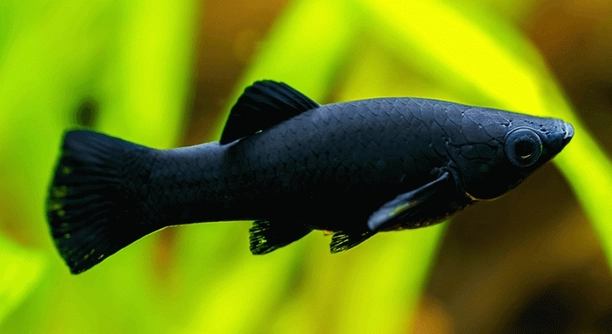
Are your Black Molly tanks starting to feel crowded with fish swimming everywhere? Managing their space can quickly become tricky, especially when you want them to thrive and stay healthy. Overcrowding can create subtle problems.
Overstocking Black Molly tanks can lead to poor water quality, increased aggression, stunted growth, and higher disease risks. Maintaining a balanced population ensures stable conditions, healthier fish, and reduces the stress that often results from limited swimming space.
These issues may seem small at first, but they affect your tank’s overall environment and your fish’s well-being. Understanding them will help you maintain a calmer, healthier aquarium.
Reduced Water Quality
When a Black Molly tank is overstocked, the water quality can deteriorate quickly. Waste from too many fish increases ammonia and nitrate levels, which can harm your fish’s health over time. Even with a filter, overcrowding makes it hard to maintain clean water. Algae growth often accelerates, making the tank look cloudy and unappealing. Fish may appear sluggish or show signs of stress. Plants and decorations also suffer because the excess nutrients can lead to decay and reduced oxygen levels. Keeping fewer fish helps maintain a balanced environment where water stays clearer and fish can swim freely without constant exposure to harmful chemicals. It’s easy to underestimate how quickly water quality changes in a crowded tank. Regular testing, partial water changes, and monitoring behavior are necessary steps to prevent long-term damage. Paying attention to tank capacity ensures a healthier space for your Black Mollies to thrive naturally.
Overcrowding increases ammonia and nitrate faster than usual, making water unsafe for the fish.
Even with proper maintenance, overstocked tanks create constant instability. Fish are more likely to develop infections, show irregular swimming patterns, or lose their vibrant coloring. Stress levels rise when they compete for space, food, and oxygen. Tank decorations may become damaged, and plants struggle under poor water conditions. Over time, these factors combine, reducing the lifespan of your Black Mollies and creating extra work to maintain the tank. Managing fish numbers carefully prevents these issues and keeps your aquarium stable, balanced, and visually appealing for longer periods.
Increased Aggression
Overcrowded tanks make fish territorial and irritable.
Black Mollies may nip fins or chase each other more when space is limited.
Aggression often escalates as fish compete for hiding spots, food, and swimming space. Dominant individuals may push weaker ones aside, leaving them stressed or injured. Stress can lower immunity, making fish prone to disease. Providing ample space helps maintain natural behavior, allowing peaceful interactions and reducing confrontations. Even with a well-planned tank setup, too many fish can overwhelm hiding spots or areas for rest. Over time, injuries from chasing or fin damage can lead to infections. Monitoring fish behavior is important; signs of stress or fights should be addressed quickly. Splitting the population, adding more hiding areas, or reducing fish numbers are effective strategies. By maintaining a balanced tank, aggression is minimized, promoting calmer behavior and healthier fish. Less fighting also means less waste, which helps water quality remain stable. Overall, giving your Black Mollies room to swim freely supports their health, appearance, and long-term well-being.
Stunted Growth
Overcrowding can limit the growth of Black Mollies. Fish may compete for food, and weaker individuals may not get enough nutrition, slowing their development. Stress from limited space also affects hormones, which can further inhibit growth.
When too many Black Mollies share the same tank, their growth can be noticeably stunted. Limited swimming space reduces exercise, which is essential for healthy muscle and bone development. Smaller fish often lose color vibrancy, and their fins may appear weaker or shorter. Competition for food is common, and more dominant fish often eat first, leaving less for others. Over time, these conditions prevent your fish from reaching their full potential. Proper population control ensures each fish has enough room to move, eat, and grow naturally. Regular observation can help identify stunted growth early and allow corrective measures before long-term effects take hold.
Even with high-quality food and regular water changes, crowded tanks make it difficult for every Black Molly to thrive. Fish may remain small or pale, and growth delays can continue throughout their lifespan. Space, nutrition, and stress management are all critical factors for healthy development. Ensuring a balanced population supports normal growth patterns, stronger immune systems, and more vibrant colors. Fish kept in proper conditions show better behavior, active swimming, and a higher overall quality of life.
Higher Disease Risk
Overcrowded tanks increase the likelihood of illness. Fish are more prone to infections and parasites when stressed or injured in tight spaces.
Diseases spread quickly in overstocked Black Molly tanks. Close contact, coupled with weakened immune systems from stress, makes it easier for bacteria, fungi, or parasites to infect multiple fish. Fin damage from chasing or nipping can act as entry points for infections. Even minor illnesses can escalate, affecting overall tank health. Water quality issues like high ammonia and nitrate levels further compromise immunity, creating a cycle where sickness spreads rapidly. Maintaining appropriate fish numbers, isolating sick individuals, and keeping up with regular water testing are essential steps. Preventing overstocking reduces disease risk and keeps your fish healthier and more resilient in the long term.
Oxygen Depletion
Overcrowding in Black Molly tanks reduces available oxygen. More fish consume oxygen faster, leaving less for everyone. Insufficient oxygen can make fish lethargic and stressed, and in severe cases, it can be life-threatening.
Even with good filtration, oxygen levels drop quickly when too many fish share a tank. Proper aeration and limiting population help prevent this issue.
Stress from Limited Space
Limited swimming room increases stress in Black Mollies. Fish may hide constantly, swim frantically, or display nervous behavior.
Stress from crowding weakens immune systems, making fish more susceptible to disease. Over time, constant stress can stunt growth, dull colors, and reduce overall vitality. Ensuring adequate space and proper tank layout allows fish to swim naturally, rest comfortably, and interact without fear, creating a healthier, calmer environment. Stress management is essential for long-term fish health.
Waste Accumulation
Excess fish produce more waste, which raises ammonia and nitrate levels quickly. This can overwhelm filtration systems and harm water quality.
How many Black Mollies can I keep in one tank?
The number of Black Mollies you can keep depends on tank size. A common guideline is one inch of fish per gallon of water. For example, a 20-gallon tank can house roughly 20 inches of fish, which could be 6–8 adult Black Mollies depending on their size. Overstocking reduces swimming space and increases stress, aggression, and water quality problems. It’s better to keep fewer fish and provide a stable environment than to try fitting too many and risk health issues. Regular observation of behavior and water conditions helps adjust population before problems develop.
What signs show my Black Mollies are stressed from crowding?
Stress shows in behavior and appearance. Overcrowded Black Mollies may hide more, swim erratically, or chase each other aggressively. Fin damage, dull coloration, and loss of appetite are common signs. Stress weakens the immune system, increasing disease risk. Monitoring daily behavior helps catch stress early. Providing more space, hiding spots, and controlling population reduces these risks. Stress may also show as sluggish swimming or staying near the surface where oxygen is higher.
How does overcrowding affect water quality?
Too many fish produce more waste than the filtration system can handle. Ammonia and nitrate levels rise quickly, making water toxic. Cloudy water, algae growth, and unusual odors often appear. Even frequent water changes may not fully compensate for too many fish. Overcrowding can damage plants and limit oxygen, further worsening water quality. Testing water regularly and reducing population are key to maintaining a healthy environment. Proper filtration, aeration, and partial water changes are necessary, but the safest step is to keep the tank at the recommended capacity.
Can overstocking cause disease outbreaks?
Yes. Stress from limited space and poor water quality makes fish more susceptible to infections. Parasites, bacteria, and fungi spread rapidly when fish are crowded. Minor injuries from fin nipping act as entry points for disease. Even one sick fish can affect the whole tank quickly. Quarantining new or sick fish and maintaining proper population levels help prevent outbreaks. Healthy fish in balanced tanks show stronger immunity and are less likely to transmit illnesses.
What is the best way to prevent aggression in Black Mollies?
Providing enough space and hiding spots reduces aggression. Overcrowding leads to chasing, fin nipping, and competition for food. Dividing the tank with decorations or plants helps establish territories. Keeping a moderate population and ensuring everyone gets sufficient food lowers stress and aggressive behavior. Observing fish daily allows quick intervention if fighting occurs. Balanced populations, consistent feeding schedules, and proper tank layout are key strategies for maintaining calm behavior.
How often should I test water in a crowded tank?
Testing should be more frequent in overstocked tanks. Daily or every other day testing for ammonia, nitrites, nitrates, and pH is ideal. Water changes may need to be more frequent to compensate for extra waste. Overcrowding makes conditions unstable, so consistent monitoring helps prevent health issues. Investing in a reliable test kit is important, and adjusting stocking levels is a permanent solution to maintain water stability.
What can I do if my tank is already overstocked?
Reducing fish numbers gradually is safest. Moving some fish to another tank or finding new homes prevents sudden changes that stress the remaining fish. Improve filtration, increase aeration, and perform more frequent water changes while adjusting population. Remove injured or sick fish to prevent disease spread. Monitoring behavior and water quality closely ensures the tank stabilizes after reducing the population. Over time, maintaining proper stocking levels creates a healthier, calmer environment for your Black Mollies.
Are there long-term effects of keeping too many Black Mollies?
Yes, chronic overcrowding can stunt growth, reduce lifespan, and weaken immunity. Fish may permanently lose vibrant coloration and develop recurring health problems. Tank plants and decorations can be damaged, and water quality issues may persist. Proper stocking from the start prevents long-term consequences. Consistently observing fish behavior, maintaining water quality, and controlling population ensures healthier, longer-living Black Mollies with better overall well-being.
How can I make sure my Black Mollies thrive?
Keep the tank properly stocked, monitor water quality, provide hiding spots, and feed a balanced diet. Regular observation and maintenance help detect problems early. Less crowding reduces stress, aggression, and disease risk. Creating a stable environment encourages healthy growth, vibrant color, and active behavior. Consistency and attention to their needs make a noticeable difference in their health and happiness.
How do I know if my tank size is appropriate?
Observe swimming space and behavior. Fish should move freely without constant contact. If chasing or hiding occurs frequently, the tank may be too small. Following the one inch per gallon guideline helps, but also consider adult size, plants, and decorations. Adequate space supports health, natural behavior, and reduces stress for Black Mollies.
Overstocking a Black Molly tank can seem like a small issue at first, but it affects nearly every part of your aquarium. Water quality is one of the first things to suffer. More fish produce more waste, which increases ammonia, nitrites, and nitrates. Even with a good filtration system, overcrowding makes it difficult to maintain safe water conditions. Cloudy water, algae growth, and a higher risk of toxic levels can stress your fish and harm plants. Stress itself is harmful, weakening immune systems and making fish more likely to get sick. Keeping fewer fish helps maintain a stable environment, making it easier to manage water quality, maintain a cleaner tank, and give each fish space to thrive. It also allows filtration and aeration systems to work effectively without being overwhelmed, creating a healthier, calmer environment for your Black Mollies.
Aggression and stress are other major consequences of overstocking. Black Mollies are social fish, but too many in one tank can create constant competition for space, food, and hiding spots. When they do not have enough room to establish territories, they may chase each other, nip fins, or hide excessively. These behaviors increase stress levels and can lead to injury or illness. Stress also affects growth and coloring, making fish appear smaller or duller over time. Providing adequate space, along with plants or decorations for hiding, helps maintain natural behavior and reduces aggressive interactions. By controlling population, you give each fish a chance to swim freely, feed comfortably, and rest properly. This not only improves their health but also makes the tank more enjoyable to watch, as fish display calmer and more natural behaviors.
Finally, long-term health and overall tank stability are directly tied to proper stocking. Overcrowded tanks are more likely to experience disease outbreaks, stunted growth, and even premature death. Every fish added beyond a safe limit increases the likelihood of stress-related problems, water instability, and fights. Maintaining an appropriate number of Black Mollies ensures that each fish has enough room to grow, access to food, and a stress-free environment. Regular observation, water testing, and population management are key to sustaining a healthy tank. By focusing on balance and careful planning, you can create an aquarium where your Black Mollies thrive, display their natural beauty, and remain healthy for years. Taking these steps may feel simple, but the results are noticeable in the well-being and behavior of your fish, making all the effort worthwhile.

Hello,
If you enjoy the content that we create, please consider saying a "Thank You!" by leaving a tip.
Every little bit helps us continue crafting quality advice that supports the health, happiness, and well-being of pets around the world, for pets of all shapes, sizes, and species.
We really appreciate the kindness and support that you show us!