
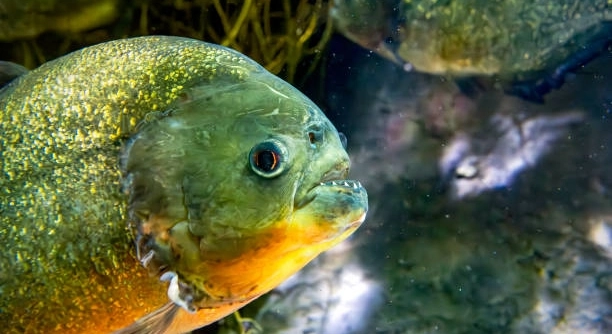
Piranhas are often seen as fierce fish, but they can form strong bonds within their groups. These connections help them survive and thrive in their natural habitats. Understanding their behavior reveals a more social side of these aquatic creatures.
Strong bonding among piranhas is shown through coordinated swimming, mutual grooming, shared hunting strategies, protective behavior, close physical proximity, synchronized movements, and communication signals. These signs indicate trust and cooperation within their groups.
Recognizing these bonding signs helps us appreciate piranhas beyond their reputation. Their social interactions offer valuable insights into their complex lives underwater.
Coordinated Swimming and Synchronized Movements
Piranhas often swim together in tight groups, moving in a coordinated way that looks almost like a dance. This behavior is more than just for show — it helps protect them from predators and increases their hunting success. When they swim side by side, they can confuse threats and strike as one unit. This level of synchronization takes practice and trust, showing a strong bond among the group members. You might notice them changing direction quickly, all at once, without bumping into each other. It’s a clear sign they are communicating silently through body language. This teamwork improves their chances of survival and keeps the group safe. Such precise coordination is rare among fish and highlights how social piranhas can be.
This synchronized swimming reflects their ability to work together smoothly. It’s a sign of deep connection and cooperation.
Seeing piranhas move as a group reveals how much they depend on one another. Their ability to stay close and react instantly shows a complex form of social bonding. This behavior helps maintain group stability and ensures their shared safety. It’s impressive to observe such unity in action, especially in animals often misunderstood as solitary or aggressive.
Mutual Grooming and Physical Proximity
Mutual grooming is common in piranhas and shows they care for one another. By cleaning each other, they remove parasites and strengthen their bonds. Staying close physically also helps them feel safe and connected. This closeness reduces stress and promotes trust in the group. You can often see them rubbing against each other gently or resting side by side. These behaviors help build loyalty and cooperation, which are important for survival.
Grooming and physical closeness are simple but powerful signs of bonding.
When piranhas groom each other, it goes beyond hygiene. It’s a way to communicate and express friendliness. Being physically near one another creates a sense of belonging and security. This kind of contact lowers tension and encourages peaceful coexistence within the group. Such behaviors prove that piranhas are social creatures that rely on emotional connections, not just instincts. Their ability to form bonds helps them face challenges together and maintain group harmony over time. These moments of closeness reveal a more gentle side of these fish, balancing their fierce image.
Shared Hunting Strategies
Piranhas work together when hunting, which is a strong sign of bonding. They communicate silently and attack in groups, increasing their chances of catching prey. This teamwork benefits every member and strengthens their social ties.
By coordinating their attacks, piranhas maximize food capture with less effort. Some lead the chase, while others block escape routes. This planned approach shows they understand roles within the group and trust each other to do their part. It also reduces injury risk since they don’t compete aggressively while hunting. Such cooperation is rare in fish and highlights their social intelligence. This behavior makes them efficient predators but also shows respect and care among the group.
This shared hunting is a clear example of how piranhas rely on cooperation to survive. Their group strategy creates a balance where every member benefits from the collective effort.
Protective Behavior
Piranhas often protect weaker or injured members of their group. This protective nature strengthens the bond and shows empathy within the group. They stay alert and close to those who need help.
This protection helps maintain the group’s stability. When one fish is vulnerable, others surround and guard it against threats. This behavior keeps the group strong and united, reducing the chance of losing members. Protective actions also create trust and reinforce loyalty, encouraging cooperation in tough situations. This side of piranhas reveals a caring social structure that goes beyond survival instincts, showing genuine concern for each other’s wellbeing.
Communication Signals
Piranhas use subtle body movements and sounds to communicate within the group. These signals help coordinate actions and maintain harmony. Recognizing these cues is a key sign of bonding.
Their ability to send and receive messages keeps the group organized. It prevents confusion during hunting or danger, showing trust and understanding.
Close Physical Proximity
Piranhas often stay close to each other, which builds a sense of security. This closeness reduces stress and strengthens their bond as a group.
Being near one another helps them react quickly to threats and work together better.
Group Stability Through Bonding
Strong bonds among piranhas create group stability. When members trust each other, the group functions more smoothly, improving survival chances. This stability is essential for thriving in their environment.
FAQ
What does coordinated swimming tell us about piranha bonding?
Coordinated swimming shows that piranhas trust and rely on each other. When they swim together smoothly, they are working as a team to protect themselves and catch food. This behavior means they have learned to communicate and move as one group, which is a clear sign of strong bonding.
How do piranhas communicate within their groups?
Piranhas use body language and subtle sounds to send messages. These signals help them organize during hunting or when they sense danger. Communication is important because it keeps the group safe and working well together.
Why is mutual grooming important among piranhas?
Mutual grooming helps remove parasites and keeps them healthy. It also shows they care about each other. Grooming builds trust and strengthens social bonds, making the group more united and less stressed.
Do piranhas really protect injured group members?
Yes, piranhas often stay close to weaker or injured fish. They guard and protect them from predators. This behavior shows empathy and strengthens the group’s loyalty and stability.
What role does physical closeness play in piranha bonding?
Physical closeness reduces stress and creates a sense of safety. Piranhas that stay near each other can react faster to threats and work better as a team. This helps maintain group harmony and trust.
How do shared hunting strategies benefit piranhas?
Working together while hunting increases their chances of catching prey with less risk. By assigning roles, like chasing or blocking, piranhas show cooperation and trust. This teamwork helps keep the group fed and healthy.
Can piranhas’ social bonds affect their survival?
Strong social bonds improve communication, protection, and cooperation. This makes the group more stable and better able to face dangers. Without these bonds, piranhas would struggle to survive in the wild.
Are all piranhas social and bonded?
Not all piranhas show strong bonding. Some species or individuals may be more solitary or aggressive. However, many piranhas form groups where bonding helps them live safer and more successful lives.
How can observing piranha bonding change our view of them?
Seeing their social behaviors reveals they are more than just fierce predators. Their bonds show intelligence, empathy, and cooperation. This helps us understand and respect them as complex animals.
What signs should I look for to identify bonding in piranhas?
Look for synchronized swimming, mutual grooming, shared hunting, protective actions, close proximity, and communication signals. These behaviors show they trust and care for each other, which means strong bonding.
Does bonding affect how piranhas interact with humans or other animals?
Bonding mainly influences their behavior within the group. They may be less aggressive when bonded but still cautious around others. Understanding their social nature can improve how we manage or care for them in captivity.
Can piranha bonding be observed in aquariums?
Yes, bonded piranhas often display coordinated swimming, grooming, and group resting in aquariums. These signs show they form relationships even in confined spaces, though their behavior may differ slightly from the wild.
What happens when a bonded piranha group is separated?
Separation can cause stress and confusion. The fish may become more aggressive or withdrawn without their group. This shows how important bonds are for their emotional well-being and survival.
Is bonding among piranhas unique compared to other fish?
While some fish show social behaviors, piranhas’ combination of coordinated hunting, grooming, and protection is quite advanced. Their strong bonds stand out and reveal their social complexity.
How does bonding influence piranha group size?
Strong bonds help maintain group size by keeping members together. Groups with good cooperation tend to stay stable, while weaker bonds can cause fish to leave or be excluded, affecting survival.
Strong bonds between piranhas show that these fish are more social and cooperative than many people think. Their group behaviors, like coordinated swimming and shared hunting, help them stay safe and catch food more efficiently. These actions depend on trust and communication within the group, which points to a deep connection among the members. When piranhas groom each other or stay physically close, they are not only helping keep clean but also building relationships that reduce stress and increase group harmony. This social side of piranhas is important for their survival in the wild.
Protective behavior is another key sign of bonding in piranhas. When a member of the group is weak or injured, others will stay near and guard it. This shows empathy and loyalty, qualities not often expected from fish known mostly for their sharp teeth and hunting skills. By protecting one another, the group stays stronger and more stable. These bonds help the piranhas face challenges together and reduce the risk of losing members to predators or illness. The care they show inside their groups points to a complex social structure that goes beyond simple survival instincts.
Understanding the signs of strong bonding in piranhas helps change the way we see them. Instead of viewing them only as aggressive hunters, we can appreciate their cooperation and communication. Their social behaviors reveal intelligence and emotional connections. These bonds play a vital role in how they live, hunt, and protect each other. Learning about this makes it easier to respect their place in the ecosystem and understand how important their relationships are. Strong bonding supports the group’s overall health and ability to survive in changing environments.

Hello,
If you enjoy the content that we create, please consider saying a "Thank You!" by leaving a tip.
Every little bit helps us continue crafting quality advice that supports the health, happiness, and well-being of pets around the world, for pets of all shapes, sizes, and species.
We really appreciate the kindness and support that you show us!