
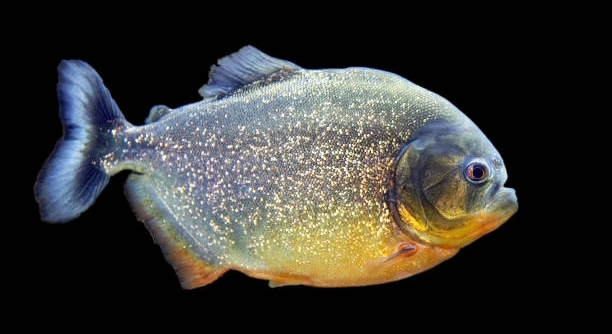
Is your piranha tank giving off an unpleasant smell even though you’ve been keeping up with regular maintenance and feeding routines?
The most common reason your piranha tank smells off is poor water quality. Accumulated waste, uneaten food, and irregular cleaning can lead to bacteria buildup and foul odors. Maintaining consistent filtration and water changes is essential.
Each of these seven reasons can affect your tank’s environment and your fish’s health, making it important to recognize and resolve them early.
Dirty or Infrequently Changed Water
A common reason for a smelly piranha tank is dirty water. Even with a strong filter, water can still collect waste over time. Piranhas are messy eaters and produce a significant amount of waste. If the water isn’t changed regularly, harmful substances like ammonia and nitrites build up. This leads to bad smells and can also stress your fish. Partial water changes every week are important to help control the odor and maintain stable water chemistry. Skipping or delaying them lets odors settle into the tank. It’s not just about how the water looks—smells develop even when the water appears clear.
Routine tank maintenance plays a big role in odor prevention. Skimming uneaten food and vacuuming the gravel each week are useful steps. These tasks remove decaying organic matter before it affects the water quality.
If your tank still smells after regular water changes, increase the frequency or volume of the changes. Cleaning the substrate thoroughly and inspecting hidden areas for waste buildup can also help. Pay attention to any food or debris stuck under decorations or plants. These hidden pockets often hold rotting material. Using a water testing kit helps track ammonia and nitrate levels. This lets you spot issues before they turn into larger problems and keeps your tank environment safe and fresh.
Uneaten Food Left to Rot
Leftover food decaying in the tank can cause a strong smell. Piranhas may not eat everything at once, and what’s left behind quickly breaks down.
Remove any uneaten food within a few minutes after feeding to reduce buildup. Feed your piranhas only what they’ll consume right away. Overfeeding leads to spoiled food that falls into the substrate or gets caught in tank décor. As it decomposes, it releases bad odors and contributes to poor water quality. Watch their eating habits closely, especially if they seem less active or leave food behind often. This can help you adjust the portion sizes. Consider spot-cleaning after feeding sessions. Even small pieces of uneaten meat can produce strong smells if left in the tank. Using feeding tongs or separate feeding dishes can also keep the mess contained and easier to remove. Proper feeding habits make a big difference in keeping your tank smelling clean and safe.
Overcrowded Tank
Too many fish in one tank can lead to faster waste buildup and stronger odors. Piranhas need space to swim and grow, and overcrowding adds unnecessary stress that affects their health and water quality.
An overcrowded tank puts more strain on your filtration system. With more fish, the bio-load increases, meaning more waste, more ammonia, and more food particles. Even a strong filter may not keep up with the constant buildup, leading to unpleasant smells. Overcrowding also reduces oxygen levels, which can cause bacteria to grow faster. This adds to the odor problem and affects your piranhas’ behavior and appetite. Keeping your tank appropriately stocked reduces these risks.
If you suspect overcrowding, consider rehoming some fish or upgrading to a larger tank. A 55-gallon tank is suitable for a small group of piranhas, but any more than that may cause issues. Always follow recommended guidelines for stocking levels. Keeping space between fish helps reduce aggression and allows your system to maintain better balance. Monitor tank parameters closely and watch for changes in smell or behavior. A properly sized tank makes maintenance easier and creates a healthier space for your piranhas to thrive without foul odors.
Poor Filtration
A weak or clogged filter allows waste to collect and break down in the tank. Without proper circulation, smells develop quickly, especially in tanks with meat-eating fish like piranhas.
Strong filtration is essential for keeping the water clean and fresh. Mechanical, chemical, and biological stages should all work together to remove debris, toxins, and odors. If your filter is undersized or overdue for maintenance, it may not function well. Clean filter media regularly but avoid over-cleaning biological components, as they house beneficial bacteria. Replacing activated carbon often can also help reduce smells. Choose a filter rated for more than your tank’s actual size.
If your filter seems to be struggling, inspect for clogs or buildup in the intake and outflow. Dirty tubing, full filter pads, and low water flow are signs it needs cleaning. Always rinse filter media in tank water—not tap water—to preserve helpful bacteria. Upgrade the system if it’s old or can’t keep up with the bioload. Consistent filtration not only helps manage smell but also supports stable water parameters.
Rotting Plants or Decorations
Live plants that start to decay can cause a noticeable smell. Wilting leaves break down in the water and release organic waste, adding to the odor. Trim dead plant parts regularly to keep things clean and fresh.
Decorations can also trap waste or food particles. If not cleaned often, they begin to smell. Remove and rinse decorations during water changes to prevent buildup. Check for hidden debris behind rocks or inside ornaments.
Dead or Sick Fish
A dead piranha in the tank can create a strong and unpleasant odor quickly. Sometimes, they hide when unwell, and you may not notice until the smell starts. Always account for all your fish and check hiding spots if something smells off. Dead fish begin to break down rapidly, especially in warmer water. If left too long, they can release harmful compounds that affect the rest of the tank. Sick fish may also produce more waste or eat less, which affects overall cleanliness. Remove any fish that die right away and monitor the others closely for signs of illness or stress.
Inadequate Tank Size
A tank that’s too small can’t support stable conditions. Waste builds up faster, and the filtration may not keep up, leading to bad smells. Upgrade to the right size for your piranhas to help reduce odor and stress.
Why does my piranha tank smell bad even after cleaning?
Sometimes, cleaning doesn’t fully eliminate odors if waste is trapped in hidden places. Uneaten food, dead plant matter, or fish waste can collect under gravel, behind decorations, or inside filter parts. A regular cleaning routine must include gravel vacuuming, thorough rinsing of decorations, and checking the filter for buildup. Water changes alone may not remove all sources of smell. Over time, bacteria colonies grow in areas where debris settles, producing odors even if the visible tank looks clean. Using a water testing kit can help identify if ammonia or nitrites remain high, which can also cause smells. Adjust your cleaning method to target these areas and maintain proper filtration for better results.
How often should I change water to prevent tank odor?
Water changes should happen weekly, replacing 20-30% of the tank water each time. This removes dissolved wastes and toxins that cause bad smells. In heavily stocked or smaller tanks, more frequent changes may be necessary. Avoid changing too much water at once, as it stresses fish. Consistency is key for stable water conditions. In between changes, use a gravel vacuum to remove settled debris. Also, monitor your filter condition to ensure it’s effectively removing waste. Keeping a schedule and sticking to it reduces buildup that creates odors and keeps the tank environment healthier.
Can overfeeding cause a bad smell in my tank?
Yes, overfeeding is a major cause of odor problems. Excess food that isn’t eaten decomposes in the tank, releasing harmful gases and feeding bacteria that produce foul smells. Piranhas require a balanced diet, but feeding more than they consume leads to waste accumulation. It’s best to offer small portions that they finish within minutes. Remove any leftover food promptly. Overfeeding also raises ammonia and nitrate levels, which stress fish and worsen tank odor. Adjust feeding amounts based on how much your piranhas eat, and avoid free-feeding to maintain water quality and reduce smells.
What type of filter works best for a piranha tank?
A powerful canister or hang-on-back filter with mechanical, chemical, and biological filtration stages is ideal. Mechanical filtration removes debris, chemical filtration with activated carbon reduces odors and impurities, and biological filtration supports beneficial bacteria that break down waste. Filters rated for at least twice your tank’s volume per hour ensure good water turnover. Regular maintenance of filter media is important to prevent clogs and preserve bacteria colonies. Using a combination of media types improves water clarity and reduces smell more effectively than single-stage filters.
Can live plants help reduce tank odors?
Live plants can improve water quality by absorbing nitrates and producing oxygen, which supports beneficial bacteria. However, decaying plants release organic waste that contributes to odors if not maintained. Choose hardy species suited for your tank conditions and remove dead leaves promptly. Healthy plants can stabilize the environment and may reduce smells indirectly by improving water chemistry. Avoid overstocking the tank with plants, as this can lead to debris buildup. Regular trimming and cleaning around plants help keep the tank balanced and smelling fresh.
What should I do if a fish dies in my tank?
Remove dead fish immediately to prevent rapid decay and worsening odors. Dead fish release ammonia and other harmful substances as they break down, which can affect water quality and harm remaining fish. Check for signs of illness or stress in your other piranhas, as disease can spread quickly. Perform a partial water change and test water parameters after removal. Clean the tank area where the fish was found, including substrate and decorations nearby. Regular monitoring reduces the risk of unnoticed deaths causing bad smells.
How can I tell if my tank is overcrowded?
Overcrowding signs include increased water cloudiness, frequent fish aggression, and persistent odors despite cleaning. Piranhas need at least 20 gallons per fish due to their size and waste production. If you notice excess waste buildup or stressed behavior, your tank is likely overstocked. Crowding strains filtration and leads to poor water quality, which causes smell problems. Reducing the number of fish or moving to a larger tank helps maintain a healthier environment. Always follow stocking guidelines to prevent overcrowding and the issues it brings.
Is tank size the main factor in controlling smell?
Tank size plays a crucial role in maintaining water quality and controlling odors. Larger tanks dilute waste more effectively, giving filtration systems a better chance to keep water clean. Small tanks accumulate waste quickly, making odors harder to manage. For piranhas, tanks smaller than 55 gallons can become smelly and unhealthy fast unless meticulously maintained. Investing in an appropriately sized tank reduces cleaning frequency and supports a stable environment. Adequate space also lowers fish stress, which contributes to overall health and water quality.
Can water temperature affect tank odor?
Higher water temperatures speed up the breakdown of organic waste, causing stronger odors. Warm water also encourages bacterial growth, which can intensify smells. Piranhas prefer temperatures around 75-80°F, but temperatures above this range increase the rate of decomposition and waste buildup. Maintaining a stable temperature within the recommended range helps control odor and keeps your fish comfortable. Use a reliable heater and thermometer to monitor water temperature consistently. Avoid sudden changes that stress fish and promote unhealthy bacterial blooms.
How do I know if my filter needs cleaning or replacement?
Signs your filter needs attention include reduced water flow, cloudy water, and persistent tank odor. If filter media is clogged with debris, it can’t process waste effectively. Check the intake tube and media monthly and rinse components in tank water to preserve beneficial bacteria. Replace filter pads and carbon regularly as per manufacturer guidelines. If the filter is old, noisy, or shows signs of wear, consider replacing it to maintain proper function. A well-maintained filter is essential for odor control and overall tank health.
Keeping a piranha tank clean and free of bad smells requires consistent care and attention. Several factors can contribute to unpleasant odors, including leftover food, decaying plants, dead fish, and inadequate filtration. Each of these issues affects water quality and the overall environment in the tank. Addressing them with proper maintenance helps maintain a healthier habitat for your fish. Regular cleaning, proper feeding, and monitoring water parameters are key practices that reduce odors and support your piranhas’ wellbeing.
It is important to maintain a cleaning routine that goes beyond surface cleaning. Vacuuming the substrate, rinsing decorations, and checking the filter regularly help remove hidden waste that can cause smells. Overfeeding often leads to leftover food that decomposes and pollutes the water. Feeding your piranhas the right amount and promptly removing uneaten food limits this problem. A strong and well-maintained filtration system also plays a major role in controlling odors by removing waste and toxins efficiently. Choosing the correct tank size ensures better stability and reduces the buildup of waste, which prevents many odor issues.
Finally, paying attention to the condition of the fish and the plants inside the tank is important. Dead or sick fish need to be removed immediately to avoid worsening water quality and bad smells. Live plants can improve water chemistry but should be trimmed regularly to prevent decay. Maintaining stable water temperature and avoiding overcrowding also contribute to a clean and odor-free tank. A piranha tank may require some effort to keep fresh, but following these steps creates a better environment for your fish and reduces unpleasant smells effectively.

Hello,
If you enjoy the content that we create, please consider saying a "Thank You!" by leaving a tip.
Every little bit helps us continue crafting quality advice that supports the health, happiness, and well-being of pets around the world, for pets of all shapes, sizes, and species.
We really appreciate the kindness and support that you show us!