
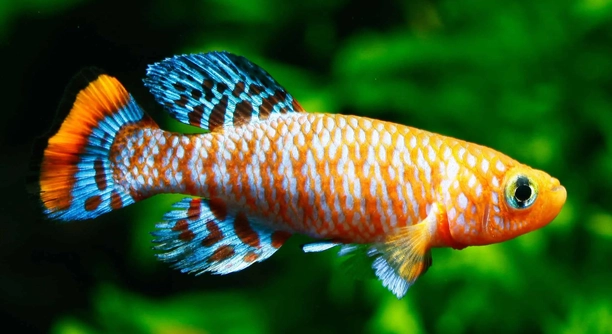
Killi fry are small but delicate fish that require proper care to grow healthily. Watching them thrive can be rewarding for any aquarium enthusiast. Recognizing the signs of good growth helps ensure their well-being and longevity.
Healthy killi fry display steady growth, vibrant coloration, and active swimming behavior. Consistent feeding, clean water conditions, and minimal stress contribute to their development. Monitoring these factors is essential for successful rearing and maintaining a balanced aquatic environment.
Knowing these key signs will help you support your killi fry’s development effectively. The following details highlight what to observe for their best growth outcomes.
Steady Growth and Size Increase
Killi fry grow quickly when given the right conditions. From the first few days, you should see them getting bigger. Regular feeding with suitable foods like infusoria or newly hatched brine shrimp helps them develop properly. Keeping the water clean and stable is just as important to avoid stress and disease. Growth may slow if water quality drops or food is insufficient. Watching their size increase over time is a clear sign they are healthy and thriving. Consistent growth means their environment supports their needs and they are not struggling to survive. Observing this steady change helps you know if adjustments are needed in care or feeding schedules. Growth patterns also give clues about their future health and readiness for later stages of development. Proper tank setup with gentle filtration and regular water changes supports their natural growth process well. Ensuring they have enough space to swim freely promotes better muscle development and overall health.
Steady growth shows that your killi fry are adapting well to their habitat. It is a good indicator of proper care and feeding.
Monitoring size increase regularly allows you to catch early signs of problems. Adjusting feeding amounts or water quality can prevent stunted growth or illness in your fry.
Active Swimming Behavior
Active swimming is a key sign that killi fry are healthy. When fry move around the tank confidently, it means they have good energy and strength. This behavior shows they are comfortable with their surroundings and not stressed by poor water quality or overcrowding. Active fry are more likely to feed properly and avoid illness. Their movements should be smooth and natural, not erratic or sluggish. If fry hide or remain motionless often, this may signal health issues or poor tank conditions. Providing a balanced diet and maintaining optimal water parameters encourage this healthy activity. Proper light levels and a calm environment without sudden disturbances also help fry stay active. Observing their behavior daily allows you to notice changes early, making it easier to keep them healthy.
Regular observation of swimming habits is essential for maintaining fry health.
Active swimming indicates strong development and good tank conditions. Fry with energy are better prepared for growth and survival.
Making sure the tank setup supports natural behaviors promotes healthier and more vigorous fry over time. Keeping the environment stable allows them to explore and exercise properly. This activity improves muscle tone and prepares them for future challenges in their growth stages. Monitoring changes helps catch stress or illness before it becomes serious. Adjusting feeding or water parameters can often restore normal activity quickly. When fry swim actively, it shows you are providing the right care for their needs. This behavior is a reliable measure of their overall condition and progress. Supporting their natural instincts through proper care will help them reach maturity successfully. Regular water changes, gentle filtration, and appropriate feeding all contribute to a lively and thriving group of killi fry.
Vibrant Coloration
Healthy killi fry begin showing their colors as they grow. Bright, clear hues mean they are well-nourished and unstressed. Dull or faded colors can indicate illness or poor water conditions.
Vibrant coloration results from a balanced diet rich in nutrients and a clean environment. Foods like live or frozen micro-worms and brine shrimp support natural pigment development. If colors appear dull, it often points to stress, insufficient nutrition, or poor water quality. Regular water changes and feeding a varied diet are essential to maintain bright colors. Stress from overcrowding or sudden changes can also cause colors to fade temporarily, so stable conditions help keep fry looking their best.
Healthy color development shows your fry are adapting well. Their colors reflect overall well-being and environmental stability, helping you track their progress over time.
Responsive Feeding Behavior
Killi fry that respond eagerly to feeding show they are healthy and comfortable. Quick reactions indicate strong energy levels and good appetite.
A good feeding response suggests that fry are receiving the right type and amount of food. They should actively swim toward offered food and consume it quickly. Fry that ignore food or appear lethargic might be stressed or ill. Feeding frequency and food size should match their growth stage to prevent overfeeding or malnutrition. Observing feeding behavior daily helps you adjust care and keep fry on track. Consistent feeding habits encourage better growth and reduce the risk of health problems, making it easier to support their development effectively.
Clear Eyes and Healthy Fins
Clear eyes are a sign of good health in killi fry. Cloudy or swollen eyes may indicate infection or poor water quality.
Healthy fins should be intact and free from tears or discoloration. Damaged fins can be a sign of stress, injury, or disease.
Consistent Breathing Pattern
Killi fry with steady and regular breathing show they are comfortable in their environment. Rapid or labored breathing can signal stress or low oxygen levels. Proper aeration and clean water help maintain a healthy breathing rate. Monitoring this aspect helps prevent serious health issues before they develop.
Social Interaction and Grouping
Killi fry tend to swim in small groups and interact calmly with one another. Healthy fry show gentle social behavior without excessive aggression or isolation. Observing these patterns helps ensure the group is balanced and stress-free, supporting overall growth and survival.
FAQ
How often should I feed killi fry?
Feeding killi fry two to three times a day is ideal. Small, frequent meals help them grow steadily without overfeeding. Use finely crushed or live foods like infusoria, microworms, or newly hatched brine shrimp. Avoid leaving excess food in the tank to keep water quality high.
What water parameters are best for killi fry?
Maintain a temperature between 72°F and 78°F (22°C to 26°C) with a pH around 6.0 to 7.5. Soft to moderately hard water works best. Consistent water quality with low ammonia and nitrites is critical. Regular water changes help keep the environment stable and healthy.
Why are my killi fry not growing?
Poor growth usually relates to insufficient feeding, poor water quality, or overcrowding. Make sure fry get enough nutritious food and that water parameters are within the right range. Overcrowding causes stress and competition, which can stunt growth.
Can killi fry survive without live food?
Live food is best for young fry as it encourages natural hunting behavior and provides essential nutrients. Some high-quality powdered or frozen foods can be used but may not support optimal growth as well as live options.
How do I prevent disease in killi fry?
Good hygiene and stable water conditions are key. Avoid sudden water changes and overcrowding. Quarantine new fish or plants before adding them to the tank. Regularly monitor fry behavior and appearance to catch early signs of illness.
When can I start feeding adult fish food?
Transition to finely crushed adult flakes or pellets once fry reach about one inch in size and show slower growth rates. Gradually introduce adult food while still providing live or frozen foods to ensure balanced nutrition.
How important is tank size for fry growth?
A larger tank offers more space, better water quality, and less stress. Overcrowding limits growth and can increase disease risk. Aim for at least 10 gallons for a small group of killi fry and increase size as they grow.
What signs indicate that killi fry are stressed?
Signs include sluggish movement, hiding excessively, faded coloration, or irregular breathing. Stress often results from poor water quality, overcrowding, or sudden environmental changes. Addressing these issues quickly helps fry recover and thrive.
How long does it take for killi fry to mature?
Most killi fry mature in about 8 to 12 weeks, depending on species and care. Providing ideal food and conditions can speed growth, while poor conditions slow development. Regular monitoring helps ensure they are progressing well.
Is it necessary to separate killi fry from adult fish?
Yes, adult fish may eat fry. Separating fry into their own tank or using a breeding box protects them during vulnerable early stages. This also reduces stress and allows better control over feeding and water conditions.
Final Thoughts
Raising killi fry successfully depends on careful attention to their needs and environment. Watching for clear signs like steady growth, vibrant colors, and active swimming helps you know if they are healthy. These signs show that the fry are adapting well to their surroundings and getting the care they require. Maintaining clean water and providing proper food are the foundations for their development. Even small changes in water quality or feeding routines can affect their growth and well-being, so consistency matters.
It is important to observe your fry regularly and respond quickly if you notice any problems. Signs like sluggish swimming, faded colors, or unusual breathing patterns often point to stress or illness. Addressing these issues early by checking water conditions and adjusting feeding can prevent more serious problems. Good tank management, including regular water changes and avoiding overcrowding, creates a safer and more comfortable space for your fry to grow. When the environment is stable, killi fry have a better chance to reach maturity without setbacks.
Patience and dedication are key when raising killi fry. Their early stages can be delicate, and not every fry will grow perfectly. However, by following the important signs and providing a stable, well-maintained environment, you improve their chances greatly. Taking the time to learn about their behavior and needs supports long-term success. With steady care, you will be able to enjoy watching your killi fry grow into healthy adult fish. This process is rewarding and encourages a deeper understanding of how to maintain a balanced aquarium.

Hello,
If you enjoy the content that we create, please consider saying a "Thank You!" by leaving a tip.
Every little bit helps us continue crafting quality advice that supports the health, happiness, and well-being of pets around the world, for pets of all shapes, sizes, and species.
We really appreciate the kindness and support that you show us!