
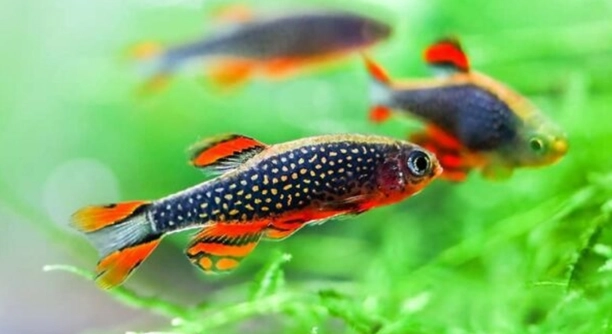
Are your danios acting a little different after a recent water change, and you want to understand what their behavior means in a simple and calm way as they settle back into their tank environment.
Danios display noticeable adjustment signs after a water change through changes in activity, appetite, coloration, and schooling patterns. These behaviors indicate their internal regulation process as they adapt to altered temperature, oxygen availability, and general water parameters within their environment.
These early behaviors help you understand how your danios react to shifting conditions, guiding you toward long term tank stability.
Increased Activity Levels
Danios often show increased activity when adjusting to a water change, and this shift can be one of the first things you notice. Their quick movements reflect their natural drive to understand the conditions around them, including minor shifts in temperature, flow, or oxygen levels. As they swim throughout the tank, they are checking every corner for comfort, safety, and familiar cues. This behavior usually settles as their bodies adapt to the updated environment, allowing their internal systems to stabilize. Watching them move with such purpose helps you understand how strongly they react to even gentle changes in their space. It can also help you recognize patterns that show when they are calming down and returning to their regular pace. In many cases, this active phase is short, fading as they grow comfortable again. You can support them by keeping distractions low, maintaining consistent lighting. This helps them settle calmly.
As their movement slows, you can observe them returning to gentle swimming patterns that signal growing comfort. This shift often appears gradually, giving you a clear view of how they respond to improved stability within the tank after experiencing the fresh conditions introduced during the water change earlier this week.
Monitoring increased activity helps you understand how your danios react to even small adjustments and gives you practical insight into their overall stability. Their movements offer clues about stress, comfort, and recovery, allowing you to respond with small supportive actions when needed. Simple habits like watching their schooling patterns, noting changes in appetite, and observing how long they remain active after a water change can guide your routine care. These details help you understand what is normal for your fish and what signals may need attention. Staying aware in this gentle way strengthens your connection to their daily needs today.
Subtle Color Changes
Color changes can appear quickly after a water shift, giving you an early sign that your danios are adjusting internally. Their shades may brighten or dull slightly as their bodies respond to different oxygen levels, temperature variations, or minor parameter fluctuations following the updated conditions introduced during the change process.
Subtle color changes often appear as your danios balance their internal systems after a water change, these shifts can help you understand how they are coping with updated conditions. Their bodies respond quickly to changes in dissolved oxygen, temperature, flow, general chemical balance, and these reactions become visible through soft fluctuations in their natural shades. Slight paleness may show temporary stress, while brighter tones can indicate increased oxygen uptake, energy. By watching these gentle variations, you gain useful insight into their immediate health without needing complicated tools. Regular observation allows you to notice when colors begin returning to their usual intensity, which often happens as their internal regulation stabilizes. This helps you identify whether your tank setup supports their needs effectively after each maintenance session. When color changes last longer than expected, it may signal that factors like temperature shifts, pH differences, or leftover debris require attention. Adjusting these elements can guide your fish back to comfort. Supporting them with steady lighting, low noise, and minimal disturbance helps reduce unnecessary stress as they adapt. Over time, recognizing these subtle color patterns strengthens your understanding of your danios and helps create a calmer, more balanced aquatic space for their daily life.
Changes in Schooling Behavior
Danios often shift their schooling patterns after a water change, spreading out more than usual as they analyze the updated conditions. This brief separation reflects their natural caution while they check temperature, flow, and overall comfort within their refreshed environment.
When danios adjust their schooling behavior, the change usually appears right away. They may swim in smaller groups, pause more often, or explore opposite sides of the tank before returning to their familiar formation. These movements help them understand the new balance in the water, giving their bodies time to regulate oxygen levels and temperature. As they slowly regroup, their movements become more synchronized again, showing increasing comfort. Paying attention to this pattern helps you recognize when they are settling back into normal behavior, especially if the shifts are mild and steady.
Some danios may take a bit longer to return to their usual grouping rhythm, especially if the water change involved a noticeable temperature difference or stronger current. Their temporary separation can last several minutes to a couple of hours, depending on how quickly their internal systems stabilize. Gentle conditions, stable lighting, and minimal disturbances help them reestablish their natural schooling flow. Observing these moments provides useful insight into their adjustment process and helps you maintain a stable environment that supports their comfort after each maintenance session.
Altered Appetite
A brief change in appetite is another common sign that your danios are adapting to updated water conditions. They may hesitate during feeding or take smaller bites as their bodies stabilize, often returning to normal eating patterns once they feel fully comfortable again.
Reduced appetite can appear soon after the water refresh, especially if the temperature or oxygen level shifts even slightly. Their digestive processes respond quickly to environmental changes, so taking a moment to observe their interest in food helps you understand how the adjustment is progressing. Offering smaller portions during this phase supports them without overwhelming their system. As their comfort increases, their feeding behavior becomes more consistent. Paying attention to these small details helps you keep their routine steady and encourages a calming atmosphere during this short readjustment period.
Rapid Gill Movement
Rapid gill movement can appear shortly after a water change as your danios respond to shifts in oxygen or temperature. This quick breathing pattern often fades as their internal balance improves. Watching this behavior helps you understand how strongly they react to fresh conditions inside their tank each and still.
As their breathing slows, your danios show clearer signs of settling into the refreshed water. Their movements become smoother while their gill motion shifts back to its usual pace. Observing this transition helps you recognize when their bodies have adapted and regained comfort after the changes introduced during the maintenance.
Temporary Hiding
Temporary hiding is another behavior that appears as danios adjust to a water change. They may slip behind plants or decorations to steady themselves while processing updated conditions. This brief withdrawal helps them reduce stimulation and settle their internal balance. As the environment stabilizes, they begin moving outward again with calm, steady motions. Their return to open swimming often signals improved comfort, showing that the temperature and oxygen levels feel manageable once more. Paying attention to these small shifts offers helpful insight into how well your danios are coping with each maintenance session and how quickly they feel safe again.
Exploring New Areas
Exploring new areas of the tank is common as your danios confirm the safety of their refreshed environment. They move through different levels, checking flow and comfort before settling back into familiar paths. This exploration shows growing stability as their bodies adjust to the conditions introduced during the water change.
Why do danios react strongly after a water change?
Danios respond quickly to shifts in water conditions because their bodies adjust to oxygen, temperature, and chemical balance in real time. Even small changes can influence their comfort, so behaviors like fast swimming, brief hiding, or rapid gill movement appear as they regulate themselves. These reactions are natural and usually settle once the water reaches full stability. Since danios are sensitive to their surroundings, their adjustment phase helps you understand how well the tank supports their needs. Watching these signs gives you a clear picture of their comfort level and helps you maintain a stable setup that reduces unnecessary stress.
How long does it take danios to adjust after a water change?
Most danios settle within a few hours, although the exact timing depends on how different the fresh water is from the old water. If the temperature, pH, and hardness stay close to their usual levels, the adjustment period is short. When the differences are more noticeable, their behaviors may last a little longer while their bodies reach balance again. Each tank is unique, so paying attention to their movement, appetite, and schooling patterns helps you understand the timeline more clearly. Steady routines often help them adjust faster.
Is it normal for danios to hide after a water change?
Yes, hiding is very common. Danios may slip behind plants or decorations as they steady themselves. This behavior helps reduce stimulation while they adapt to updated conditions. When they feel comfortable again, they return to open swimming and resume their usual pacing. If hiding continues for too long, it can suggest that something in the water still feels off. Checking temperature, flow, and oxygen levels helps you confirm whether the tank is fully stable.
Why does my danio breathe faster after I change the water?
Rapid breathing often appears when the oxygen level changes or when temperature shifts slightly. Their gills work harder until their bodies adjust, which usually happens quickly. Once the environment feels steady, their breathing slows to normal. If rapid gill movement continues for an extended period, it can signal that oxygen levels need attention or that the temperature difference was larger than expected. Small adjustments usually fix the issue without difficulty.
Should I feed danios right after a water change?
It is better to wait a little before feeding. Danios sometimes show reduced appetite during the early adjustment phase, and offering food too quickly can overwhelm them. Giving them a short period to settle helps them approach their meal with more comfort. When they begin showing interest again, feeding small portions encourages them back into their routine.
How can I make water changes less stressful for danios?
Using water that matches the tank temperature, treating it to remove harmful substances, and pouring it gently can help. Sudden shifts in flow or temperature cause the strongest reactions, so keeping the process soft and consistent makes a noticeable difference. Maintaining stable lighting and minimizing noise also helps them settle.
What signs show that my danios are fully comfortable again?
Normal schooling patterns, steady movement, clear coloration, healthy appetite, and calm breathing all indicate that their bodies have adjusted. When these behaviors return, it means the environment feels safe and balanced for them again. Watching for these signs helps you understand their comfort and supports a steady routine that keeps them healthy.
Final Thoughts
Caring for danios after a water change becomes much easier once you understand how their behavior reflects their comfort. These small signs help you pay attention to their needs without feeling overwhelmed. Their reactions are not random. They show you how well their bodies are adjusting to shifts in temperature, oxygen levels, and overall water balance. When you watch their schooling patterns, appetite, breathing, and movement, you gain a clearer view of what feels normal for them. This awareness makes your routine feel steadier because you can see when things drift from their usual rhythm. Taking a calm, patient approach allows you to support them while keeping your tank care simple. Over time, these repeated observations help you build confidence in reading their signals. You start to recognize when behavior changes are mild and temporary or when they require a closer look at the tank setup. With each maintenance session, you learn how much these fish rely on steady conditions to feel secure in their space.
Understanding these signs also helps you keep their environment consistent in the long term. Every water change introduces new conditions into the tank, even when the differences feel small to you. Danios notice them right away, and they express their adjustment through clear behaviors. Activity shifts, temporary hiding, or changes in coloration tell you what their body is doing internally. Responding to these signals becomes easier when you rely on simple habits like matching temperatures, using gentle pouring methods, and giving them space afterward. These steps keep the adjustment period smoother and reduce unnecessary stress. This process does not require complicated tools or advanced techniques. It only needs steady attention and small supportive choices that help the tank stabilize. When you focus on these basic habits, you encourage a comfortable environment that lets your danios return to their natural pace shortly after the change. This consistency becomes one of the most valuable parts of keeping them healthy.
With time, the adjustment signs become familiar, allowing you to understand your danios with a calm sense of clarity. You begin to trust your observations and make decisions that support their needs naturally. Watching them explore, regroup, brighten in color, or settle into slower breathing helps you understand how they navigate their refreshed environment. These quiet reactions guide your approach to each maintenance session and show you how effective your care has been. Building this kind of awareness strengthens the stability of your tank and supports your fish in a gentle, reliable way. Each behavior provides information that leads you toward better balance, allowing your danios to thrive with fewer disruptions. Over time, these steady routines create a calm and predictable habitat that keeps them at ease after every water change.

Hello,
If you enjoy the content that we create, please consider saying a "Thank You!" by leaving a tip.
Every little bit helps us continue crafting quality advice that supports the health, happiness, and well-being of pets around the world, for pets of all shapes, sizes, and species.
We really appreciate the kindness and support that you show us!