
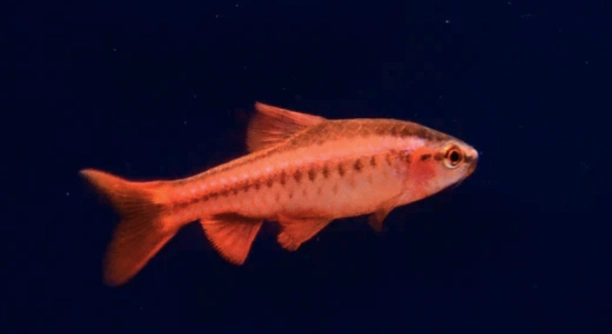
Cherry Barbs are fascinating little fish known for their playful personalities and vibrant colors. When these fish are ready to mate, they will display distinct behaviors that make it easier to identify. Understanding these signs can help you create the perfect environment for breeding.
Cherry Barbs exhibit a few key signs when they are ready to mate. These include increased activity, males developing brighter colors, and females appearing rounder due to egg development. Their behaviors become more social and focused on courting.
Knowing these signs will help you understand when to provide optimal conditions for mating. By recognizing these changes early, you can ensure that your Cherry Barbs have the best chance of breeding successfully.
Increased Activity Levels
When Cherry Barbs are ready to mate, you will notice a significant increase in their activity levels. They become more energetic, swimming around the tank with purpose. Males, in particular, will dart around in search of potential mates, showing off their vibrant colors to catch the females’ attention. They may chase each other around the tank, often in an attempt to establish dominance. This heightened energy is a clear sign that they are in the mood to breed. It’s important to ensure that the tank is large enough for them to move freely and comfortably during this time.
While the males are often the most active, females will also start moving more. This movement may be more deliberate, signaling readiness to mate. Keep an eye on their behavior for any noticeable changes, as this is one of the first signs that breeding may be near.
Increasing water quality during this time can also encourage them to mate. Healthy water conditions ensure the fish feel safe and comfortable enough to engage in breeding rituals.
Male Coloration Changes
As the males get ready to mate, their colors become much more vibrant. This is a sign of their readiness to attract a female. The brighter the colors, the more likely they are to be trying to impress. This intense coloration is natural and not a cause for concern. The males often turn a deeper red or orange hue, which helps them stand out. These vivid colors are not just for show; they play a role in ensuring that a female notices them.
Color changes are typically most noticeable in males and are a key signal that mating is about to take place. The brighter and more saturated their hues, the more likely they are eager to reproduce. Keep an eye out for this physical change in your Cherry Barbs.
Males also tend to display more territorial behaviors when their colors become brighter. They might be more aggressive toward other males, establishing their dominance and ensuring they have the best chances with the females.
Female Appearance Changes
When Cherry Barbs are ready to mate, females will start to look rounder. This is a result of the eggs developing inside their bodies. As they grow larger with eggs, their bellies may become noticeably fuller, which is a clear sign that they are preparing to spawn.
During this time, females tend to be less active than the males, but their size change is a clear indicator of readiness. Keep an eye on the females’ shape, as a rounder belly signals that mating is imminent. They will often swim slowly, showing no signs of aggression but clearly ready for courtship.
Once the female is ready to spawn, she will seek out the male that has caught her attention. If the male is persistent, the female may finally approach him, signaling that they are ready to begin the breeding process.
Courtship Behavior
As the Cherry Barbs prepare to mate, the courtship behaviors become more evident. The male will swim closely behind the female, following her and sometimes nudging her gently. This behavior shows his interest and attempts to convince her to spawn.
The courtship is often accompanied by the male displaying his vibrant colors, flashing his red and orange hues to attract the female’s attention. The male may also engage in rapid movements, darting back and forth, signaling his eagerness to mate. If the female is receptive, she will swim in a more relaxed manner, signaling that she is ready.
The male may chase the female around the tank to continue his courtship. If the female is ready, she will allow him to lead her to a suitable spawning site, usually where the plants provide enough cover and space for the eggs to be laid.
Increased Swimming Patterns
Cherry Barbs preparing to mate will also show increased swimming patterns. Males, especially, will dart around the tank more frequently, displaying their energy and trying to grab the attention of the females. This sudden burst in activity can be a sign that mating is close.
Females, although slower, will start moving more in response to the male’s behavior. Their swimming becomes more deliberate, as they are assessing the male’s interest and readiness. This behavior typically increases as the fish become more comfortable in their mating environment.
Ready Spawning Sites
Cherry Barbs need specific spots to spawn, often near plants or decorations in the tank. They prefer areas that are secure and offer protection, where the eggs can stay hidden from other fish. The presence of these spots indicates they are ready to reproduce.
Both males and females will interact with the selected area, with the male nudging the female toward a suitable spot. This interaction helps them ensure the eggs will be safely laid in an ideal location, and it also shows that they are preparing for the next phase of mating.
Changes in Tank Behavior
As mating nears, Cherry Barbs may exhibit changes in tank behavior, such as increased aggression among males. They may chase each other around to establish dominance, often resulting in territorial displays. These actions ensure that only the strongest males will have the opportunity to mate.
Additionally, the increased activity of both males and females can lead to minor disruptions in the tank’s ecosystem. During this time, it’s important to avoid disturbing the fish. Keeping the water clean and the environment calm helps them feel secure enough to proceed with mating.
FAQ
How do I know when my Cherry Barbs are ready to mate?
Cherry Barbs are ready to mate when you notice a combination of increased activity, brighter colors in males, and rounder bellies in females. The males will also begin swimming more energetically, chasing each other and the females, while the females become fuller as their eggs develop. These physical and behavioral changes are clear indicators that mating is near.
What should I do to prepare the tank for mating?
To prepare the tank, focus on maintaining optimal water quality. Clean, stable water conditions are essential for the breeding process. Add plants or decorations to provide hiding spots for the eggs, as Cherry Barbs prefer secure locations to lay them. Ensure the water temperature is around 74-80°F (23-27°C), as this will encourage breeding behavior.
How long does it take for Cherry Barbs to mate?
The mating process itself is usually quite short, often lasting just a few hours. After the courtship, the female will release her eggs, and the male will fertilize them. Once fertilization occurs, the eggs will hatch in about 2-3 days, depending on the water temperature.
Can I breed Cherry Barbs in a community tank?
Breeding Cherry Barbs in a community tank can be more challenging, as other fish may eat the eggs or fry. If you have a peaceful tank with no aggressive species, the Cherry Barbs might successfully breed. However, it’s often recommended to set up a separate breeding tank to ensure better survival rates for the eggs and fry.
How often do Cherry Barbs breed?
Cherry Barbs can breed multiple times a year, as long as the conditions are right. With proper water quality and temperature, they can breed every few weeks. However, it’s essential to allow the female to rest in between breeding cycles, as continuous breeding without rest can stress the fish and affect their health.
What happens after the eggs are laid?
After the eggs are laid, they will be fertilized by the male. The fertilized eggs will then attach to plants or other surfaces in the tank. The parents may not protect the eggs, so it’s important to ensure the tank is safe from other fish that may eat them. In 2-3 days, the eggs will hatch into small fry.
How do I care for Cherry Barb fry?
Once the eggs hatch, the fry are very small and delicate. Provide them with fine food such as infusoria or newly hatched brine shrimp. Ensure the tank is well-maintained, with stable water parameters to help the fry grow. It’s a good idea to keep the fry in a separate tank to protect them from adults and other tank mates.
What is the best water temperature for Cherry Barb breeding?
The ideal water temperature for breeding Cherry Barbs is between 74-80°F (23-27°C). This range mimics their natural breeding environment and encourages the fish to spawn. Make sure the temperature remains stable to avoid stressing the fish.
Can Cherry Barbs breed with other species?
Cherry Barbs cannot breed with other species, as they have a specific set of mating behaviors and genetic makeup. Crossbreeding with other types of barbs is not possible. If you’re looking for a specific type of offspring, it’s essential to only keep Cherry Barbs together.
How can I tell if my Cherry Barbs are healthy before breeding?
Healthy Cherry Barbs will have vibrant colors, clear eyes, and no signs of disease. Ensure they are eating well, swimming actively, and showing no signs of distress before attempting to breed them. Providing them with a varied diet will also improve their overall health and readiness for mating.
What do I do if my Cherry Barbs aren’t mating?
If your Cherry Barbs aren’t mating, check the water conditions. Inadequate temperature, poor water quality, or an overcrowded tank can all prevent mating. Try increasing the water temperature slightly, ensuring it is within the ideal range for breeding. Additionally, offer a variety of foods and ensure there are enough hiding spots for the eggs.
Should I remove the parents after they spawn?
It is generally a good idea to remove the parents after they have spawned, especially if you’re concerned about the eggs being eaten. Cherry Barbs are not protective of their eggs, and other fish in the tank may eat the fry. Moving the parents to a separate tank can help ensure that the eggs hatch successfully and the fry survive.
What types of plants should I have for breeding?
Plants that provide cover and hiding spots are ideal for breeding Cherry Barbs. Fine-leaved plants like Java Moss or Anubias are great for giving the eggs a safe place to attach. These plants also offer shelter for the fry once they hatch, reducing the risk of predation by adult fish.
Can I use artificial breeding caves?
While Cherry Barbs prefer natural hiding spots, artificial breeding caves or spawning mats can also work well. These provide a safe area for the eggs to settle, and the fry can use them for shelter once they hatch. Ensure the artificial structures are safe, without sharp edges or small spaces where the fry might get stuck.
Final Thoughts
Breeding Cherry Barbs can be a rewarding experience for aquarium enthusiasts, but it requires careful attention to detail. Understanding the signs that your Cherry Barbs are ready to mate—like increased activity, changes in coloration, and a rounder belly in females—will help you create the right environment for them. Once you see these signs, it’s important to provide optimal water conditions, as this will encourage the breeding process. Clean water, a stable temperature, and the right hiding spots for the eggs are crucial to the success of breeding.
Even though Cherry Barbs are relatively easy to care for, there are some challenges in breeding them in a community tank. Other fish may eat the eggs or fry, which can make the breeding process more difficult. This is why setting up a separate breeding tank can help protect the eggs and ensure a higher survival rate for the fry. If you’re not able to set up a separate tank, adding plenty of plants and hiding spots may give the eggs a better chance of surviving in a community tank.
Overall, Cherry Barbs are beautiful and active fish that can be enjoyable to watch as they court and spawn. By recognizing the signs of readiness, maintaining a healthy tank, and providing the right conditions, you can help ensure a successful breeding experience. With patience and care, you’ll not only enjoy seeing new Cherry Barb fry grow but also contribute to the health and well-being of your fish.

Hello,
If you enjoy the content that we create, please consider saying a "Thank You!" by leaving a tip.
Every little bit helps us continue crafting quality advice that supports the health, happiness, and well-being of pets around the world, for pets of all shapes, sizes, and species.
We really appreciate the kindness and support that you show us!