
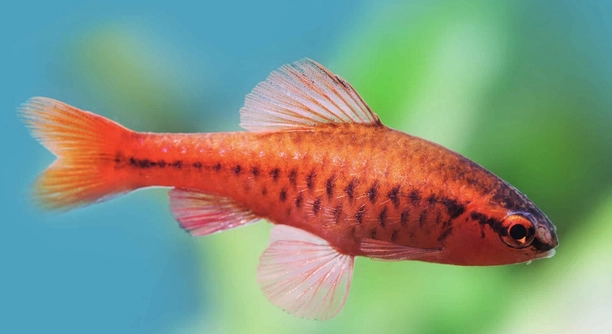
Cherry barbs are small, social fish that thrive in groups. They are known for their vibrant colors and peaceful nature. However, what happens if they start ignoring each other? This behavior could signal something important in their social dynamics.
If cherry barbs begin to ignore each other, it could indicate stress, lack of space, or an unhealthy environment. Social animals like cherry barbs rely on interaction with their group for comfort and safety. Ignoring one another may point to a deeper issue.
This behavior can often lead to a decrease in their overall well-being. Understanding the root causes of such behavior will help maintain a balanced aquarium environment and ensure the health of your fish.
Reasons Why Cherry Barbs May Start Ignoring Each Other
Cherry barbs are naturally social fish, often seen swimming together and interacting. When they start to ignore each other, it might signal a problem in the aquarium. Stress is one of the most common reasons for this behavior. If the water conditions aren’t right, cherry barbs can become agitated or depressed, causing them to avoid socializing. Similarly, overcrowded tanks can lead to competition for space, which can result in the fish isolating themselves. It’s also possible that they are feeling threatened by other tank mates, which leads them to act more reclusive.
If you’ve noticed your cherry barbs behaving differently, check their environment closely. The water temperature, pH levels, and filtration system all play a role in keeping them comfortable.
It’s also crucial to remember that cherry barbs, like all fish, need plenty of space. A cramped environment leads to stress and social withdrawal. Increasing the tank size or reducing the number of tank mates might help them feel safer.
How Water Conditions Affect Cherry Barbs
Water conditions are key to cherry barbs’ social interactions. If their tank is too warm or too cold, it can cause them to feel uncomfortable and less likely to interact. Water chemistry also matters: high or low pH levels can disrupt their behavior. When their environment is unstable, they often react by retreating from each other.
Regular water changes and proper filtration are vital for ensuring the fish remain healthy and social. Testing the water’s pH, ammonia, and nitrite levels can help you maintain a balanced environment. A stable tank will encourage cherry barbs to stick together and thrive.
For cherry barbs to flourish, their tank’s conditions should mimic the calm, steady waters they are accustomed to in the wild. This means keeping the water clean, oxygenated, and at the right temperature. A small adjustment could make all the difference in restoring harmony among your fish.
Stress and Overcrowding
Overcrowding is one of the most common reasons for stress in cherry barbs. When there are too many fish in a tank, they start to feel trapped, leading them to isolate themselves. A smaller group of cherry barbs often feels safer and more comfortable.
Fish that live in cramped spaces are less likely to interact. They may hide in corners or avoid swimming near others. This avoidance behavior can be a sign that they need more room. Ensure that the tank has enough space for each fish to move around freely.
Stress can also be triggered by other factors such as poor water quality, sudden temperature changes, or aggressive tank mates. Overcrowding affects all these factors, making it harder for cherry barbs to thrive. Keep the tank spacious and stable to reduce stress and help your fish reconnect with each other.
Aggressive Tank Mates
Not all fish get along. If there are aggressive tank mates, cherry barbs may feel threatened and stop interacting with each other. Tank mates that chase, nip, or compete for food can cause stress. Over time, the cherry barbs may withdraw and ignore each other as a coping mechanism.
It’s important to choose peaceful fish that won’t stress out your cherry barbs. Fish like tetras, rasboras, and other small peaceful species work well. If you notice signs of aggression from tank mates, it’s best to move the aggressive fish to another tank to restore peace.
Keeping peaceful fish together helps maintain a calm atmosphere in the aquarium. Cherry barbs thrive in an environment where they feel secure. By reducing aggression, you create a setting where they can interact naturally and enjoy each other’s company again.
Poor Diet and Nutrition
Cherry barbs may start to ignore each other if they aren’t getting the right food. A poor diet can lead to weakness, stress, and a lack of energy. If they aren’t feeling healthy, they might retreat from others.
A well-balanced diet is essential for their overall well-being. Feed them a variety of high-quality foods like flakes, pellets, and occasional live or frozen treats. Proper nutrition keeps them active and social, encouraging interaction with their group.
When cherry barbs feel nourished, they have more energy to swim and engage with others. Proper feeding ensures they stay healthy and continue to exhibit their natural social behaviors.
Tank Environment and Hiding Spots
Cherry barbs are more likely to ignore each other if they don’t feel secure in their environment. If there are too many hiding spots, they may isolate themselves, avoiding interaction with other fish.
However, it’s important to offer hiding places for your cherry barbs to retreat to when they feel stressed. This allows them to have safe spaces but doesn’t encourage complete isolation. A balance is key to fostering social behavior.
Illness or Injury
When a cherry barb is sick or injured, it can become withdrawn and stop interacting with the rest of the group. Illness often leads to isolation as the fish conserves energy or recovers.
FAQ
Why are my cherry barbs ignoring each other?
Cherry barbs may start ignoring each other due to stress, overcrowding, poor water conditions, or aggressive tank mates. Stress from high ammonia levels, improper pH, or unsuitable temperatures can cause them to withdraw. Overcrowded tanks reduce space and increase competition, making fish feel less secure and more isolated. Additionally, aggressive fish can intimidate them, causing cherry barbs to hide or avoid one another. It’s important to ensure a peaceful environment, enough space, and optimal water conditions to promote healthy social interactions.
What can I do to prevent my cherry barbs from ignoring each other?
To prevent cherry barbs from ignoring each other, you should focus on creating a stable and stress-free environment. Start by maintaining optimal water parameters, including a temperature between 72°F and 80°F, a pH level of 6.0 to 7.5, and clean, well-filtered water. Avoid overcrowding by ensuring your tank has enough space for each fish to swim freely. If you have aggressive tank mates, consider moving them to another tank. Providing plenty of hiding spots can help reduce stress but be careful not to create too many, as this may encourage isolation.
Can cherry barbs live alone or do they need company?
Cherry barbs are social fish and prefer to live in groups. In the wild, they are often found in schools, and they feel more comfortable and secure when surrounded by their own kind. Keeping them in pairs or small groups is ideal to reduce stress and allow them to exhibit natural behaviors. If kept alone, cherry barbs may become stressed and less active, leading to health problems. A group of at least five or more is recommended for them to feel at ease.
How do I know if my cherry barbs are stressed?
Signs of stress in cherry barbs include lethargy, hiding, reduced feeding, and changes in their swimming behavior. Stressed fish may swim erratically, stay near the bottom of the tank, or hide in corners. You may also notice that they become less social and stop interacting with other fish. Their colors may dull, and they might appear more sluggish than usual. Stress can also lead to other health problems, so it’s important to address any issues in their environment as soon as possible.
How do I ensure my cherry barbs are getting the right nutrition?
To provide the right nutrition for your cherry barbs, offer a balanced diet that includes high-quality flakes, pellets, and occasional live or frozen foods like brine shrimp, daphnia, or bloodworms. Make sure the food is suitable for small fish, as cherry barbs have small mouths. Feeding them twice a day in small amounts ensures they get the proper nutrients without overfeeding. A varied diet helps them stay active, healthy, and social. Avoid feeding them only one type of food, as this may lead to nutrient deficiencies.
How can I reduce aggression in my cherry barb tank?
To reduce aggression in a cherry barb tank, ensure that all tank mates are peaceful and compatible. Avoid keeping cherry barbs with overly territorial or aggressive species. If aggression is an issue, consider rearranging the tank decor to disrupt territorial behavior. Providing enough space and hiding spots will allow the cherry barbs to feel secure and reduce stress. If the aggression continues, consider separating the aggressive fish or providing more room to reduce competition. Keeping a balanced community of peaceful fish is key to a harmonious tank environment.
How often should I change the water in my cherry barb tank?
Water changes are crucial for maintaining a healthy environment for your cherry barbs. A 25% water change every week is a good rule of thumb to keep the water clean and prevent the buildup of harmful toxins. If you have a heavily stocked tank or poor filtration, more frequent water changes may be necessary. Always check the water parameters, including ammonia, nitrites, and nitrates, to ensure they are within safe levels. Regular water changes help reduce stress, promote better health, and encourage natural behavior.
Do cherry barbs get along with other species of fish?
Cherry barbs are peaceful fish and generally get along with many other species. They do well with other non-aggressive species like tetras, rasboras, and small peaceful catfish. It’s best to avoid keeping them with larger, more territorial fish, as these can intimidate or harm them. When choosing tank mates, look for species that are similar in size and temperament to avoid stress or aggression. A well-thought-out community tank with compatible fish will help your cherry barbs feel safe and thrive.
What tank size is best for cherry barbs?
Cherry barbs do best in tanks that are at least 20 gallons. A larger tank provides more space for swimming, which is essential for their well-being. If you have a group of cherry barbs, a larger tank is even better, as it will reduce stress and competition for space. A well-maintained tank with appropriate filtration is crucial for maintaining water quality. In addition, a 20-gallon tank allows for a better balance of fish and creates a more natural, comfortable environment for your cherry barbs to thrive.
Final Thoughts
Cherry barbs are beautiful, peaceful fish that thrive in groups. If they start ignoring each other, it can be a sign that something isn’t right in their environment. Stress, poor water quality, overcrowding, or aggressive tank mates are common causes of this behavior. The good news is that most of these issues can be fixed with simple changes to the tank setup and care routine. By ensuring the water is clean, the tank is appropriately sized, and the fish are not stressed, you can help your cherry barbs live a happy and healthy life.
Providing a stable environment is key to maintaining the social behavior of cherry barbs. They feel more secure and comfortable when they have plenty of space and proper water conditions. Regular water changes, monitoring water parameters, and choosing suitable tank mates all play a significant role in keeping your cherry barbs happy. If you notice your fish isolating themselves, check the water temperature, pH, and ammonia levels. Sometimes, small adjustments can make a huge difference in how they behave. Also, make sure they are well-fed with a balanced diet to keep them active and healthy.
Ultimately, the well-being of your cherry barbs depends on the care and attention you give them. They are social creatures that need to feel safe and secure in their environment to interact with each other. If you address the underlying causes of their behavior, such as overcrowding or poor water conditions, they are likely to start engaging with one another again. By keeping a peaceful and well-maintained tank, your cherry barbs will not only live longer but will also show off their natural beauty and vibrant colors.

Hello,
If you enjoy the content that we create, please consider saying a "Thank You!" by leaving a tip.
Every little bit helps us continue crafting quality advice that supports the health, happiness, and well-being of pets around the world, for pets of all shapes, sizes, and species.
We really appreciate the kindness and support that you show us!