
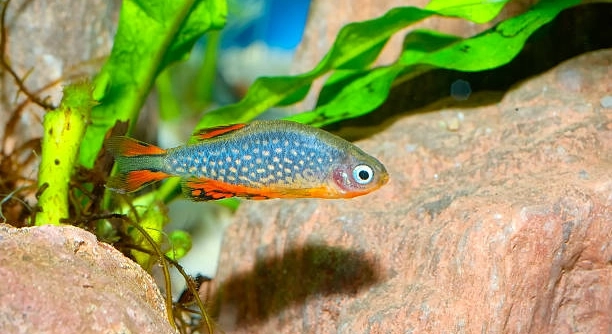
Are your Danios active swimmers that brighten up your aquarium with their lively movements? Observing their daily interactions can reveal a lot about how well they coexist with other fish in the tank.
Danio compatibility is often indicated through behaviors such as schooling, gentle chasing, shared feeding, minimal aggression, synchronized swimming, exploratory activity, and balanced territorial interactions. These patterns reflect social cohesion and adaptability within mixed-species aquariums.
Recognizing these subtle behaviors early can improve tank harmony and promote a healthier environment for all aquatic residents.
Schooling Together
Danios that swim in coordinated groups demonstrate strong compatibility with each other. When observing a tank, it is noticeable that these fish move in unison, adjusting their speed and direction to match their companions. This behavior reduces stress and prevents dominance conflicts. Fish that consistently school together are often more relaxed and less likely to chase or nip at others. Schooling also indicates that the fish feel secure in their environment, as they are confident enough to maintain close proximity without triggering aggression. Proper tank size and adequate hiding spots support this behavior. A well-planned aquarium with appropriate plants and decorations encourages natural schooling patterns. Overcrowding or insufficient space can disrupt these interactions, leading to tension among tank mates. Observing Danios swim harmoniously is an immediate sign that the group is compatible. Their synchronized movements make the tank appear lively, and each fish benefits from a balanced social structure that reduces stress and promotes overall health.
This coordinated swimming behavior is one of the clearest signs that Danios coexist peacefully.
Watching these fish school can be rewarding. The subtle shifts in direction and timing highlight their natural instincts. Maintaining suitable tank conditions ensures that these patterns continue. By providing enough room, hiding spaces, and compatible companions, the aquarium becomes a stable environment. Fish that school effectively often display better health, eat more evenly, and adjust to changes without excessive stress. Observing their daily interactions allows owners to notice potential issues early and take preventive measures. Schooling is more than just a display; it reflects the balance of the tank ecosystem and the social comfort of each Danio. Proper monitoring, feeding routines, and environmental enrichment help maintain this natural behavior consistently, enhancing both the visual appeal and the well-being of the fish.
Gentle Chasing
Gentle chasing is a behavior where Danios swim after each other without causing harm. It is different from aggressive nipping and signals playful interaction and social bonding.
This behavior shows that Danios recognize boundaries while maintaining engagement.
When Danios engage in gentle chasing, it often involves quick bursts of movement that encourage interaction without stress. This behavior helps establish social hierarchies and lets each fish find its place within the group. It also serves as a form of exercise and mental stimulation, preventing boredom in a confined environment. Observing the frequency and intensity of these interactions helps determine compatibility among tank mates. If the chasing is balanced and no fish appears stressed or injured, it confirms that the group is well-adjusted. Owners can support this natural behavior by providing open swimming areas and avoiding overcrowding. Over time, gentle chasing fosters stronger social cohesion, reduces tension, and ensures a more harmonious tank where all Danios thrive. Proper monitoring allows intervention if the behavior escalates, maintaining a peaceful aquatic community.
Shared Feeding
Danios that eat together calmly indicate compatibility. They do not chase or push each other aside, showing that each fish respects feeding space and avoids conflict over food.
Watching Danios feed provides clear insight into their social structure. Compatible groups distribute themselves evenly, approaching food without fear. Fish that hog or aggressively chase others can cause stress and disrupt harmony. When feeding is peaceful, it reflects balanced dominance and proper social interaction. Observing the timing and coordination of meals helps identify compatible tank mates and prevent potential issues. Proper placement of food and consistent feeding schedules support these behaviors, ensuring all Danios have access and feel secure.
Peaceful shared feeding also reduces stress-related health problems. Fish that eat calmly are more likely to grow evenly and maintain strong immunity. A well-planned tank with multiple feeding points encourages this behavior. Owners can enhance compatibility by monitoring interactions and adjusting feeding routines to suit the group. Ensuring enough space during mealtime prevents conflict and supports long-term social balance within the aquarium. Healthy feeding patterns strengthen the bond between fish and contribute to overall tank stability.
Minimal Aggression
Danios showing minimal aggression coexist better and maintain a stable tank environment. Aggressive behaviors are rare and controlled.
Maintaining low aggression levels is essential for a harmonious aquarium. Danios that rarely nip or chase each other aggressively indicate strong compatibility. Environmental factors like tank size, hiding spots, and population density influence aggression. Properly matched companions reduce territorial disputes and stress. Minimal aggression allows fish to focus on swimming, feeding, and social interactions rather than defending space or dominance. Observing interactions over time confirms whether the group remains balanced. Owners should intervene only if persistent aggressive behavior appears, adjusting tank conditions or separating individuals if needed.
Minimal aggression also improves long-term health and growth. Constant stress from frequent conflicts can weaken immunity and stunt development. Fish that coexist peacefully demonstrate effective communication and natural social structure. Supporting this behavior requires attention to tank design, including plants, décor, and open swimming areas. Balanced populations reduce competition and enhance group stability. By monitoring interactions, owners can ensure a calm environment where all Danios thrive, allowing each fish to engage in natural behaviors and maintain overall well-being without unnecessary stress.
Synchronized Swimming
Danios that swim in sync show strong social bonds. Their coordinated movements indicate comfort and trust within the group, reflecting a healthy and balanced tank environment.
Synchronized swimming helps reduce stress and prevents dominance conflicts. Fish that move together are more confident, and their actions create a sense of stability in the aquarium.
Exploratory Activity
Active Danios that investigate their surroundings display adaptability and curiosity. Compatible groups encourage exploration without causing tension, ensuring a lively and engaging tank environment.
Balanced Territorial Interactions
Danios that maintain personal space without constant conflict demonstrate balanced territorial behavior. Each fish respects boundaries, reducing stress and supporting long-term harmony in the tank.
How many Danios should I keep together?
Keeping Danios in groups of at least six is ideal for promoting natural schooling behavior. Smaller groups can become stressed and show signs of aggression or lethargy. A larger group spreads social interactions more evenly, reducing conflicts and supporting healthier behavior. Proper tank size, generally 20 gallons or more, ensures enough swimming space. Multiple hiding spots and open areas allow each fish to feel secure. Maintaining balanced populations prevents overcrowding, which can trigger dominance disputes or excessive chasing. Observing the group over time helps determine if the number of Danios is appropriate. Adjusting tank conditions and group size supports long-term social stability.
What signs indicate Danio compatibility?
Compatible Danios exhibit peaceful interactions such as gentle chasing, schooling, shared feeding, and synchronized swimming. Minimal aggression is observed, and fish respect each other’s space. Exploratory activity without fear or constant hiding indicates comfort. Balanced territorial interactions ensure no single fish dominates or isolates others. Observing these behaviors over weeks confirms compatibility, as stress-related signs like nipping, darting, or persistent hiding would suggest issues. Ensuring proper tank conditions, adequate space, and multiple hiding areas reinforces compatibility and reduces tension. A compatible group appears active, cohesive, and engaged, creating a stable environment that benefits all tank residents.
Can Danios live with other fish species?
Yes, Danios are generally compatible with other peaceful, similarly sized species. Choosing tank mates that tolerate their active swimming and social nature is important. Avoid slow-moving or aggressive fish, which may become stressed or provoke conflicts. Ideal companions include certain tetras, rasboras, and small livebearers. Monitoring interactions is key, especially during feeding or when establishing territories. Tank layout should offer open swimming areas and hiding spots to minimize tension. Careful selection of species based on activity level, size, and temperament ensures harmony. Proper observation allows owners to adjust tank mates if compatibility issues arise.
How can I reduce aggression among Danios?
Aggression can be minimized by maintaining an appropriate group size, providing enough swimming space, and adding decorations or plants for hiding. Uneven food distribution or overcrowding can increase stress and lead to chasing or nipping. Introducing fish gradually and ensuring compatible companions helps reduce disputes. Monitoring interactions and separating individuals temporarily if aggression escalates prevents injuries. Regular observation of feeding and social behaviors allows early identification of tension. Keeping environmental conditions stable, including temperature, water quality, and lighting, further supports calm behavior. Reducing stressors ensures long-term compatibility and promotes a healthy, peaceful aquarium.
What should I feed Danios to support group harmony?
Feeding a balanced diet with flakes, pellets, and occasional live or frozen foods ensures that all fish get adequate nutrition. Distributing food evenly across the tank prevents competition and reduces stress. Feeding small amounts multiple times a day is more effective than one large meal. Observing how fish respond during feeding helps identify if certain individuals dominate or show aggression. Adequate nutrition supports energy levels for schooling, synchronized swimming, and exploratory activity. Avoid overfeeding, which can lead to poor water quality and tension among tank mates. Consistent feeding routines strengthen harmony and maintain a healthy, active group of Danios.
How do I know if my Danios are stressed?
Stressed Danios may hide constantly, display rapid darting, or show signs of fin damage from nipping. Reduced appetite, lethargy, and irregular swimming patterns are common indicators. Environmental stressors like overcrowding, poor water quality, or incompatible tank mates can trigger these behaviors. Regularly checking water parameters and observing social interactions helps detect stress early. Adding plants, decorations, and sufficient swimming space mitigates tension. Ensuring a balanced group with compatible personalities further reduces stress. Identifying and addressing the cause promptly supports recovery and long-term health, keeping the aquarium a safe and harmonious environment for all Danios.
Can Danios be kept in small tanks?
Small tanks are not ideal because Danios are active swimmers that require space to school and explore. Limited swimming areas can increase aggression and stress. Tanks under 10 gallons often result in uneven social interactions and territorial disputes. Providing at least 20 gallons allows the fish to exhibit natural behaviors, such as synchronized swimming and gentle chasing, without constant tension. Adequate space also improves water quality, as it dilutes waste and reduces stress-related illness. Adding hiding spots and open areas further supports a balanced environment. Choosing the right tank size ensures compatibility and long-term well-being of Danios.
How long does it take to assess Danio compatibility?
Observing behavior over several weeks provides an accurate assessment. Initial interactions may involve gentle chasing or exploration, which is normal. Consistent schooling, shared feeding, and minimal aggression over time confirm compatibility. Stress signs, like hiding or fin damage, indicate potential issues. Environmental adjustments and monitoring are essential during this period. Patience allows owners to ensure a stable and harmonious aquarium.
Danios are active and social fish, and observing their behaviors can tell us a lot about compatibility. Groups that school together, feed without conflict, and explore their environment calmly are typically well-matched. These behaviors are indicators of social cohesion and comfort within the tank. Fish that display gentle chasing or synchronized swimming show that they have adapted to their companions and environment. Minimal aggression and balanced territorial interactions are additional signs that the group is stable. By paying attention to these behaviors, owners can maintain a peaceful and healthy aquarium. Proper monitoring is especially important in mixed-species tanks to ensure that all fish remain compatible and stress-free.
Providing the right environment is key to maintaining compatibility among Danios. Tank size, layout, and population density play significant roles in how well fish interact. A tank that is too small can lead to overcrowding, increased aggression, and stress-related health problems. Including hiding spots, open swimming areas, and plants encourages natural behaviors and reduces tension. Feeding practices also influence social harmony. Offering food in multiple locations and maintaining consistent feeding schedules ensures that all fish receive adequate nutrition without conflict. Environmental stability, including proper water parameters and regular maintenance, supports long-term compatibility. Observing fish over time allows owners to identify potential issues early and make adjustments as needed.
Understanding Danio behaviors not only helps in identifying compatible groups but also enhances overall tank management. Fish that are comfortable and socially cohesive are healthier, more active, and more visually engaging. Recognizing subtle cues, like schooling patterns or gentle chasing, allows owners to support natural behaviors through tank design, feeding practices, and group composition. Monitoring interactions regularly helps maintain a balanced and stress-free environment. By focusing on these aspects, owners can create an aquarium where Danios thrive and coexist peacefully. Compatibility is not only about preventing conflict but also about encouraging a dynamic and healthy community where each fish can display its natural behaviors without stress.

Hello,
If you enjoy the content that we create, please consider saying a "Thank You!" by leaving a tip.
Every little bit helps us continue crafting quality advice that supports the health, happiness, and well-being of pets around the world, for pets of all shapes, sizes, and species.
We really appreciate the kindness and support that you show us!