
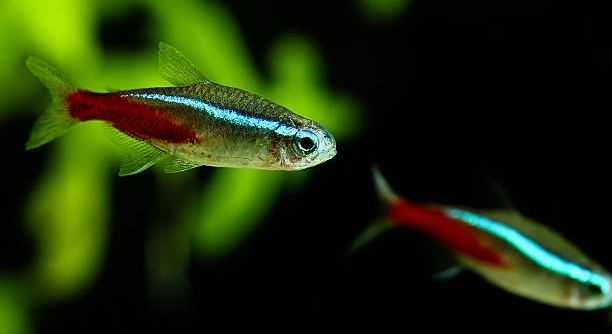
Are your tetras suddenly swimming upside down, leaving you worried about what might be wrong in their tank? It’s a strange sight, especially when they’ve been active and healthy before. But this behavior could signal something important.
The most common reason tetras swim upside down is a swim bladder disorder, often caused by overfeeding, constipation, or poor water conditions. This condition affects their buoyancy, making it difficult for them to maintain a normal swimming posture.
Knowing what triggers this issue can help you prevent it in the future and care for your fish more effectively.
Swim Bladder Disorder Is the Main Cause
Swim bladder disorder is one of the most common reasons tetras start swimming upside down. The swim bladder is a small internal organ that helps fish control their buoyancy. When it doesn’t function properly, the fish can float uncontrollably or sink, often flipping onto its side or back. This problem is usually caused by issues like overfeeding, sudden dietary changes, or poor water quality. Feeding your tetra too much, especially dry flake food that expands in the stomach, can lead to constipation and pressure on the swim bladder. Sometimes the problem clears up with a temporary fast or a change in diet, such as offering boiled, skinned peas which can help clear the digestive system. In other cases, the fish may need a cleaner environment, better filtration, or more stable water conditions to recover. If left untreated, the condition can lead to long-term health problems or death.
Offer boiled peas in small amounts once daily to help clear digestion and reduce pressure on the swim bladder.
Keep your tank clean and monitor water temperature and pH levels to avoid sudden environmental stress that can worsen swim bladder issues. Tetras are sensitive to changes, and stability is important for their overall well-being.
Poor Water Quality Leads to Stress
Even small changes in water quality can make a big difference in how your tetra behaves.
Tetras thrive in clean, stable water with consistent temperature and pH levels. When the tank water becomes dirty or chemically unbalanced, their bodies become stressed, making them more likely to develop swim bladder problems or other health issues. Ammonia, nitrites, and high nitrate levels are especially harmful. Overfeeding and decaying food contribute to poor conditions. Uneaten food breaks down and creates harmful toxins. A good filtration system helps, but it’s also important to do regular water changes—ideally 25% of the tank water each week. Test the water often using aquarium test kits. Aim for a pH between 6.8 and 7.8, and keep the temperature steady around 75–80°F. Sudden spikes or drops in these levels can quickly lead to stress, which affects their ability to swim normally. Regular care and observation go a long way in keeping your fish healthy.
Constipation Can Affect Buoyancy
Constipation is a common issue that can lead to your tetra swimming upside down. It puts pressure on the swim bladder, making it hard for the fish to stay balanced in the water. This often happens after eating too much or the wrong type of food.
Feeding dry flakes that expand inside the stomach is one of the main causes of constipation in tetras. To prevent this, soak the flakes in tank water before feeding or switch to a higher-quality pellet. Offering boiled, deshelled peas can help ease digestion. Feed peas in tiny portions once a day for a couple of days, then return to a normal feeding schedule. Fasting your fish for 24 hours before offering peas may also help. Don’t feed them human food or oily items, as it can make things worse. Consistent feeding habits make a big difference in their digestive health.
Constipation may also be caused by a lack of fiber in their regular diet. Tetras mainly eat small insects, larvae, and plant matter in the wild, so variety is key. Include options like daphnia or freeze-dried brine shrimp, which act as natural laxatives. Monitor your fish after each meal to ensure their behavior returns to normal. If the upside-down swimming continues, more action might be needed.
Injury or Nerve Damage
Injury can result in unusual swimming behavior, especially if it affects the spine or swim bladder area. Accidents during tank maintenance, aggressive tank mates, or even jumping and landing badly can cause physical trauma that impacts buoyancy and balance.
Tetras are small and delicate, and even a mild injury can have long-term effects. Damage to the spine or nearby nerves can lead to permanent changes in how they swim. In these cases, they might never fully recover. If you suspect injury, isolate the fish in a clean hospital tank with gentle filtration and no sharp decorations. Limit stress by keeping the lighting dim and avoiding unnecessary handling. Watch for signs of external wounds, swelling, or labored breathing. If the fish eats and shows energy but continues to swim oddly, the damage may be internal. Unfortunately, there’s no guaranteed cure for internal injuries, but supportive care can improve quality of life.
Sudden Temperature Changes
Quick drops or spikes in water temperature can shock your tetra’s system. This can affect their metabolism and swimming ability, sometimes causing them to float oddly or flip upside down. Always use a reliable heater and thermometer to maintain a steady temperature in the tank.
Temperature swings often happen during water changes or if the tank is placed near a window or vent. Stick to water that closely matches the tank’s current temperature. A stable range between 75–80°F is best. Consistency helps prevent stress that can lead to buoyancy problems.
Internal Infections
Bacterial infections can affect your tetra’s swim bladder or other organs, leading to abnormal swimming behavior. These infections often start internally and may not show external symptoms right away. Over time, you might notice swelling, a curved spine, or a loss of appetite. If your tetra continues to swim upside down despite stable water and a proper diet, infection might be the cause. Medicated fish food or antibacterial treatments made for aquarium use can help. Isolate the fish if possible, and treat early. Waiting too long can make recovery harder, especially if multiple fish start showing symptoms.
Genetic or Developmental Issues
Some tetras are born with deformities that affect their swim bladder or spine. These issues may not show up until they are older, especially under stress or poor conditions. There is no cure for this, but they can still live comfortably with the right care.
FAQ
Can tetras recover from swim bladder disorder?
Yes, tetras can recover from swim bladder disorder if the issue is caught early and the cause is addressed. Mild cases caused by overfeeding or constipation often improve with a short fast and a few days of feeding boiled, skinned peas. If poor water quality is the reason, fixing the tank conditions can help your fish return to normal. Recovery can take a few days to a couple of weeks. More serious cases involving internal infections or injury may require medication or longer-term care. Not all tetras will recover fully, but many can improve with the right support.
How do I know if it’s constipation or something else?
If your tetra is still active, eating normally, and not showing signs of swelling or discoloration, constipation is likely. Constipated tetras may float to the top or swim awkwardly but otherwise seem healthy. Watch their waste—long, trailing feces can be a sign. If there’s no improvement after a short fast and dietary changes, the issue could be infection, injury, or a swim bladder malfunction. A fish that stops eating, looks bloated, or swims erratically might be dealing with something more serious. Keeping notes of symptoms can help you track progress or worsening conditions.
What kind of food helps prevent swim bladder problems?
Feed your tetras a mix of high-quality pellets, flakes, and occasional live or freeze-dried foods like daphnia or brine shrimp. Soak dry food before feeding to avoid it expanding in their stomachs. Adding fiber-rich items like skinned peas once a week helps digestion. Avoid overfeeding—give only what they can eat in two minutes. Feeding once or twice a day is enough. A balanced diet keeps the digestive system working properly and supports healthy swim bladder function. Changing food types occasionally also helps prevent deficiencies and keeps your fish interested in eating.
Should I quarantine a tetra that’s swimming upside down?
Yes, if you suspect infection, injury, or if the behavior is ongoing, it’s best to move the fish to a separate tank. A hospital tank gives the fish a calm space to heal and makes it easier to treat with medications if needed. Use a sponge filter for gentle water flow and keep the water clean and warm. Watch the fish closely for other symptoms like swelling, loss of color, or unusual breathing. Quarantine also protects other fish in case the condition is contagious. After improvement, slowly reintroduce the fish to the main tank.
Can poor lighting affect my tetra’s swimming?
While poor lighting doesn’t directly cause upside-down swimming, it can add to stress, especially if the tank is in a busy area or exposed to sudden changes in light. Stress affects overall health and can make existing problems worse. Soft, consistent lighting that mimics a natural day-night cycle works best for tetras. Keep tank lights on for 8–10 hours a day. Sudden darkness or bright light can startle fish and cause panic swimming, which can lead to injury.
Is it okay to use salt to treat swim bladder problems?
Aquarium salt can help in certain cases, especially if the issue is due to mild stress or infection. However, tetras are sensitive to salt, so it’s important to use it carefully. Use only aquarium-grade salt and follow dosing instructions exactly. It’s usually better to treat swim bladder issues by improving diet and water quality first. Salt baths should be short and done in a separate tank. Avoid frequent or high-dose treatments unless advised by a fish care professional. Always monitor your tetra for signs of discomfort during any salt treatment.
How do I prevent future swim bladder problems in my tank?
Feed your tetras a varied and balanced diet, avoid overfeeding, and maintain consistent water parameters. Do weekly partial water changes, test the water often, and keep the tank temperature stable. Use a good filter, and clean it regularly. Watch for bullying from other fish, as stress can lead to illness. Avoid sudden changes in tank setup, and always acclimate new fish slowly. Preventing swim bladder issues starts with good daily care, a calm tank environment, and early attention to changes in your tetra’s behavior or swimming patterns.
Final Thoughts
Seeing your tetra swim upside down can feel alarming, especially when it happens suddenly. But in many cases, the problem can be fixed if you respond early. The most common reason for this behavior is swim bladder disorder, which is often caused by overfeeding, poor water conditions, or constipation. Thankfully, these are issues that can be corrected with a few changes to how you care for your tank and fish. Start by checking the basics—clean water, the right temperature, and good quality food. These simple things have a big impact on your tetra’s health.
It’s also important to observe your fish regularly. Changes in how they swim, eat, or interact with others can give you early clues that something isn’t right. If your tetra has trouble swimming straight, floats awkwardly, or sinks, it may be struggling with more than just a bad meal. Giving peas, reducing feedings, and checking water levels can help in the short term. If there’s no improvement, you may need to look at other possible causes like infection, injury, or even a genetic issue. Each fish is different, and recovery depends on the cause and how quickly you take action.
In the end, creating a stable and calm environment is one of the best ways to prevent health problems. Tetras are sensitive fish, and even small changes in their tank can lead to stress. Routine maintenance like water changes, proper feeding, and watching for early signs of trouble can keep them healthy and active. It’s not about making things perfect—it’s about being consistent. Even if your tetra doesn’t fully recover from a swim bladder issue, you can still support its comfort by making the tank safer and less stressful. Being patient and attentive goes a long way in helping your fish live a better life.

Hello,
If you enjoy the content that we create, please consider saying a "Thank You!" by leaving a tip.
Every little bit helps us continue crafting quality advice that supports the health, happiness, and well-being of pets around the world, for pets of all shapes, sizes, and species.
We really appreciate the kindness and support that you show us!