
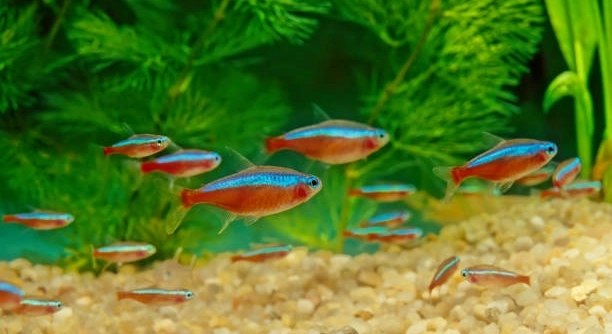
Active Tetras are lively, small fish that add energy to any freshwater aquarium. Setting up their tank correctly is important for their health and happiness. Many fishkeepers want the best environment for these colorful swimmers.
The best tank setups for Active Tetras include a well-planted freshwater aquarium with stable water conditions, moderate lighting, a gentle filter, and enough swimming space. These conditions support their active nature and social behavior.
Choosing the right plants, decorations, and equipment will help you create a comfortable home for your tetras. This guide will help you set up a tank that suits their needs well.
Ideal Tank Size and Setup for Active Tetras
Active Tetras thrive best in tanks that offer them enough space to swim freely. A minimum of 20 gallons is recommended to keep a small school of at least six tetras comfortable. This size helps maintain stable water conditions, which is important for their health. The tank should have a secure lid because tetras are known to jump. Using a substrate like fine gravel or sand mimics their natural riverbed environment and makes the tank feel more natural. Plants, both live and artificial, create hiding spots and reduce stress. Decorations should not overcrowd the tank but provide some structure for swimming and resting. A gentle filtration system keeps the water clean without creating strong currents, as Active Tetras prefer calmer waters. Proper lighting that replicates a day-night cycle will help maintain their natural behavior and enhance their colors.
Keeping the tank clean with regular water changes will also help maintain a healthy environment.
A balanced setup with the right tank size, decorations, and water conditions allows Active Tetras to exhibit natural behaviors. They feel secure when they have space to swim and places to hide. It’s important to avoid overcrowding since these fish are active and social, so too many fish in a small tank can cause stress. A gentle filter prevents the water from becoming stagnant but does not disturb their swimming patterns. Adding plants like Java fern or Anubias not only improves aesthetics but also improves water quality by absorbing nitrates. Proper tank size combined with thoughtful decoration supports their wellbeing and longevity.
Water Conditions and Filtration
Active Tetras need stable water conditions to stay healthy.
The ideal water temperature is between 72°F and 78°F, with a pH range of 6.0 to 7.5. Consistency in temperature and pH is crucial because sudden changes can cause stress or illness. A reliable filter helps maintain water quality by removing waste and toxins. It is important to choose a filter that provides gentle water flow since strong currents can tire the fish out. Regular maintenance, including partial water changes of about 25% every week or two, keeps the water clean and balanced. Monitoring ammonia, nitrite, and nitrate levels is necessary to avoid toxic buildup. Using a heater with a thermostat will maintain a steady temperature, which is vital for tropical fish like Active Tetras.
Keeping water parameters within this range supports the health and activity of your tetras. A good filtration system paired with regular water checks creates a safe, clean habitat. Proper water conditions reduce the risk of disease and help the fish display their vibrant colors. Consistent care with temperature, pH, and filtration ensures that the tank environment stays suitable for their active lifestyle. Clean water also encourages natural feeding and social behavior, making your tank a lively and enjoyable space.
Lighting and Plants
Lighting should be moderate to mimic the natural environment of Active Tetras. Avoid overly bright lights, as they can stress the fish.
Choosing low to medium light plants like Java Fern, Anubias, or Cryptocoryne works well in these tanks. These plants do not require intense lighting and offer hiding places, which help the tetras feel secure. Live plants also improve water quality by absorbing nitrates and producing oxygen. Adding floating plants can soften the light and provide shaded areas, replicating the shaded streams where tetras naturally live.
Artificial plants can be used if live plants are not an option, but live plants generally promote a healthier tank environment. Plant density should allow plenty of swimming space. The right balance of light and plants supports both the fish and the overall tank ecosystem, creating a calming and natural setting for Active Tetras.
Tank Mates for Active Tetras
Tank mates should be peaceful and compatible with Active Tetras. Aggressive or large fish can cause stress or harm them.
Ideal companions include other small schooling fish like Corydoras, Rasboras, or peaceful livebearers such as Guppies. Avoid fin-nippers or overly territorial species. Shrimp and snails can also be good tank mates, helping with algae control without bothering the tetras. It’s best to keep tetras in groups of six or more to maintain their natural social behavior and reduce stress. Compatibility depends on matching water conditions and temperament to ensure all species thrive together.
Introducing tank mates gradually while monitoring behavior helps prevent conflicts. Keeping a peaceful community tank encourages natural interactions and reduces aggression, creating a balanced and pleasant aquarium environment for everyone involved.
Feeding Active Tetras
Active Tetras eat a variety of foods, including flakes, pellets, and frozen or live foods.
A balanced diet with occasional treats like brine shrimp or bloodworms helps keep them healthy and colorful.
Maintaining Water Quality
Regular water changes are essential to keep the tank clean. Changing 20-30% of the water every week helps remove waste and toxins. Using a water conditioner removes chlorine and chloramine from tap water, making it safe for the fish.
Suitable Decorations
Smooth rocks and driftwood work well as decorations. Avoid sharp or rough objects that can injure Active Tetras.
Avoiding Overcrowding
Overcrowding can stress fish and degrade water quality quickly. Always keep tank population within recommended limits for your tank size.
How many Active Tetras should I keep together?
Active Tetras are schooling fish and feel most comfortable in groups. Keeping at least six tetras together is ideal. Smaller groups can cause stress and shy behavior. A larger group encourages natural swimming patterns and social interaction, which helps reduce anxiety and promotes overall health.
What is the best temperature for Active Tetras?
The ideal temperature range is between 72°F and 78°F (22°C to 26°C). Maintaining this temperature consistently helps keep your tetras active and healthy. Sudden changes can cause stress and make them more vulnerable to disease. Using a reliable heater with a thermostat is important for tropical tanks.
Can Active Tetras live with other fish?
Yes, but tank mates should be peaceful and similar in size. Good companions include Corydoras, Rasboras, and small livebearers like Guppies. Avoid large, aggressive, or fin-nipping fish to prevent stress or injury. Always monitor behavior after introducing new fish.
What should I feed Active Tetras?
Feed them a varied diet of high-quality flakes or pellets designed for tropical fish. Supplement with frozen or live foods such as brine shrimp, daphnia, or bloodworms. Feeding small amounts two to three times daily is best to avoid overfeeding and water pollution.
How often should I change the water?
Changing about 20-30% of the tank water every week or two is recommended. Regular water changes help keep ammonia, nitrite, and nitrate levels low. Always treat tap water with a conditioner to remove chlorine and chloramine before adding it to the tank.
Do Active Tetras need special lighting?
Moderate lighting is best for Active Tetras. Avoid bright, harsh lights as they can cause stress. Use a light timer to simulate a natural day-night cycle, usually around 8 to 10 hours of light daily. Adding floating plants can help diffuse light and create shaded areas.
What kind of filter is suitable for their tank?
A filter that provides gentle water flow is ideal. Active Tetras prefer calm waters, so strong currents can tire them out. Choose a filter rated for your tank size that can efficiently remove waste without disturbing the fish’s swimming patterns.
How do I prevent diseases in my Active Tetras?
Maintaining clean water with stable conditions is key. Avoid overcrowding and quarantine new fish before introducing them. Feed a balanced diet and monitor the fish for signs of illness like discoloration, lethargy, or clamped fins. Early detection and treatment improve recovery chances.
Can Active Tetras jump out of the tank?
Yes, they can jump, especially if stressed or startled. Using a tight-fitting lid or cover on the tank helps prevent escapes. Ensure the tank environment is comfortable and free from sudden disturbances to reduce jumping behavior.
Are live plants necessary in the tank?
Live plants are highly beneficial but not absolutely required. They improve water quality by absorbing nitrates and produce oxygen. Plants also provide hiding spots, helping tetras feel secure. Low-light plants like Java Fern or Anubias are easy to care for and work well.
How do I introduce new tank mates to Active Tetras?
Introduce new fish slowly and watch for signs of aggression or stress. Quarantine new fish for at least two weeks before adding them. Adding new tank mates during feeding time can distract the tetras and reduce territorial behavior. Always ensure water parameters match for all species.
What is the lifespan of Active Tetras?
With proper care, Active Tetras can live 3 to 5 years. Good water quality, a balanced diet, and a suitable environment contribute to a longer, healthier life. Regular tank maintenance and careful monitoring help prevent health issues that can shorten lifespan.
How do I know if my Active Tetras are healthy?
Healthy tetras are active, swim smoothly in groups, and show vibrant colors. They eat regularly and react to their environment. Signs of illness include hiding, faded color, labored breathing, or abnormal swimming. Quick attention to these signs can prevent serious problems.
Is it necessary to cycle the tank before adding Active Tetras?
Yes, cycling the tank is crucial. It establishes beneficial bacteria that break down harmful ammonia and nitrites. Without cycling, water toxicity can quickly harm or kill your fish. A fully cycled tank has stable water parameters safe for tetras to thrive.
What should I do if my Active Tetras show signs of stress?
Check water quality and temperature first. Stress can be caused by poor water conditions, overcrowding, or incompatible tank mates. Adjust these factors and consider adding more plants or hiding spots. Reducing sudden changes and handling will also help calm stressed fish.
Setting up a tank for Active Tetras requires attention to several important details. The right tank size, proper water conditions, and suitable decorations all play a role in keeping these fish healthy and active. Ensuring they have enough space to swim and hiding spots helps reduce their stress. A tank of at least 20 gallons with gentle filtration and moderate lighting creates a comfortable environment. Adding live plants benefits both the fish and the water quality. Paying attention to these factors from the start makes it easier to maintain the tank and enjoy watching the tetras thrive.
Water quality is one of the most critical parts of caring for Active Tetras. Regular water changes and monitoring the water parameters keep harmful substances like ammonia and nitrites under control. Stable temperature and pH levels prevent stress and illness. Using a reliable heater and a water conditioner when adding new water helps maintain a safe environment. Proper filtration with gentle water flow supports the fish’s natural behavior. With good maintenance routines, your tank can stay clean and balanced, giving your tetras the best chance for a long and healthy life.
Choosing compatible tank mates and feeding a varied diet also supports the wellbeing of Active Tetras. Peaceful, small fish that share similar water needs make good companions and help keep a calm community tank. Feeding a mix of flakes, pellets, and occasional live or frozen foods keeps the tetras well-nourished and colorful. Avoiding overcrowding and monitoring fish behavior prevents problems before they start. Overall, a thoughtfully set up tank with consistent care creates a stable home where Active Tetras can show their full potential.

Hello,
If you enjoy the content that we create, please consider saying a "Thank You!" by leaving a tip.
Every little bit helps us continue crafting quality advice that supports the health, happiness, and well-being of pets around the world, for pets of all shapes, sizes, and species.
We really appreciate the kindness and support that you show us!