
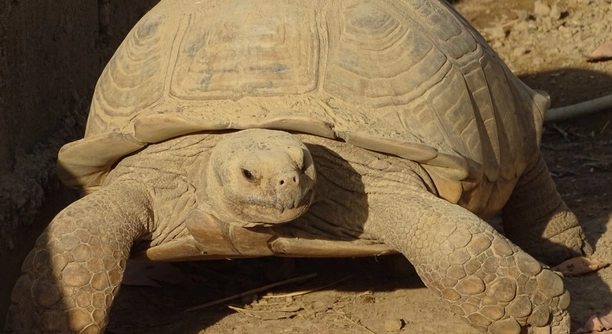
Sometimes, your sulcata tortoise may stop eating properly, which can cause concern. Understanding why this happens is key to addressing the issue and ensuring your pet remains healthy and happy.
The main reasons your sulcata tortoise may not be eating properly include stress, illness, environmental factors, or incorrect diet. These issues can affect their appetite and overall health, requiring attention to restore their normal eating habits.
Learning about these factors will help you take the right steps in supporting your tortoise’s well-being. Addressing these causes can lead to improvements in their feeding habits.
Stress and Anxiety Can Affect Appetite
Stress is a common reason why sulcata tortoises stop eating. Changes in their environment, such as loud noises, moving to a new home, or even the presence of other pets, can cause your tortoise to feel anxious. These stressors disrupt their natural behaviors, including eating. Tortoises are sensitive to their surroundings, so when they feel threatened, they may refuse food or show less interest in eating.
If your tortoise is stressed, consider creating a calm, quiet environment for them. Keep their enclosure in a low-traffic area, away from loud noises or disturbances. Try to reduce interactions, especially if they’re not familiar with you yet. Over time, with patience, they should become more comfortable and regain their appetite.
If stress is the issue, adjusting their environment and daily routine should help your tortoise feel safer. Stress can take time to reduce, so don’t expect immediate changes. Keep the space consistent and calm, allowing your tortoise to settle in and return to eating normally.
Health Problems May Be a Factor
If your sulcata tortoise is not eating, it could be due to an underlying health issue. Respiratory infections, parasites, or shell problems can reduce their desire to eat. When sick, tortoises may avoid food because they’re not feeling well. This is often accompanied by other signs, such as lethargy or a runny nose.
To ensure your tortoise’s health, make sure they’re properly hydrated and maintain a clean environment. If they stop eating for a prolonged period, it’s crucial to consult with a reptile vet. They can identify any medical issues and suggest treatments to help your tortoise recover. Make sure your tortoise’s living conditions are ideal to prevent illnesses from occurring.
If a health issue is discovered, following the vet’s advice and addressing the problem promptly is essential. Most tortoises can recover with the right care, but it’s important to catch any illness early before it affects them too much.
Improper Diet Choices
If your sulcata tortoise isn’t eating, an improper diet could be the reason. Sulcatas require a specific balance of high-fiber, low-protein foods. Offering too much fruit or protein-rich food can upset their digestive system, leading to a loss of appetite. Over time, this could result in nutritional deficiencies.
To fix this, make sure your tortoise’s diet consists mainly of hay, grass, and leafy greens. Avoid feeding them sugary fruits or high-protein foods like eggs or meat. Check for any foods that might upset their stomach and reduce their availability. A proper diet is essential for maintaining their health and encouraging them to eat.
Offer fresh food daily, ensuring it’s suitable for your tortoise’s age and size. Regularly clean the food and water containers to avoid contamination. Over time, you should see an improvement in their eating habits as long as you stick to their dietary needs.
Temperature and Lighting Issues
Temperature and lighting play a crucial role in your sulcata tortoise’s appetite. If the enclosure is too cold, they won’t have the energy to eat. Similarly, improper lighting can affect their digestion. Tortoises need a basking spot of around 90-100°F and a cooler area for nighttime.
To keep your tortoise comfortable, invest in a good quality heat lamp and UVB light. This ensures they have the warmth and UV rays necessary for healthy digestion. Make sure the temperature gradient is maintained so your tortoise can move between warm and cool areas as needed.
The lighting and temperature should be consistent day and night, mimicking their natural environment. Without the proper heat and light, your tortoise may lose interest in food. Check the temperature regularly to ensure it stays within the appropriate range to promote normal eating behavior.
Overfeeding
Overfeeding can lead to loss of appetite in sulcata tortoises. If they are offered too much food or too many treats, they may not feel hungry when it’s time to eat. This can create a habit of refusing food.
To avoid overfeeding, establish a feeding schedule and provide the correct amount of food each day. It’s essential to measure their portions based on their size and age. Stick to a feeding routine, and make sure to avoid offering extra food between meals. This helps keep their eating habits on track.
Lack of Variety in the Diet
If your tortoise is not eating, it may be because their diet lacks variety. A diet that consists of the same foods each day can lead to boredom, causing them to refuse meals.
Try offering a variety of leafy greens and hay types to keep things interesting. You can also add different grasses and occasional edible flowers to their diet. Mixing up their food options helps stimulate their appetite and encourages them to eat regularly. A little variety can make a big difference.
Improper Habitat Size
The size of your tortoise’s enclosure can affect their eating habits. A small habitat can cause stress, limit movement, and affect their appetite. Sulcata tortoises need plenty of space to roam around and explore.
Providing an appropriately sized enclosure will allow your tortoise to feel more comfortable and reduce stress. A larger space helps them exercise, which can encourage natural eating behaviors. Ensure the habitat includes enough space for your tortoise to move around freely and find food easily.
Why is my sulcata tortoise not eating?
There are several reasons why your sulcata tortoise might not be eating. Stress, improper diet, health problems, temperature issues, and even overfeeding can all contribute. Tortoises are sensitive to changes in their environment, and something as simple as a change in lighting, temperature, or their routine could cause them to stop eating. If they are not eating, it’s important to examine their habitat, diet, and health closely.
How can I get my sulcata tortoise to eat again?
To encourage your sulcata tortoise to eat, start by checking their environment. Make sure their habitat has the right temperature, lighting, and humidity levels. Offer a variety of leafy greens, grasses, and high-fiber foods that are appropriate for their species. Ensure they are not stressed by a quiet, calm environment. If necessary, consult a vet to rule out health problems.
What temperature should my sulcata tortoise’s enclosure be?
Sulcata tortoises require a temperature gradient in their enclosure. The basking area should be between 90-100°F, while the cooler side can be around 75-85°F. At night, the temperature should drop to around 70°F. Proper temperature helps with digestion and encourages eating. Make sure to use a heat lamp and UVB light to maintain these temperatures and provide necessary UV rays for your tortoise’s health.
Can my sulcata tortoise stop eating because of stress?
Yes, stress is a major factor in appetite loss. Sudden changes in their environment, such as a new enclosure, loud noises, or unfamiliar animals, can make your sulcata tortoise feel threatened and refuse food. Stress can be reduced by creating a calm, stable environment, ensuring they have a quiet space away from too much human interaction or other pets.
How often should I feed my sulcata tortoise?
Sulcata tortoises should be fed daily, but portions should be appropriate for their age and size. Juveniles need more food as they are growing, while adults may need less. A diet of mainly hay, grasses, and leafy greens should be offered daily. You can occasionally introduce edible flowers and other vegetables to add variety to their diet. Avoid overfeeding, as it can lead to problems with appetite and digestion.
Should I offer fruits to my sulcata tortoise?
Fruits should only be given in moderation. While sulcata tortoises may enjoy the taste of fruit, offering too much can lead to digestive problems and an imbalance in their diet. Fruits are high in sugar, which is not ideal for their health in large amounts. Stick to providing fruits as an occasional treat and focus on high-fiber, leafy greens and grasses.
What is the best diet for a sulcata tortoise?
A healthy diet for a sulcata tortoise should consist of primarily high-fiber grasses, hay, and leafy greens. These tortoises need a lot of fiber to support their digestion and prevent health problems. Avoid foods that are high in protein, like meat or eggs, as this can lead to health issues. A balanced diet includes grasses like timothy hay, dandelion greens, collard greens, and turnip greens, as well as some edible flowers.
How can I tell if my sulcata tortoise is sick?
Signs of illness in sulcata tortoises include lethargy, watery eyes, nasal discharge, refusal to eat, and swollen or abnormal areas on their shells. If you notice these symptoms, it’s important to take your tortoise to a vet that specializes in reptiles. Early diagnosis and treatment can help prevent serious health issues from developing.
Can lighting affect my tortoise’s eating habits?
Yes, inadequate lighting can affect a sulcata tortoise’s appetite. Tortoises need UVB light to help them absorb calcium and promote healthy digestion. Without the right lighting, they may become lethargic and stop eating. Make sure to use a UVB bulb in your tortoise’s enclosure, and replace it regularly to ensure it remains effective.
How do I know if my sulcata tortoise is overfed?
Overfeeding can lead to a tortoise refusing food due to lack of hunger. If your sulcata tortoise is consistently being offered more food than it needs, it might stop eating. You can tell if they are overfed by looking for signs like weight gain or undigested food in their stool. Establish a proper feeding routine and stick to portion guidelines based on their size and age.
Is it normal for a sulcata tortoise to eat less in winter?
Yes, it is normal for sulcata tortoises to eat less during colder months. These tortoises naturally slow down their metabolism in cooler weather, and their appetite can decrease. However, it’s important to ensure that they are still offered fresh food regularly. Maintain proper temperature and lighting to help your tortoise stay comfortable during the colder seasons. If appetite loss persists, it may be a sign of another issue.
Should I be concerned if my tortoise isn’t eating for a few days?
If your sulcata tortoise refuses to eat for just a few days, it may not be a major cause for concern. Tortoises can go without food for short periods, especially if their environment or diet has recently changed. However, if the problem continues for longer than a week or is accompanied by other symptoms like lethargy, weight loss, or abnormal behavior, it’s time to consult a vet.
Final Thoughts
When your sulcata tortoise isn’t eating, it’s important to carefully consider all possible factors. Stress, illness, diet, and environmental issues are the most common reasons for a lack of appetite. By identifying and addressing the root cause, you can help your tortoise get back to their normal eating habits. While it’s normal for tortoises to have occasional changes in appetite, if the issue persists for an extended period, it’s best to seek advice from a vet. A proper diagnosis can help prevent any underlying health issues from worsening.
Ensuring your tortoise has a proper habitat with the right temperature, humidity, and lighting is essential. Their living environment plays a key role in their overall well-being and ability to eat regularly. A consistent and calm atmosphere, with appropriate heating and UVB lighting, supports healthy digestion and appetite. Keeping their enclosure clean and providing them with fresh food daily also helps them stay healthy and encourages good eating habits. Always pay attention to how your tortoise reacts to changes in their surroundings.
Lastly, maintaining a balanced diet for your sulcata tortoise is critical. Offering a variety of high-fiber foods, such as grass, hay, and leafy greens, helps ensure they’re getting the nutrients they need. Avoid overfeeding or giving them too many fruits and high-protein foods, as this can lead to digestive problems. By being patient and attentive to their needs, you can support your tortoise’s health and encourage them to eat regularly. With proper care and attention, your sulcata tortoise will continue to thrive.

Hello,
If you enjoy the content that we create, please consider saying a "Thank You!" by leaving a tip.
Every little bit helps us continue crafting quality advice that supports the health, happiness, and well-being of pets around the world, for pets of all shapes, sizes, and species.
We really appreciate the kindness and support that you show us!