
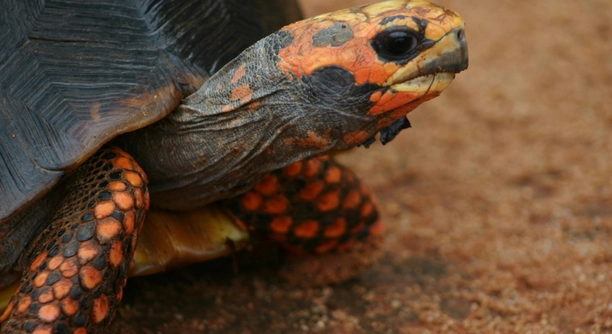
Red-footed tortoises are known for their slow and steady nature, but if you notice them frequently trying to flip over, it’s worth exploring the reasons behind this behavior. Several factors can be at play.
Red-footed tortoises often try to flip over due to a combination of environmental stress, poor habitat design, or natural instincts. They may attempt to right themselves if they feel trapped or are exposed to incorrect temperatures or conditions.
Understanding why your tortoise is attempting to flip over can help prevent further incidents. This article explores the common causes and offers solutions to ensure your red-footed tortoise’s safety and well-being.
Habitat Conditions
Your red-footed tortoise may attempt to flip over if its habitat is not properly set up. These tortoises need a specific environment to feel secure. They thrive in warm, humid conditions, with an area that allows for hiding and climbing. If their living space is too small or lacks hiding spots, they might try to flip as a means of escaping. Poor habitat conditions cause stress and anxiety, leading to erratic behavior.
Even the wrong type of substrate can play a role. If the floor of their enclosure is too slippery, your tortoise might feel unstable. They may attempt to right themselves when they feel out of balance. Adjusting the substrate to something more stable can prevent this behavior. A well-sized habitat is crucial, offering enough space to roam without feeling trapped. Ensure the enclosure is designed to mimic their natural environment as much as possible.
Temperature Issues
Inadequate temperatures in your tortoise’s environment may also contribute to attempts to flip over. Red-footed tortoises are ectothermic, meaning they rely on external heat sources to regulate their body temperature. If their enclosure is too cold or too hot, they may act out by flipping over. It’s important to maintain a temperature gradient, with a warm area where your tortoise can bask and a cooler spot for them to retreat. Without this balance, your tortoise may struggle to regulate its body temperature, causing stress.
Proper lighting and a reliable heat source are essential. Red-footed tortoises need UVB light to synthesize vitamin D3, which is vital for their bone health. Without access to proper heat or lighting, they may become disoriented, increasing the likelihood of flipping. The best way to ensure your tortoise stays comfortable is by monitoring the temperature regularly and adjusting it as needed.
Lack of Food or Water
If your red-footed tortoise isn’t getting enough food or water, it might become agitated and try to flip over. A lack of proper nutrition and hydration can lead to stress, making the tortoise feel unsettled.
A balanced diet with a mix of vegetables, fruits, and some protein will keep your tortoise healthy. Always ensure fresh water is available. If the enclosure lacks enough food or hydration, the tortoise may act out by trying to escape or flip over. They may be in search of something they are missing, leading to unnatural behavior.
Always monitor your tortoise’s eating and drinking habits. If it’s not eating properly or drinking enough, check the types of food provided and the water quality. Fresh, clean water and a nutritious diet are crucial for preventing stress and promoting proper behavior. If the tortoise is consistently trying to flip, it may signal a deeper issue with its care.
Anxiety and Stress
Red-footed tortoises, like other reptiles, can experience anxiety and stress. Any sudden changes in their environment, such as moving their enclosure or introducing new pets, can lead to unsettling behaviors. A tortoise in a stressful situation may flip over in an attempt to escape.
Stressors can also come from loud noises, too much handling, or improper enclosure conditions. A tortoise that feels unsafe in its environment will struggle to adapt, often resulting in physical attempts to get away, such as flipping over. It’s important to avoid placing the tortoise in high-traffic areas or exposing it to constant disturbances.
Pay attention to signs of stress, such as excessive hiding, loss of appetite, or hyperactivity. If these behaviors continue, consider adjusting the tortoise’s living situation. Providing a calm, secure space will help reduce anxiety and prevent future flipping attempts.
Inadequate Space
If the enclosure is too small, your red-footed tortoise might feel confined and frustrated, leading to attempts to flip over. Tortoises need room to move and explore, which helps them feel secure.
A cramped enclosure can prevent them from accessing proper hiding spots or basking areas, making them feel anxious. Ensure the enclosure is spacious enough for your tortoise to freely roam and find shelter. The more space your tortoise has, the less likely it is to try flipping over in search of escape or comfort.
Incorrect Substrate
The wrong substrate can cause instability for your tortoise. A slippery or uneven surface might make it hard for the tortoise to move naturally, leading to flipping attempts. Ensure the substrate is firm, stable, and allows for proper traction.
It’s best to use a natural substrate, like coconut husk or cypress mulch. These materials provide a firm foundation for the tortoise to walk and dig. Avoid using sand or gravel, as they can cause discomfort and may contribute to flipping behavior. Proper substrate helps mimic their natural habitat, allowing the tortoise to feel at ease.
Overexertion
Overexertion from excessive activity or stress can make a tortoise tired, leading to uncoordinated movements or flipping. If the tortoise is trying to move too much, it may not be able to support itself, causing it to fall over.
Overworking your tortoise can lead to fatigue and vulnerability. Be mindful of its activity level and ensure it has enough rest. Allowing the tortoise to take breaks and stay relaxed is important in preventing flipping due to exhaustion or overstimulation.
FAQ
Why does my red-footed tortoise keep flipping over?
Your red-footed tortoise may flip over due to environmental stress, habitat conditions, or an unstable substrate. If their enclosure is too small, lacks proper hiding spots, or has poor temperature and humidity levels, the tortoise may feel insecure. Tortoises may also flip over in an attempt to escape or right themselves if they feel trapped or unbalanced.
How can I stop my red-footed tortoise from flipping over?
Ensure your tortoise’s enclosure is spacious and designed to mimic their natural environment. Provide stable and comfortable substrates like coconut husk or cypress mulch. Maintain the right temperature and humidity levels. Also, make sure the tortoise has enough food and water to prevent stress. If the tortoise is stressed, try to reduce disturbances and ensure a calm, secure environment.
What temperature should I keep for my red-footed tortoise?
Red-footed tortoises need a temperature gradient in their habitat, with a warm basking spot around 85-90°F (29-32°C) and a cooler area around 75-80°F (24-27°C). A temperature drop below 75°F (24°C) can cause discomfort and stress. Always ensure they have a reliable heat source and UVB light for proper basking.
Can a red-footed tortoise flip back over if it falls?
Yes, red-footed tortoises can typically flip themselves back over if they fall. However, some may have difficulty, especially if they are tired, weak, or in an uncomfortable position. If you find your tortoise flipped over, carefully return it to its correct position. Make sure its enclosure is safe to prevent further incidents.
Is it normal for my red-footed tortoise to try and flip over?
Occasional flipping can be normal, especially if the tortoise is in an unfamiliar or uncomfortable environment. However, if it happens frequently, it may indicate a problem with the enclosure, substrate, temperature, or overall care. Regularly assess the living conditions to prevent repetitive flipping behavior.
How often should I feed my red-footed tortoise?
Red-footed tortoises should be fed every other day or every third day, depending on their age and health. Younger tortoises require more frequent meals, while adults can have less. Offer a variety of fresh vegetables, fruits, and occasional protein like insects or eggs. Always remove uneaten food to prevent mold growth.
What is the best substrate for my red-footed tortoise?
The best substrate for a red-footed tortoise is one that is natural, absorbs moisture, and provides stability. Coconut husk, cypress mulch, or a mix of both are excellent choices. Avoid using sand or gravel as they can be too slippery and uncomfortable for your tortoise.
How much space does a red-footed tortoise need?
Red-footed tortoises require a spacious enclosure to move around comfortably. A minimum of 4×8 feet is recommended for an adult, while hatchlings need around 2×4 feet. The more space they have, the less likely they are to feel stressed or attempt to flip over in search of more room.
Can my red-footed tortoise live outside?
Red-footed tortoises can live outside in suitable climates. If you live in a warm, tropical area, providing an outdoor enclosure with proper shade, a water source, and protection from predators is a great option. However, they should be brought inside during colder weather or extreme conditions. Make sure the outdoor environment meets their temperature and humidity needs.
How do I know if my red-footed tortoise is stressed?
Signs of stress in red-footed tortoises include excessive hiding, loss of appetite, erratic movements, or frequent flipping attempts. If your tortoise is displaying these behaviors, check its environment for factors like temperature, humidity, and enclosure size. Stress can also occur from frequent handling, loud noises, or the presence of other pets.
What should I do if my tortoise is not eating?
If your red-footed tortoise is not eating, first check for environmental issues such as improper temperature, humidity, or substrate. If everything seems fine, try offering different types of food, such as leafy greens, fruits, or flowers. Sometimes, tortoises may also stop eating due to illness or stress, so consult a vet if the issue persists.
Can my red-footed tortoise get too hot?
Yes, red-footed tortoises can become overheated if their basking area is too hot. Temperatures exceeding 95°F (35°C) can cause them to become stressed or dehydrated. Always monitor the temperature in their enclosure and ensure they have a cooler area to retreat to when they need to regulate their body temperature.
How do I clean my red-footed tortoise’s enclosure?
Regular cleaning is crucial to maintaining a healthy environment for your red-footed tortoise. Remove uneaten food daily, spot clean waste, and change the substrate every few weeks. Thoroughly disinfect the enclosure with a non-toxic cleaner or diluted vinegar solution every 1-2 months to prevent bacterial growth.
Can I handle my red-footed tortoise?
While red-footed tortoises can tolerate gentle handling, it’s important to minimize stress. Limit handling to short periods and always support the tortoise’s body properly. Handling should be done in a calm, quiet environment to prevent the tortoise from becoming anxious or upset.
Why is my tortoise not moving much?
If your red-footed tortoise is not moving much, it could be due to low temperatures, stress, or health issues. Make sure the enclosure is the right temperature and that your tortoise has access to food and water. If the inactivity continues, consult a vet to rule out any health concerns.
Final Thoughts
Red-footed tortoises are fascinating creatures that require attention to their specific needs. When your tortoise is flipping over, it’s often a sign that something in its environment needs to be adjusted. Whether it’s the temperature, the size of the enclosure, or the type of substrate, addressing these issues can prevent your tortoise from facing stress or discomfort. A calm and secure habitat is essential for their well-being, and even small changes can make a big difference in their behavior. Ensuring that your tortoise has a proper space to roam and feel safe will not only help reduce flipping but also enhance its overall health.
It’s important to remember that red-footed tortoises, like all pets, need consistent care and attention. They thrive in environments that closely mimic their natural habitat, with the right levels of humidity, temperature, and space. Regular feeding, proper hydration, and regular health checks are all vital to keeping your tortoise healthy and happy. By creating an ideal environment for your tortoise and paying close attention to its behavior, you can prevent many common issues, including the frequent flipping. Understanding these needs will go a long way in fostering a positive relationship with your tortoise.
While it might be tempting to make changes quickly, take your time to observe your tortoise and ensure the habitat improvements are being well received. If flipping continues despite changes, it may be worth consulting a vet to rule out underlying health problems. In the long run, creating the best environment for your red-footed tortoise is an investment in its happiness and longevity. With patience and proper care, your tortoise can thrive, leaving you with a more enjoyable and fulfilling pet experience.

Hello,
If you enjoy the content that we create, please consider saying a "Thank You!" by leaving a tip.
Every little bit helps us continue crafting quality advice that supports the health, happiness, and well-being of pets around the world, for pets of all shapes, sizes, and species.
We really appreciate the kindness and support that you show us!