
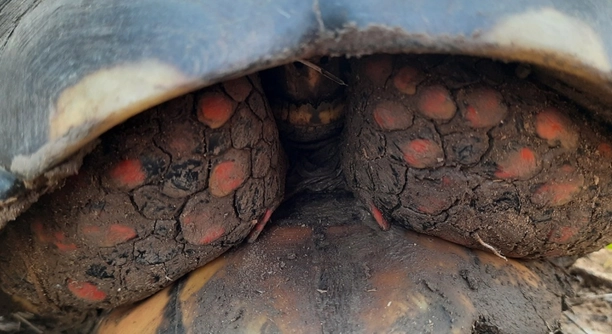
Your red-footed tortoise’s behavior of biting its own legs may seem puzzling, but there are reasons behind it. Understanding these causes is key to providing the proper care and environment for your pet’s health and well-being.
Biting their own legs can be a sign of stress, discomfort, or boredom. Environmental factors, such as improper temperature, lack of stimulation, or even poor diet, may lead to this behavior. Addressing these issues can help alleviate the problem.
Taking steps to improve your tortoise’s environment and health can reduce this behavior. Understanding the causes will allow you to better support your tortoise’s needs for a happier and healthier life.
Stress and Boredom in Red-Footed Tortoises
Red-footed tortoises are sensitive creatures, and stress can manifest in various forms, including biting their own legs. If your tortoise feels stressed, it may begin to display unusual behaviors. Stress can arise from many sources, such as insufficient space, inadequate hiding spots, or even the presence of loud noises. These stressors disrupt their sense of security, leading to anxious behaviors like leg biting. Additionally, red-footed tortoises can get bored, especially if their environment lacks variety. Boredom can drive them to engage in repetitive actions like biting, which can sometimes become a coping mechanism.
Offering your tortoise a richer environment, with more interaction and stimulation, can help alleviate stress and boredom. Providing opportunities for exploration and keeping their living space clean and secure will make a significant difference in their well-being.
Sometimes, stress or boredom may be overlooked by owners who focus on basic care. If your tortoise is biting its legs, consider these environmental factors and adjust accordingly to create a more comfortable home.
Health Issues and Leg Biting
If your red-footed tortoise is frequently biting its legs, there may be an underlying health issue to consider.
Red-footed tortoises are prone to skin irritations and infections, which could cause them to bite or nibble at their legs. It could also be a sign of parasites or nutritional deficiencies, especially if their diet is not balanced. If the skin appears inflamed or there are any visible signs of injury, it’s essential to have a veterinarian check for possible health issues. In many cases, treating the underlying condition can resolve the behavior.
Proper diet and regular vet checkups are vital in maintaining your tortoise’s health. An inadequate diet lacking in essential vitamins, particularly vitamin A, can lead to skin issues, making them more prone to biting themselves. Ensuring a diet rich in leafy greens and high-quality pellets can prevent this. Taking proactive steps toward good health can reduce the likelihood of leg biting, helping your tortoise live a long, healthy life.
Environmental Factors Affecting Behavior
Red-footed tortoises are highly sensitive to their surroundings. Poor lighting, incorrect temperatures, and an inadequate habitat can lead to biting behaviors. If their enclosure doesn’t meet the necessary environmental requirements, they may feel unsafe or uncomfortable, triggering stress. Tortoises thrive in temperatures between 75-85°F and need access to UVB light for proper calcium absorption.
Creating the right environment involves maintaining stable temperature levels and ensuring they have access to both heat and cool areas in their enclosure. A UVB light source is crucial for their overall health, preventing issues like metabolic bone disease. A lack of proper lighting or temperature regulation can lead to anxiety or discomfort, increasing the likelihood of leg biting.
It’s essential to regularly monitor your tortoise’s environment and make adjustments as needed. Providing hiding spots, climbing areas, and a balanced light cycle will help create a more comfortable and stress-free living space. A little investment in their environment can make a significant difference in their behavior.
Diet and Nutrition
Diet is another key factor in a red-footed tortoise’s health and behavior. An imbalanced diet, lacking in essential nutrients, can contribute to leg biting. Tortoises require a variety of leafy greens, fruits, and high-quality pellets to maintain their health. A poor diet can lead to deficiencies that affect both their physical and behavioral well-being.
If your tortoise’s diet lacks proper calcium and vitamins, especially vitamin A, it could result in skin issues, which might lead to biting. A healthy, varied diet supports their immune system and promotes a strong, resilient body. Regularly offering food like dandelion greens, collard greens, and fruits such as papaya or strawberries helps maintain their nutrition.
By ensuring they get the right balance of nutrients, you can reduce the chances of health-related behaviors, like leg biting. A proper diet will not only help their overall health but also improve their mood, making them less likely to engage in such habits.
Overcrowded Enclosure
An overcrowded enclosure can cause stress in red-footed tortoises, leading them to bite their legs. Too many animals in a small space or insufficient hiding areas can create tension. This overcrowding can lead to territorial disputes or discomfort, both of which trigger harmful behaviors like leg biting.
To avoid overcrowding, ensure that your tortoise has plenty of space to roam and explore. A spacious, single-occupant enclosure with enough hiding spots, basking areas, and a variety of surfaces will give your tortoise a sense of security. Maintaining these conditions reduces stress and allows your tortoise to feel comfortable in its environment.
Lack of Proper Stimulation
Red-footed tortoises need mental and physical stimulation. Without enough enrichment, they may resort to biting their legs out of boredom. Lack of stimulation leads to frustration and, in some cases, unhealthy habits like this. Regular activity and interactive enrichment can alleviate this.
Provide your tortoise with objects to climb, dig, or forage for. Adding new items to their habitat, such as safe plants or toys, can help engage their curiosity and reduce boredom. A variety of textures and surfaces for walking also helps keep them active and entertained, improving their overall mood and behavior.
Veterinary Check
If the leg-biting persists despite addressing environmental and dietary factors, it may be time for a veterinary checkup. Persistent biting could indicate underlying health concerns that require professional attention. A thorough examination ensures that any infections, parasites, or other conditions are addressed promptly.
FAQ
Why does my red-footed tortoise bite its legs?
Red-footed tortoises may bite their own legs due to stress, boredom, or health issues. Stressors like an inadequate enclosure, improper temperature, or a lack of hiding spots can lead to anxiety. Boredom is another factor, especially if their environment lacks stimulation. In some cases, underlying health problems such as skin irritation or nutritional deficiencies may cause your tortoise to bite.
How can I stop my red-footed tortoise from biting its legs?
To stop leg biting, start by addressing environmental factors. Ensure that the enclosure has proper lighting, temperature, and humidity. Add hiding spots and space for exploration. You can also offer mental stimulation by providing toys or varying the layout of the enclosure. Lastly, check your tortoise’s diet to make sure it’s getting the right nutrients.
Can improper diet cause my tortoise to bite its legs?
Yes, a poor diet can contribute to health problems, which in turn may lead to leg biting. Tortoises need a balanced diet rich in vitamins and minerals, especially calcium and vitamin A. A deficiency in these nutrients can lead to skin issues, making them more likely to bite or nibble at their own legs.
What temperature should my tortoise’s enclosure be?
Red-footed tortoises thrive in temperatures between 75°F and 85°F. Providing both a warm area for basking and a cooler area for retreat is crucial for their well-being. Too high or too low temperatures can cause discomfort, stress, and potentially lead to unusual behaviors like leg biting.
Do red-footed tortoises need UVB light?
Yes, UVB light is essential for red-footed tortoises. It helps them metabolize calcium properly, which is crucial for bone health. Without sufficient UVB light, tortoises can develop metabolic bone disease, which may cause them to exhibit abnormal behaviors, including biting or gnawing at their legs.
How often should I feed my red-footed tortoise?
Red-footed tortoises should be fed every day, with a diet consisting primarily of leafy greens, fruits, and occasional high-quality pellets. Ensure that the food is fresh and free from pesticides. A well-balanced diet will help maintain their health and reduce any behaviors related to malnutrition or lack of stimulation.
Is leg biting a sign of an infection?
Leg biting could be a sign of infection or irritation. If the skin looks inflamed or there are visible sores, it’s important to have your tortoise checked by a vet. Infections, particularly from parasites or fungi, can cause discomfort that leads to biting. A vet can provide treatment to prevent further issues.
How much space does a red-footed tortoise need?
Red-footed tortoises require a spacious enclosure to feel secure. A single tortoise should have at least a 4×8-foot area to roam. The more space you can provide, the better, as it allows them to move around and explore, reducing the chances of stress and boredom-related behaviors like leg biting.
Can I keep more than one red-footed tortoise together?
While it’s possible to keep multiple tortoises together, it’s important to monitor their behavior. Overcrowding can lead to stress, competition for food, or territorial disputes. If you keep multiple tortoises, ensure that each one has enough space and separate hiding areas. This will help reduce conflict and stress.
Why is my tortoise not eating?
If your tortoise isn’t eating, it could be due to stress, illness, or environmental issues. Check the temperature, humidity, and light conditions to ensure they’re appropriate. If those are correct and the tortoise still refuses food, it’s best to consult a veterinarian to rule out any health problems.
Can I treat my tortoise’s skin irritation at home?
Minor skin irritations may be treatable at home, but it’s important to first identify the cause. If it’s from improper humidity, dry skin, or mild abrasions, you can adjust the environment to help. However, if the irritation persists or worsens, it’s best to take your tortoise to a vet for proper treatment.
What should I do if my tortoise has a wound from biting?
If your tortoise has injured itself by biting, clean the wound gently with water and antiseptic. Apply a healing ointment if recommended by a vet. It’s important to prevent further biting, so review the environment and diet to address any possible causes. If the wound seems infected or doesn’t heal, consult a veterinarian.
Can I use sand as bedding for my red-footed tortoise?
While some owners use sand as bedding, it can be problematic for red-footed tortoises. Sand can cause gastrointestinal issues if ingested and may also cause skin irritation. A better option would be a mixture of coconut coir or organic soil, which is safer and more comfortable for your tortoise to walk on.
How can I keep my tortoise entertained?
Providing enrichment is key to keeping your tortoise engaged and happy. Introduce various objects like branches, rocks, and safe plants for them to explore and climb. You can also try food puzzles or hiding treats to encourage foraging. Regularly rearranging their environment will also keep things interesting.
Is it normal for a tortoise to bite everything?
Tortoises are naturally curious creatures and will explore their environment using their mouth. However, excessive biting of inanimate objects or their own body can indicate stress, boredom, or discomfort. Observing their behavior closely and adjusting their habitat can help reduce this type of behavior.
Final Thoughts
Understanding why your red-footed tortoise is biting its legs is essential to ensuring its well-being. Whether it’s caused by stress, boredom, or health issues, recognizing the root of the behavior can help you make the right changes. The most important thing is to create a comfortable, safe environment for your tortoise. Providing enough space, proper lighting, temperature, and enrichment are key factors in reducing stress and improving their quality of life. If the behavior persists, don’t hesitate to seek professional help from a veterinarian.
Addressing environmental factors like overcrowding or inadequate stimulation can make a significant difference. If your tortoise has plenty of room to roam and hide, along with safe toys or objects to explore, it will feel more secure and content. A proper diet, with the right balance of nutrients, is also crucial for maintaining its health and preventing harmful behaviors. Red-footed tortoises are sensitive to their surroundings, so ensuring everything is right in their habitat will help prevent unnecessary stress.
In conclusion, while leg-biting can be concerning, it’s often a sign that something needs attention. By carefully monitoring the enclosure, diet, and health of your tortoise, you can prevent or resolve this issue. Regular check-ups with a vet are important for catching any underlying health conditions early. With patience and the right approach, you can ensure your red-footed tortoise lives a happy, healthy life free from stress-related behaviors.

Hello,
If you enjoy the content that we create, please consider saying a "Thank You!" by leaving a tip.
Every little bit helps us continue crafting quality advice that supports the health, happiness, and well-being of pets around the world, for pets of all shapes, sizes, and species.
We really appreciate the kindness and support that you show us!