
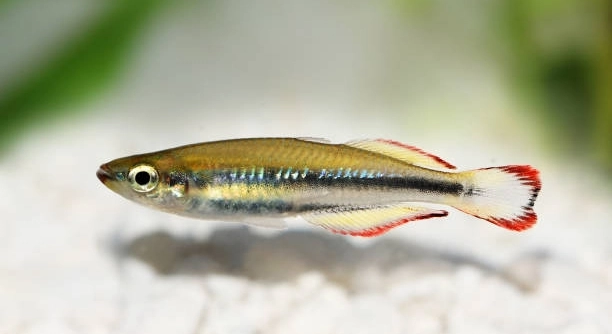
Are your rainbowfish no longer swimming together as they once did? Many owners notice their vibrant fish breaking apart and drifting alone, leaving the aquarium looking less lively and more disorganized than before.
Rainbowfish may stop schooling due to stress, illness, poor water conditions, insufficient hiding spaces, incompatible tank mates, inadequate diet, or natural behavioral changes. Addressing these factors can restore normal schooling behavior and improve overall fish health.
Understanding the reasons behind this behavior will help you restore harmony in your tank and ensure your rainbowfish remain active and vibrant.
Stress in the Aquarium
Rainbowfish are sensitive to their environment, and even small changes can cause stress. Loud noises, sudden movements near the tank, or constant tapping on the glass can make them anxious. Stress may also result from overcrowding, aggressive tank mates, or inadequate hiding spots. When stressed, rainbowfish often stop schooling and may isolate themselves, making the tank feel emptier. Water quality plays a significant role, as sudden fluctuations in temperature, pH, or ammonia levels can increase stress. Observing their behavior closely can help identify stressors early. Making gradual changes to the environment, adding plants or decorations for shelter, and maintaining a calm atmosphere can encourage rainbowfish to regroup. Consistent monitoring and gentle handling reduce anxiety and improve their confidence. Stress management is essential for keeping your rainbowfish active, healthy, and social within the tank.
Stress can disrupt schooling and overall health, so addressing it promptly helps rainbowfish regain normal behavior.
Maintaining consistent conditions is key. Ensure the tank is properly sized, monitor water parameters weekly, and avoid sudden changes. Providing hiding spots and peaceful tank mates creates a safer, calmer environment. Small adjustments often yield noticeable improvements in schooling behavior, as fish feel secure and comfortable.
Illness and Disease
Illness can prevent rainbowfish from schooling. Signs include lethargy, clamped fins, discoloration, or erratic swimming. Early detection is crucial to prevent the spread of disease.
Diseases such as ich, fin rot, or parasites can isolate rainbowfish from the group.
Treating affected fish promptly improves recovery chances. Quarantine new fish before introducing them, maintain clean water, and provide a balanced diet to strengthen immunity. Regular observation helps catch health issues before they impact the entire tank. Knowing how to identify symptoms and respond quickly ensures your rainbowfish remain active and social. Preventative care, like maintaining proper water conditions and avoiding overcrowding, reduces the risk of recurring problems. By prioritizing health, your rainbowfish are more likely to resume normal schooling behavior, creating a vibrant and lively tank environment.
Poor Water Conditions
Poor water quality directly affects rainbowfish behavior. High ammonia, nitrite, or nitrate levels, sudden pH shifts, or incorrect temperature can make fish stop schooling and hide.
Regular testing and maintenance are essential. Frequent water changes, using a reliable filter, and monitoring temperature keep the tank stable. Rainbowfish are sensitive to even minor fluctuations, so maintaining consistency supports their health and social behavior. Clear water, correct temperature, and balanced pH encourage swimming together naturally, reducing stress and promoting vibrant activity in the aquarium. Avoid overcrowding and remove uneaten food promptly to prevent toxins from building up.
Water parameters also influence immune function. When conditions are poor, fish become more susceptible to disease, which can further isolate them. By keeping water clean and stable, you support both schooling behavior and overall well-being. Adding live plants and aeration improves oxygen levels, creating a comfortable environment. Observing behavior alongside water tests allows early detection of issues, helping rainbowfish return to normal schooling patterns quickly and safely.
Incompatible Tank Mates
Aggressive or overly active tank mates can break up schooling behavior. Rainbowfish may retreat or hide to avoid confrontation.
Introducing compatible species reduces tension. Peaceful tank mates and proper spacing allow rainbowfish to swim together confidently.
Aggressive or territorial fish can stress rainbowfish, causing them to separate from the group. Overcrowding increases competition for space and food, which also discourages schooling. Choosing calm, similarly sized fish minimizes stress and encourages natural social behavior. Observing interactions during feeding and swimming times helps identify which tank mates may be causing disruption. Providing plenty of plants and hiding spots allows rainbowfish to feel secure while maintaining group cohesion. Proper planning of tank inhabitants and monitoring social dynamics ensures rainbowfish can school naturally without fear or interruption. Adjustments to tank composition can restore harmony and improve activity levels.
Lack of Hiding Spots
Rainbowfish need plants, rocks, or decorations to feel safe. Without hiding spots, they may separate from the group and swim nervously near the surface.
Providing shelters reduces stress and encourages schooling. Even a few well-placed plants or ornaments can make a noticeable difference in their behavior.
Inadequate Diet
A poor diet affects energy levels and social activity. Rainbowfish require a mix of high-quality flakes, pellets, and occasional live or frozen foods to thrive.
Feeding a balanced diet supports vibrant colors, active swimming, and natural schooling behavior. Neglecting nutritional needs can lead to lethargy, weaker immunity, and isolation from the group.
Natural Behavioral Changes
As rainbowfish age, schooling patterns may change. Older fish may swim less actively or prefer smaller groups, reflecting normal behavioral shifts.
Monitoring these changes helps distinguish natural aging from environmental or health issues, ensuring appropriate care.
FAQ
Why are my rainbowfish swimming alone?
Rainbowfish may swim alone due to stress, illness, poor water conditions, incompatible tank mates, or lack of hiding spots. Observing their behavior and checking water quality can help identify the reason. Adjusting the tank environment and ensuring a balanced diet often restores schooling behavior.
How can I reduce stress in my rainbowfish?
Maintain stable water parameters, avoid sudden movements or loud noises near the tank, and provide sufficient hiding spots with plants or decorations. Keeping tank mates peaceful and monitoring daily behavior helps fish feel secure and encourages them to swim together.
What water conditions do rainbowfish prefer?
Rainbowfish thrive in clean, well-filtered water with a temperature around 24–28°C, pH between 6.5–7.5, and low ammonia, nitrite, and nitrate levels. Regular water testing and partial water changes prevent toxins from building up and reduce stress.
Can diet affect schooling behavior?
Yes. Rainbowfish need a varied diet of high-quality flakes, pellets, and occasional live or frozen foods. Poor nutrition can reduce energy levels, weaken immunity, and cause fish to isolate. Feeding multiple small meals daily can keep them active.
How many rainbowfish should be kept together?
A minimum of six is recommended. Smaller groups may fail to exhibit natural schooling behavior. Larger groups allow fish to feel secure, making it easier for them to swim together naturally.
Why do rainbowfish separate with aggressive tank mates?
Aggressive or territorial species can intimidate rainbowfish, causing them to hide or swim alone. Choosing calm, compatible fish and providing space and hiding spots helps restore social behavior and reduces stress.
Could illness make my rainbowfish stop schooling?
Yes. Lethargy, clamped fins, discoloration, or erratic swimming may indicate disease or parasites. Quarantining sick fish, treating appropriately, and maintaining clean water improve recovery and encourage schooling again.
Do rainbowfish change behavior as they age?
Yes. Older rainbowfish may swim less actively or prefer smaller groups. These natural behavioral changes are not always cause for concern but should be monitored to ensure they remain healthy and stress-free.
What role do plants and decorations play in schooling?
Plants and decorations provide shelter and security, reducing stress and allowing rainbowfish to swim confidently with the group. Even a few hiding spots can significantly improve cohesion and social behavior in the tank.
How often should I test the water?
Weekly testing for ammonia, nitrite, nitrate, pH, and temperature is recommended. Regular monitoring prevents harmful fluctuations and supports stable conditions that encourage natural schooling behavior.
Can overcrowding affect my rainbowfish?
Yes. Overcrowding increases competition for food and space, raising stress levels and discouraging schooling. Proper tank size and a balanced number of fish allow them to swim freely together without conflict.
What should I do if my rainbowfish refuse to school despite all changes?
Observe for hidden stressors like hidden aggressive fish or subtle water issues. Sometimes small adjustments over time, like rearranging decorations or adjusting tank mates, are needed. Patience and careful monitoring usually help rainbowfish return to normal schooling behavior.
How long does it take for rainbowfish to start schooling again?
Depending on the cause, improvements can be seen within days to weeks. Reducing stress, correcting water conditions, and ensuring a proper diet typically lead to gradual restoration of group swimming patterns.
Can introducing new fish disrupt schooling?
Yes. New arrivals may stress existing fish or trigger temporary isolation. Quarantine new fish, introduce them slowly, and monitor interactions to maintain harmony and encourage schooling behavior.
Are there signs that schooling behavior is fully restored?
Rainbowfish swimming together, active movement around the tank, bright coloration, and reduced hiding are good indicators. Consistent daily observation helps confirm their social and physical well-being.
Is it normal for rainbowfish to occasionally swim alone?
Occasional isolation can occur, especially during feeding or resting periods. However, prolonged separation often signals stress, illness, or environmental issues that should be addressed.
Can water temperature swings affect schooling?
Yes. Rainbowfish are sensitive to temperature changes. Sudden drops or increases can stress them, causing isolation. Stable water temperature supports natural activity and group cohesion.
How do I know if my rainbowfish are stressed?
Signs include hiding, erratic swimming, loss of color, clamped fins, or refusal to eat. Identifying stress early allows you to adjust the environment and restore schooling behavior.
What is the best way to encourage schooling?
Provide a calm, spacious tank with compatible fish, consistent water quality, adequate hiding spots, and a balanced diet. Observing behavior and making small adjustments can reinforce natural group swimming.
Can lighting affect schooling behavior?
Lighting influences activity levels. Bright or inconsistent lighting may make fish anxious, while steady, moderate light helps them feel secure and swim together comfortably.
Do rainbowfish need companions of the same species?
Yes. Rainbowfish school best with others of their species. Mixed species tanks can work if fish are peaceful and similarly sized, but same-species groups display the most natural social behavior.
How can I prevent future schooling issues?
Maintain stable water conditions, provide proper nutrition, avoid aggressive tank mates, and ensure sufficient hiding spaces. Regular observation helps catch problems early and keeps rainbowfish active, healthy, and social.
What should I avoid to maintain schooling behavior?
Avoid sudden water changes, aggressive fish, overcrowding, poor diet, and neglecting tank maintenance. Minimizing stressors supports consistent group swimming and overall fish health.
Are there specific signs that schooling is disrupted by diet?
Yes. Lethargy, reduced swimming, or weaker coloration can indicate nutritional deficiencies. Adjusting the diet with varied, high-quality food restores energy and encourages normal schooling.
How do I safely reintroduce schooling behavior?
Address stress, health, water conditions, and tank composition first. Gradually adjust the environment, maintain proper care routines, and monitor interactions to help rainbowfish feel secure and swim together naturally.
Can tank size alone affect schooling?
Yes. Small tanks restrict movement and increase stress. Properly sized tanks allow enough space for swimming together comfortably, supporting natural schooling and reducing aggressive behavior.
What role does observation play in maintaining schooling behavior?
Regular observation helps detect stress, illness, or environmental changes early. Monitoring daily interactions ensures timely interventions and preserves natural group dynamics in the tank.
Is it normal for rainbowfish to take time before schooling again after changes?
Yes. Even after correcting stressors or water conditions, fish may gradually return to normal behavior. Patience and consistent care usually result in restored schooling over time.
Can disease prevention improve schooling behavior?
Preventative care, including quarantine, clean water, proper diet, and avoiding overcrowding, reduces illness risk. Healthy fish are more likely to swim together actively and confidently.
What minor changes make a big difference in schooling?
Adding hiding spots, adjusting lighting, spacing tank mates, and maintaining consistent water parameters often have a noticeable impact on group swimming behavior.
How can I identify subtle signs of stress in rainbowfish?
Look for slight color fading, short bursts of erratic swimming, frequent hiding, or reduced interaction. Early identification allows quick corrective measures.
Does tank decoration placement influence schooling?
Yes. Properly placed plants and ornaments provide shelter and pathways, encouraging group movement and reducing separation. Rearranging decorations can improve social cohesion.
How often should I feed rainbowfish to support schooling?
Multiple small meals daily keep energy levels stable. A varied diet ensures nutrition, vitality, and active participation in group swimming.
Can water flow affect rainbowfish behavior?
Strong currents may stress rainbowfish and discourage schooling. Moderate, steady flow allows comfortable swimming while supporting oxygenation and tank health.
Is it normal for rainbowfish to hide after a water change?
Yes. Even partial water changes can temporarily stress fish. Gradual changes and stable conditions help them regain confidence and return to schooling.
Do rainbowfish need time to adjust to new tank mates?
Yes. Observation and gradual introductions reduce stress. With proper spacing and hiding spots, rainbowfish usually resume schooling after a short adjustment period.
What are signs that schooling behavior is fully restored?
Active swimming in cohesive groups, bright coloration, reduced hiding, and smooth interactions indicate rainbowfish feel secure and healthy in their environment.
How can I support aging rainbowfish in schooling?
Provide calm tank mates, consistent care, and adequate space. Adjust expectations, as older fish may swim in smaller groups but can remain active and social with proper attention.
Are there environmental factors that frequently disrupt schooling?
Sudden temperature changes, aggressive fish, poor water quality, and overcrowding commonly affect schooling behavior. Preventing these issues ensures group cohesion and reduces stress.
What is the best approach for long-term schooling maintenance?
Maintain clean water, monitor parameters, feed a varied diet, avoid aggressive species, and provide hiding spots. Regular observation ensures fish stay active, healthy, and cohesive as a group.
How can I safely introduce new rainbowfish to encourage schooling?
Quarantine new fish, introduce gradually, and monitor interactions. Providing plants and decorations helps both new and existing fish feel secure, promoting natural group swimming.
Does tank lighting schedule impact schooling?
Yes. Consistent light and dark cycles reduce stress and support normal swimming behavior. Sudden bright or uneven lighting can cause isolation and anxiety.
Can overcrowding affect older rainbowfish differently than younger ones?
Older rainbowfish may become stressed more easily in crowded tanks, preferring smaller groups. Adjusting fish numbers and spacing helps maintain social cohesion for all ages.
Is frequent observation more important than occasional checks?
Yes. Daily observation allows detection of stress, illness, or behavior changes quickly, ensuring interventions before problems disrupt schooling or overall health.
How do I encourage shy or timid rainbowfish to school?
Provide hiding spots, calm tank mates, and a stable environment. Gradual encouragement and consistent care help them regain confidence and join the group naturally.
Can seasonal changes affect schooling behavior?
Yes. Changes in room temperature or light exposure may influence activity. Maintaining stable tank conditions minimizes disruption to group swimming patterns.
Are there tools to monitor schooling behavior effectively?
Observing behavior visually, using cameras, or keeping a log of activity patterns helps track changes and identify issues early, ensuring rainbowfish remain healthy and social.
How do I know when environmental adjustments are working?
Improved cohesion, active swimming, bright colors, and reduced hiding indicate that stressors are removed and rainbowfish are returning to normal schooling behavior.
Can minor tank rearrangements improve schooling?
Yes. Adding or moving plants, decorations, and hiding spots creates security and pathways that encourage group swimming and reduce isolation.
What common mistakes disrupt schooling behavior?
Overcrowding, poor diet, aggressive tank mates, inconsistent water parameters, and lack of hiding spots frequently cause rainbowfish to separate. Correcting these factors restores group behavior.
How long should I wait to see results after making changes?
Results vary but generally appear within days to weeks. Patience, consistency, and careful observation are key to restoring natural schooling behavior.
Do rainbowfish prefer specific areas of the tank when schooling?
Yes. They often swim mid-water, near plants or decorations, and away from aggressive tank mates. Providing a safe, comfortable layout encourages cohesive movement.
Can schooling behavior indicate overall health?
Yes. Active, cohesive schooling often reflects proper nutrition, low stress, stable water conditions, and healthy interactions, making it a good indicator of general well-being.
Are there signs of long-term stress affecting schooling?
Chronic hiding, faded colors, slow swimming, or isolation can indicate long-term stress. Prompt interventions improve health and restore group behavior.
How do I balance multiple factors affecting schooling?
Address water quality, diet, tank mates, hiding spots, and lighting simultaneously. Regular monitoring ensures changes are effective and maintains consistent social behavior.
What role does patience play in restoring schooling?
Patience allows rainbowfish to adjust gradually to changes, regain confidence, and return to natural group swimming without added stress.
Can schooling behavior decline suddenly without warning?
Yes. Sudden illness, water changes, new tank mates, or environmental fluctuations can disrupt schooling. Immediate observation and adjustments help correct the issue quickly.
How do I prevent future disruptions in schooling?
Maintain stable water conditions, proper nutrition, compatible tank mates, and adequate hiding spots. Regular observation ensures any issues are addressed early, preserving natural group swimming behavior.
Can schooling behavior improve naturally over time?
Yes. With consistent care, stable conditions, and proper diet, rainbowfish often regain cohesive swimming patterns even after previous disruption.
Is it necessary to document behavior changes?
Keeping a log of activity, feeding, and interactions helps track progress, identify stressors, and ensure schooling behavior is maintained over time.
How do I handle stubborn individuals who avoid the group?
Observe for stress, illness, or aggression. Provide hiding spots, adjust tank mates, and allow time for reintegration. Gradual encouragement often brings them back to the group.
Can minor health issues affect schooling without other visible signs?
Yes. Subtle issues like mild parasites or nutrient deficiencies can reduce energy and confidence, causing fish to swim separately. Monitoring closely helps detect these early.
Do rainbowfish always return to normal schooling after problems are fixed?
Most do if stressors are addressed, health is restored, and proper care is maintained. Some adjustments may take time, but gradual improvements usually result in restored group behavior.
What is the most effective long-term strategy for schooling maintenance?
Stable water, proper diet, compatible tank mates, sufficient hiding spots, and regular observation are the most effective ways to maintain healthy, cohesive schooling behavior in rainbowfish.
How can I tell if a water problem is the reason for poor schooling?
Look for erratic swimming, hiding, and signs of stress. Test ammonia, nitrite, nitrate, pH, and temperature. Correcting imbalances often restores normal group behavior.
Is schooling behavior influenced by tank layout?
Yes. Proper placement of plants, decorations, and open swimming spaces encourages group cohesion and reduces anxiety-related isolation.
Can small adjustments make a noticeable difference?
Yes. Even minor changes in tank setup, diet, or water quality can improve social behavior and encourage rainbowfish to swim together confidently.
How often should I review tank conditions to maintain schooling?
Weekly checks of water quality, diet, tank mates, and behavior help catch issues early and ensure continued healthy schooling behavior.
Does social hierarchy affect schooling?
Yes. Dominant or timid fish may temporarily separate from the group. Adequate space, hiding spots, and balanced feeding minimize stress and maintain cohesion.
Are rainbowfish schooling instincts strong in all species?
Most rainbowfish species naturally school, but individual behavior can vary. Providing optimal conditions encourages group swimming regardless of slight differences in temperament.
How can I ensure long-term social stability in the tank?
Maintain consistent care, monitor interactions, avoid aggressive species, provide hiding spots, and address health or environmental issues promptly. Stable conditions promote lasting schooling behavior and overall well-being.
What is the single most important factor for encouraging schooling?
Stable water conditions, proper nutrition, and a stress-free environment are critical. Together, they allow rainbowfish to swim actively and cohesively as a group.
Can schooling behavior serve as an early warning system?
Yes. Changes in cohesion, swimming patterns, or activity levels can indicate stress, illness, or environmental issues, allowing timely intervention to protect fish health.
Does the presence of plants influence schooling more than decorations?
Plants provide both cover and a natural environment, often more effective than decorations alone for reducing stress and promoting cohesive swimming.
How quickly should I respond to changes in schooling?
Immediate observation is key. Address water, diet, tank mates, or stress factors promptly to prevent long-term disruption and support fish health.
Are there environmental signals that disrupt schooling temporarily?
Yes. Sudden light changes, water movement, or introduction of new fish may temporarily separate rainbowfish. Recovery is faster in calm, stable conditions.
Is it normal for schooling behavior to fluctuate daily?
Minor daily variations occur, such as during feeding or rest. Persistent separation usually indicates an underlying issue that requires attention.
How can I use observation to prevent future schooling problems?
Daily checks for activity, interactions, and feeding patterns help detect early signs of stress, illness, or environmental changes, preventing long-term disruption.
Does temperature consistency matter more than exact range?
Yes. Stable temperature within a reasonable range is more important than hitting a precise number, as sudden fluctuations are more stressful than slight deviations.
Can rainbowfish adapt to minor tank changes without disrupting schooling?
Yes. Gradual adjustments in tank layout, water, or companions usually allow fish to adapt while maintaining normal group behavior.
How do I balance multiple potential causes of poor schooling?
Address water quality, diet, tank mates, hiding spots, and lighting together. Monitoring results and making adjustments step by step ensures a cohesive and healthy group.
Is schooling behavior a good indicator of overall tank health?
Yes. Active, cohesive schooling reflects low stress, good nutrition, clean water, and harmonious tank interactions.
Can long-term neglect affect schooling permanently?
Chronic poor conditions, stress, or untreated illness can lead to lasting behavioral changes. Restoring health and environment may gradually improve group swimming, but recovery may take time.
What small daily habits support healthy schooling?
Consistent feeding, regular water checks, observing interactions, and minor adjustments in decorations or hiding spots help maintain social cohesion and reduce stress.
How do I recognize subtle disruptions in schooling early?
Look for minor fading of colors, brief isolation, short bursts of erratic swimming, or reduced activity. Early detection allows timely interventions.
Can schooling behavior improve without medical intervention?
Yes. Many issues stem from environmental or social factors. Correcting these often restores natural group swimming without medications.
Does the age of rainbowfish affect their response to changes in the tank?
Older fish may adjust more slowly to new conditions or tank mates. Providing stable, calm environments helps them maintain social behavior and energy.
What’s the role of consistent care in maintaining schooling?
Daily observation, proper feeding, clean water, and peaceful tank mates create stability that encourages active, cohesive swimming and reduces stress over time.
Can schooling behavior decline after rapid tank changes?
Yes. Rapid water changes, decorations, or new fish can temporarily disrupt schooling. Gradual adjustments and calm conditions help fish regain confidence.
How does social interaction influence schooling?
Positive interactions with compatible tank mates promote cohesion, while aggressive or dominant fish may cause separation. Proper selection of companions supports group behavior.
Is it common for rainbowfish to hide after minor disturbances?
Yes. Temporary hiding is normal after changes like feeding, cleaning, or water adjustments. Persistent isolation signals a problem needing attention.
**What is the most reliable way
Rainbowfish are naturally social creatures, and their schooling behavior is one of the most noticeable signs of a healthy, well-balanced aquarium. When they stop swimming together, it often indicates that something in their environment or care routine needs attention. Stress, illness, poor water quality, aggressive tank mates, inadequate hiding spots, or improper nutrition are common reasons for this change in behavior. Even subtle shifts in the tank, such as a sudden temperature change or a new fish introduction, can cause rainbowfish to separate from their group. Observing your fish carefully and monitoring their environment is the first step in identifying the underlying cause. Paying attention to details like water temperature, pH levels, ammonia and nitrate concentrations, and general behavior can provide important clues. Small adjustments, when applied consistently, often lead to noticeable improvements in schooling and overall fish health.
Maintaining consistent care is key to ensuring rainbowfish remain active and social. Regular water changes, appropriate filtration, and monitoring water quality create a stable environment that reduces stress. Providing a balanced diet with high-quality flakes, pellets, and occasional live or frozen food supports energy levels, color vibrancy, and immunity. Tank design also plays a significant role in encouraging schooling. Adding plants, rocks, and decorations offers hiding spots and pathways that make fish feel secure while moving through the tank. Proper selection of tank mates is equally important, as peaceful species of similar size allow rainbowfish to swim together without fear or conflict. Overcrowding or incompatible companions can disrupt social behavior, while thoughtful tank planning promotes harmony and cohesion. Even natural changes, such as aging, can influence schooling, and adjusting expectations while maintaining care helps older fish remain comfortable and active.
Patience and consistent attention are essential when addressing schooling issues. Improvements may take days or even weeks, depending on the cause, but gradual changes often restore normal behavior. Observing fish daily helps catch minor problems before they become serious, allowing timely interventions that support long-term health and group cohesion. Addressing stress, maintaining clean water, providing adequate nutrition, and creating a safe, comfortable environment are the foundation of healthy schooling behavior. By keeping these factors in mind and responding proactively to changes, rainbowfish can continue to thrive in a vibrant, social setting. Taking the time to understand their needs ensures a balanced tank where rainbowfish swim actively, display their natural colors, and enjoy a safe and harmonious environment. Consistent care and observation are the most reliable ways to support schooling behavior and overall well-being in any aquarium.

Hello,
If you enjoy the content that we create, please consider saying a "Thank You!" by leaving a tip.
Every little bit helps us continue crafting quality advice that supports the health, happiness, and well-being of pets around the world, for pets of all shapes, sizes, and species.
We really appreciate the kindness and support that you show us!