
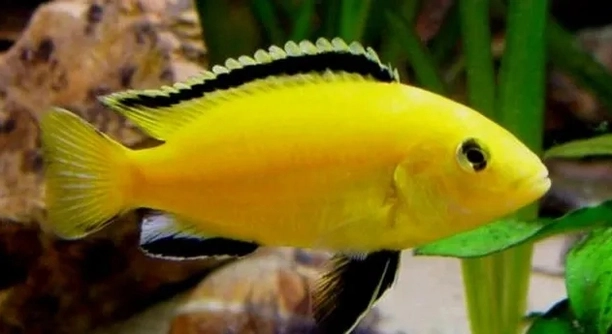
Raising young fry can be both exciting and challenging for aquarists. Proper feeding plays a crucial role in their survival and growth. Understanding which days to provide nourishment ensures that fry develop healthy bodies and strong immune systems.
The seven best feeding days for young fry are carefully spaced to optimize growth and minimize waste. Providing food on these specific days supports proper development, reduces mortality rates, and encourages consistent, healthy growth in juvenile fish populations.
Following a structured feeding schedule will help you maintain strong, thriving fry. Consistent care during these early stages lays the foundation for their long-term health.
Choosing the Right Food for Young Fry
Selecting the right food is essential for fry development. Newly hatched fish require small, nutrient-rich meals that are easy to digest. Infusoria, micro-worms, and finely crushed flake food are ideal options. Feeding too large or hard-to-digest food can cause digestive issues or leftover waste, which may harm water quality. Observing fry behavior helps determine if they are eating enough or struggling. Maintaining a consistent feeding routine ensures fry get proper nutrients without overfeeding. It is also important to introduce new food gradually, allowing them to adjust to different textures and nutrients. Fresh, high-quality sources provide proteins, vitamins, and minerals necessary for growth. Proper selection supports stronger immune systems, healthier coloration, and faster development. Avoid using food that floats too long or sinks too fast, as fry might miss it or strain to reach it. Monitoring the water while feeding prevents accumulation of uneaten food that can stress fry.
Choosing the right food improves survival rates and promotes healthy growth in the early stages.
Tracking feeding patterns closely allows adjustments based on fry size and behavior, ensuring they receive adequate nutrition without excess waste.
Establishing a Feeding Schedule
Consistency is key when feeding young fry.
A structured feeding schedule prevents overfeeding and supports steady growth. Feeding at specific intervals ensures fry receive proper nutrients, helps maintain clean water, and reduces the risk of stunted development.
Fry have small stomachs, and irregular feeding can lead to competition or uneven growth. Establishing a schedule based on their developmental stage allows you to provide the right quantity at the right time. Early fry benefit from feeding multiple times a day, while older juveniles can handle fewer, larger meals. Observing their activity and adjusting as needed ensures that each fry receives adequate nutrition. Overfeeding can quickly degrade water quality, so it is important to remove uneaten food promptly. Consistency also helps you notice health changes early, as irregular eating can indicate stress or illness. By maintaining a careful feeding plan, fry are more likely to thrive, develop evenly, and transition smoothly to adult diets. The schedule becomes a reliable guide for promoting survival and overall well-being.
Monitoring Fry Growth
Regular observation is essential to track fry development. Look for active swimming, healthy coloration, and steady growth. Noticing changes early allows timely adjustments to feeding and environment.
Keeping a growth log helps identify patterns and potential issues. Measure fry size weekly, noting any irregularities in development. Sudden slow growth may indicate overfeeding, underfeeding, or water quality problems. Adjust feeding quantities and frequency based on observed growth. Ensure water parameters remain stable, as fluctuating conditions can stress fry and inhibit proper development. Consistent monitoring supports healthier fish and reduces mortality risk, giving you better control over their early stages. Observing behavior during feeding also shows whether fry are efficiently consuming the provided food, helping fine-tune your schedule.
Fry that receive proper monitoring often grow evenly and develop stronger immune systems. Tracking small details can prevent major issues later.
Maintaining Water Quality
Clean water is critical for fry survival. Frequent small water changes remove waste and maintain stable conditions, preventing harmful chemical buildup.
Fry are highly sensitive to ammonia, nitrite, and nitrate levels. Even small spikes can affect growth or cause illness. Using a gentle filtration system and monitoring temperature, pH, and hardness supports optimal development. Avoid overfeeding, as leftover food rapidly degrades water quality. Observation during feeding helps ensure minimal waste. Regular testing allows early detection of harmful changes. When water changes are performed, ensure new water is treated and matches tank conditions to avoid shock. Stability in water parameters reduces stress, promotes healthy digestion, and supports proper growth. Consistent care in maintaining water quality creates an environment where fry thrive naturally, reducing disease risks and encouraging active, healthy behavior.
Avoiding Overfeeding
Overfeeding can quickly harm fry and water quality. Provide only what they can consume within a few minutes to prevent leftover food from polluting the tank.
Small, frequent meals are better than large amounts. Overfeeding can lead to stunted growth and increased mortality if uneaten food decomposes, affecting water chemistry.
Adjusting Feed as Fry Grow
As fry increase in size, their dietary needs change. Gradually introduce larger food particles and adjust feeding frequency. Observing consumption ensures that all fry get adequate nutrition without overwhelming the tank. Proper adjustment helps maintain growth consistency and prevents digestive issues, supporting long-term health and development.
Observing Fry Behavior
Watching how fry interact during feeding reveals health and growth patterns. Active, eager fry typically indicate proper nutrition and a stable environment.
FAQ
How often should I feed young fry?
Feeding frequency depends on the fry’s age and size. Newly hatched fry require small meals multiple times a day, often three to four feedings. As they grow, you can gradually reduce the number of daily feedings while slightly increasing portion sizes. Observing how quickly they consume the food helps determine the right frequency. Overfeeding can pollute the tank, while underfeeding slows growth. Maintaining a consistent schedule ensures all fry receive adequate nutrition without stressing the environment. Adjustments should be made based on growth rate and activity levels.
What type of food is best for newly hatched fry?
Infusoria and micro-worms are ideal for tiny fry because they are small, easy to digest, and rich in nutrients. Finely crushed flake food can also be introduced after the first few days. Avoid large or hard-to-digest food at this stage, as it can harm their digestive system. Fresh, high-quality food supports healthy growth, strengthens immunity, and encourages active swimming. Rotating between live and prepared foods can provide a balanced diet. Watching how fry respond to each type helps you choose the most suitable option.
When should I start introducing larger food?
As fry grow and their mouths widen, you can begin introducing slightly larger particles. Start with finely crushed flakes or baby brine shrimp once they show interest in consuming slightly bigger food. Introducing new food gradually reduces digestive stress. Watch closely to ensure all fry are eating, and remove any leftover pieces to maintain water quality. Regularly adjusting food size ensures consistent growth and helps fry transition smoothly to juvenile diets. Proper timing prevents stunted growth and minimizes mortality during early developmental stages.
How do I know if I am overfeeding?
Signs of overfeeding include leftover food accumulating at the tank bottom, cloudy water, and lethargic or bloated fry. Overfeeding also increases ammonia and nitrite levels, which can be harmful. Reduce portions and feed smaller amounts more frequently. Observing how quickly fry consume the food is the best way to gauge appropriate feeding quantities. Keeping a close eye on water quality helps prevent issues caused by overfeeding.
Can I feed adult fish food to fry?
Adult fish food is usually too large and nutrient-dense for small fry. It may be difficult for them to digest and can lead to health issues or wasted food that pollutes the water. Only introduce adult food once the fry are large enough to consume it comfortably. Start with small, softened pieces and monitor their response. Gradual transitions allow fry to adapt to new textures without digestive stress, supporting steady growth and overall health.
Is it necessary to clean the tank during the feeding period?
Yes, regular cleaning is important, especially after feeding. Uneaten food can decompose quickly, increasing ammonia and nitrite levels, which are harmful to fry. Performing small, frequent water changes and removing leftover food keeps the environment stable. A clean tank promotes healthy growth, reduces stress, and prevents disease. Monitoring water parameters alongside feeding ensures the fry remain in optimal conditions.
How can I tell if my fry are healthy?
Healthy fry are active, swim evenly, and have bright coloration. They feed eagerly without struggling and grow at a steady pace. Signs of stress or illness include slow movement, discoloration, or irregular swimming patterns. Observing behavior during feeding and monitoring growth regularly helps detect issues early, allowing prompt adjustments to feeding, water quality, or tank conditions. Consistency in care supports strong, healthy fry that develop into robust adults.
What should I do if some fry aren’t eating?
If fry ignore food, check water quality, temperature, and food size. Some fry may need smaller particles or live food to stimulate feeding. Isolate weak or smaller fry if necessary to prevent competition. Regular observation ensures all fry receive nutrition, and gradual changes help reluctant eaters adapt without compromising growth or survival.
Can I mix different types of food?
Yes, combining live, frozen, and finely crushed prepared foods provides a balanced diet. Variety improves nutrition, stimulates feeding, and ensures fry receive proteins, vitamins, and minerals needed for healthy development. Introduce new food gradually to avoid digestive upset. Monitor consumption and adjust portions to prevent waste and maintain water quality.
How long should I continue the fry feeding schedule?
Maintain the structured feeding schedule until fry reach juvenile stage, usually a few weeks to a couple of months depending on species. Gradually transition to larger, less frequent meals. Consistent nutrition during early growth stages ensures strong, healthy fish and sets the foundation for long-term survival and development.
Final Thoughts
Feeding young fry correctly is one of the most important aspects of raising healthy fish. Providing the right food at the right time ensures they get the nutrients needed for proper growth and strong immune systems. Small, frequent meals with easily digestible food help fry develop evenly and avoid digestive problems. Observing how they respond to different types of food allows for adjustments that prevent overfeeding or underfeeding. It is also important to remove uneaten food promptly, as leftover particles can degrade water quality and create a stressful environment. Fry are delicate during their early stages, and small changes in feeding habits can have significant effects on their overall development. By paying close attention to their needs and maintaining a consistent feeding routine, fry are more likely to grow into healthy, active fish capable of thriving in a well-maintained tank.
Maintaining clean water and a stable environment goes hand in hand with proper feeding. Overfeeding or irregular feeding schedules can lead to water pollution, which directly affects fry health. Small water changes and regular monitoring of parameters such as temperature, pH, and ammonia levels help keep the tank safe for growth. The health of young fry is closely tied to the quality of their environment, and ensuring stability reduces stress and supports development. It is easy to overlook water quality when focused on feeding, but it is equally important to watch for early signs of poor conditions. Clear water, healthy swimming behavior, and proper growth indicate that fry are receiving adequate care. Attention to both nutrition and environmental conditions creates a strong foundation for raising fry successfully, allowing them to develop without unnecessary risks.
Adjusting feeding practices as fry grow is another crucial step. Early fry require very small, frequent meals, but as they increase in size, they can handle larger particles and fewer feedings each day. Observing growth patterns and activity levels helps determine the right adjustments. Some fry may be slower to eat or may need different food types, and small changes in diet can improve survival rates. Consistency, observation, and careful adjustments combine to ensure that fry grow evenly and develop healthily. Taking the time to monitor their progress, adapt feeding schedules, and maintain clean water encourages strong, active fry that are ready for the next stages of life. Following these principles makes raising young fry more manageable, and provides the best chance for healthy, thriving fish in the long term.

Hello,
If you enjoy the content that we create, please consider saying a "Thank You!" by leaving a tip.
Every little bit helps us continue crafting quality advice that supports the health, happiness, and well-being of pets around the world, for pets of all shapes, sizes, and species.
We really appreciate the kindness and support that you show us!