
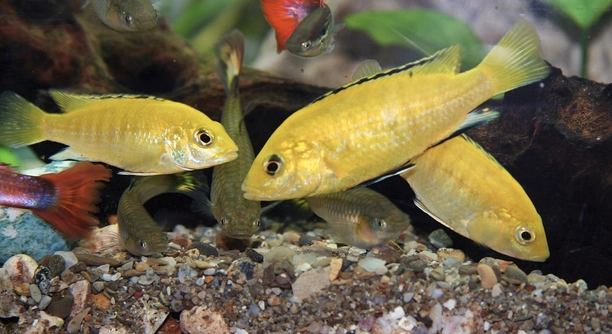
Many cichlid owners enjoy the vibrant colors and lively personalities of these fish. However, it can be frustrating when your cichlid constantly bites the filter tube, disrupting the tank environment and your daily routine.
Cichlids may bite the filter tube due to territorial behavior, stress, curiosity, or insufficient stimulation. Aggression toward equipment can also stem from environmental factors, dietary deficiencies, or inadequate hiding spots. Understanding these causes is essential for maintaining a healthy and balanced aquarium.
Knowing why your cichlid targets the filter tube helps create a calmer tank environment and promotes the overall well-being of your fish.
Territorial Instincts
Cichlids are naturally territorial fish, and they often see objects in their tank as part of their domain. A filter tube can become a target because it intrudes into their space. This behavior is more common in aggressive species or during breeding periods when they are protecting eggs or fry. Even in a well-settled tank, a new addition or rearrangement can trigger defensive behavior. The fish may repeatedly bite or nudge the filter tube to assert dominance or mark its territory. Over time, this can damage the tube or create stress for the fish, especially if it cannot find alternative areas to establish control. Providing plenty of hiding spots, rocks, and plants can help redirect territorial behavior and reduce the focus on the filter tube. Observing your fish during these periods can give insights into which areas it considers critical to defend and how to minimize conflict.
Territorial biting often peaks during breeding and can be managed with proper tank organization.
Ensuring your cichlid feels secure in its space is key. By arranging decorations and plants strategically, you can create multiple zones that satisfy its territorial needs. Using taller plants, rock caves, and visual barriers helps the fish feel it has control without targeting the filter tube. Sometimes, adjusting the tank layout gradually reduces stress and encourages natural, healthy behavior while preserving equipment.
Curiosity and Exploration
Cichlids are curious by nature and may explore the filter tube with their mouths.
Curiosity drives them to interact with unfamiliar objects, and the filter tube is often a convenient point of interest. They may nibble, push, or inspect it repeatedly as part of exploring their environment. This behavior is normal but can become persistent if the tube is brightly colored, shiny, or creates unusual water movement. Environmental enrichment can reduce this habit by providing alternative objects, such as floating toys, rocks, or textured surfaces. Some owners notice that feeding routines or interaction patterns increase exploratory biting, as fish associate activity around the filter with food or movement. Offering distraction in the form of new decorations or rearranged spaces often channels curiosity in a less disruptive way. Over time, the fish can learn to focus on these alternatives rather than the filter tube.
Adding enrichment items and changing tank features regularly helps redirect curiosity.
Providing a dynamic environment with plenty of stimuli allows your cichlid to satisfy its natural inquisitiveness. Simple additions like driftwood, rock formations, and varied substrate textures give the fish something engaging to investigate. This reduces repeated interactions with the filter tube and encourages more natural swimming patterns. Additionally, regular feeding and consistent tank maintenance reassure your cichlid that its needs are met, lowering stress-driven exploration. Observing its behavior allows you to identify which objects or areas attract attention, so you can manage tank layout effectively. Over time, your fish can maintain a healthy balance between curiosity and calm tank life, ensuring both equipment safety and the cichlid’s well-being.
Stress and Overcrowding
Stress can trigger filter tube biting, especially in crowded tanks. High population density, aggressive tankmates, or sudden changes in water parameters can make cichlids act out on objects like the filter tube.
Overcrowding increases competition for space, food, and hiding spots. Cichlids under constant stress may display aggressive or repetitive behaviors, such as nipping the filter tube. Ensuring enough room for each fish, providing sufficient hiding places, and maintaining stable water conditions can reduce stress levels. Stress not only causes equipment-targeted behaviors but also impacts overall health, weakening the immune system and making the fish more susceptible to disease. Observing interactions closely helps identify if the tank’s population or setup is causing tension among the fish.
Gradual adjustments to the tank layout, combined with monitoring water quality and fish behavior, can significantly decrease stress-driven biting. Reducing stress improves fish well-being and preserves equipment.
Insufficient Stimulation
Cichlids require mental and physical stimulation to remain calm. A lack of environmental enrichment can lead them to focus on the filter tube for activity.
Providing a variety of objects and decorations keeps cichlids engaged. Rocks, plants, driftwood, and hiding caves allow them to explore and establish territories. When tanks are sparse, fish may repeatedly bite the filter tube out of boredom or curiosity. Interactive environments encourage natural behaviors like foraging and swimming through different zones, preventing repetitive, destructive habits. Rearranging decorations periodically also adds novelty, keeping the fish mentally active. A balanced combination of visual barriers, textured surfaces, and varied hiding spots allows cichlids to express their instincts without targeting equipment.
Regular observation helps identify which areas attract attention and whether stimulation levels are sufficient. Ensuring proper enrichment prevents frustration, promotes healthy behavior, and protects tank components from excessive damage.
Incorrect Water Flow
Strong or uneven water flow from the filter can irritate cichlids, prompting them to bite the tube. Flow that feels unnatural may cause them to react defensively or investigate repeatedly.
Adjusting the filter’s flow rate and direction can reduce this behavior. Gentle currents are usually sufficient for most cichlid species and prevent stress-related biting.
Nutritional Deficiencies
A lack of essential vitamins and minerals can make cichlids more aggressive or restless. Nutritional gaps sometimes manifest as repeated interactions with objects like the filter tube.
Providing a balanced diet with high-quality pellets, occasional live or frozen foods, and supplements if needed ensures your cichlid receives proper nutrition. Regular monitoring of appetite and behavior helps identify potential deficiencies early, reducing undesirable habits and supporting overall health.
Lack of Hiding Spots
Insufficient hiding places can make cichlids feel exposed and insecure, leading them to bite the filter tube for comfort or distraction.
Adding caves, rocks, and dense plants gives fish secure areas to retreat and reduces focus on equipment.
FAQ
Why does my cichlid bite the filter tube constantly?
Repeated biting of the filter tube is usually linked to natural behaviors such as territoriality, stress, or curiosity. In some cases, it can be a reaction to insufficient stimulation or overcrowding. Observing tank conditions, fish interactions, and environmental setup helps determine the exact cause.
Can biting the filter tube harm my cichlid?
Generally, occasional nibbling does not cause physical harm, but persistent biting can lead to stress, fatigue, or injuries to the mouth and fins. Long-term stress may weaken the immune system, making the fish more susceptible to disease. Proper tank management reduces risks associated with repetitive behavior.
Will adjusting the filter help stop the biting?
Yes, modifying water flow or repositioning the tube can reduce irritation and discourage biting. Many cichlids react negatively to strong or turbulent currents. Gentle, consistent water movement often resolves repeated interactions with equipment.
Does tank size affect this behavior?
Overcrowded tanks increase stress and competition for space, which can trigger aggression or repeated biting. Ensuring enough space for each cichlid, along with multiple hiding areas, significantly reduces the likelihood of filter tube targeting.
Can diet influence this behavior?
Nutritional deficiencies can make cichlids restless, aggressive, or more prone to object-biting. Feeding a varied diet of high-quality pellets, live or frozen foods, and occasional supplements ensures proper nutrition and reduces boredom-driven habits.
Do certain species bite more than others?
Yes, more aggressive cichlid species, such as Mbunas or certain African cichlids, are more prone to biting objects in the tank. Behavior varies by species and individual personality, so understanding the specific type of cichlid helps anticipate and manage biting tendencies.
Will adding decorations stop the biting?
Adding rocks, caves, plants, or driftwood provides alternative areas to explore, hide, and establish territory. These changes reduce stress, boredom, and territorial aggression, which often shifts attention away from the filter tube. Rearranging tank decorations periodically keeps fish engaged.
How long does it take to stop this behavior?
The timeline depends on the cause. Adjusting environment, flow, diet, and enrichment may take several days to weeks for noticeable improvement. Patience is important, as cichlids gradually adapt to changes in their habitat.
Should I be concerned about water quality?
Poor water quality increases stress and aggression. Regular testing and maintenance, including water changes, temperature checks, and filter cleaning, are crucial. Healthy water conditions reduce biting behavior and support overall fish health.
Is this behavior common in home aquariums?
Yes, biting equipment is a typical behavior among cichlids, especially in smaller tanks or during stressful periods. With proper care, enrichment, and monitoring, it can be managed effectively without harming the fish or equipment.
Can tankmates influence filter biting?
Aggressive or territorial tankmates can increase stress, prompting a cichlid to target the filter tube. Observing interactions and separating aggressive fish when needed helps maintain a calm tank environment.
Are there temporary fixes if my cichlid keeps biting?
Placing protective covers, redirecting attention with floating objects, or adjusting filter placement can temporarily reduce biting. Long-term solutions involve addressing root causes such as stress, lack of stimulation, and territorial needs.
How can I tell if the biting is stress-related?
Signs include rapid gill movement, hiding, color fading, loss of appetite, or erratic swimming. Stress-driven biting often coincides with other behavioral changes. Identifying these signs allows timely intervention to improve fish well-being.
Does changing the tank layout frequently help?
Yes, occasional rearrangement of plants, rocks, and hiding spots encourages exploration and reduces repetitive biting. Introducing novelty in the tank keeps cichlids mentally engaged and distracts from equipment.
Can I ignore the behavior if the fish seems healthy?
Ignoring it is possible for minor biting, but persistent interaction can stress the fish and damage equipment. Addressing the behavior proactively ensures long-term tank stability and fish health.
Is it normal for a cichlid to bite only at certain times?
Yes, biting often increases during breeding, feeding, or when new objects are added. Understanding these patterns helps manage behavior without unnecessary intervention.
Do younger cichlids bite more than older ones?
Juvenile cichlids are often more curious and active, which can lead to increased biting. Adult fish may continue due to territorial instincts or established habits. Adjusting tank enrichment can mitigate this behavior at any age.
Can I use deterrents to stop the biting?
Some owners use harmless barriers or protective tubes to reduce damage, but the most effective method is modifying the environment, providing enrichment, and addressing behavioral causes directly. Temporary deterrents work best alongside long-term solutions.
Will separating the filter tube make a difference?
Repositioning or shielding the filter tube can reduce focus on it, especially if the fish bites due to flow direction or accessibility. Combining this with enrichment, hiding spots, and stable water conditions offers the best results.
How do I prevent this behavior in a new tank?
Set up adequate hiding spots, maintain proper water conditions, provide balanced nutrition, and monitor interactions closely from the start. Ensuring a stimulating, well-structured environment prevents boredom and territorial aggression, reducing the likelihood of filter tube biting.
Is biting behavior ever completely eliminated?
While some cichlids may always show occasional interest in the filter, proper care, enrichment, and environmental management minimize the frequency and intensity. Most fish adjust over time, leading to calmer, healthier behavior.
Can breeding affect filter tube biting?
Yes, breeding heightens territorial instincts, making cichlids more likely to guard areas aggressively. Providing sufficient space, multiple hiding zones, and stable conditions helps reduce equipment-focused aggression during this period.
Does lighting affect this behavior?
Sudden changes in lighting or overly bright conditions can stress cichlids and increase biting. Gradual lighting adjustments and natural light cycles help maintain calm and reduce repeated interactions with the filter tube.
Are there signs that the filter is actually causing discomfort?
Yes, constant rubbing, chasing, or biting of the tube, along with avoidance of other areas, suggests the fish is reacting to flow, vibration, or placement. Observing behavior and adjusting equipment accordingly improves tank harmony.
How often should I monitor my cichlid for this behavior?
Daily observation is recommended to catch early signs of stress, territorial aggression, or repetitive biting. Regular monitoring allows timely adjustments to water, diet, and environment to maintain well-being.
Does water temperature play a role?
Incorrect temperatures can increase stress and aggression, leading to biting. Maintaining species-appropriate temperatures ensures comfort and reduces equipment-targeted behavior.
Are certain filter types better for cichlids prone to biting?
Filters with adjustable flow, smooth surfaces, and hidden tubes reduce interaction. Choosing equipment that aligns with species-specific needs decreases stress and minimizes repetitive biting.
Can adding tank mates reduce the behavior?
Not always. Introducing other fish may either distract or increase aggression. Careful selection of compatible species and monitoring interactions is essential before considering new additions.
Does the size of the filter tube matter?
Larger or more intrusive tubes can attract attention or create defensive behavior. Using appropriately sized, discreet tubes helps prevent repeated biting and allows the fish to focus on natural behaviors.
Is this behavior more common in freshwater or saltwater cichlids?
Freshwater cichlids, particularly African species, are more prone to biting equipment due to strong territorial instincts. Saltwater cichlids exhibit similar tendencies, but the frequency depends on species and tank setup.
How can I tell if enrichment is effective?
Fish spending time exploring decorations, hiding in caves, and interacting naturally indicate sufficient enrichment. Reduced focus on the filter tube signals that environmental needs are being met.
Should I consult a professional if biting persists?
Persistent, aggressive behavior despite adjustments may warrant advice from an aquarist or veterinarian. Professional guidance ensures behavioral and health issues are addressed appropriately.
How does breeding season impact equipment-targeted aggression?
During breeding, cichlids guard eggs or fry intensely, often attacking nearby objects. Temporary separation of equipment or added visual barriers can help protect both the fish and the filter.
Are there long-term effects of continuous biting?
Chronic biting can stress the fish, weaken immunity, and damage tank equipment. Consistent monitoring and proactive adjustments are necessary to prevent long-term problems and maintain a healthy aquarium environment.
Can I reduce biting by feeding more frequently?
Proper feeding schedules and varied diets can reduce boredom and aggression, but overfeeding may lead to health problems. Balanced feeding routines address nutritional needs and help manage repetitive behavior.
Does the presence of reflections or glass affect this behavior?
Reflections can trigger territorial responses, increasing equipment interaction. Minimizing reflective surfaces or adding visual barriers helps reduce unnecessary aggression and repeated biting of the filter tube.
Is this behavior more common in certain tank setups?
Tanks with limited space, few hiding spots, strong currents, or high stocking density see more filter tube biting. Optimizing tank layout, environmental enrichment, and proper population control mitigates the issue.
How do I maintain long-term control over this behavior?
Consistent monitoring, proper diet, stable water conditions, enrichment, and well-planned tank layouts collectively reduce filter tube biting. Regular adjustments and observation ensure ongoing fish well-being and equipment safety.
Final Thoughts
Cichlids are fascinating and lively fish, but their behavior can sometimes be challenging to manage. Biting the filter tube is one of the more common issues, and it usually stems from natural instincts like territoriality, curiosity, or stress. While it may seem frustrating at first, understanding why your fish acts this way is the first step toward addressing the problem effectively. Observing your cichlid closely helps identify patterns and triggers, whether it is related to overcrowding, insufficient hiding spots, or environmental changes. Each fish has its own personality, and behavior can vary even among the same species, so patience and careful monitoring are essential.
Managing the tank environment plays a crucial role in reducing filter tube biting. Providing adequate hiding spots, decorations, and plants gives your fish areas to retreat and explore, which satisfies their natural instincts. Adjusting water flow, temperature, and lighting to match the species’ needs also minimizes stress. A balanced diet with proper nutrition supports both physical health and behavioral stability. Additionally, regular tank maintenance and monitoring water quality ensure that the fish remain comfortable and calm. When combined, these measures help create a stable environment where your cichlid feels secure and less likely to target the filter tube.
It is important to remember that some biting behavior may persist despite adjustments, and this is normal. The goal is to reduce frequency and intensity rather than completely eliminate natural tendencies. Consistency in tank care, enrichment, and feeding routines encourages healthier behavior over time. Observing how your cichlid interacts with its environment provides insight into what works and what needs further adjustment. By addressing the underlying causes and maintaining a well-structured aquarium, you can support your fish’s well-being while protecting your equipment. Understanding and responding to your cichlid’s behavior leads to a calmer, more balanced tank, creating a better experience for both you and your fish.

Hello,
If you enjoy the content that we create, please consider saying a "Thank You!" by leaving a tip.
Every little bit helps us continue crafting quality advice that supports the health, happiness, and well-being of pets around the world, for pets of all shapes, sizes, and species.
We really appreciate the kindness and support that you show us!