
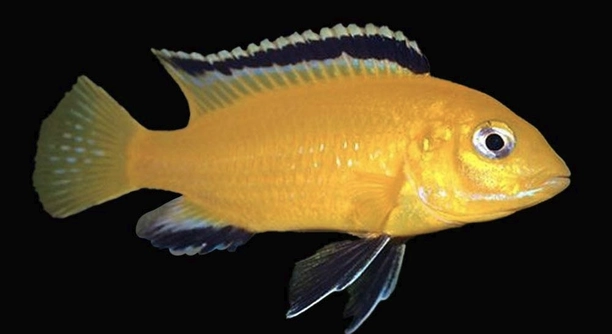
Electric Yellow Cichlids are popular for their bright color and lively behavior in home aquariums. Many fishkeepers enjoy watching them thrive, but sometimes these vibrant fish show little interest in breeding, leaving owners puzzled.
Electric Yellow Cichlids may refuse to breed due to stress, poor water conditions, insufficient nutrition, lack of proper tank setup, incompatible pairs, health issues, or disruptions in their natural breeding cycle. Addressing these factors can improve breeding success.
Understanding these reasons can help you create a healthier environment for your fish. Each factor plays a role in encouraging your cichlids to reproduce successfully.
Stress in the Aquarium
Stress can prevent Electric Yellow Cichlids from breeding even when everything else seems right. Sudden changes in water temperature, strong currents, or loud noises around the tank can make the fish nervous. Overcrowding also adds tension, as cichlids need space to feel secure. Stress weakens their immune system and reduces their natural desire to reproduce. Even minor changes like rearranging decorations or moving the tank slightly can impact their comfort. Observing your fish closely will reveal if they hide often or become aggressive, which are signs of stress. Providing hiding spots, gentle water flow, and stable conditions can help them relax. Maintaining a consistent feeding routine and avoiding sudden disturbances also contributes to a calm environment. Over time, a low-stress habitat encourages natural behaviors, including courtship and spawning. By keeping stress minimal, you give your cichlids the best chance to breed successfully, supporting their overall health and happiness.
Stress in the tank reduces breeding behavior and can cause aggressive interactions, so keeping conditions calm is essential for reproduction.
Reducing stress involves more than just quieting the room. It includes maintaining steady water parameters, offering enough space, and ensuring each fish has its territory. Hiding spots and plants help them feel safe. Regular, gentle observation lets you spot stress early and act quickly. A calm tank encourages courtship, mating, and healthier fry.
Water Conditions
Poor water quality is a common reason Electric Yellow Cichlids avoid breeding. Dirty water, high nitrate levels, or incorrect pH disrupts their natural instincts. Keeping water clean and stable is crucial for reproduction. Regular water changes and monitoring parameters prevent these issues.
Water temperature, pH, hardness, and cleanliness all directly influence breeding. Electric Yellow Cichlids prefer slightly alkaline water with stable temperatures around 78–82°F. Sudden changes can shock them, stopping mating behaviors. Filtration helps maintain clear water, but frequent partial water changes are needed to remove waste and prevent toxins. Testing water weekly ensures levels stay within the preferred range. Minerals in the water support egg development and overall health. Softening or hardening water to match their natural habitat may also trigger breeding. Keeping the environment consistent reassures the fish and encourages natural behaviors. Clear, healthy water reduces stress and promotes energy for courtship. In addition, adding plants or rocks can mimic their native environment, giving them comfort and privacy to spawn. Following a routine for water management ensures a breeding-friendly tank long term. Proper care and stability make a noticeable difference in whether your Electric Yellow Cichlids decide to reproduce.
Nutrition and Diet
Electric Yellow Cichlids may avoid breeding if their diet is lacking essential nutrients. Feeding a variety of high-quality flakes, pellets, and occasional live or frozen foods keeps them healthy and stimulates reproductive behavior.
A balanced diet directly affects their energy and readiness to breed. Protein-rich foods like brine shrimp, bloodworms, and daphnia help develop strong eggs and sperm. Including vegetable matter such as spirulina flakes or blanched vegetables supports digestion and overall vitality. Poor nutrition can make fish lethargic, reduce coloration, and prevent courtship displays. Feeding smaller amounts multiple times a day ensures consistent energy without polluting the water. A well-fed pair is more likely to show interest in pairing and preparing spawning sites. Monitoring their intake and adjusting the diet based on activity levels can make a significant difference. Healthy fish demonstrate natural behaviors more readily, improving the chances of successful breeding and strong fry development.
Supplementing with vitamins and minerals also boosts breeding potential. Occasional treats like mysis shrimp or finely chopped krill provide extra nutrients that encourage mating behaviors. Observing which foods your fish prefer helps maintain their interest in feeding and stimulates courtship. Keeping a consistent feeding schedule combined with varied, nutritious foods creates optimal conditions for reproduction.
Tank Setup
Proper tank setup is essential for Electric Yellow Cichlids to feel secure and breed. Adequate hiding spots, caves, and flat surfaces for spawning make a difference in reproductive success.
The tank should be spacious enough to allow territories and reduce aggression. Rocks, caves, and clay pots give the fish private areas for courtship and egg-laying. Substrate type also matters; smooth sand or fine gravel is preferred for egg protection. Overcrowding increases stress and can prevent breeding entirely. Separating aggressive individuals or providing multiple hiding spots helps maintain harmony. Lighting should mimic a natural day-night cycle to support normal behavior. Plants can offer additional cover, but they should not overcrowd the space or restrict swimming. The arrangement of the tank should allow both privacy and clear swimming areas for displays. Maintaining stable water conditions alongside proper setup encourages natural courtship rituals and successful spawning.
Incompatible Pairs
Some Electric Yellow Cichlids simply do not pair well. Mismatched temperament or age differences can prevent breeding and increase aggression between fish.
Even healthy fish may ignore each other if they are not compatible. Observing behavior is important to identify pairs that show interest in each other.
Health Issues
Illnesses or parasites can stop breeding entirely. Infected fish often hide, eat less, and lack energy for courtship. Ensuring fish are free of disease before pairing is critical. Regular observation, quarantine for new fish, and maintaining water quality help prevent health problems that interfere with reproduction.
Breeding Cycle Timing
Electric Yellow Cichlids have natural breeding cycles influenced by age, maturity, and environmental conditions. Spawning will not occur if these cycles are not aligned with optimal conditions in the tank. Timing and readiness are key factors for successful reproduction.
FAQ
Why are my Electric Yellow Cichlids not showing any interest in breeding?
A lack of interest in breeding is usually linked to stress, poor water conditions, or inadequate nutrition. Fish need a calm environment, proper tank setup, and a balanced diet to feel secure enough to court and spawn.
How do I reduce stress in my cichlids to encourage breeding?
Stress can be minimized by keeping the water stable, avoiding sudden movements around the tank, and providing hiding spots. Overcrowding should be avoided, and aggressive fish should be separated. Consistent feeding and gentle observation also help create a low-stress environment.
What water parameters are ideal for breeding Electric Yellow Cichlids?
They prefer a pH of 7.5–8.5, moderate hardness, and stable temperatures between 78–82°F. Regular water changes, filtration, and testing for ammonia, nitrites, and nitrates are essential. Consistency in water quality encourages spawning behavior and protects fish health.
Can diet really influence breeding success?
Yes, nutrition is critical. High-protein foods like brine shrimp or bloodworms, combined with vegetable matter, improve egg and sperm quality. Regular feeding in small amounts maintains energy and supports natural courtship behavior. Occasional vitamin-rich treats can further stimulate reproduction.
Do all Electric Yellow Cichlids breed naturally in home tanks?
Not all pairs will breed easily. Age, compatibility, and individual temperament affect success. Some fish may take time to form bonds or require specific environmental cues before spawning. Observing interactions helps determine if they are ready.
How important is tank setup for breeding?
Tank setup is very important. They need space, flat surfaces, caves, or clay pots for spawning. Proper layout reduces aggression, provides privacy, and mimics their natural environment. Substrate choice, lighting, and swimming areas also affect comfort and readiness to breed.
What signs indicate cichlids are ready to breed?
Courtship displays, color intensification, cleaning of flat surfaces, and paired swimming are signs. Males may guard territory, while females prepare a spawning site. Lack of these behaviors suggests adjustments in environment, diet, or pairing may be necessary.
Can health problems prevent breeding?
Yes, illnesses, parasites, or infections reduce energy and interest in mating. Fish may hide, eat less, or behave lethargically. Quarantining new fish, treating diseases promptly, and maintaining water quality reduce health risks and support reproductive behavior.
How long does it take for Electric Yellow Cichlids to spawn once conditions are right?
Once a pair is ready and the environment is stable, courtship and egg-laying can occur within days. Timing depends on fish maturity, comfort in the tank, and previous stress. Monitoring the pair closely helps ensure proper care during spawning.
What should I do if my cichlids still refuse to breed?
Reevaluate water quality, diet, tank setup, and pair compatibility. Consider separating aggressive individuals or adjusting hiding spots. Patience is essential, as some fish take weeks or months to feel secure and initiate spawning. Making gradual, consistent changes improves success.
Are there ways to encourage multiple pairs to breed in the same tank?
Yes, providing enough space, multiple hiding spots, and separate territories reduces conflicts. Keeping consistent water conditions and feeding a nutritious diet helps multiple pairs feel secure. However, careful observation is required to prevent aggression or egg predation.
How can I care for eggs and fry once breeding occurs?
After spawning, parents usually guard eggs and fry. Ensure water quality remains stable, avoid disturbing the area, and provide fine food for fry. Some breeders separate fry to a nursery tank to reduce stress and increase survival rates.
Do seasonal changes affect breeding?
Yes, temperature fluctuations and daylight length can influence spawning behavior. Mimicking natural seasonal patterns in the tank can trigger breeding cycles. Maintaining stable water conditions while gradually adjusting temperature or lighting helps simulate seasonal cues.
Can a single male or female breed alone?
No, Electric Yellow Cichlids require a compatible pair. A single fish cannot spawn, and forcing pairing with an incompatible partner may cause aggression. Observing behavior helps identify pairs ready to breed and minimizes stress for all fish.
Is it normal for some pairs to never breed?
Yes, individual temperament, age, or health can prevent some pairs from spawning. Not every fish will reproduce in captivity, even with optimal conditions. Focusing on compatible pairs and maintaining ideal conditions improves the chances of success.
What common mistakes prevent breeding success?
Overcrowding, poor water quality, inadequate diet, incompatible pairs, and insufficient hiding spots are frequent issues. Sudden environmental changes, aggressive tankmates, or neglecting stress signs also prevent breeding. Addressing these factors systematically is key for encouraging reproduction.
How often should I monitor water conditions during breeding attempts?
Daily observation of temperature, pH, and clarity helps detect problems early. Weekly testing of ammonia, nitrites, and nitrates ensures water remains within safe limits. Maintaining consistent water quality supports courtship, spawning, and fry survival.
Do Electric Yellow Cichlids need any special equipment to breed successfully?
Basic equipment includes a reliable heater, filter, and thermometer. Caves, flat surfaces, and a secure tank lid are also useful. Additional items like water test kits and feeding tools ensure a healthy, breeding-friendly environment.
Final Thoughts
Electric Yellow Cichlids are beautiful and lively fish that bring energy and color to any aquarium. Breeding them can be challenging, but understanding the main reasons they may refuse to breed helps simplify the process. Stress, water conditions, nutrition, tank setup, compatibility, health, and natural breeding cycles all play important roles. Each factor contributes to whether your cichlids feel comfortable enough to court, lay eggs, and raise fry. Paying attention to these details is not only helpful for breeding success but also for keeping your fish healthy and active. Creating a calm, stable environment benefits both their well-being and their willingness to reproduce.
Stress is often the most overlooked factor. Even small disturbances, like loud noises, sudden movements, or overcrowding, can make fish feel unsafe and reduce their natural instincts. Providing hiding spots, caves, and areas where they can feel secure is important. A calm tank with consistent feeding, gentle observation, and proper water flow encourages natural behavior. Nutrition is equally important. A varied diet with high-quality protein and vegetable matter gives the fish energy and supports egg and sperm development. Occasional treats and supplements can further enhance breeding readiness. Combining stress reduction, proper nutrition, and a suitable tank setup creates a more favorable environment for reproduction.
Health and compatibility also cannot be ignored. Illness or parasites can prevent breeding entirely, and incompatible pairs may show aggression or simply ignore each other. Ensuring fish are healthy before pairing, monitoring interactions closely, and adjusting tank conditions when needed is crucial. Natural breeding cycles and timing also influence success, so patience is necessary. Even with all conditions ideal, some fish may take longer to feel secure and ready to spawn. By paying attention to these factors, you increase the chances of successful breeding while supporting the long-term health and happiness of your Electric Yellow Cichlids. Proper care and observation make the process smoother, and over time, you will better understand your fish’s behavior and needs.

Hello,
If you enjoy the content that we create, please consider saying a "Thank You!" by leaving a tip.
Every little bit helps us continue crafting quality advice that supports the health, happiness, and well-being of pets around the world, for pets of all shapes, sizes, and species.
We really appreciate the kindness and support that you show us!