
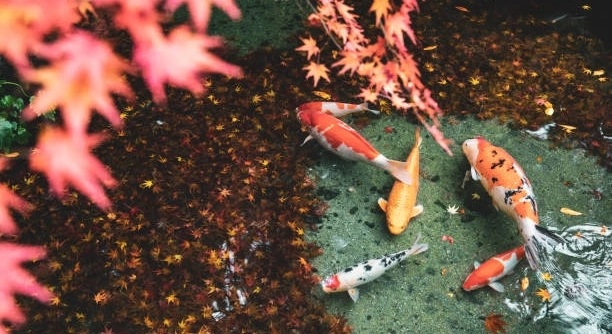
Koi are social fish that often form close connections with one another in their pond environment. Observing how they interact can reveal signs of these bonds. Recognizing these clues helps in understanding their behavior better.
Koi bonding is demonstrated through consistent group swimming, mutual following, synchronized feeding, gentle physical contact, and shared resting spots. These behaviors indicate social affinity and comfort among the fish, reflecting established relationships and reduced stress within the group.
Recognizing these signs allows koi keepers to better care for their fish and support healthy social interactions within the pond. This understanding enriches the experience of observing koi behavior.
Group Swimming Patterns
Koi that have bonded tend to swim together closely and often in the same direction. This behavior shows comfort and trust within the group. When koi swim in a coordinated manner, it reduces stress and provides a sense of security. Bonded koi may circle the pond or glide side by side during feeding time. This close swimming also helps them avoid predators. Observing this pattern can help identify which koi are most connected. Group swimming often begins once koi spend time together in a shared environment. It is a sign they recognize each other and prefer each other’s company over others. The more synchronized their movements, the stronger the bond between them. Pond owners can encourage this behavior by maintaining good water quality and consistent feeding schedules, which supports healthy social interaction.
Swimming together in a group is a clear sign that koi have formed a social connection and feel safe together.
Recognizing group swimming helps pond keepers monitor koi welfare. This behavior supports natural instincts and promotes mental well-being. Bonded koi use swimming as communication, reinforcing their relationships and minimizing conflicts. It is also an indicator of a stable and peaceful pond environment.
Mutual Following Behavior
Mutual following is a common behavior in koi that have formed bonds. One fish will swim behind or alongside another, maintaining close proximity. This can happen during feeding or while exploring the pond. Following shows attention and interest between the koi. It also indicates a level of trust, as fish feel safe enough to stay near one another. Sometimes, this behavior can shift roles, with koi taking turns leading or following. It is a form of social interaction that strengthens their connection. Mutual following can help reduce anxiety and encourages group cohesion. Pond keepers can observe this behavior as a sign that koi are comfortable and healthy. It also reflects their ability to cooperate and coexist peacefully in the same space.
Mutual following reveals important social bonds, showing koi prefer specific companions and enjoy shared activities.
Following one another signals koi engagement and strengthens social ties. This behavior is essential for group harmony and allows the fish to coordinate movements, especially during feeding. It also helps establish a social hierarchy without aggression, promoting a calm pond environment. Observing mutual following provides insight into koi behavior and helps maintain a balanced ecosystem within the pond.
Synchronized Feeding
Koi that have bonded often eat at the same time and in close proximity. This shows comfort and trust, as they do not feel threatened by one another during feeding.
Synchronized feeding helps reduce competition and aggression over food. Bonded koi wait their turn and share the feeding area peacefully. They tend to gather and eat side by side, which indicates a strong social connection. Feeding together also strengthens their bond by reinforcing shared routines. Observing koi during feeding time is an effective way to spot these interactions.
This behavior also promotes a calm pond environment. When koi feed together without conflict, it reflects good group dynamics. Bonded koi benefit from this cooperation, as it supports their health and reduces stress during mealtime.
Gentle Physical Contact
Koi that have bonded often show gentle touches, such as brushing fins or nudging softly. This physical contact is a form of communication and connection between them.
These soft interactions indicate trust and affection. When koi touch each other lightly, it signals that they accept one another and feel secure. It can also reinforce bonds formed through swimming and feeding. Gentle contact helps maintain group harmony by calming the fish and reducing aggression.
Physical contact among koi is subtle but important. It strengthens social bonds and supports emotional well-being. This behavior is a reliable indicator of koi that have established positive relationships within their group.
Shared Resting Spots
Bonded koi often choose the same areas to rest or stay still. These spots provide comfort and safety within their environment.
Resting together shows they trust one another and feel secure in their shared space. It reflects a peaceful social dynamic and group cohesion.
Reduced Aggression
Koi that have bonded display fewer aggressive behaviors toward each other. There is less chasing, biting, or territorial disputes.
This reduction in aggression helps maintain harmony in the pond. It shows that koi recognize and accept one another, which improves their overall well-being.
Mirroring Movements
Bonded koi often mirror each other’s movements. They mimic swimming patterns and speed, reinforcing their connection and coordination within the group.
Following Leaders
In bonded groups, some koi naturally take on leadership roles. Others follow, respecting the social structure that has developed over time.
FAQ
How long does it take for koi to bond with each other?
Koi bonding varies depending on their environment and personalities. It can take several weeks to a few months for koi to form strong social bonds. Consistent conditions, such as stable water quality and regular feeding, encourage this process. Koi kept together from a young age tend to bond faster than those introduced later. Providing enough space and hiding spots also helps reduce stress, allowing relationships to develop naturally. Watching their behavior over time reveals when bonds have formed.
Can koi bond with different species of fish?
Koi primarily bond with their own kind, but they can show some level of comfort around other peaceful species. However, strong social bonds are usually limited to other koi. Different species may coexist peacefully without bonding closely, as their behaviors and social needs differ. Introducing other fish should be done carefully to avoid stress or aggression. Maintaining a compatible pond environment helps keep all fish healthy and relaxed, even if bonds between species are minimal.
Is it normal for koi to fight even if they are bonded?
Some minor disagreements can occur even among bonded koi. These are usually brief and don’t cause lasting harm. It’s part of establishing and maintaining social order. However, constant or severe fighting is a sign of stress, overcrowding, or poor water conditions. Monitoring aggression levels is important to ensure the well-being of the group. Providing enough space and hiding places helps reduce conflict and maintain harmony among bonded koi.
How can I encourage koi bonding in my pond?
Maintaining good water quality and feeding koi at consistent times supports bonding. Avoid overcrowding by giving each fish enough space. Adding plants and structures creates safe areas for koi to interact comfortably. Group koi of similar size together to reduce competition. Observing their behavior regularly helps identify bonding signs early. Patience is key, as relationships develop naturally over time with proper care and environment.
Do koi recognize their owners or caregivers?
Koi can recognize familiar people through repeated interaction, especially if feeding is involved. They often respond by swimming to the surface or following movement near the pond. While this recognition is based on learned behavior rather than emotional bonding, it shows koi can associate humans with food and safety. Regular gentle interaction helps build trust between koi and caregivers, contributing to their overall comfort.
What are signs that koi are stressed despite appearing bonded?
Even bonded koi can experience stress due to poor water quality, sudden changes, or illness. Signs include erratic swimming, hiding excessively, loss of appetite, or faded colors. Watching koi closely helps detect stress early. Providing clean water, stable temperatures, and a calm environment reduces stress levels. Addressing issues promptly supports the health and social bonds of the koi group.
Can koi lose bonds if the environment changes?
Significant changes like moving koi to a new pond or adding aggressive fish can disrupt bonds. Stress from such changes may cause koi to avoid each other or increase aggression. Reintroducing koi slowly and maintaining stable conditions can help restore bonds. Keeping consistent routines during transitions supports social recovery. Bonds may weaken temporarily but can rebuild with patience and proper care.
Is it necessary to keep koi in groups for their well-being?
Koi are social fish that benefit from living in groups. Group living reduces stress, encourages natural behaviors, and supports mental health. Isolated koi may become anxious or inactive. Keeping at least three koi together allows social interaction and bonding. A balanced group size depends on pond size and filtration capacity. Providing a stable group environment promotes healthier, happier koi overall.
How does water quality affect koi bonding?
Poor water quality increases stress, which can interfere with social behaviors and bonding. Ammonia, nitrite, and nitrate levels must be monitored regularly. Clean, well-oxygenated water encourages koi to interact naturally and form bonds. Consistent maintenance of filters and water changes helps maintain a stable environment. Good water quality supports koi health and fosters positive social relationships.
Are there differences in bonding behavior among koi varieties?
While all koi exhibit bonding behaviors, some varieties may differ slightly due to temperament or size. For example, larger koi might be more dominant and influence group dynamics. Generally, bonding signs like swimming together, following, and gentle contact are consistent across varieties. Understanding individual koi personalities also helps interpret their social behavior better. Regardless of variety, providing a peaceful environment encourages bonding among all koi.
Final Thoughts
Koi bonding is an important part of their social behavior and overall well-being. Observing signs like synchronized feeding, gentle physical contact, and shared resting spots helps identify which koi have formed connections. These behaviors show comfort and trust within the group, which contributes to a peaceful pond environment. Recognizing these clues allows pond owners to better understand their fish and create conditions that support healthy relationships.
Maintaining stable water quality, providing enough space, and offering consistent feeding routines are key factors in encouraging bonding among koi. Stress can disrupt social connections, so it is important to monitor the pond’s environment carefully. Adding plants and structures also helps by giving koi safe places to interact and retreat when needed. A calm and clean pond promotes natural behaviors and supports the long-term health of the koi.
Koi are social animals that thrive in groups where bonds have formed. While they can sometimes show minor conflicts, overall harmony indicates positive relationships. It is normal for bonds to take time to develop and occasionally weaken with changes in the environment. Patience and careful care are essential for supporting these bonds. Understanding koi behavior and the clues they provide leads to a better experience for both the fish and the pond owner.

Hello,
If you enjoy the content that we create, please consider saying a "Thank You!" by leaving a tip.
Every little bit helps us continue crafting quality advice that supports the health, happiness, and well-being of pets around the world, for pets of all shapes, sizes, and species.
We really appreciate the kindness and support that you show us!