
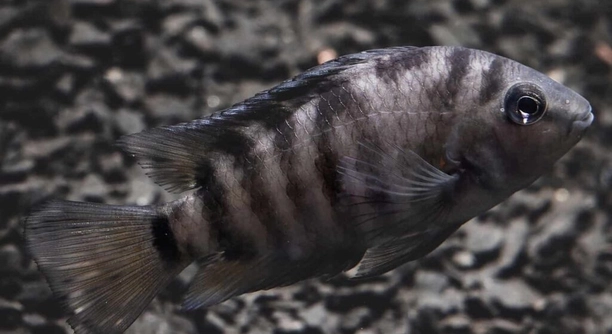
Watching cichlid behavior offers a unique glimpse into the fascinating world of these colorful fish. Observing their movements and interactions can reveal much about their health, environment, and social dynamics. Paying attention to these details enriches the aquarium experience.
Closely monitoring cichlid behavior allows for early detection of stress, illness, or aggression. It also aids in understanding their breeding habits and social hierarchy, contributing to better tank management and overall fish welfare. Careful observation is essential for maintaining a balanced aquatic environment.
Knowing how cichlids behave can improve your ability to care for them and create a more harmonious tank. The following reasons highlight why close observation is worthwhile for every fish enthusiast.
Understanding Social Hierarchy in Cichlids
Cichlids have complex social structures that influence their behavior significantly. Watching them closely helps you recognize dominant and submissive roles within the tank. Dominant fish often display brighter colors and more confident movements, while submissive ones may hide or stay still. This social order affects feeding patterns and breeding success. If the hierarchy is disrupted, it can lead to stress and aggression, harming all the fish. Observing interactions such as chasing, nipping, or displaying fins gives clues about their status and mood. Knowing these details allows you to adjust tank conditions, like rearranging decorations or separating aggressive individuals, to restore balance. This understanding also helps prevent fights that could injure the fish or damage the environment. By paying attention to these subtle signals, you can promote a healthier and more peaceful aquarium for your cichlids.
Careful observation of social cues helps maintain harmony and reduces conflict among cichlids.
Watching how cichlids interact daily gives you insight into their needs and wellbeing. When you see signs of stress or bullying, you can intervene early, preventing injuries. Proper tank setup, with enough hiding spots and space, supports healthy social dynamics. This close attention to their relationships improves their overall health and longevity, making your aquarium a more stable and enjoyable place.
Detecting Early Signs of Illness
Noticing changes in behavior is often the first sign that a cichlid might be unwell.
Illness in cichlids often shows through changes in swimming patterns, appetite, or appearance. A fish that isolates itself, loses color, or stops eating could be experiencing stress or disease. Early detection is crucial to prevent illness from spreading and worsening. By observing your cichlids regularly, you can spot symptoms before they become severe. Some common illnesses include bacterial infections, parasites, and fungal diseases. Treating these issues promptly improves recovery chances. Close monitoring also helps identify environmental problems, such as poor water quality, that contribute to health problems. Keeping water parameters stable and maintaining a clean tank are key preventive measures. Understanding typical behavior makes abnormal signs stand out, allowing you to take quick action to protect your fish.
Keeping an eye on behavior changes supports timely treatment and keeps the tank healthy.
Recognizing Breeding Behavior
Breeding behavior in cichlids is distinct and often easy to spot.
Cichlids show specific actions when preparing to breed, such as cleaning a flat surface, becoming more territorial, or displaying vibrant colors. Males often guard their territory aggressively, while females may stay close to the nesting site. Watching these behaviors helps identify the best time for breeding and ensures you can provide the right environment for successful spawning. Understanding these signs also prevents disturbances that could stress the fish during this sensitive period.
Monitoring breeding behavior closely allows you to support natural reproductive cycles and improve survival rates of fry. Adjusting tank conditions like water temperature and providing hiding spots for the young is essential. This careful attention promotes healthy offspring and reduces stress for the adult fish.
Responding to Aggression Quickly
Aggression can escalate fast if left unchecked, leading to injury or stress among cichlids.
Cichlids can be territorial and may show aggression through chasing, biting, or flaring fins. Recognizing early signs of aggression helps you intervene before fights become severe. Adjusting tank layout, adding hiding places, or separating aggressive fish can calm tensions. It is important to observe which fish are involved and how often aggression occurs. Frequent conflict can weaken fish and make them vulnerable to disease.
Quick response to aggressive behavior maintains a peaceful tank and protects the wellbeing of all fish. Providing enough space and environmental enrichment reduces stress and aggression naturally. Keeping an eye on interactions helps maintain balance and keeps the community stable.
Identifying Stress Indicators
Stress in cichlids often shows through changes in color or behavior.
Common signs include hiding, loss of appetite, and rapid breathing. These indicate the fish may be uncomfortable or threatened by their environment or tank mates.
Improving Tank Environment
A well-maintained tank reduces stress and promotes healthy behavior in cichlids. Clean water, stable temperature, and proper filtration are essential. Adding plants and hiding spots creates a secure space that mimics their natural habitat. This encourages natural behaviors and lowers stress levels, improving overall fish health.
Enhancing Observation Skills
Spending time watching your cichlids daily helps you notice subtle changes. This makes it easier to catch problems early and respond effectively to their needs. Consistent observation is key to a thriving aquarium.
FAQ
Why is it important to watch cichlid behavior closely?
Observing cichlid behavior helps detect early signs of illness, stress, or aggression. It also reveals social structures and breeding readiness. By understanding these behaviors, you can create a better environment, prevent conflicts, and promote the health and wellbeing of your fish.
What are common signs of aggression in cichlids?
Aggression usually shows as chasing, fin flaring, and biting. Dominant fish may chase others away from preferred spots. Early intervention is important to prevent injury. Adjusting tank decorations, adding hiding places, or separating aggressive individuals can help reduce conflicts.
How can I tell if my cichlid is stressed?
Stress signs include hiding, loss of appetite, faded colors, and rapid breathing. Stress can result from poor water quality, overcrowding, or bullying. Regularly monitoring your fish and maintaining good tank conditions are essential for minimizing stress.
What behaviors indicate that cichlids are ready to breed?
Cichlids preparing to breed often clean flat surfaces and become territorial. Males show brighter colors and guard nesting sites. Females stay close to eggs or fry. Observing these behaviors helps time breeding support, like adjusting water temperature or providing shelters.
How do social hierarchies affect cichlid behavior?
Social hierarchies determine which fish dominate territory and feeding. Dominant fish show bold colors and confident movements, while submissive ones may hide or stay still. Disruptions in hierarchy can cause stress and fights, so understanding this helps maintain peace in the tank.
What should I do if I notice a fish is isolating itself?
Isolation can signal illness or stress. Check water quality and observe for physical symptoms like spots or fin damage. Quarantine the fish if needed and consider consulting a vet or aquatic specialist. Early action improves recovery chances.
Can tank setup affect cichlid behavior?
Yes, tank size, decorations, and hiding spots greatly impact behavior. A cramped tank causes stress and aggression. Providing enough space and shelters mimics natural habitats, encouraging natural behaviors and reducing conflicts.
How often should I observe my cichlids?
Daily observation is ideal to notice small changes in behavior or appearance. Consistent monitoring allows for quick responses to health or social issues, helping maintain a stable environment.
What environmental factors most influence cichlid health?
Water temperature, pH, and cleanliness are critical. Stable conditions prevent stress and illness. Regular water changes and good filtration keep the tank healthy. Sudden changes in water parameters can cause behavioral shifts and health problems.
How can I encourage peaceful behavior among cichlids?
Ensure the tank is spacious with plenty of hiding spots. Avoid overcrowding and keep compatible species together. Observe interactions regularly and separate aggressive fish if necessary. A well-planned environment reduces stress and helps fish coexist peacefully.
What are the signs of good health in cichlids?
Bright colors, active swimming, regular feeding, and clear eyes indicate good health. Healthy cichlids explore their environment confidently and show normal social behavior. Watching for these signs helps confirm they are thriving.
Is it normal for cichlids to change color?
Yes, color changes can indicate mood, health, or breeding readiness. Darkening or brightening is often linked to stress or dominance displays. Sudden fading or spots could signal illness and should be monitored carefully.
How can I support cichlids during breeding?
Provide flat surfaces for egg-laying, maintain clean water, and avoid disturbing the pair. Separate fry from adults if necessary to improve survival. Observing their behavior guides you to adjust conditions for successful breeding.
What should I do if aggression becomes constant?
Consider re-arranging tank decorations or increasing hiding spaces. If aggression persists, separate aggressive fish temporarily or permanently. Overcrowding can worsen aggression, so ensure adequate tank size for your fish population.
Can observing behavior reduce tank maintenance issues?
Yes, spotting behavioral changes often signals water quality problems or illness early. This allows you to address issues before they escalate, reducing tank stress and the need for intensive cleaning or treatments.
How do cichlids communicate?
Cichlids communicate through body language, color changes, and movements. Fin displays and chasing convey dominance or mating intentions. Understanding these signals helps in managing their social dynamics and wellbeing.
What role does diet play in cichlid behavior?
A balanced diet supports health and reduces stress. Poor nutrition can lead to aggression, lethargy, or illness. Feeding varied, species-appropriate food ensures your cichlids stay active and display natural behaviors.
How can I tell if my cichlid is happy?
Active swimming, social interactions, regular feeding, and normal color vibrancy suggest a content fish. Happy cichlids explore their environment and show natural behaviors like digging or guarding territory.
Is it helpful to keep notes on cichlid behavior?
Yes, tracking behavior helps identify patterns or changes over time. Notes assist in early detection of problems and provide useful information when consulting experts or planning tank adjustments.
Observing cichlid behavior closely is a key part of responsible fish care. Paying attention to how they move, interact, and respond to their environment can give valuable insights into their health and wellbeing. Small changes in behavior often point to larger issues that need addressing, such as illness, stress, or aggression. By noticing these signs early, you can take steps to improve their environment, prevent problems, and help your fish thrive. Regular observation also allows you to understand their natural habits better, which is important for creating a balanced and peaceful tank.
Understanding the social dynamics among cichlids is essential for maintaining harmony in the aquarium. These fish often establish clear hierarchies, and disruptions can cause tension or fights. Watching how they relate to one another helps identify dominant and submissive individuals and reveals signs of stress or aggression. When you know the social structure, it is easier to manage conflicts by adjusting tank layout or separating aggressive fish when necessary. Creating enough space and providing hiding spots are practical ways to reduce stress and encourage natural behaviors. This attention to detail promotes a healthier, more stable community.
Keeping an eye on cichlid behavior also supports breeding and raising young fish successfully. Recognizing breeding readiness and understanding the needs of both parents and fry helps ensure higher survival rates. Good care during these times includes providing the right conditions and minimizing disturbances. Overall, close observation is a simple but powerful tool that improves fish health, tank management, and enjoyment. It encourages a deeper connection with your cichlids and fosters an environment where they can live comfortably and show their true colors.

Hello,
If you enjoy the content that we create, please consider saying a "Thank You!" by leaving a tip.
Every little bit helps us continue crafting quality advice that supports the health, happiness, and well-being of pets around the world, for pets of all shapes, sizes, and species.
We really appreciate the kindness and support that you show us!