
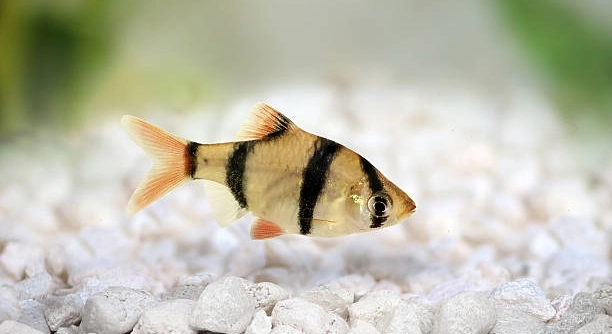
Tiger Barbs are popular freshwater fish known for their bright colors and active behavior. Sometimes, their vibrant appearance can fade, leaving them looking dull and less lively. This change can worry fish owners who want their tanks to stay colorful and healthy.
The dull appearance in Tiger Barbs is often caused by factors such as poor water quality, inadequate diet, stress, illness, or improper lighting. These conditions affect their natural pigmentation and overall health, resulting in a faded or washed-out look.
Recognizing the reasons behind dullness helps maintain your fish’s well-being and ensures they keep their beautiful colors over time.
Poor Water Quality
Maintaining clean water is essential for Tiger Barbs to show their best colors. When water becomes dirty or polluted, it creates stress that directly affects their appearance. Poor water quality often leads to an increase in harmful toxins like ammonia and nitrites. These substances irritate fish and reduce their immune response, making them more vulnerable to diseases. Many owners overlook regular water changes or fail to monitor parameters such as pH, hardness, and temperature. Even minor imbalances can cause noticeable dullness in their coloration. To prevent this, it’s important to test water regularly and perform partial water changes at least once a week. Using a good filtration system also helps keep water clear and safe. A well-maintained environment supports healthy scales and vibrant pigmentation, ensuring your Tiger Barbs look lively and colorful.
Regular water testing and weekly partial changes are effective ways to avoid water-related stress for your fish.
Healthy water creates a stable environment that promotes natural coloration. Fish in clean, balanced tanks are less stressed and more energetic. When water parameters stay consistent, their colors remain sharp and bright. Conversely, dirty or unstable water weakens their immune systems and dulls their appearance. Paying attention to water quality is one of the simplest ways to support your Tiger Barbs’ health and beauty.
Inadequate Diet
An improper diet can quickly cause Tiger Barbs to lose their vibrant colors. Fish need a balanced diet rich in nutrients, vitamins, and pigments to maintain bright scales. Feeding only basic flakes or low-quality food often lacks these essential elements. Without carotenoids and other natural color enhancers, their skin begins to fade. It’s important to include a variety of foods such as high-quality pellets, live or frozen brine shrimp, bloodworms, and spirulina. These provide necessary proteins and promote pigment production. Overfeeding can also cause health problems and water quality issues, so portion control is key. A varied and nutrient-rich diet helps your fish not only look their best but stay healthy for a longer time. Taking care with feeding ensures their colors stay vivid and eye-catching.
Stress and Overcrowding
Stress causes Tiger Barbs to lose their bright colors quickly. Overcrowded tanks or aggressive tank mates increase stress levels. When stressed, their immune systems weaken, leading to duller scales and poor health overall.
High stress levels result from limited space and constant chasing or fighting. Tiger Barbs are active fish that need enough room to swim freely and establish their own territories. Overcrowding limits movement and causes continuous competition for food and hiding spots. Additionally, incompatible tank mates can harass or nip at them, further increasing stress. Providing a spacious tank with peaceful companions helps reduce aggression and stress. Regular observation is necessary to ensure the fish are not showing signs of constant fear or fatigue, which directly affect their coloration.
Ensuring proper tank size and selecting suitable companions supports natural behavior and vibrant colors. A calm environment allows Tiger Barbs to display their full, rich pigmentation.
Illness and Parasites
Diseases and parasites are common reasons for dull coloration in Tiger Barbs. Illnesses often cause lethargy, loss of appetite, and faded colors. Parasites like ich or flukes irritate their skin and scales, causing discoloration.
When Tiger Barbs become sick, their bodies focus on fighting infection rather than maintaining bright colors. External parasites attach to their skin, damaging scales and causing patches of dullness or white spots. Internal diseases also affect metabolism and pigmentation. Early signs include unusual swimming patterns, clamped fins, or visible spots. It is important to quarantine new fish to avoid introducing illness. Prompt treatment using appropriate medications can restore health and color. Regular tank maintenance, proper nutrition, and monitoring for unusual behavior help prevent diseases. Healthy fish are more vibrant and active, showing bright natural hues that contribute to an attractive aquarium.
Inadequate Lighting
Insufficient lighting can cause Tiger Barbs’ colors to fade over time. Proper lighting is essential for their natural pigmentation to develop and stay vibrant.
Using the right type and duration of light helps simulate their natural environment. Too little light weakens their color, while too much can cause stress.
Aging and Natural Color Changes
As Tiger Barbs age, their colors may naturally become less intense. This is a normal part of their life cycle and does not always indicate a health problem.
Older fish often display more muted tones compared to younger ones. While it can be disappointing, aging fish still require good care to stay healthy.
Genetics and Breeding
Genetics play a role in the intensity of Tiger Barbs’ colors. Some fish are naturally less vibrant due to inherited traits.
Selective breeding aims to enhance colors, but not all fish will reach the same brightness. Knowing the origin of your fish helps set realistic expectations.
FAQ
Why do my Tiger Barbs look dull after I introduced new fish?
Introducing new fish can cause stress to your Tiger Barbs, even if they seem fine at first. New tank mates can create tension as the established fish adjust to changes in their environment. This stress often leads to a temporary loss of color. Additionally, new fish might carry diseases or parasites that spread quickly, weakening your Tiger Barbs and dulling their appearance. It’s best to quarantine new fish before adding them and observe all fish closely during the first few weeks.
How often should I change the water to keep my Tiger Barbs colorful?
Performing regular partial water changes is key to maintaining vibrant colors. For most tanks, changing about 20-30% of the water every week helps remove toxins and keep water parameters stable. If the tank is crowded or has heavy feeding, more frequent changes might be necessary. Consistent water quality prevents stress and illness, both of which cause fading. Using a good water conditioner and checking water parameters regularly can help you keep the environment ideal.
Can diet alone restore dull colors in Tiger Barbs?
Diet plays a major role in color health but isn’t the only factor. Feeding a varied, nutrient-rich diet with natural color enhancers like spirulina, krill, or shrimp can boost pigmentation. However, if other issues like stress, poor water quality, or disease are present, diet improvements alone won’t fully restore color. It’s important to address all factors together for the best results. Balanced feeding also supports immune health, which indirectly helps maintain vibrant colors.
Is lighting important for Tiger Barbs’ color, and what kind should I use?
Lighting is crucial because it helps fish develop and display their natural colors. LED lights with full-spectrum capabilities that mimic daylight are ideal. Aim for about 8-10 hours of consistent light daily. Avoid very bright lights that cause stress or promote algae growth, and don’t keep the tank in constant darkness. Proper lighting supports healthy pigment cells and overall well-being. Adjust lighting times gradually if changing the schedule to prevent shock.
How can I tell if my Tiger Barbs’ dullness is caused by illness?
Look for additional signs like lethargy, loss of appetite, clamped fins, abnormal swimming, or white spots on the body. Illness-related dullness often comes with behavioral changes and physical symptoms. If you notice any of these signs, test the water for quality issues and consider isolating the affected fish. Early treatment with appropriate medications can prevent the disease from spreading and improve coloration as the fish recover.
Do genetics affect how bright Tiger Barbs can get?
Yes, genetics influence natural coloration limits. Some Tiger Barbs are bred for brighter, more intense colors, while others have more muted tones. Even with perfect care, genetics set a baseline for how vivid a fish’s colors can be. Knowing the source of your fish helps set realistic expectations for their appearance. Selective breeding programs aim to enhance color but cannot guarantee uniform brightness in every individual.
Will overcrowding always cause Tiger Barbs to lose color?
Overcrowding is a major stress factor that often leads to dull colors, but the effect depends on tank size, filtration, and fish behavior. In small tanks with many fish, competition for space and food increases stress and weakens immune systems. Larger tanks with good filtration and enough hiding spots can reduce negative effects. Observing interactions helps determine if overcrowding is an issue. Providing proper tank conditions allows Tiger Barbs to maintain their color and health.
Can changing tank decorations affect Tiger Barbs’ coloration?
Yes, changes in the tank environment can cause stress that temporarily dulls color. New decorations may alter lighting or disrupt established territories, creating tension. Sharp or rough decorations can injure fish, affecting their scales and pigment. Always introduce new decorations gradually and observe fish responses. Choose smooth, non-toxic materials that fit the tank size and provide hiding spots. A stable, comfortable environment helps fish keep their natural brightness.
How long does it take for Tiger Barbs to regain color after problems are fixed?
The time needed varies depending on the cause and fish condition. For minor stress or diet improvements, colors can return within a few days to weeks. Recovery from illness or long-term poor water quality may take several weeks or more. Patience is important, as pigment cells regenerate gradually. Maintaining ideal water conditions, reducing stress, and providing proper nutrition supports faster recovery. Avoid sudden changes and monitor fish regularly during this period.
Is it normal for Tiger Barbs to change color with the seasons?
While not as common as in some species, slight color changes can occur due to temperature and light variations. Cooler temperatures or reduced daylight might cause subtle fading. These changes are generally temporary and reversible once conditions stabilize. Consistent tank conditions help minimize seasonal color shifts. Keeping temperature and lighting steady year-round supports the fish’s natural coloration and overall health.
Final thoughts on keeping Tiger Barbs looking their best focus on understanding the many factors that influence their coloration. These fish are naturally vibrant, but their colors can fade for various reasons. Knowing what affects their appearance helps you provide the right care and environment. Clean water, a balanced diet, proper lighting, and low stress all play important roles in maintaining their bright colors. By paying attention to these elements, you create conditions that allow Tiger Barbs to thrive and show their natural beauty.
It is also important to recognize that some changes in color are normal. Aging and genetics can influence how bright a fish looks over time. Not every Tiger Barb will have the same level of color intensity, even with excellent care. While dull colors can sometimes be a sign of health issues, they may also be part of the fish’s natural cycle. Regular observation and care help identify when action is needed to improve their condition. In cases of illness or parasite infection, prompt treatment is necessary to restore health and color.
Taking care of Tiger Barbs requires patience and consistency. Their environment should be stable and free from sudden changes that can cause stress. Stress is one of the main reasons fish lose their bright colors, so minimizing overcrowding and choosing compatible tank mates is crucial. Feeding a varied and nutritious diet supports not only their color but overall health. With proper attention, your Tiger Barbs can maintain their vibrant appearance and lively behavior for a long time, adding beauty and activity to your aquarium.

Hello,
If you enjoy the content that we create, please consider saying a "Thank You!" by leaving a tip.
Every little bit helps us continue crafting quality advice that supports the health, happiness, and well-being of pets around the world, for pets of all shapes, sizes, and species.
We really appreciate the kindness and support that you show us!