
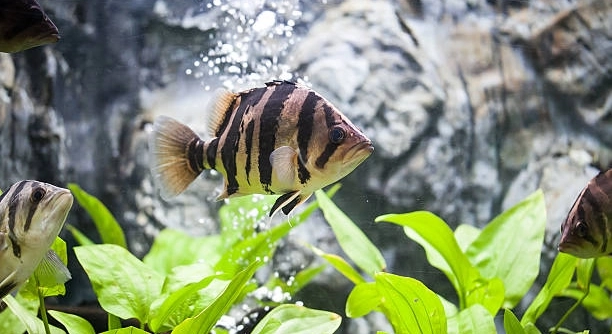
Keeping a barb tank clean and clear is important for a healthy aquarium. Many fish owners struggle with cloudy or murky water, which can harm their fish and plants. This article offers practical tips to maintain clear water easily.
Clear barb tank water depends on proper filtration, regular water changes, controlled feeding, and maintaining balanced tank conditions. These steps help reduce waste buildup, prevent algae growth, and support the natural ecosystem inside the tank.
Applying these simple tricks will improve your tank’s clarity and keep your barbs thriving. The following tips provide effective ways to manage water quality and create a healthy environment.
Proper Filtration Is Key to Clear Water
A good filter is essential for keeping barb tank water clear. It removes waste, uneaten food, and harmful chemicals. Make sure the filter you use matches the size of your tank. Filters with mechanical, chemical, and biological components work best. Mechanical filtration traps debris, chemical filtration removes toxins, and biological filtration helps break down waste through beneficial bacteria. Regularly clean or replace filter media to keep it working efficiently. Avoid over-cleaning, as this can remove helpful bacteria needed for water balance. In addition to filtration, using an air stone or powerhead can improve water circulation and oxygen levels, supporting a healthy environment. Checking the filter flow rate often ensures it is neither too weak nor too strong for your barbs.
Keeping your filtration system well maintained reduces cloudy water and helps prevent fish stress. Clear water shows your tank is balanced and healthy for your barbs to thrive.
Maintaining proper filtration ensures that your tank stays clear longer. A balanced filter system supports both fish health and water quality effectively.
Regular Water Changes Maintain Balance
Performing regular water changes is one of the simplest ways to keep barb tank water clear. Removing a portion of the water helps eliminate dissolved waste and excess nutrients that can cloud the water or fuel algae growth. Ideally, change about 20-30% of the water every one to two weeks. Use a siphon to clean the substrate during water changes, removing leftover debris and fish waste. Make sure replacement water is treated and matches the tank’s temperature to avoid shocking the fish. Consistent water changes keep nitrate and phosphate levels low, which prevents algae blooms and maintains healthy conditions for barbs. Skipping water changes often leads to murky water and unhealthy fish environments. Keeping a regular schedule is simple and effective for water clarity.
Water changes also reduce odors and improve oxygen levels, supporting overall fish wellbeing.
Following a consistent water change routine helps maintain stable water chemistry and prevents buildup of harmful substances. This practice is crucial for long-term tank health. When combined with proper filtration, regular water changes create an environment that supports clear water and vibrant barbs. Over time, this habit will reduce the need for additional cleaning efforts and keep your tank looking its best. Tracking water parameters like ammonia, nitrite, and nitrate can guide the timing and amount of water to change, allowing adjustments as needed. Ultimately, water changes are an essential maintenance step that protects your fish and enhances the tank’s appearance.
Control Feeding Amounts
Overfeeding is a common cause of cloudy barb tank water. Excess food sinks and decomposes, increasing waste and reducing water quality. Feed small amounts that barbs can eat within two to three minutes, once or twice daily.
Uneaten food breaks down quickly, producing ammonia and other toxins harmful to fish. Barbs have small appetites, so measuring food carefully prevents overfeeding. Using a feeding ring can keep food contained, reducing waste spread. It also helps monitor how much your fish actually eat. Avoid feeding snacks or leftovers that can add excess nutrients. When feeding live or frozen foods, remove any uneaten portions promptly. Controlling feeding amounts balances nutrition and water cleanliness, making tank maintenance easier and supporting fish health.
Proper feeding limits organic waste and prevents spikes in harmful chemicals. This simple habit reduces tank cloudiness and supports a balanced ecosystem inside your aquarium.
Use Live Plants to Improve Water Quality
Live plants naturally absorb excess nutrients from the water, helping prevent algae growth and maintaining clarity. Fast-growing plants like hornwort or water sprite are especially effective at nutrient uptake. They provide additional benefits by creating hiding spots and reducing stress for barbs. When planted densely, they compete with algae for resources, limiting algae blooms. Maintaining healthy plants requires proper lighting and occasional fertilization but is generally low effort. Removing dead leaves promptly prevents decay that would cloud the water. Aquatic plants also produce oxygen, enhancing fish respiration and overall tank health. Incorporating live plants creates a more natural and stable environment that supports clear water and thriving fish. Regular trimming and care keep plants vibrant and maximize their water-purifying effects.
Avoid Overcrowding Your Tank
Too many fish in a barb tank increase waste, which clouds the water quickly. Overcrowding stresses fish and makes it harder to maintain water quality.
Keeping the number of barbs appropriate for your tank size ensures a balanced environment. This reduces waste buildup and makes filtration more effective.
Monitor and Adjust pH Levels
Barbs thrive in slightly acidic to neutral water, with a pH between 6.5 and 7.5. Water outside this range can stress fish and encourage algae growth. Regularly testing pH helps catch changes early. If the pH drifts, use appropriate conditioners or natural materials like driftwood to bring it back to the right level. Stable pH promotes clear water and healthy barbs.
Remove Debris Regularly
Using a siphon or net to remove leftover food, plant matter, and waste helps keep the tank clean. This prevents debris from decomposing and clouding the water.
How often should I change the water in my barb tank?
Changing water regularly is important to keep the tank clean and the fish healthy. Ideally, replace 20-30% of the water every one to two weeks. This removes excess waste, toxins, and nutrients that can build up and cause cloudy water. If the tank is heavily stocked or if you notice water quality issues, more frequent changes may be necessary. Always treat new water to remove chlorine and match the temperature to avoid stressing your barbs. Consistent water changes maintain stable water chemistry and support a clear tank environment.
What type of filter is best for a barb tank?
A filter with mechanical, chemical, and biological filtration is best for barbs. Mechanical filtration traps solid waste, chemical filtration removes toxins, and biological filtration supports beneficial bacteria that break down harmful ammonia and nitrites. Choose a filter rated for your tank size to ensure proper water flow and cleaning capacity. Avoid filters that create too strong a current, as barbs prefer gentle water movement. Regular maintenance of the filter media keeps the system working efficiently without harming helpful bacteria.
Can overfeeding cause cloudy water?
Yes, overfeeding is a common cause of cloudy water in barb tanks. Uneaten food settles on the substrate and decomposes, producing excess waste and harmful chemicals like ammonia. This can lead to cloudy water and poor water quality, which stresses fish and encourages algae growth. Feed your barbs only what they can consume in two to three minutes, once or twice daily. Removing any leftover food promptly helps keep the water clean and clear.
Are live plants necessary for a clear barb tank?
Live plants are not absolutely necessary, but they greatly help maintain clear water. Plants absorb excess nutrients such as nitrates and phosphates, which otherwise fuel algae growth and cloudiness. Fast-growing plants like hornwort or water sprite are especially effective. They also improve oxygen levels and provide natural hiding places for barbs. Healthy plants reduce the need for chemical treatments and help create a balanced, natural tank environment.
How does overcrowding affect water clarity?
Overcrowding increases the amount of fish waste and uneaten food in the tank, which leads to rapid buildup of toxins and cloudy water. Too many fish also put stress on filtration systems, making it difficult to maintain clean water. Barbs do best in tanks with appropriate stocking levels, usually about one inch of fish per gallon of water. Keeping the population balanced ensures better water quality and a healthier environment for your fish.
What pH level is ideal for barb tanks?
Barbs prefer a slightly acidic to neutral pH, typically between 6.5 and 7.5. Maintaining this range helps keep fish healthy and prevents conditions that encourage algae growth or water cloudiness. Regularly test the tank water and adjust if necessary using pH conditioners or natural materials like driftwood. Sudden pH changes can stress fish and reduce water clarity, so aim for stable, consistent levels.
How can I safely remove debris from my tank?
Using a siphon vacuum or a small net to remove leftover food, fish waste, and dead plant material helps prevent decay that clouds the water. Regular substrate cleaning during water changes reduces buildup of organic matter. Be gentle to avoid disturbing beneficial bacteria living in the substrate and filter media. Removing debris frequently supports water clarity and overall tank health.
Why does my barb tank water turn cloudy after a water change?
Water can turn cloudy after a change due to disturbance of the substrate or beneficial bacteria colonies. Using untreated or improperly conditioned water may also cause cloudiness. To prevent this, siphon debris gently during changes and use water conditioners to remove chlorine and chloramines. Ensure replacement water matches tank temperature to avoid stressing fish. Cloudiness usually clears in a few hours if proper care is taken.
Can aquarium additives help keep barb tank water clear?
Certain aquarium additives, like water clarifiers, can temporarily bind small particles to help clear cloudy water. However, these are short-term fixes and do not replace regular maintenance like water changes and proper filtration. Overuse of additives may disrupt the tank’s natural balance and harm fish or beneficial bacteria. Focus on preventive care first, using additives only when necessary and following product instructions carefully.
How important is regular testing of water parameters?
Regular testing of ammonia, nitrite, nitrate, pH, and hardness is essential to monitor tank health. Testing helps catch water quality problems early, before they cause cloudiness or harm fish. Knowing your tank’s parameters guides maintenance routines such as water changes and adjustments to filtration or feeding. Testing kits are affordable and easy to use, making them a valuable tool for clear water and healthy barbs.
Maintaining clear water in a barb tank requires consistent care and attention to a few key factors. Proper filtration is essential, as it helps remove waste and harmful chemicals from the water. Regular water changes also play a big role in keeping the tank clean by removing excess nutrients that can cloud the water and promote algae growth. Feeding barbs the right amount of food prevents leftover particles from decomposing and affecting water quality. Together, these steps create a balanced environment that supports clear water and healthy fish.
In addition to filtration, water changes, and feeding control, other habits improve water clarity. Live plants naturally absorb nutrients that would otherwise feed algae, helping to keep the water clear. Avoiding overcrowding reduces waste buildup and helps the filter work efficiently. Monitoring and maintaining the right pH level ensures that fish remain healthy and that algae growth is minimized. Removing debris regularly prevents decaying material from clouding the water. Each of these simple practices contributes to a healthier, clearer tank.
Consistency is key to maintaining clear barb tank water. Regular maintenance routines, including cleaning, feeding control, and water testing, prevent many common issues before they become serious problems. Clear water is a sign of a well-balanced tank where fish can thrive. By following these straightforward care tips, you can enjoy a visually appealing aquarium and support the long-term health of your barbs. Keeping your tank clear does not require complicated methods, just steady attention and good habits.

Hello,
If you enjoy the content that we create, please consider saying a "Thank You!" by leaving a tip.
Every little bit helps us continue crafting quality advice that supports the health, happiness, and well-being of pets around the world, for pets of all shapes, sizes, and species.
We really appreciate the kindness and support that you show us!