
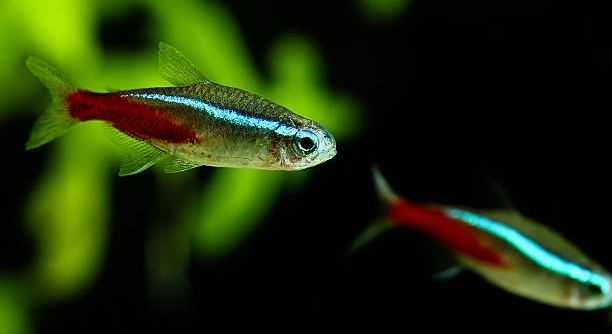
Tetras are popular aquarium fish, but sometimes they fight each other, causing stress and injury. Understanding why this happens can help maintain a peaceful tank environment. Many owners face this challenge when keeping tetras together.
Tetras fight due to factors such as territorial behavior, overcrowding, competition for food, stress, poor water conditions, lack of hiding spaces, and incompatible tank mates. These causes trigger aggression that disrupts their social balance.
Recognizing these reasons can improve your aquarium setup and reduce conflicts, promoting healthier and calmer fish in your tank.
Territorial Behavior Among Tetras
Tetras naturally establish territories, especially males. When space is limited, they can become aggressive to defend their area. This behavior is more common in smaller tanks where fish have less room to spread out. Territorial disputes can cause constant chasing, nipping, and stress among the fish. If left unchecked, it may lead to injury or even death. Providing enough space and ensuring the tank is not overcrowded can reduce this problem. Observing how your tetras interact will help you understand if territorial behavior is the cause of fighting. Adjusting the tank layout with plants and decorations can create natural boundaries, helping fish feel secure and less likely to fight. Consistent monitoring and quick action can restore peace before aggression escalates.
Territorial behavior in tetras is often linked to tank size and layout. Proper space and hiding spots minimize conflicts and promote calmness.
Creating a suitable environment for tetras means more than just size. Using plants, rocks, and driftwood creates distinct zones and hiding places. These natural breaks reduce visual contact, so tetras don’t feel constantly challenged. It also allows less dominant fish to escape if needed. Avoid sharp decorations to prevent injuries during fights. Keep tank conditions stable and clean to lower stress, which worsens aggression. Gradual introductions of new fish, rather than sudden additions, help maintain balance. With these steps, you encourage peaceful cohabitation among your tetras and improve their overall wellbeing.
Overcrowding in the Aquarium
Too many tetras in one tank increase stress and competition. Overcrowding limits swimming space and causes tension.
When a tank is overcrowded, tetras fight more frequently due to limited resources and territory. This leads to stress, which weakens their immune systems. Fish in cramped spaces become restless and more aggressive. They compete for food, oxygen, and hiding places, raising conflict risks. The ideal tank size varies with tetra species, but as a general rule, a minimum of 10 gallons for six tetras is recommended. Adding more space and avoiding sudden increases in population helps reduce aggression. Using filtration and regular water changes supports water quality, which overcrowded tanks tend to compromise. Managing the number of fish carefully ensures a balanced and healthier aquarium environment.
Competition for Food
Tetras become aggressive when competing for limited food. Unequal feeding causes stronger fish to dominate weaker ones, sparking fights.
When food is scarce or unevenly distributed, tetras quickly become territorial and aggressive. Faster fish often chase away slower ones, causing stress and possible injury. Overfeeding is also a problem, leading to poor water quality and health issues that worsen behavior. Feeding small amounts multiple times a day ensures all fish get enough without overloading the tank. Using sinking pellets or spreading food in different areas helps reduce competition. Observing feeding habits can reveal which fish are bullied and need protection or extra food.
Providing a balanced diet and consistent feeding schedule calms tensions. Avoid sudden changes in food type or timing, as this can increase stress. Use feeding tools like automatic feeders or feeding rings to keep control. Supplement with occasional live or frozen foods to satisfy natural instincts and reduce aggression around meal times. Feeding your tetras properly is one of the easiest ways to maintain peace in the tank.
Poor Water Conditions
Dirty or unbalanced water increases stress and aggression in tetras. Regular maintenance is essential to keep water healthy.
Poor water quality affects fish health and behavior. High ammonia, nitrite, or nitrate levels cause discomfort and weaken immune systems, making tetras more prone to fighting. Temperature fluctuations and incorrect pH also increase stress. Maintaining clean water through regular changes and proper filtration prevents these issues. Testing water parameters frequently allows early detection of problems before aggression starts. Clear, well-oxygenated water supports calm behavior and overall fish health. Neglecting water quality is a common cause of conflict that is easy to fix with consistent care and monitoring.
Lack of Hiding Spaces
Tetras need places to hide and rest. Without enough shelters, stress and fights increase.
Adding plants, rocks, or decorations helps create safe spots. This reduces visible threats and lowers aggression among fish.
Stress From Tank Mates
Not all fish get along with tetras. Aggressive or larger tank mates can stress tetras and cause fights.
Choosing compatible fish is essential. Peaceful species that share similar water needs help maintain harmony. Avoid aggressive or territorial fish that trigger tension. Observe interactions carefully to prevent conflicts before they escalate. Providing enough space and hiding spots also helps reduce stress caused by other tank mates. Creating a calm environment benefits all fish and keeps your tetras peaceful.
Incompatible Tank Sizes
Small tanks limit swimming space, raising stress and aggression in tetras.
Solutions for Aggressive Behavior
Managing aggression starts with proper tank setup and care.
Why do tetras fight more in smaller tanks?
Smaller tanks mean less space for tetras to swim and establish territories. When they feel cramped, stress rises, causing more aggression. Limited room increases encounters and competition for hiding spots, food, and territory. Bigger tanks help reduce these conflicts by giving each fish enough space to feel secure. Ensuring the tank size matches the number of fish is key to preventing fighting.
How can I tell if my tetras are stressed?
Signs of stress include frequent hiding, loss of color, erratic swimming, and constant chasing or nipping. Stressed tetras may also stop eating or develop health issues. If you notice increased aggression or damaged fins, it often points to stress. Checking water quality, tank conditions, and fish behavior can help identify the problem early.
What is the best way to feed tetras to avoid fighting?
Feed small amounts multiple times a day rather than one large meal. This prevents competition and reduces leftover food that harms water quality. Spread food evenly across the tank or use feeding rings to ensure all fish get access. Including a variety of food types, like flakes, pellets, and occasional live food, also keeps them satisfied.
Are male tetras more aggressive than females?
Yes, male tetras tend to be more territorial and competitive, especially during breeding or if the tank is overcrowded. Females usually display less aggression. Keeping a balanced ratio of males to females can help reduce fights caused by male dominance.
Can tank decorations reduce aggression?
Yes, decorations like plants, rocks, and driftwood create hiding spots and visual barriers. These reduce direct confrontations by breaking up the tank space. Natural shelters allow weaker or stressed fish to escape aggressive ones, promoting a calmer environment.
Is water temperature linked to tetra aggression?
Water temperature affects fish metabolism and behavior. Temperatures outside the ideal range (usually 72-82°F for most tetras) increase stress, making aggression more likely. Keeping stable, suitable temperatures supports healthy behavior and reduces fighting.
How often should I clean the tank to prevent aggression?
Regular maintenance is important. Partial water changes of 20-30% weekly or biweekly keep water quality high. Clean filters monthly and test water parameters often. Poor water quality stresses fish, increasing aggression and disease risk.
What should I do if fighting breaks out?
Separate aggressive fish if injuries occur. Rearrange the tank decorations to disrupt territories. Check for causes like overcrowding or poor water quality and fix them. Adding more hiding places or increasing tank size may be necessary. In some cases, rehoming overly aggressive individuals helps restore peace.
Can mixing different tetra species cause fights?
Some tetra species are more peaceful than others. Mixing incompatible species can cause stress and aggression. Research each species’ temperament and tank needs before combining. Choosing species with similar behavior and size reduces conflict.
Do tetras fight less as they grow older?
Mature tetras often establish stable social hierarchies, which can reduce fighting over time. However, if the environment is poor or overcrowded, aggression may persist. Proper tank care is essential to maintain peace as they age.
Understanding why tetras fight each other is important for keeping a healthy aquarium. Aggression among tetras usually comes from common causes like overcrowding, competition for food, territorial behavior, and poor water conditions. These factors create stress, which leads to more fighting. By identifying the root causes, you can take steps to improve your tank environment and reduce conflicts. This not only protects your fish from injury but also helps them live longer, happier lives. Knowing the reasons behind their behavior makes it easier to find practical solutions.
Taking care of your tetras means providing enough space, hiding spots, and good water quality. A well-maintained tank with balanced conditions is less likely to have aggressive fish. Feeding your tetras regularly with the right food and in small amounts prevents competition and stress. Adding plants and decorations helps create natural boundaries that lower tension. It is also important to choose compatible tank mates and avoid overcrowding. Paying attention to these details shows that small changes can make a big difference in keeping peace among your fish.
Keeping tetras peaceful requires ongoing effort and observation. Regularly checking water parameters, adjusting tank layout, and monitoring fish behavior can prevent problems before they get worse. If fighting still happens, separating aggressive individuals or rearranging the tank can help restore calm. Remember, each tank is unique, so solutions may vary. The key is to create an environment that meets your tetras’ needs while minimizing stress and aggression. This way, you can enjoy a peaceful and healthy aquarium for your tetras to thrive in.

Hello,
If you enjoy the content that we create, please consider saying a "Thank You!" by leaving a tip.
Every little bit helps us continue crafting quality advice that supports the health, happiness, and well-being of pets around the world, for pets of all shapes, sizes, and species.
We really appreciate the kindness and support that you show us!