
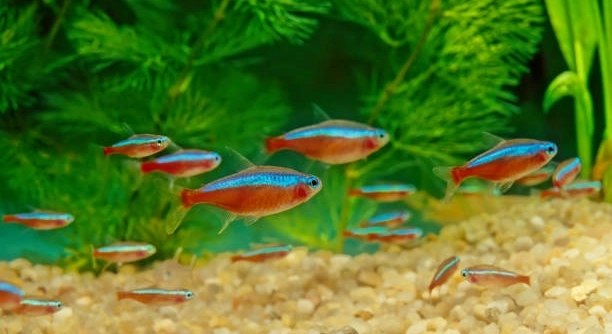
Algae growth in Tetra tanks is a common challenge for many aquarium owners. It can affect the water clarity and the overall health of the tank environment. Managing algae properly helps maintain a balanced and clean habitat for your fish.
Controlling algae in Tetra tanks involves regular cleaning, proper lighting, balanced feeding, and using algae-eating species. These methods collectively reduce excess nutrients and prevent algae from overtaking the tank, ensuring a healthy aquatic ecosystem.
Understanding how to manage algae effectively will improve your tank’s appearance and promote a better environment for your Tetra fish to thrive.
Understanding Why Algae Grow in Tetra Tanks
Algae growth in Tetra tanks happens because of a combination of factors. Too much light, excess nutrients, and irregular water changes create an ideal environment for algae to thrive. When fish are overfed, leftover food breaks down and releases nutrients into the water, which algae feed on. In addition, lighting that is on for too long or too bright encourages algae to multiply quickly. Poor water circulation can also contribute by allowing nutrient buildup in certain areas. Understanding these causes helps in taking effective steps to keep algae under control. It’s important to balance these factors for the health of your tank.
Algae growth can make your tank look cloudy and unhealthy, which may stress your fish. Addressing the causes early will prevent bigger problems later.
By regularly monitoring lighting schedules, feeding amounts, and water quality, you can significantly reduce algae growth. These small habits make a big difference in maintaining a clean and clear Tetra tank.
Regular Cleaning and Maintenance
Keeping your tank clean is essential to controlling algae. Remove algae from the glass, plants, and decorations with an algae scraper or sponge. Change 20-30% of the water weekly to remove excess nutrients. Cleaning the filter regularly ensures it functions well and traps debris. Vacuuming the substrate helps remove leftover food and fish waste that feed algae. Using a gravel siphon makes this task easier. Avoid over-cleaning though, as beneficial bacteria are needed to maintain balance in the tank.
A clean tank reduces the conditions algae need to grow.
Consistency is key. Making cleaning a regular habit prevents algae buildup and keeps your Tetra tank healthy. Proper maintenance supports fish well-being and keeps the aquarium visually appealing. This way, you spend less time battling algae and more time enjoying your fish.
Controlling Light Exposure
Limiting the amount of light your Tetra tank receives is crucial in reducing algae growth. Keep the tank light on for no more than 8 to 10 hours daily. Avoid placing the tank near windows where direct sunlight can promote algae blooms.
Too much light fuels algae photosynthesis, causing rapid growth. Using a timer helps maintain a consistent light schedule. If you notice algae forming quickly, consider lowering the light intensity or shortening the lighting period. LED lights with adjustable brightness are a good choice for better control. Balancing light exposure supports plant growth without encouraging algae.
Adjusting light can greatly reduce algae problems. Observing your tank’s response to different lighting setups helps you find the best balance for your Tetras and plants. Keep experimenting until algae stay under control without sacrificing tank aesthetics or fish health.
Adding Algae-Eating Fish or Invertebrates
Introducing algae-eating species can help manage algae naturally. Some popular options include Amano shrimp, Nerite snails, and Otocinclus catfish. These creatures consume various types of algae and can fit well in a Tetra tank.
Algae-eaters provide a natural cleaning service, reducing the need for manual removal. They are generally peaceful and won’t disturb your Tetra fish. However, make sure to research the specific care needs and compatibility before adding new tank mates. Overfeeding them can also contribute to excess nutrients, so balance their diet carefully.
Using algae-eating species should complement, not replace, regular tank maintenance. Combining biological control with cleaning and lighting management creates a more stable and attractive aquarium environment.
Balanced Feeding
Overfeeding is a major cause of algae growth. Feed your Tetras only what they can eat within a few minutes. Remove any uneaten food promptly to avoid nutrient buildup.
Less food means fewer nutrients for algae to thrive on. Feeding smaller amounts more frequently can help control this.
Using Live Plants
Live plants compete with algae for nutrients, reducing algae growth. Fast-growing plants like hornwort or water sprite are especially effective.
Plants also improve water quality by absorbing excess nutrients and providing oxygen. This helps create a healthier environment for your Tetras while naturally limiting algae.
Proper Filtration
A good filter keeps water clean by removing waste and debris. It also improves water circulation, preventing stagnant areas where algae can grow easily.
FAQ
How often should I clean my Tetra tank to control algae?
Cleaning the tank once a week is usually enough to keep algae in check. This includes wiping the glass, vacuuming the substrate, and changing 20-30% of the water. Regular maintenance prevents nutrient buildup that feeds algae, making it easier to manage over time.
Can algae harm my Tetra fish?
Algae itself is not harmful to Tetras in small amounts, but excessive algae can reduce oxygen levels and block light, stressing the fish. Overgrown algae also make the tank look dirty and can hide water quality problems that affect fish health.
Is it okay to use chemical algae removers in my tank?
Chemical algae removers can work but should be used carefully. Many products contain chemicals that might stress or harm fish and beneficial bacteria. Always follow instructions closely and consider using natural methods first to avoid upsetting the tank’s balance.
What role does lighting play in algae growth?
Lighting directly affects algae because algae need light to grow. Too much light or leaving lights on for too long encourages algae blooms. Adjusting light duration to 8-10 hours per day and avoiding direct sunlight helps reduce algae growth significantly.
Can live plants completely stop algae from growing?
Live plants compete with algae for nutrients, which helps reduce algae but won’t completely stop it. Healthy plants absorb excess nutrients and improve water quality, making conditions less favorable for algae. Using fast-growing plants enhances this effect.
What types of algae-eating species work best with Tetras?
Amano shrimp, Nerite snails, and Otocinclus catfish are excellent choices. They eat different algae types and are peaceful, fitting well in a Tetra tank. Always check compatibility and tank size before adding new species.
How do I prevent algae after cleaning the tank?
After cleaning, maintain a regular schedule of water changes, control lighting, avoid overfeeding, and monitor water parameters. Using algae-eating species also helps. Consistent care is key to preventing algae from returning quickly.
Does water temperature affect algae growth?
Water temperature can influence algae growth. Warmer water often speeds up algae reproduction, so keeping the tank temperature stable and appropriate for Tetras (around 72-78°F) helps manage algae levels without stressing your fish.
Can too many fish cause algae problems?
Yes. Overcrowding leads to excess waste, increasing nutrient levels in the water that algae feed on. Keeping the tank properly stocked for its size prevents nutrient buildup and helps control algae growth.
Is it necessary to turn off the tank lights at night?
Turning off the lights at night mimics natural day-night cycles and limits algae growth. Continuous light exposure encourages algae to multiply, so an automatic timer can help maintain proper lighting schedules.
Final Thoughts
Controlling algae in a Tetra tank is important for keeping the environment healthy and visually pleasing. Algae can quickly take over if left unchecked, making the water look cloudy and affecting your fish’s well-being. The key to managing algae is balancing the tank’s conditions—light, nutrients, and cleanliness all play a part. Small daily habits like monitoring feeding amounts, keeping the lights on a timer, and regular cleaning can prevent many problems before they start. It is easier to maintain a tank with a steady routine than to deal with a large algae outbreak.
Using a combination of methods works best. Regular water changes and cleaning remove excess nutrients and waste that feed algae. Adding live plants helps compete for these nutrients, reducing algae growth naturally. Including algae-eating fish or invertebrates can also make a difference by controlling algae without chemicals. Avoid relying only on one solution because algae are persistent and will take advantage of any imbalance. Patience is needed, as it may take time to see results and find the right approach for your specific tank setup.
Remember, maintaining a Tetra tank is an ongoing process. Algae will never disappear completely, but keeping it under control is very possible. Paying attention to your tank’s needs and acting early when algae start to grow can save a lot of effort later. Every tank is different, so observe how your fish and plants respond to changes and adjust your care routine accordingly. With consistent care and good habits, you can enjoy a clean tank and healthy Tetras for a long time.

Hello,
If you enjoy the content that we create, please consider saying a "Thank You!" by leaving a tip.
Every little bit helps us continue crafting quality advice that supports the health, happiness, and well-being of pets around the world, for pets of all shapes, sizes, and species.
We really appreciate the kindness and support that you show us!