
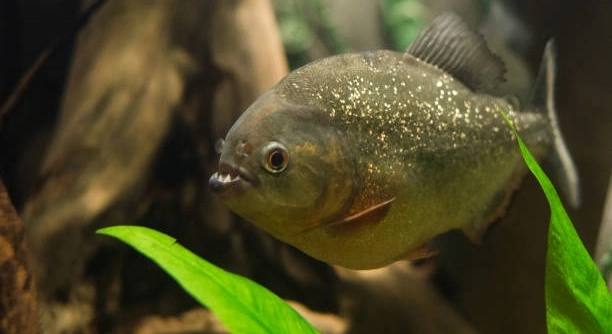
Piranhas are often seen as fierce and fast-moving fish, but sometimes they stay still in one corner of their tank or habitat. This behavior can seem puzzling, especially when they are known for their quick movements. Understanding why they linger can help fish owners and enthusiasts alike.
Piranhas may linger in a corner due to several reasons including stress, water quality issues, hiding instincts, low oxygen levels, illness, temperature changes, or feeding patterns. Each factor influences their comfort and behavior in different ways.
Knowing these causes will help you better care for piranhas and create a healthier environment for them to thrive in. The details behind their behavior reveal important insights into their needs.
Stress and Its Impact on Piranha Behavior
Piranhas often linger in a corner when they feel stressed. Stress can come from many sources, like sudden changes in their environment or the presence of other aggressive fish. When stressed, piranhas tend to hide more and reduce their movements to avoid confrontation. This behavior is a survival mechanism that helps them stay safe. Noise, overhandling, or improper tank setup can also raise stress levels. Watching their behavior closely helps to identify stress early. A stressed piranha might have dull colors or show less interest in food. It’s important to maintain a calm, stable environment and avoid overcrowding. Regular monitoring of tank conditions can reduce stress, leading to healthier and more active piranhas. Being aware of their needs and reactions makes it easier to create a comfortable space for them.
Stress can significantly affect piranha health and behavior, so keeping stress low is essential.
Maintaining a stable environment is key to minimizing stress. Regular water changes, proper tank mates, and consistent feeding schedules help piranhas feel secure. Avoid sudden changes like moving decorations or loud noises near the tank. When piranhas feel safe, they explore their surroundings instead of hiding. Offering hiding spots like plants or rocks allows them to retreat when needed, lowering anxiety. Observing piranha behavior regularly lets you spot early signs of stress and act before problems grow. Calm water conditions and a quiet environment improve their overall well-being. Simple steps like these make a big difference in how comfortable piranhas feel, reducing corner-lingering behavior and promoting a more lively tank atmosphere.
Water Quality and Oxygen Levels
Poor water quality or low oxygen can cause piranhas to stay still in one corner. These conditions make the fish uncomfortable and can harm their health quickly.
Keeping water clean with good filtration and proper aeration supports healthy piranhas. Dirty water or low oxygen forces them to seek better areas in the tank where conditions may be slightly better. High ammonia, nitrites, or nitrates are harmful and may cause piranhas to hide. Testing water regularly and performing partial water changes help maintain balance. Oxygen levels drop if the tank is overcrowded or lacks surface movement, so adding an air stone or adjusting filters can improve oxygen. Piranhas are sensitive to changes in their water environment. When you keep these factors under control, your fish will be more active and less likely to linger in corners. Clean, oxygen-rich water is essential for their energy and well-being.
Hiding Instincts
Piranhas naturally seek shelter to feel safe, which often leads them to stay in one corner. This behavior helps them avoid predators or aggressive tank mates.
In captivity, piranhas use hiding spots like plants, rocks, or tank decorations to retreat when they feel threatened. Even if there is no immediate danger, they may linger in corners because these areas offer a sense of security. Providing enough hiding places reduces stress and encourages natural behavior. When piranhas feel safe, they become more active and social. Lack of hiding spots can cause them to stay still and isolated, which is not healthy in the long term.
Offering a balanced environment with secure spaces helps mimic their natural habitat and supports their well-being. This reduces the time they spend motionless in corners and improves their overall comfort in the tank.
Illness and Physical Discomfort
Piranhas that linger in a corner might be showing signs of illness or discomfort. Changes in behavior often indicate health problems that need attention.
Sick piranhas tend to isolate themselves and avoid swimming actively. Illnesses such as parasites, infections, or injuries can cause them to seek still, quiet spots. Watching for other symptoms like discoloration, fin damage, or labored breathing helps in early detection. Timely treatment is important to prevent worsening conditions. Poor water quality and stress also weaken their immune system, making them more vulnerable to diseases. Providing proper care and routine health checks keeps piranhas healthier and more active.
If you notice a piranha staying in one corner for an extended time, it is worth checking its health and tank conditions carefully. Early intervention improves recovery chances and keeps the fish comfortable.
Temperature Changes
Piranhas are sensitive to sudden temperature shifts. If the water becomes too cold or too warm, they may slow down and stay in one corner.
Stable temperatures help maintain their energy and activity. Fluctuations can cause discomfort and stress, making them less likely to swim around freely.
Feeding Patterns
Piranhas often linger when they are not hungry or have been overfed. A regular feeding schedule keeps them active and curious about their environment.
Overfeeding can lead to lethargy and inactivity. It’s important to provide the right amount of food to maintain their health and encourage natural behaviors like swimming and hunting.
Tank Size and Space
Small or overcrowded tanks limit piranhas’ movement, causing them to stay in one area. Adequate space encourages exploration and reduces stress.
A properly sized tank with enough room to swim freely is essential for healthy piranha behavior. Ensuring this helps prevent them from lingering in corners.
Why do piranhas stay in one corner of the tank?
Piranhas may stay in one corner due to stress, poor water quality, hiding instincts, illness, temperature changes, feeding habits, or tank size. These factors can make them feel unsafe, uncomfortable, or low on energy. When piranhas feel threatened or unwell, they often isolate themselves to recover or avoid danger.
How can I tell if my piranha is stressed?
Signs of stress in piranhas include dull or faded colors, reduced appetite, less movement, and hiding more than usual. They may also show rapid breathing or erratic swimming. Stress usually happens because of changes in their environment, such as new tank mates, loud noises, or poor water quality. Keeping the tank stable and quiet helps reduce stress.
What water conditions do piranhas need to stay healthy?
Piranhas thrive in clean water with a temperature between 75°F and 82°F (24°C to 28°C). The pH level should be neutral to slightly acidic, around 6.5 to 7.5. Regular water changes and good filtration are crucial to remove waste and toxins. Low oxygen levels should be avoided by ensuring proper aeration and surface movement in the tank.
Can hiding places improve piranha behavior?
Yes. Piranhas naturally hide to feel safe, so providing plants, rocks, or caves helps them relax. Hiding spots reduce stress and encourage natural behavior. When piranhas feel secure, they are more active and less likely to stay in one corner all the time.
Is it normal for piranhas to be inactive sometimes?
Yes, piranhas do rest and can be inactive for periods, especially at night or after feeding. However, prolonged inactivity or hiding may indicate stress, illness, or poor tank conditions. Regular observation helps distinguish normal resting behavior from problems.
What should I do if my piranha seems sick?
If a piranha shows signs of illness like lethargy, loss of appetite, unusual spots, or damaged fins, check the water quality immediately. Quarantine the affected fish if possible and seek advice from a vet or experienced aquarist. Early treatment is important to prevent serious health issues.
How often should I feed my piranhas?
Feed adult piranhas once a day or every other day with a balanced diet of pellets, frozen or live food like fish or insects. Avoid overfeeding, as leftover food can pollute the water and cause health problems. Watching their eating habits helps adjust feeding amounts.
Can tank size affect piranha behavior?
Definitely. Piranhas need plenty of space to swim and explore. A small or overcrowded tank limits movement and increases stress, which makes them hide or stay still in corners. A larger tank with proper filtration promotes healthier, more active fish.
Why do temperature changes bother piranhas?
Piranhas are cold-blooded and depend on stable water temperature to regulate their body functions. Sudden shifts can slow their metabolism, making them lethargic or stressed. Maintaining consistent temperatures helps keep them healthy and active.
How can I reduce my piranha’s stress?
Keep the tank environment stable with clean water, proper temperature, enough hiding spots, and compatible tank mates. Avoid sudden changes or loud noises near the tank. Regular maintenance and gentle handling improve their comfort and reduce stress levels.
Are piranhas aggressive toward each other?
Piranhas can show aggression, especially when overcrowded or during feeding times. Providing enough space and hiding places reduces fights. Keeping them in groups of proper size also helps balance their social behavior.
What role does oxygen play in piranha behavior?
Adequate oxygen is essential for piranha health. Low oxygen levels make fish sluggish and cause them to gather near the surface or corners where oxygen may be higher. Proper aeration and water movement help maintain good oxygen levels and keep piranhas active.
Can piranhas get bored in a tank?
Piranhas are curious and benefit from a stimulating environment with hiding spots and occasional changes in decorations. A boring tank may lead to less activity or hiding. Enriching their habitat encourages natural behaviors and keeps them engaged.
Is it safe to keep piranhas with other fish?
It depends on the species. Piranhas can be aggressive and may attack smaller or slow-moving fish. Choosing larger, fast-swimming, or robust species reduces risks. Proper tank size and hiding spots also help minimize aggression.
How do I know if my piranha is comfortable in the tank?
Comfortable piranhas swim actively, eat well, show bright colors, and explore their environment. They use hiding spots but do not stay hidden all the time. Consistent behavior and healthy appearance indicate they are well-adjusted to their home.
Piranhas are interesting fish with unique behaviors that can sometimes seem confusing. One common behavior is when they linger in a corner of their tank or environment. This is not always a sign of a problem but can be linked to many factors like stress, water quality, temperature, or their natural instincts. Understanding these reasons helps fish owners take better care of their piranhas. By paying attention to their surroundings and habits, it is easier to create a safe and comfortable home for them. Piranhas need specific conditions to stay healthy and active, and being aware of these details makes a big difference.
Stress is a common reason piranhas stay in one corner. Changes in the tank, new fish, or loud noises can make them feel unsafe. When they feel stressed, piranhas hide to protect themselves. Providing enough hiding spots like plants or rocks helps reduce stress and makes them more comfortable. It is also important to keep the water clean and at the right temperature. Poor water quality or sudden temperature shifts can cause discomfort and lead piranhas to stay still. Monitoring water conditions regularly and keeping a steady environment helps keep stress low and piranhas active.
Taking good care of piranhas means paying close attention to their health and environment. If a piranha stays in one corner for too long or shows signs of illness, it is important to act quickly. Regular feeding, a suitable tank size, and a calm environment help piranhas thrive. When piranhas feel secure and healthy, they will swim more and show their natural behavior. Small changes in their care routine can improve their comfort and well-being. Overall, understanding why piranhas linger in corners is a helpful step toward providing the best care for these fascinating fish.

Hello,
If you enjoy the content that we create, please consider saying a "Thank You!" by leaving a tip.
Every little bit helps us continue crafting quality advice that supports the health, happiness, and well-being of pets around the world, for pets of all shapes, sizes, and species.
We really appreciate the kindness and support that you show us!