
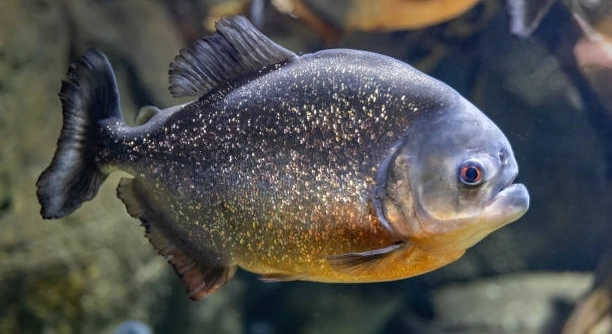
Piranhas are often misunderstood fish that live in freshwater rivers and lakes. Before storms, they show distinct behaviors that help them adapt to changing conditions. These actions can reveal a lot about their survival instincts.
Before a storm, piranhas exhibit increased activity, tighter group formations, and heightened aggression. They respond to changes in water pressure and temperature, preparing themselves for turbulent waters and potential food scarcity during storm events.
Learning about these behaviors gives insight into how piranhas survive and react to their environment, helping us better understand these fascinating creatures.
Increased Activity Before the Storm
Piranhas become noticeably more active as a storm approaches. They swim faster and more frequently, often covering larger areas than usual. This heightened movement helps them respond to shifting water conditions. Storms often lower water pressure and stir up sediment, making the environment unpredictable. Increased activity allows piranhas to find safer spots or hunt before visibility decreases. It also helps them adjust to changes in oxygen levels that occur with falling atmospheric pressure. During this time, their instincts push them to be more alert and responsive, ensuring they stay protected from sudden changes in their habitat. This behavior is crucial because it helps the fish prepare for the challenges that storms bring, such as rough waters and fewer food sources.
This burst of energy isn’t random; it’s a survival tactic that prepares piranhas for the storm’s impact.
Understanding these patterns shows how sensitive piranhas are to environmental changes and how they rely on natural cues to stay safe.
Tighter Group Formations
Before a storm hits, piranhas often gather in tighter groups. This behavior helps protect individual fish by creating a more intimidating presence for potential predators. Grouping also improves their chances of finding food when conditions become difficult. When water becomes turbulent, sticking close together reduces the risk of getting separated or lost. It also allows them to conserve energy by swimming in coordinated ways. This collective action demonstrates their instinct to work as a team, increasing survival rates during tough times. Tight formations can last throughout the storm, showing how important group behavior is when conditions become unstable. In addition, being in a group helps them react quickly to sudden threats.
This instinct to stay close highlights how social piranhas are and how they rely on cooperation for safety.
Heightened Aggression
Piranhas become more aggressive before a storm. This is a defensive behavior that helps them protect territory and food resources when conditions get tough. Increased aggression also prepares them for competition as food becomes scarcer.
This rise in aggression is linked to environmental stress. Lower water pressure and rougher currents make piranhas more alert and ready to defend themselves. They may nip at each other more often or chase intruders away from their group. This behavior helps establish dominance and secure essential resources before the storm fully arrives. Aggression also serves to warn other fish to stay away from their feeding area, reducing conflict during stressful times.
Heightened aggression ensures that piranhas maintain control over their territory and can survive the challenges storms bring. It is a natural response aimed at survival during unpredictable weather.
Sensitivity to Water Pressure Changes
Piranhas can detect slight drops in water pressure that signal an approaching storm. This sensitivity triggers changes in their behavior, such as moving to safer areas or increasing feeding activity. Their lateral line system plays a key role in sensing these pressure shifts.
When the pressure drops, piranhas react quickly by adjusting their movements. This helps them avoid dangerous situations like strong currents or sudden floods. It also allows them to take advantage of moments when prey might be easier to catch. The ability to sense water pressure changes is essential for their survival, giving them an early warning to prepare for storms.
By responding to these subtle signals, piranhas can better protect themselves and their groups from harm, showing how finely tuned their senses are to their environment.
Gathering Near Shelter
Before storms, piranhas often move closer to shelter like submerged roots or rocks. These spots offer protection from strong currents and predators. Staying near shelter reduces energy use and helps them stay safe during rough water.
Shelter also provides better hunting grounds as smaller fish hide there. This behavior helps piranhas prepare for the storm’s challenges.
Change in Feeding Patterns
Piranhas tend to feed more aggressively before a storm. This increase in feeding is a way to store energy for the uncertain times ahead. They take advantage of stirred-up waters that bring more prey into reach. Feeding more ensures they have enough reserves to survive when hunting becomes harder.
Restlessness
As the storm approaches, piranhas show signs of restlessness. They swim erratically and change direction frequently, indicating they are reacting to environmental changes. This behavior helps them stay alert and ready for sudden shifts in their surroundings.
FAQ
Why do piranhas behave differently before a storm?
Piranhas change their behavior before a storm mainly because they sense changes in their environment. Drops in water pressure, shifts in temperature, and increased currents signal an approaching storm. These fish react by becoming more active, grouping tightly, and acting aggressively to protect themselves. Their natural instincts help them prepare for tougher conditions like rough waters and less food. By reacting early, piranhas improve their chances of survival during storms.
How do piranhas sense an approaching storm?
Piranhas use a special sensory system called the lateral line to detect changes in water pressure and vibrations. This system runs along the sides of their bodies and picks up subtle signals that humans can’t feel. When the pressure drops or water currents change, the lateral line sends information to their brains, triggering behavioral changes. This early warning helps them adjust quickly to avoid danger.
Do all piranhas show the same behaviors before storms?
While many piranhas show similar behaviors before storms, there can be some differences based on species and environment. Some may become more aggressive, while others focus on tighter group formations or increased feeding. The common goal is always to prepare for the storm’s challenges. Differences often depend on the size of the group, availability of shelter, and local food sources.
Is it dangerous to be near piranhas during a storm?
Piranhas can be more aggressive before a storm, but they generally avoid humans unless provoked. Their heightened aggression is mostly focused on defending territory and food from other fish. If you are near water where piranhas live, it’s best to be cautious, especially during bad weather. Avoid swimming or disturbing them during this time to reduce any risk.
How long do these pre-storm behaviors last?
These behaviors usually start hours before a storm and can continue until conditions stabilize afterward. Piranhas remain more alert and active until the water calms and food sources return to normal. After the storm, they slowly return to their usual patterns as the environment becomes less stressful.
Do piranhas eat more before a storm?
Yes, piranhas often feed more aggressively before a storm. The movement of water stirs up small fish and insects, making them easier to catch. This extra feeding helps piranhas store energy for times when hunting might be harder due to rough water or less visibility. It’s a survival strategy to ensure they have enough reserves during and after the storm.
Can these behaviors be observed in aquariums?
Some pre-storm behaviors can appear in aquariums if conditions mimic natural changes. For example, lowering water pressure or temperature slightly might cause piranhas to become more active or group more tightly. However, it’s harder to replicate all natural storm conditions, so behaviors might not be as pronounced as in the wild.
Why do piranhas group more tightly before storms?
Grouping tightly helps piranhas protect themselves better from predators and rough currents. Being close together creates safety in numbers and reduces the chance of any one fish getting lost or injured. It also helps conserve energy by swimming in coordinated ways, which is important when the water gets rough.
What role does aggression play in piranha survival before storms?
Aggression before storms helps piranhas defend important resources like food and shelter. When food becomes scarce, fighting off rivals ensures that each fish gets enough to eat. This behavior also establishes social order within groups, reducing conflicts during the storm itself. Aggression is a key part of their strategy to survive challenging conditions.
How do piranhas recover after a storm?
After the storm passes, piranhas gradually return to normal behavior. They spread out from tight groups and reduce aggressive actions. Feeding patterns also normalize as food becomes more available. Recovery depends on how severe the storm was and how much the environment was disrupted. Piranhas are well adapted to handle these changes and bounce back quickly.
Piranhas are fascinating fish that show clear changes in behavior before a storm. These changes help them survive the challenges that come with rough weather and shifting water conditions. By becoming more active, gathering in tight groups, and showing increased aggression, they prepare themselves for the tough times ahead. Their sensitivity to water pressure and other environmental signals allows them to react early, which is a key part of their survival strategy. Understanding these behaviors gives us a better appreciation for how these fish interact with their environment and respond to natural events.
The way piranhas adjust their feeding habits before a storm is also important. They tend to eat more when the water stirs up prey, storing energy for when food might be harder to find. Staying close to shelter and showing restlessness are additional signs that piranhas are reacting to changes around them. All these behaviors combined paint a picture of a fish that is highly tuned to its surroundings. It is clear that piranhas rely on instinct and environmental cues to help them navigate the difficulties caused by storms.
Knowing about these pre-storm behaviors can help anyone interested in wildlife or aquatic ecosystems better understand piranhas’ role in their habitat. It shows how animals adapt to survive in changing conditions and how sensitive they are to their environment. While piranhas have a tough reputation, their natural reactions to storms reveal a complex and careful way of living. These behaviors highlight the balance between danger and survival in nature.

Hello,
If you enjoy the content that we create, please consider saying a "Thank You!" by leaving a tip.
Every little bit helps us continue crafting quality advice that supports the health, happiness, and well-being of pets around the world, for pets of all shapes, sizes, and species.
We really appreciate the kindness and support that you show us!