
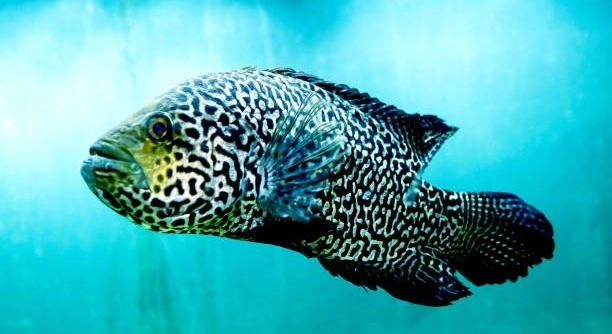
Jack Dempsey fish often show strong territorial habits, yet sudden changes in behavior can concern aquarium keepers and signal underlying issues affecting confidence, dominance, and overall well-being within a shared tank environment over long periods.
Jack Dempsey fish stop defending territory due to stress, water parameters, overcrowding, illness, nutritional deficiencies, social hierarchy shifts, and age-related decline, which collectively alter hormonal regulation, reduce aggression, impair energy levels, and limit the ability to establish or maintain boundaries.
Recognizing these influences helps explain behavioral changes and supports healthier tank conditions through informed care, observation, and thoughtful adjustments consistently.
Poor Water Conditions
I have noticed that water quality plays a major role in how Jack Dempsey fish behave. When parameters shift slowly or suddenly, stress builds. Elevated ammonia, nitrites, or nitrates irritate gills and skin, draining energy. Inconsistent temperature weakens immune response. Poor oxygen levels reduce stamina. Even minor imbalances affect hormones linked to aggression. Over time, the fish focuses on basic survival instead of defending space. Colors fade, movements slow, and confidence drops. Regular testing, stable filtration, and routine water changes restore balance. Clean water supports metabolism, supports immunity, and allows natural territorial instincts to return. Without these conditions, defensive behavior continues to decline, even in fish that were once dominant and highly assertive within the tank. Long-term neglect also increases disease risk, creating a cycle where weakness reinforces submission and prevents the fish from reclaiming space or responding confidently to nearby tank activity during daily feeding periods and routine maintenance.
Testing water weekly gives clear insight into hidden stressors. Stable parameters encourage normal movement, appetite, and posture. When water improves, territorial behavior often returns gradually, showing how strongly environment shapes dominance and confidence in Jack Dempsey fish. This process requires patience and consistency from the keeper’s daily care habits overall.
From my experience, ignoring water quality often leads to misreading behavior as personality change. Jack Dempseys rely on stable conditions to regulate aggression. When water improves, posture straightens, territory marking resumes, and interactions shift. Consistency matters more than drastic corrections. Small, steady adjustments reduce stress better than sudden changes. Proper filtration, measured feeding, and routine maintenance create predictability. This predictability supports confidence. Over time, the fish reclaims its space naturally, without forcing dominance through conflict or constant chasing, creating a calmer but still structured tank dynamic. This balance benefits both fish and keeper alike in shared aquarium environments long-term stability.
Changes in Tank Mates
Tank mates strongly influence territorial behavior in Jack Dempsey fish. New or aggressive additions can suppress dominance. Size differences, overcrowding, and constant visual contact force the fish to retreat, conserving energy instead of defending a defined area. This response is adaptive, not weakness within complex social aquarium settings over time.
From what I have seen, social structure changes can quickly alter behavior. Jack Dempseys establish dominance through repeated interactions. When a larger or more assertive fish enters the tank, the hierarchy shifts. The Jack Dempsey may avoid conflict to prevent injury. Limited hiding spaces worsen this effect. Constant competition for food increases tension. Over time, the fish learns that defending territory brings no benefit. Rearranging decor can reset boundaries. Providing caves and visual breaks reduces pressure. Matching tank mates by size and temperament matters. Removing overly aggressive fish restores balance. When social stress lowers, territorial behavior may return gradually. The fish becomes more active, patrols familiar areas, and shows stronger presence. Observing interactions daily helps catch issues early. Small adjustments prevent long-term withdrawal and help maintain a stable, respectful tank environment. I have found that patience is essential during these adjustments. Sudden removals or rapid stocking changes increase stress. Gradual changes allow learning. Lighting levels, feeding order, and spacing also influence confidence, especially during breeding maturity phases when hormones fluctuate and social roles are more sensitive within shared tank environments, affecting behavior consistency over extended periods of time and daily interactions among all fish present together long-term stability depends here.
Stress and Overcrowding
Stress and overcrowding reduce territorial behavior. Too many fish in a limited space increase tension. Jack Dempseys often retreat, conserve energy, and avoid confrontations, leaving their territory unguarded. This stress can affect appetite and overall health, making defensive instincts weaker over time in a crowded tank environment.
In my experience, overcrowding changes daily interactions. Jack Dempseys patrol less, hide more, and avoid feeding competition. Even with plenty of food, the fish may show submission due to perceived threats. Constant movement from other fish prevents rest and proper territory monitoring. Decorations and hiding spots help, but reducing numbers is usually more effective. Over time, a crowded tank can cause permanent changes in behavior, with the fish less willing to assert dominance or establish clear boundaries within its usual area, especially if stress continues unchecked.
Stress affects hormone levels, which directly control aggression and territoriality. Overcrowding amplifies these effects, lowering energy and increasing susceptibility to disease. I noticed that when numbers are reduced, and stressors minimized, Jack Dempseys regain confidence gradually. They start patrolling areas again, showing posturing, fin displays, and even occasional chasing of smaller or weaker fish. Providing sufficient space, clear boundaries, and visual barriers helps restore natural behavior. Long-term monitoring ensures that stress does not recur. Patience is key because changes happen slowly, often requiring consistent tank management, thoughtful feeding practices, and careful observation of interactions over several weeks to fully restore territorial instincts and maintain a balanced aquarium ecosystem.
Illness and Weakness
Illness or physical weakness immediately reduces defensive behavior. A sick Jack Dempsey cannot defend territory effectively. Lethargy, loss of appetite, and faded colors signal underlying problems, forcing the fish to focus on survival instead of aggression or patrol.
Health problems often start subtly. Minor injuries, infections, or internal parasites weaken energy reserves. Even slight illness reduces confidence, causing the fish to avoid confrontations with neighbors. Weakness can result from poor diet, sudden temperature changes, or chronic stress. I have seen fish recover territorial behavior once treatment addresses the illness, but delays worsen decline. During illness, the fish may hide most of the day, avoiding feeding areas and leaving territories undefended. Prompt diagnosis and proper care restore activity levels.
Recovering from illness requires patience and attentive care. Maintaining water quality, adjusting diet, and providing quiet space support healing. I always isolate sick fish when possible to reduce stress and prevent infection spread. Once energy returns, the fish gradually reclaims territory, resumes regular patrols, and interacts normally. Observation is critical, as even minor relapses can delay full recovery. Encouraging consistent feeding schedules, gentle handling, and stable environmental conditions helps the fish regain strength and confidence. Over time, health restoration correlates directly with territorial behavior returning to pre-illness levels, showing the strong link between physical condition and dominance instincts.
Aging and Reduced Energy
As Jack Dempseys grow older, energy levels naturally decline. Older fish patrol less and avoid confrontations. Reduced stamina limits their ability to chase intruders or defend a territory, even in familiar areas, leading to calmer interactions and a lower presence in the tank over time.
Aging also affects hormone production. Lower aggression hormones decrease dominance displays and defensive behavior. Older fish may become more passive around younger, more energetic tank mates. They often retreat to hiding spots, conserving energy instead of engaging in patrols or posturing. This is a normal part of their life cycle and does not always indicate poor health.
Nutritional Deficiencies
Insufficient or imbalanced nutrition weakens Jack Dempseys, lowering aggression and territorial defense. A lack of protein or essential vitamins reduces energy, slows growth, and diminishes muscle tone, making the fish less capable of asserting dominance effectively.
Social Hierarchy Shifts
When the tank’s social hierarchy changes, Jack Dempseys often adjust behavior quickly. Introduction of dominant fish or removal of familiar ones forces the fish to reassess its status. They may retreat, stop defending territory, or avoid confrontations to reduce risk of injury or stress.
FAQ
Why has my Jack Dempsey stopped defending its territory?
There are several reasons a Jack Dempsey may stop showing territorial behavior. Stress, illness, poor water quality, overcrowding, and social changes all play a role. Older fish also naturally reduce energy and aggression. Often, the behavior is a response to their environment rather than a permanent personality change.
Can water quality really affect territorial behavior?
Absolutely. Jack Dempseys are sensitive to changes in ammonia, nitrites, nitrates, pH, and temperature. Even minor fluctuations can stress them. Stress lowers hormones responsible for aggression and defense. Maintaining stable water conditions is critical to restoring normal territorial instincts over time.
How does tank overcrowding impact my fish?
Too many fish in one aquarium create constant competition for space and food. Jack Dempseys may avoid confrontation, hide more, or conserve energy. Overcrowding increases stress, reduces immune response, and often leads to weaker territorial behavior. Reducing numbers or adding visual barriers can help.
Could illness be causing the behavior change?
Yes. Lethargy, faded colors, loss of appetite, or unusual swimming patterns indicate sickness. A sick fish focuses on survival rather than defending territory. Proper diagnosis, treatment, and supportive care can help the fish regain strength and confidence to reassert dominance.
Do social hierarchy changes affect territorial behavior?
They do. Introducing new tank mates or removing established ones forces Jack Dempseys to reassess rank. A less dominant fish may stop defending territory to avoid conflict, while stronger fish assert dominance. Observing interactions and adjusting tank composition restores balance gradually.
Does aging reduce territory defense?
Older Jack Dempseys naturally lose energy and aggression. They patrol less and retreat more often, conserving strength. This is normal and does not necessarily signal poor health, though monitoring for other age-related issues is important.
Can diet influence defensive behavior?
Yes, nutrition affects energy and muscle tone. Lack of protein or essential vitamins weakens the fish, lowering aggression. A balanced diet, including high-quality pellets, occasional live or frozen food, and supplements if necessary, supports overall health and helps maintain normal territorial behavior.
How long does it take for behavior to return after changes?
Recovery time varies. Water quality improvements or resolving social stressors may show results in days to weeks. Healing from illness or regaining strength from aging takes longer. Patience and consistent care are essential to see improvement.
Are environmental enrichments helpful?
Definitely. Adding caves, rocks, and visual barriers allows Jack Dempseys to establish secure territories. It reduces stress, gives them confidence, and encourages natural patrol behavior. Rearranging decorations occasionally can help reset boundaries without causing additional stress.
What signs indicate a fish is ready to reclaim its territory?
Look for brighter colors, more active swimming, and posturing. The fish may start patrolling areas, flaring fins, and interacting with tank mates confidently. Appetite and energy levels returning to normal are also good indicators of readiness to defend space.
Can stress permanently change behavior?
If stress is prolonged, it may lead to long-term changes in aggression and territorial instincts. Consistently poor conditions, chronic overcrowding, or repeated social conflicts can reduce confidence permanently. Early intervention improves chances of restoring natural behavior.
How do I prevent future territorial issues?
Maintain stable water parameters, provide adequate space, balanced nutrition, and monitor social dynamics. Avoid sudden changes in tank population or environment. Consistent observation allows early detection of stress, illness, or hierarchy problems, keeping Jack Dempseys active and confident.
Is it normal for Jack Dempseys to occasionally ignore their territory?
Yes. Even healthy fish may temporarily abandon patrols due to feeding routines, mild stress, or energy conservation. Temporary lapses are not always a sign of permanent behavioral change. Consistent monitoring ensures temporary pauses do not become long-term issues.
Can I help my Jack Dempsey regain confidence?
Yes. Stabilize the tank, reduce stressors, provide hiding spots, and ensure proper nutrition. Avoid aggressive tank mates when possible. Gradually, the fish will regain strength, start patrolling again, and reestablish its presence confidently over time.
Are there signs that behavior changes are serious?
Persistent lethargy, loss of appetite, faded colors, or avoidance of all tank areas indicate serious issues. These signs often accompany illness, chronic stress, or environmental problems. Immediate action is needed to restore health and natural territorial behavior.
Does lighting affect territorial behavior?
Lighting affects visibility and perception of safety. Too bright or inconsistent lighting may stress fish, causing them to hide and avoid defending territory. Consistent, moderate lighting supports confidence, encourages patrols, and allows natural behavior to emerge naturally.
Can breeding cycles influence territory defense?
Yes. During breeding or spawning, Jack Dempseys may become more defensive or, conversely, hide to conserve energy. Hormonal fluctuations affect aggression and territorial behavior temporarily. Providing proper space and privacy supports natural breeding while minimizing stress.
What should I monitor daily to keep my Jack Dempsey confident?
Observe swimming patterns, interactions with tank mates, feeding response, color vibrancy, and hiding frequency. Watch for signs of stress or illness. Regular monitoring helps maintain stable conditions, ensuring territorial instincts remain strong and the fish stays healthy and active.
Is it possible for a single factor to cause territory loss?
Sometimes, one major factor like sudden illness or extreme water fluctuation can temporarily suppress defense behavior. However, often it is a combination of minor stressors, diet, social changes, and environment that collectively reduce territorial instincts over time.
How can I balance multiple factors affecting my fish?
Address water quality, tank population, diet, and social dynamics simultaneously. Small, consistent adjustments are more effective than drastic changes. Maintaining balance requires observation, patience, and steady care, which gradually restores confidence, health, and natural territorial behavior in Jack Dempseys over weeks.
Final Thoughts
Jack Dempsey fish are naturally territorial, but many factors can affect their willingness to defend space. Changes in water quality, overcrowding, illness, social hierarchy, diet, or aging all influence behavior. I have noticed that even small shifts in the environment can create stress, leading the fish to conserve energy rather than patrol or assert dominance. Stress and discomfort are often the main reasons a fish stops defending territory, and they can manifest in subtle ways such as reduced activity, faded colors, or hiding more than usual. Paying attention to these signs early helps prevent long-term changes in behavior. Over time, repeated stress without correction can lead to permanent suppression of territorial instincts, which is why consistent care and monitoring are essential.
Maintaining stable water conditions is one of the most important aspects of keeping Jack Dempseys confident and active. Parameters like ammonia, nitrites, nitrates, and pH must be checked regularly, as fluctuations can quickly lead to stress. I have found that even minor improvements in water quality often result in the fish gradually resuming patrols and showing natural dominance displays. Proper filtration, regular water changes, and stable temperature create a supportive environment that allows hormonal and energy levels to recover. In addition to water, tank setup plays a big role. Providing hiding spots, visual barriers, and sufficient space helps reduce tension from tank mates and encourages the fish to feel secure while defending its territory. Social structure also matters; introducing or removing fish should be done gradually, and observing daily interactions helps prevent long-term dominance issues.
Nutrition, health, and age are equally important in supporting territorial behavior. A balanced diet with protein and essential vitamins strengthens energy, muscle tone, and immune function, making the fish more confident in defending space. Illness or injury can temporarily or permanently reduce aggression, so prompt care is necessary when changes in behavior are noticed. Older fish naturally slow down and patrol less, which is normal and should not always be seen as a health concern. In my experience, patience is key. Small, consistent adjustments to water quality, tank environment, social setup, and diet often result in the fish regaining confidence and returning to its usual territorial patterns. Understanding these factors ensures that Jack Dempseys remain healthy, active, and able to express natural behaviors, creating a stable and balanced tank environment for all fish.

Hello,
If you enjoy the content that we create, please consider saying a "Thank You!" by leaving a tip.
Every little bit helps us continue crafting quality advice that supports the health, happiness, and well-being of pets around the world, for pets of all shapes, sizes, and species.
We really appreciate the kindness and support that you show us!