
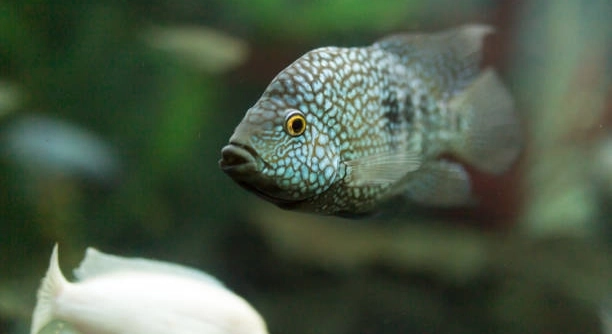
Have you ever noticed how some Jack Dempsey fish grow faster than others in the same tank? Watching their vibrant colors develop over time can be exciting, but growth depends on several important factors in their environment.
The growth rate of Jack Dempsey fish is influenced by water quality, temperature, diet, tank size, stress, genetics, and compatibility with other fish. Each factor plays a crucial role in ensuring healthy development and optimal size.
Learning about these factors will help you care for your fish more effectively and support their healthy growth in any aquarium setup.
Water Quality and Its Impact on Growth
Clean and stable water is one of the most important factors for Jack Dempsey growth. Poor water quality can stunt their development, cause stress, and even lead to illness. Parameters like pH, ammonia, nitrite, and nitrate levels must be monitored regularly to maintain a safe environment. Frequent water changes help keep toxins low and oxygen levels high. Consistent filtration is also key, as it removes debris and maintains clarity. Temperature fluctuations can interact with water chemistry, so keeping a steady temperature is equally important. A balanced environment reduces stress, allowing your fish to focus energy on growth rather than survival. Overcrowding can worsen water quality, making it crucial to avoid packing too many fish into a single tank. Adding live plants can help absorb nitrates and provide hiding spots. By paying attention to these details, you ensure your Jack Dempsey has the best chance to thrive and grow at a healthy rate.
Maintaining proper water quality supports steady growth and helps prevent common health problems that slow development in Jack Dempsey fish.
Many fish owners underestimate how sensitive Jack Dempseys are to water conditions. Even minor imbalances can reduce appetite or weaken their immune system. Monitoring temperature, pH, and ammonia levels closely ensures the tank remains stable. Using a quality filter, performing partial water changes weekly, and avoiding overfeeding all contribute to a cleaner, healthier environment. Adding natural plants not only improves oxygen levels but also mimics their natural habitat. Observing your fish regularly allows you to spot stress early, preventing long-term growth issues. Proper water care combined with a balanced diet creates the optimal conditions for strong, vibrant fish that grow steadily over time.
Diet and Feeding Practices
A proper diet is essential for healthy growth in Jack Dempsey fish. Feeding high-quality pellets or flakes with protein ensures their body develops correctly.
Balanced nutrition directly affects size, energy, and color, making diet a critical factor for growth.
Jack Dempseys are carnivorous and require protein-rich food to support muscle development. Live foods such as bloodworms or brine shrimp can boost their growth rate, while frozen alternatives are convenient and nutritious. Overfeeding can lead to obesity and poor water quality, so portion control is important. Rotating different types of food ensures they receive all necessary vitamins and minerals. Juvenile fish need more frequent meals, whereas adults thrive with smaller, less frequent feeding. Observing eating habits helps detect illness or dietary deficiencies early. By providing consistent, high-quality nutrition, you create an environment where your fish can reach their full potential and maintain vibrant health throughout their life.
Tank Size and Space
A larger tank allows Jack Dempsey fish to move freely and grow properly. Crowded conditions limit growth and increase stress, which can slow development and lead to health problems.
Providing ample space reduces territorial disputes and gives each fish room to swim, explore, and exercise naturally. Adult Jack Dempseys can reach significant sizes, so a tank of at least 55 gallons is recommended for a single fish. Bigger tanks also help maintain stable water parameters, making filtration more effective and reducing the buildup of harmful chemicals. Decorations and hiding spots are important, but they should not overcrowd the swimming area. Fish that feel secure and unstressed tend to eat better and grow faster, while limited space often results in stunted growth and aggressive behavior. Planning the tank size carefully ensures your Jack Dempsey develops healthily and comfortably.
Fish in small, overcrowded tanks often show slower growth and duller colors. Stress from limited space can lead to weaker immunity and higher susceptibility to disease, affecting overall development.
Even with proper diet and water quality, insufficient space can prevent Jack Dempseys from reaching their full size. When fish are confined, they may compete for food or hide constantly, reducing activity and growth. Aggression increases in crowded conditions, causing injuries or constant stress, which directly impacts metabolic efficiency. Providing enough room helps maintain social balance and allows each fish to establish its own territory. A spacious environment promotes natural behavior, encourages exercise, and supports steady growth. Tank size is not just about comfort—it directly affects physical development, coloration, and long-term health of your Jack Dempsey.
Temperature and Environment
Jack Dempseys thrive in stable, warm water. Sudden temperature changes can stress fish and slow growth, making consistency essential.
Ideal water temperatures range from 78°F to 85°F, which supports metabolism, digestion, and immune function.
Temperature affects feeding and activity levels. In colder water, metabolism slows, reducing appetite and growth rate. In overly warm conditions, oxygen levels drop, increasing stress and the risk of illness. Using a reliable heater and thermometer ensures the tank remains within the optimal range. Avoid placing the tank near drafts, direct sunlight, or air vents that could cause fluctuations. Gradual adjustments are key when changes are necessary, preventing shock. A stable environment promotes efficient digestion and energy use, allowing your Jack Dempsey to grow consistently. Consistency in temperature also helps maintain water chemistry, supporting overall health.
Stress and Compatibility
Stress from aggressive tank mates or overcrowding can slow growth in Jack Dempseys. Maintaining peaceful interactions helps fish focus on eating and developing properly.
Monitoring behavior and separating overly aggressive fish reduces stress, allowing each Jack Dempsey to grow healthily without constant threats or competition in the tank.
Genetics
Genetics play a major role in growth potential. Some fish naturally grow faster or larger based on inherited traits. Factors like lineage, breeding history, and natural variation determine size, coloration, and overall health. While environment and care influence growth, genetics set the baseline for how quickly and how large your Jack Dempsey can develop over time.
Feeding Frequency
Feeding juvenile Jack Dempseys more frequently supports rapid growth, while adult fish require less frequent meals to prevent overfeeding and obesity.
FAQ
How fast do Jack Dempsey fish grow?
Jack Dempsey fish grow at different rates depending on age, diet, water quality, and genetics. Juveniles can grow quickly if they receive proper care, often reaching half their adult size within the first year. Adults grow more slowly, focusing energy on maintaining health and coloration rather than rapid size increase. Tank conditions, temperature, and stress levels can speed up or slow down growth significantly. Observing your fish regularly helps determine whether their growth is on track.
What is the ideal tank size for Jack Dempseys?
A single adult Jack Dempsey needs at least a 55-gallon tank, while a pair or small group requires 75 gallons or more. Sufficient space reduces aggression, allows natural swimming, and prevents stunted growth. Adding decorations and hiding spots is beneficial, but avoid overcrowding to maintain open swimming areas and stable water quality.
How often should I feed my Jack Dempsey?
Juvenile Jack Dempseys should be fed two to three times a day with high-protein foods to support growth. Adults can be fed once or twice daily, focusing on portion control to prevent obesity. A varied diet of pellets, flakes, live foods, and frozen options ensures they receive all necessary nutrients. Overfeeding can lead to poor water quality and slower growth.
What water temperature is best for growth?
Jack Dempseys thrive in water between 78°F and 85°F. Stable temperatures support metabolism, digestion, and immunity. Sudden fluctuations cause stress, reduce appetite, and slow growth. Using a reliable heater and thermometer ensures the tank remains within this range. Avoid placing the tank near drafts or sunlight that could cause spikes or drops.
How does water quality affect growth?
Poor water quality slows growth, causes stress, and can lead to disease. Maintaining proper pH, ammonia, nitrite, and nitrate levels is essential. Regular water changes, a good filtration system, and monitoring water parameters prevent toxin buildup. Clean water reduces energy spent on survival and allows more energy to go toward healthy development.
Can Jack Dempseys grow in a community tank?
They can, but compatibility matters. Aggressive or overly active tank mates can stress Jack Dempseys, limiting growth. Peaceful fish of similar size are better companions. Providing hiding spots and enough space helps reduce conflicts and ensures each fish has access to food and territory, supporting steady growth.
Do genetics affect growth rate?
Yes, genetics determine potential size, coloration, and growth speed. Even with perfect care, some fish grow faster or larger than others. Choosing fish from healthy, well-bred stock can improve the likelihood of robust growth, but environment and diet still play a crucial role.
What signs indicate my Jack Dempsey isn’t growing properly?
Slow growth, dull coloration, lack of appetite, or unusual behavior can indicate stress, poor water quality, or dietary deficiencies. Monitoring feeding habits, tank conditions, and interactions with other fish helps detect problems early. Correcting these issues promptly improves growth and overall health.
How often should I check water parameters?
Weekly testing of ammonia, nitrite, nitrate, and pH is recommended. Temperature should be monitored daily. Consistent checks allow early detection of problems, preventing stress and supporting steady growth. Using test kits and keeping a log can help maintain stable conditions for your fish.
Does stress affect growth permanently?
Extended stress can have lasting effects, slowing growth and weakening immunity. Temporary stress may cause minor setbacks, but correcting tank conditions, reducing aggression, and improving diet can help the fish recover and continue growing at a healthy rate.
Is live food necessary for growth?
Live food isn’t required but can enhance growth and coloration. It provides extra protein and stimulates natural hunting behavior. A combination of high-quality pellets and occasional live or frozen foods ensures balanced nutrition without overfeeding, supporting consistent development.
How long does it take to reach full size?
Jack Dempseys typically reach full size in 12 to 18 months under optimal conditions. Factors like diet, water quality, tank size, stress, and genetics affect this timeline. Juveniles grow rapidly, while adults focus on maintaining health, strength, and vibrant coloration. Proper care ensures they reach their potential efficiently.
Can poor diet stunt growth?
Yes, insufficient protein or unbalanced nutrients slow growth. A high-protein, varied diet is crucial for muscle development and overall health. Regular feeding with proper portions, combined with vitamins and minerals, ensures your Jack Dempsey reaches full potential without deficiencies affecting size or color.
How can I reduce stress in my tank?
Avoid overcrowding, choose compatible tank mates, provide hiding spots, and maintain stable water conditions. Regular observation helps detect signs of aggression or illness early. Reducing stress allows fish to eat, grow, and develop healthily, supporting vibrant colors and proper size over time.
Does tank decoration affect growth?
Yes, decorations provide hiding spaces, reducing stress and promoting natural behavior. Overcrowding with decorations limits swimming space, which can slow growth. Balancing open swimming areas with shelters supports both activity and a sense of security for optimal development.
Final Thoughts
Jack Dempsey fish are beautiful and lively, but their growth depends on many factors that need careful attention. Water quality is one of the most important aspects. Maintaining proper pH, ammonia, nitrite, and nitrate levels keeps the fish healthy and stress-free. Regular water changes and a reliable filtration system help remove waste and prevent toxins from building up. A stable environment allows your Jack Dempsey to focus energy on growing rather than coping with harmful conditions. Temperature is equally important, as sudden fluctuations can slow metabolism and reduce appetite. Using a consistent heater and monitoring daily helps the fish stay active and healthy.
Diet also plays a major role in growth. Providing high-protein food, including pellets, flakes, and occasional live or frozen options, ensures the fish get all the nutrients needed for muscle development and color vibrancy. Juveniles need more frequent feedings to support fast growth, while adults require smaller portions to prevent obesity. Overfeeding can harm water quality, so balance is key. Rotating food types can also help prevent deficiencies and keep the fish interested in eating. Watching feeding habits is important, as changes in appetite can signal stress or health issues. Nutrition combined with a clean, stable tank creates the best conditions for growth.
Tank size, space, and social environment influence development as much as water and food. Crowded tanks increase stress, limit swimming space, and can slow growth. Providing enough room for each fish, along with hiding spots, helps reduce aggression and supports natural behavior. Genetics also affect growth, as some fish grow faster or larger than others. Understanding these limits can help set realistic expectations and improve care. Monitoring stress, maintaining compatibility with other fish, and keeping the environment stable all contribute to steady, healthy growth. By paying attention to these factors, Jack Dempseys can thrive, develop vibrant colors, and reach their full size, giving you a healthy, lively addition to your aquarium.

Hello,
If you enjoy the content that we create, please consider saying a "Thank You!" by leaving a tip.
Every little bit helps us continue crafting quality advice that supports the health, happiness, and well-being of pets around the world, for pets of all shapes, sizes, and species.
We really appreciate the kindness and support that you show us!