
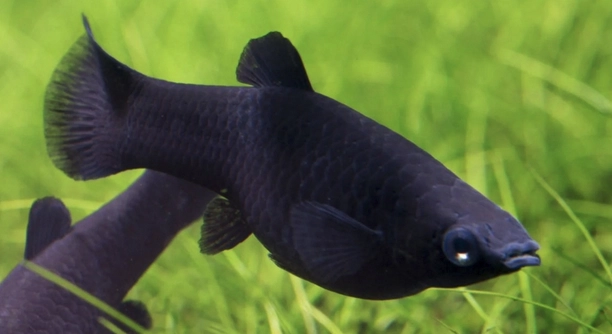
Do your Black Molly fry often remain motionless in the aquarium, leaving you unsure if they are healthy or stressed? Observing their stillness can be concerning, yet it is a common behavior seen among these tiny fish in controlled environments.
Black Molly fry often remain motionless due to environmental stressors, temperature fluctuations, lack of proper nutrition, insufficient oxygen levels, or natural resting behavior. Identifying these factors allows aquarists to maintain optimal conditions for healthy growth and development of the fry.
Understanding why these fry pause in activity helps improve care techniques and ensures their well-being. This insight provides practical guidance for maintaining a thriving aquarium environment.
Environmental Stress
Black Molly fry are sensitive to their surroundings, and sudden changes in water conditions can leave them motionless. High levels of ammonia, nitrites, or nitrates may overwhelm their tiny systems, causing them to stay still as a defensive response. Even slight shifts in pH or temperature can create discomfort. These fry are especially vulnerable during the first few weeks of life, when their immune systems are still developing. Consistent water quality is essential, and regular testing helps prevent unnoticed fluctuations. Using gentle filtration and avoiding overcrowding ensures they have space to move freely without stress. Providing hiding spots with plants or decorations can give them a sense of security. Slow acclimation to new tanks or water additions prevents shock. Over time, maintaining stable conditions reduces motionless behavior and supports healthy development. Observing them during feeding and routine checks can alert you to potential stress before it impacts growth or survival.
Maintaining stable, clean water is critical. Sudden changes can lead to motionless behavior and hinder healthy growth in Black Molly fry.
Consistency in water temperature, pH balance, and filtration reduces stress for the fry. Gentle adjustments and careful observation create an environment where they are more active and comfortable, ensuring long-term health.
Temperature Fluctuations
Even small temperature swings can leave Black Molly fry frozen in place. These fish rely on steady warmth, usually around 78–82°F. Rapid cooling or heating can cause them to slow down or stop moving entirely.
Temperature directly affects metabolism and energy levels in fry. When water is too cold, their bodies conserve energy by remaining still, slowing growth. Excessively warm water reduces oxygen availability and can stress them. Aquarists should use reliable heaters and thermometers to maintain steady conditions. Seasonal changes or sudden room temperature shifts may also impact tank stability. Gradual adjustments are necessary when changing tanks or performing water changes. Using insulated coverings or adjusting heating schedules can minimize fluctuations. Keeping a consistent temperature supports regular feeding, active swimming, and proper development. Observing fry responses to daily conditions helps identify subtle issues before they escalate. Maintaining stable temperatures is one of the most effective ways to reduce motionless behavior and encourage healthy activity in Black Molly fry, ensuring their growth proceeds as expected.
Lack of Proper Nutrition
Black Molly fry may stay still when they are not receiving adequate nutrition. Small, frequent feedings of suitable food are essential for their growth and activity.
Providing high-quality fry food, such as infusoria, liquid fry food, or finely crushed flake food, ensures they get the nutrients needed for energy and development. Poor feeding schedules or inappropriate food sizes can cause fry to conserve energy by remaining motionless. Overfeeding can also reduce water quality, adding stress and further limiting activity. Regularly observing their feeding behavior helps determine if adjustments are needed. Balanced nutrition supports growth, strengthens immune systems, and encourages normal swimming behavior. Ensuring fry eat enough but not excessively creates a stable environment that reduces motionless periods. Maintaining proper feeding habits from the start establishes healthy routines that impact survival rates positively.
Monitoring feeding responses and adjusting portions keeps fry active. Consistent, suitable nutrition helps them thrive, develop properly, and reduce motionless behavior over time.
Providing appropriate food at the correct intervals prevents energy depletion. Fry with balanced diets are more active, grow faster, and resist stress. Observing their response to feeding lets you identify problems early and maintain a healthier tank environment.
Low Oxygen Levels
Insufficient oxygen in the water can cause Black Molly fry to remain still or hover near the surface. Adequate aeration is vital for their survival.
Using air stones, gentle filtration, or surface agitation increases oxygen levels, allowing fry to swim and feed normally. Stagnant or overcrowded tanks reduce oxygen availability and can lead to lethargy. Regular partial water changes prevent oxygen depletion and maintain water quality. Monitoring temperature is also important, as warmer water holds less oxygen. Fry respond to low oxygen by slowing movement to conserve energy. Observing behavior and checking dissolved oxygen levels ensures that the tank provides a suitable environment. Small adjustments in aeration or water flow can make a noticeable difference in activity. Proper oxygenation supports metabolism, growth, and overall health, reducing periods of motionlessness in Black Molly fry.
Natural Resting Behavior
Black Molly fry sometimes remain motionless as part of their natural resting patterns. Short pauses in activity help them conserve energy and develop properly.
These resting periods are normal and not always a sign of illness. Observing consistent patterns can help differentiate between stress and natural behavior.
Hiding Instincts
Fry often stay still when they feel threatened. Plants, decorations, or shaded areas provide safe spots where they can remain unnoticed while they grow.
Black Molly fry use stillness as a defensive strategy. In a tank with larger fish or sudden movements, they instinctively freeze to avoid attention. Over time, as they grow more comfortable with their surroundings, this behavior lessens, but hiding instincts remain part of their natural responses. Providing sufficient cover allows them to feel secure, reducing stress and encouraging healthy activity without forcing them into constant motion. Recognizing this instinct helps maintain a calm and balanced tank environment, supporting both safety and growth for the fry.
Overcrowding
Too many fry in one tank can lead to competition and stress. Limited space makes them stay still more often to avoid collisions or confrontations.
FAQ
Why do Black Molly fry stay motionless at the bottom of the tank?
Fry often remain still at the bottom to conserve energy, especially when water conditions or temperature are not ideal. This behavior can also be a response to feeling unsafe or stressed. Observing them over time helps distinguish natural resting from stress-related stillness.
How can I tell if my fry are healthy despite being motionless?
Healthy fry will still show small movements, like fin twitching or slight swimming when feeding. They maintain normal body shape, clear eyes, and smooth scales. Fry that are consistently lethargic or show signs of illness may need attention to water quality or feeding habits.
Is it normal for fry to hide frequently?
Yes, hiding is a natural instinct. Fry use plants or decorations to feel safe. Providing enough cover reduces stress and encourages them to explore and feed normally over time. Fry that hide occasionally are usually fine.
Can poor water quality cause fry to stay still?
Absolutely. High levels of ammonia, nitrites, or nitrates, sudden pH changes, or unclean water can stress fry. Regular water testing, gentle filtration, and partial water changes help maintain stable conditions and reduce motionless behavior.
Does overcrowding affect their movement?
Overcrowding limits swimming space and increases stress, causing fry to remain still. Providing enough space per fry, along with adequate hiding spots, reduces stress and encourages natural activity. Overcrowded conditions can also impact growth and survival rates.
How often should I feed my Black Molly fry?
Small, frequent feedings are best, usually 3–5 times per day. Suitable foods include finely crushed flake food, liquid fry food, or infusoria. Proper feeding supports energy levels, growth, and active swimming, reducing prolonged motionless periods.
Can temperature fluctuations affect fry activity?
Yes, fry are sensitive to sudden changes. Water that is too cold slows metabolism, while too warm water reduces oxygen availability. Maintaining a steady 78–82°F range helps keep fry active and healthy. Gradual adjustments are important when changing tank conditions.
Is low oxygen a common reason for stillness?
Insufficient oxygen causes fry to hover near the surface or stay motionless to conserve energy. Using air stones, gentle filtration, and monitoring temperature keeps oxygen levels sufficient. Partial water changes also prevent oxygen depletion and promote regular swimming behavior.
Are there any signs that indicate a serious problem?
Signs include constant motionlessness, clamped fins, rapid gill movement, or unusual body shape. Sudden changes in behavior or visible distress require immediate water testing and possibly isolation to protect fry health.
Can fry recover if they stay still too long?
With proper adjustments to water quality, temperature, feeding, and space, fry usually recover and become active again. Consistent observation and maintaining optimal conditions are key to ensuring they grow and thrive.
How do I differentiate resting from stress?
Resting fry usually remain still for short periods, often in safe areas, and resume activity when approached or fed. Stress-induced stillness is prolonged, with signs like poor appetite, rapid gill movement, or staying in unusual positions. Monitoring patterns helps identify the cause.
Is it normal for fry to stay still after being moved to a new tank?
Yes, acclimation to a new environment can make fry freeze temporarily. Gradual introduction to new water and providing hiding spots helps them adjust faster and resume normal activity. Movement typically returns within hours to a day.
Can fry recover from stress caused by hiding too much?
Providing stable water, adequate nutrition, and safe spaces allows fry to reduce hiding behavior over time. Gradual exposure to normal tank conditions encourages natural swimming and feeding, promoting overall health and growth.
How important is tank setup for fry activity?
A well-planned tank with proper space, hiding spots, and stable water conditions supports active behavior. Avoiding overcrowding and maintaining water quality directly impacts fry health and prevents prolonged motionless behavior.
What are common mistakes that keep fry motionless?
Common errors include irregular feeding, overcrowding, sudden water changes, poor oxygenation, and ignoring temperature fluctuations. Addressing these issues ensures fry remain active, healthy, and develop properly.
Can I do anything to encourage more movement?
Yes, regular feeding, stable water conditions, gentle aeration, and providing adequate space and cover all encourage natural swimming. Observing fry responses and adjusting gradually supports confidence, reduces stress, and promotes activity.
Are all fry equally prone to staying still?
Individual differences exist. Some fry are naturally more cautious and may remain still longer. Ensuring optimal conditions allows even shy fry to thrive, gradually increasing their activity levels over time.
Does lighting affect fry activity?
Moderate, consistent lighting supports normal behavior. Too bright or sudden light changes can startle fry, causing temporary stillness. Soft lighting and a natural day-night cycle help them feel secure and maintain regular swimming patterns.
How can I prevent motionless behavior in the future?
Maintaining stable water, proper nutrition, controlled temperature, adequate oxygen, and enough space prevents prolonged stillness. Regular observation ensures early detection of issues, promoting healthy growth and active fry.
What should I do if my fry continue to stay still despite everything?
If all conditions are optimal and fry remain motionless, consulting an experienced aquarist or veterinarian may help identify less obvious health issues. Prompt action ensures their well-being and survival.
Black Molly fry are delicate creatures that require careful attention, especially during the first weeks of life. Their tendency to remain motionless can be worrying at first, but understanding the reasons behind this behavior makes it easier to care for them. Environmental factors, water quality, and tank setup all play a role in how active the fry are. Sudden changes in temperature, pH, or ammonia levels can cause them to freeze in place as a natural response to stress. Observing their behavior over time allows you to distinguish between normal resting periods and signs of potential problems. With stable conditions, most fry gradually become more active and show regular swimming patterns. Providing hiding spots, gentle filtration, and consistent feeding routines creates a sense of security and comfort, helping them move and explore their surroundings more confidently. Recognizing and addressing factors that affect their activity ensures that the fry remain healthy and continue to grow properly.
Proper nutrition is another critical element in maintaining healthy and active fry. Small, frequent feedings of appropriately sized food give them the energy needed for growth and regular movement. Lack of proper nutrition or irregular feeding schedules can leave them conserving energy by remaining motionless. Overfeeding can also contribute to motionless behavior by affecting water quality, making the tank environment stressful for the fry. Offering high-quality fry food, such as liquid fry food, infusoria, or finely crushed flakes, supports proper development and strengthens their immune system. Observing how they respond to feeding allows you to adjust portions and schedules, keeping them active and healthy. A balanced diet combined with stable water conditions and sufficient oxygen provides the foundation for fry to thrive. Consistent care and attention to these small but essential factors significantly reduce the frequency of motionless behavior and contribute to long-term survival.
It is important to remember that some periods of stillness are normal and part of the fry’s natural behavior. Black Molly fry may pause to rest, conserve energy, or hide in response to perceived threats. This instinctive behavior is not always a cause for concern, but prolonged or unusual stillness may indicate stress or health issues. Overcrowding, low oxygen levels, temperature fluctuations, and poor water quality can all contribute to motionless behavior and should be carefully monitored. By maintaining a clean, stable environment, providing sufficient nutrition, and observing the fry’s activity patterns, you can support their development and reduce stress. Attention to these details helps ensure the fry grow into healthy, active fish. With patience, consistent care, and careful observation, the motionless behavior of Black Molly fry can be minimized, allowing them to thrive in a safe and balanced aquarium environment.

Hello,
If you enjoy the content that we create, please consider saying a "Thank You!" by leaving a tip.
Every little bit helps us continue crafting quality advice that supports the health, happiness, and well-being of pets around the world, for pets of all shapes, sizes, and species.
We really appreciate the kindness and support that you show us!