
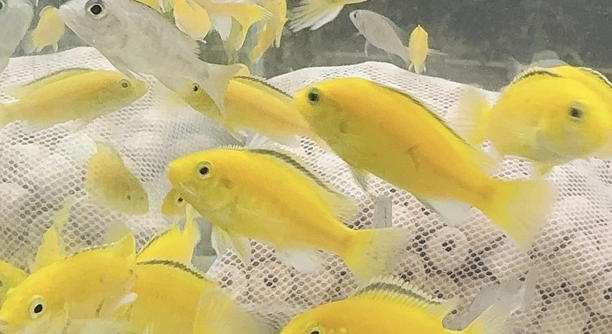
Cichlids are known for their vibrant colors and active behavior, yet sometimes they remain motionless for days. Observing this sudden inactivity can be concerning for aquarists who expect their fish to explore and interact within their tank.
A cichlid refusing to move for extended periods can indicate stress, illness, water quality issues, or territorial conflicts. It may also result from improper diet, sudden environmental changes, or natural resting patterns, all of which affect its overall well-being and behavior.
Understanding these reasons can help ensure your cichlid remains healthy and active. Each factor plays a role in maintaining a balanced aquatic environment.
Water Quality Issues
Poor water quality is one of the most common reasons a cichlid may stop moving. High levels of ammonia, nitrites, or nitrates can quickly stress fish, leading them to remain in one spot. Even minor fluctuations in pH or temperature can cause noticeable changes in behavior. Regular testing and maintenance are essential to keep water parameters stable. Frequent water changes and monitoring can prevent these problems from escalating. Additionally, accumulated waste, uneaten food, and algae can further degrade water conditions, creating an unhealthy environment. A cichlid may stay still to conserve energy while coping with poor water quality, as movement in contaminated water can be physically taxing. Observing the fish’s behavior alongside water tests helps identify whether the inactivity is environmental or health-related. Clear, clean water promotes natural activity and reduces stress, keeping your fish healthy and more likely to interact with its surroundings.
Regular testing and cleaning can restore activity quickly and prevent long-term health problems.
Maintaining proper water quality is critical. Use reliable test kits to measure ammonia, nitrites, nitrates, and pH regularly. Perform partial water changes weekly or as needed, removing debris and leftover food. Consistent temperature control is vital, especially for tropical cichlids. Adding filtration and aeration improves oxygen levels, which supports overall health. Avoid overfeeding, as excess food contributes to waste accumulation and water contamination. Observing your fish after maintenance can confirm if water issues were the reason for inactivity. Keeping records of water parameters helps identify patterns and prevent repeated problems. Healthy water encourages natural swimming, feeding, and interaction behaviors, reducing periods of immobility.
Illness or Parasites
Illness or parasites can make a cichlid lethargic. Common infections include bacterial, fungal, or protozoan diseases.
Fish often remain still to conserve energy when fighting infections. Physical signs may include discoloration, frayed fins, or unusual spots. Prompt diagnosis is important.
Parasites, such as ich or flukes, irritate the skin and gills, causing discomfort. The fish may isolate itself or hide, refusing to eat or swim actively. Early intervention is critical to prevent spread to other tank inhabitants. Treatments vary depending on the illness and can include medicated foods, salt baths, or water treatments. Observing changes in appetite, respiration, and coloration can help identify the type of infection. Quarantining affected fish reduces risk to healthy tank mates. Maintaining clean water and a balanced diet strengthens the immune system, reducing susceptibility to disease. Regular observation and proactive care are key to managing health issues and restoring normal behavior.
Stress from Tankmates
Aggressive tankmates can cause a cichlid to freeze in one spot. Constant chasing or nipping leads to stress and reduced activity. Territorial disputes are common, especially in confined spaces.
Stress affects appetite and immune response, making the fish more vulnerable to illness. Overcrowding worsens tension, as limited hiding spots increase confrontations. Even peaceful species may become defensive when space is tight. Providing adequate shelter, visual barriers, and proper spacing between aggressive and timid fish reduces stress. Observing behavior during feeding and movement can reveal which tankmates trigger inactivity. Adjusting the environment or rehoming incompatible fish helps restore normal activity levels.
Stress-related inactivity may be subtle at first, such as staying near the bottom or behind decorations. Recognizing these patterns early prevents long-term health decline. Regular monitoring and modifications to the tank setup can significantly improve the cichlid’s comfort. Avoid sudden rearrangements that could exacerbate anxiety. A stable, well-organized tank promotes confidence and encourages the fish to swim freely. Providing multiple hiding spots ensures the fish feels secure while maintaining natural behavior.
Dietary Problems
An imbalanced diet can leave a cichlid lethargic. Poor nutrition reduces energy, leading to prolonged periods of inactivity.
Feeding habits directly influence health and activity levels. Diets lacking protein or essential vitamins weaken the fish’s immune system, slowing metabolism. Overfeeding can also cause lethargy due to digestive strain or water contamination.
Providing a varied diet, including high-quality flakes, pellets, and occasional live or frozen foods, ensures proper nutrient intake. Adjust portions according to size and age, preventing obesity or nutrient deficiencies. Observing how the fish reacts to different foods helps identify preferences and tolerances. Supplementing with vitamins or specialized feeds supports growth, coloration, and energy. Rotating protein sources and including vegetable matter for herbivorous species maintains digestive health. Consistent feeding schedules create routine, reducing stress and encouraging natural activity patterns. Balancing nutrition directly impacts vitality and behavior, keeping the cichlid active and responsive within its environment.
Environmental Changes
Sudden changes in lighting, temperature, or decorations can make a cichlid stop moving. Fish rely on stable surroundings for comfort and security, so even small adjustments may cause temporary inactivity.
Frequent disturbances, such as moving the tank or loud noises nearby, can increase stress. A calm, consistent environment encourages regular activity and exploration.
Natural Resting Periods
Cichlids have natural resting behaviors, often remaining still for several hours or even days. This inactivity is part of their normal cycle and helps conserve energy.
Understanding these periods prevents unnecessary concern. Fish may hide or stay motionless during daylight or after feeding, resuming activity when they feel secure.
Temperature Fluctuations
Water temperature directly affects metabolism. Cooler temperatures slow movement, while sudden drops can make a cichlid lethargic. Maintaining consistent tropical temperatures supports regular activity.
FAQ
Why is my cichlid staying at the bottom of the tank all day?
A cichlid at the bottom often indicates stress, illness, or water quality issues. Poor oxygen levels, high toxins, or temperature fluctuations can make them conserve energy. Observing the fish alongside water tests helps identify whether the behavior is environmental or health-related.
Could my cichlid be sick if it refuses to eat?
Yes. Loss of appetite is a common symptom of illness or parasitic infections. Bacterial, fungal, or protozoan diseases can make a fish lethargic. Check for discoloration, frayed fins, or spots. Quarantine and treatment are often necessary to prevent spread.
Do tankmates affect a cichlid’s activity?
Aggressive or territorial tankmates can cause prolonged inactivity. Constant chasing or nipping increases stress, prompting a fish to hide or remain still. Adding shelters, visual barriers, or separating incompatible species reduces tension and encourages normal swimming behavior.
Can water temperature make a cichlid stop moving?
Absolutely. Cichlids are sensitive to temperature changes. Cooler water slows metabolism, reducing movement, while sudden drops can induce lethargy. Maintaining consistent tropical temperatures ensures normal activity levels and supports digestion and immune function.
Is inactivity sometimes normal for cichlids?
Yes. Cichlids have natural resting periods, often hiding or remaining still for hours or days. This conserves energy and is part of their normal behavior. Observing patterns over time helps distinguish rest from stress or illness.
Can diet affect my cichlid’s energy?
Improper nutrition can make a cichlid lethargic. Diets lacking protein, vitamins, or minerals reduce energy and weaken the immune system. Overfeeding can also cause lethargy due to digestive strain or water contamination. Offering varied, high-quality foods keeps fish active and healthy.
What immediate steps should I take if my cichlid refuses to move?
Check water parameters first, including ammonia, nitrites, nitrates, and pH. Inspect tankmates for aggression and review diet quality. Observe for signs of illness like spots, frayed fins, or unusual respiration. Correcting water issues and addressing stressors usually restores normal activity.
How long is too long for a cichlid to remain inactive?
Extended inactivity beyond a day or two, especially with signs of illness or stress, requires action. Early intervention prevents health decline. Tracking patterns, water conditions, and diet helps determine the underlying cause and appropriate response.
Can hiding behavior be mistaken for illness?
Yes. Cichlids often hide during natural resting periods, after feeding, or when stressed. However, pairing inactivity with physical symptoms, poor appetite, or abnormal swimming helps differentiate between normal hiding and illness. Observation over time is key.
Are there preventive measures to keep my cichlid active?
Maintaining clean, stable water conditions, providing a balanced diet, reducing stress from aggressive tankmates, and avoiding sudden environmental changes supports consistent activity. Regular monitoring and gentle adjustments promote comfort, health, and engagement within the tank.
How can I improve my cichlid’s environment to reduce inactivity?
Add hiding spots like rocks or plants, avoid overcrowding, and maintain consistent lighting and temperature. Smooth decorations prevent injury and reduce stress. Observing behavior and making gradual improvements helps the fish feel secure and encourages natural swimming patterns.
Does water quality directly influence a cichlid’s movement?
Yes. Poor water quality leads to lethargy as the fish struggles in a toxic or oxygen-deprived environment. Regular testing, partial water changes, and filtration keep water clean and support active, healthy behavior.
What signs indicate a cichlid’s inactivity is serious?
Extended motionlessness, loss of appetite, discoloration, labored breathing, frayed fins, or abnormal swimming suggest health problems. Immediate attention, including water checks and possible treatment, prevents worsening conditions and ensures proper care.
Can cichlids recover from long inactivity?
Most can recover if underlying issues like water quality, illness, stress, or dietary problems are corrected. Prompt action, observation, and supportive care restore energy and normal activity, improving overall health and well-being.
Should I consult a veterinarian if my cichlid refuses to move?
Yes. Persistent inactivity combined with physical symptoms warrants professional advice. A veterinarian experienced with fish can diagnose illnesses, recommend treatments, and prevent spread to other tank inhabitants. Early intervention often leads to a successful recovery.
Is lighting important for a cichlid’s activity?
Consistent lighting helps regulate natural behavior and energy levels. Sudden changes in brightness or duration can stress fish, causing them to stay hidden or inactive. Gradual adjustments and a stable light cycle maintain regular swimming patterns.
Can seasonal changes affect my cichlid’s movement?
Yes. Seasonal temperature or light fluctuations may influence activity, as cichlids respond to environmental cues. Monitoring water conditions and adjusting as necessary ensures continued health and prevents stress-induced inactivity.
How often should I monitor my cichlid’s behavior?
Daily observation is ideal. Noting activity levels, feeding habits, and interaction with tankmates helps detect early signs of stress, illness, or environmental issues. Consistent monitoring allows timely interventions and maintains overall health.
What is the role of tank size in activity levels?
Smaller or overcrowded tanks increase stress and limit swimming space, causing inactivity. Adequate space and thoughtful layout reduce territorial disputes, provide hiding spots, and encourage natural movement.
How can I tell if my cichlid is stressed versus resting?
Resting fish remain motionless without showing physical signs of distress. Stress manifests through erratic swimming, hiding, loss of appetite, color changes, or labored breathing. Observing patterns and context helps distinguish between normal rest and stress-related inactivity.
Can water changes trigger temporary inactivity?
Yes. Sudden changes in water chemistry, temperature, or turbulence during water changes can temporarily stress fish. Conducting partial changes gradually minimizes impact and allows the cichlid to resume normal behavior quickly.
What role does diet timing play in movement?
Feeding at consistent times helps regulate energy and activity. Irregular feeding may lead to lethargy or stress. Balanced meals support metabolism and natural behavior throughout the day.
Do hiding spots influence how often my cichlid moves?
Yes. Adequate shelters reduce stress and encourage confident exploration. Lack of hiding places may cause prolonged stillness, while thoughtfully placed decorations promote natural movement and reduce conflict among tankmates.
How long after correcting water issues will my cichlid resume activity?
Recovery time varies. Many fish show improvement within hours to a day after water parameters stabilize, while others may take several days. Consistent monitoring ensures the fish returns to healthy swimming behavior.
Can overfeeding make a cichlid less active?
Overfeeding burdens the digestive system and pollutes water, both of which reduce activity. Adjusting portion sizes and ensuring complete consumption prevents lethargy and maintains healthy swimming patterns.
Are certain cichlid species more prone to inactivity?
Yes. Some species naturally rest longer or hide more often, while others are highly active. Knowing the species’ typical behavior helps distinguish normal stillness from signs of stress or illness.
What preventive measures reduce the risk of prolonged inactivity?
Maintaining stable water quality, balanced nutrition, appropriate tankmates, consistent temperature and lighting, and sufficient hiding spots keeps fish active. Regular observation allows early intervention if inactivity occurs, ensuring long-term health and vitality.
Can enrichment activities help?
Yes. Adding decorations, plants, and varied feeding routines encourages exploration and natural behavior. Providing a stimulating environment reduces boredom and promotes movement.
What should I do if my cichlid shows multiple signs of stress?
Immediate action is necessary. Check water quality, isolate aggressive tankmates, assess diet, and observe for illness. Correcting environmental and health factors restores comfort, reduces stress, and encourages activity.
How often should I test water parameters to prevent inactivity?
Weekly testing for ammonia, nitrites, nitrates, and pH is recommended. More frequent checks may be needed during new setups, illness, or after water changes. Regular monitoring ensures a safe environment and supports healthy behavior.
Can quarantine tanks prevent prolonged inactivity in new fish?
Yes. Quarantining new cichlids allows monitoring for illness and reduces stress from aggressive tankmates. Healthy fish are more active once introduced to the main tank.
Does filtration affect activity?
Proper filtration maintains water quality, oxygen levels, and removes debris, all of which support swimming activity. Inadequate or harsh filtration can stress fish, causing lethargy.
How do I differentiate between temporary rest and serious inactivity?
Temporary rest is predictable, brief, and without physical symptoms. Serious inactivity is prolonged, accompanied by signs of illness, stress, or poor environmental conditions. Observing behavior patterns and tank conditions helps determine severity.
Can sudden loud noises impact my cichlid’s movement?
Yes. Vibrations and loud sounds can startle fish, prompting hiding or freezing. Minimizing disturbances and providing shelters allows the fish to feel secure and resume normal activity.
How important is routine in maintaining active behavior?
Consistent feeding, lighting, and tank maintenance create a predictable environment. Routine reduces stress, promotes comfort, and encourages regular movement throughout the day.
What role does oxygenation play?
Adequate oxygen supports metabolism and activity. Poor aeration can lead to lethargy. Using air stones, surface agitation, or strong filtration ensures sufficient oxygen levels for healthy swimming behavior.
Are stress signs reversible in cichlids?
Yes. Addressing environmental stressors, improving water quality, adjusting tankmates, and ensuring proper nutrition usually restores activity. Early intervention increases the likelihood of full recovery.
Can aging affect a cichlid’s activity?
Older fish may naturally slow down. Reduced swimming and more resting periods are normal with age but should still be distinguished from stress or illness. Observing changes gradually helps assess overall health.
What combination of factors usually causes prolonged inactivity?
Stress, illness, poor water quality, dietary issues, and environmental changes often interact. Addressing multiple aspects simultaneously is necessary to restore normal movement and maintain health.
How can I track improvements in activity?
Maintain a daily log of swimming patterns, feeding habits, and environmental conditions. Comparing changes over time confirms recovery and highlights persistent issues needing attention.
Can seasonal light changes disrupt activity?
Yes. Altered photoperiods may affect behavior. Maintaining consistent light cycles supports natural rhythms and encourages regular movement.
What is the most effective way to prevent prolonged inactivity?
Stable water conditions, balanced diet, proper tankmates, consistent environment, and daily observation collectively prevent stress and inactivity. Proactive care ensures cichlids remain active, healthy, and responsive.
How long should I monitor before deciding on veterinary care?
Persistent inactivity lasting more than a couple of days, especially with physical symptoms or appetite loss, warrants consultation with a veterinarian specializing in fish. Early intervention increases recovery success.
Can water additives help with lethargy?
Some additives, like vitamins or mild electrolytes, can support health, but they are not a substitute for proper water quality, diet, and care. Use as directed and monitor fish closely.
Do hiding spots alone ensure activity?
No. While they reduce stress, a balanced diet, clean water, proper temperature, and compatible tankmates are also necessary for normal activity. Hiding spots complement overall care, not replace it.
Can overstocking cause a cichlid to remain still?
Yes. Too many fish increase stress, competition for resources, and territorial disputes. Adequate space and proper stocking levels reduce inactivity and promote healthy social interactions.
How does tank layout influence behavior?
Strategic placement of rocks, plants, and shelters creates safe zones and encourages exploration. Poor layouts increase stress and hiding, while thoughtful designs promote active swimming.
Are some inactivity patterns temporary during acclimation?
Yes. New fish often remain still while adjusting to water chemistry, temperature, and tankmates. Gradual acclimation helps reduce stress and encourages earlier activity.
Can frequent observation itself stress a cichlid?
Minimal, gentle observation is usually fine. Excessive tapping on the glass or sudden movements can startle fish, prompting hiding or stillness. Approach quietly and maintain consistent monitoring habits.
Do medication treatments impact activity?
Yes. Some treatments, especially those altering water chemistry, may temporarily reduce swimming. Monitor closely and follow instructions to ensure recovery and restore normal behavior.
How important is social hierarchy in multi-cichlid tanks?
High-ranking fish may dominate space, causing lower-ranking individuals to hide or remain inactive. Proper spacing, shelters, and observing interactions helps maintain balanced activity across the tank.
Can slow inactivity indicate internal health issues?
Yes. Internal infections, parasites, or organ issues can reduce energy gradually. Early detection through observation, water checks, and diet adjustments improves recovery chances.
Does tank size affect stress-induced inactivity?
Smaller tanks amplify aggression and territorial disputes. Providing enough space for each fish reduces stress and encourages natural activity levels.
Can changing decorations suddenly impact movement?
Yes. Rearranging the tank can disorient fish. Gradual changes and familiar hiding spots maintain comfort and minimize periods of inactivity.
How can I distinguish between disease and temporary stress?
Disease often accompanies physical symptoms like spots, fin damage, or labored breathing, while stress-related inactivity occurs without visible health issues. Observing behavior patterns helps identify the underlying cause.
Can enrichment like plants and rocks stimulate activity?
Yes. Variety in the environment encourages exploration and reduces boredom. Combined with proper care, enrichment promotes consistent movement and natural behaviors.
What role does water flow play?
Moderate flow supports oxygenation and exercise. Too strong a current may stress fish, causing them to remain still, while stagnant water reduces activity due to low oxygen.
Can sudden temperature drops cause prolonged inactivity?
Yes. Rapid cooling slows metabolism, making the fish lethargic. Gradual temperature adjustments help prevent stress-induced inactivity.
Does feeding frequency impact energy levels?
Consistent feeding keeps metabolism stable. Overfeeding or irregular meals can cause lethargy, while balanced schedules maintain energy and activity.
Are isolated fish more likely to be inactive?
Yes. Lack of stimulation or companions can reduce movement. Providing environmental enrichment and visual contact with other tankmates encourages normal activity.
Can water hardness influence swimming behavior?
Extreme hardness or softness can stress cichlids, affecting metabolism and activity. Maintaining species-appropriate hardness supports health and normal movement.
Does sudden loud noise outside the tank affect activity?
Yes. Vibrations and noise can startle fish, prompting hiding or freezing. Minimizing disturbances allows the cichlid to feel secure and maintain normal swimming patterns.
Can overmedicating reduce activity?
Yes. Excessive or improper medication can weaken fish, slow metabolism, or cause stress. Following dosing instructions ensures recovery without further lethargy.
How does seasonal temperature variation affect movement?
Even slight seasonal changes in ambient temperature can influence water temperature and cichlid metabolism. Maintaining consistent tank conditions prevents activity drops.
What is the best way to restore activity after inactivity?
Correct water parameters, reduce stressors, provide proper diet, and ensure adequate hiding spots. Observation and gradual improvements encourage the fish to regain natural swimming patterns.
Can inactivity be permanent?
Inactivity may persist if underlying issues like chronic illness, extreme stress, or poor tank conditions are not addressed. Early intervention and proper care usually restore normal behavior.
How important is consistent feeding for active behavior?
Regular, balanced feeding schedules support energy levels, metabolism, and immune function. Consistency prevents lethargy and encourages daily activity.
Do cichlids need periods of rest?
Yes. Resting is natural and necessary for energy conservation and metabolic balance. Recognizing rest versus prolonged inactivity helps in monitoring health effectively.
How does social stress manifest in behavior?
Hiding, freezing, reduced feeding, and staying still are common signs. Managing tankmates and providing shelters minimizes social stress and encourages activity.
Are there visual cues to monitor activity recovery?
Normal swimming patterns, appetite, color intensity, and interaction with tankmates indicate recovery. Tracking these over time confirms improvements and overall health.
Can water additives improve activity?
Some supplements can support health, but proper diet, clean water, and stable conditions are more effective. Additives complement, not replace, good husbandry.
Is sudden stillness always alarming?
Not always. Temporary hiding or rest is normal. However, prolonged inactivity with other signs of stress or illness requires attention.
Can poor lighting reduce activity?
Yes. Inconsistent or overly bright lighting can stress fish, causing them to hide or remain still. Gradual, stable light cycles promote movement.
What environmental factors most impact activity?
Water quality, tankmates, temperature, hiding spots, and stressors like noise or movement influence activity levels. Addressing all factors ensures healthy behavior.
How long should I wait before adjusting tank conditions?
Observe behavior for several hours to a day to confirm patterns. Gradual changes prevent additional stress and allow accurate assessment of needs.
Can inactivity indicate long-term health problems?
Persistent inactivity combined with poor appetite, discoloration, or breathing issues may signal chronic health issues. Early action improves prognosis.
Do some cichlids naturally swim less?
Yes. Species-specific behavior varies. Some are naturally more sedentary or territorial, remaining in one area longer than others. Recognizing typical behavior helps prevent unnecessary concern.
How does overstocking affect movement?
Too many fish increase stress and territorial disputes, leading to hiding or inactivity. Adequate tank space promotes healthy swimming and reduces conflict.
Can diet supplements restore energy?
Proper supplementation supports vitality, but balanced meals and water quality remain the primary factors for consistent activity.
How can I prevent inactivity during acclimation?
Gradual introduction to water parameters, careful handling, and temporary isolation allow new cichlids to adjust with minimal stress and reduced stillness.
What is the connection between oxygen and swimming activity?
Adequate oxygen supports metabolism and energy. Low oxygen slows movement, while proper aeration and filtration maintain normal activity.
Can seasonal light changes disrupt swimming patterns?
Yes. Maintaining consistent photoperiods helps regulate natural activity and reduces stress-related hiding or inactivity.
How important is observation in preventing inactivity?
Daily monitoring identifies early signs of stress, illness, or environmental issues, allowing timely intervention and maintenance of healthy, active behavior.
Do cichlids react differently to sudden environmental changes?
Yes. Rapid alterations in water, temperature, or decorations can cause hiding or freezing. Gradual adjustments help maintain stability and normal activity.
Can tank decorations stimulate movement?
Varied structures, plants, and rocks encourage exploration and natural behavior. Properly designed layouts reduce stress and promote swimming.
Does partial water change affect activity?
Sudden, large water changes can temporarily
Cichlids are fascinating fish, but their inactivity can be concerning. When a cichlid refuses to move for days, it often reflects an underlying issue in its environment or health. Water quality is one of the most common factors. Poor water conditions, including high levels of ammonia, nitrites, or nitrates, can stress fish and cause them to stay in one spot. Temperature fluctuations, improper pH, or inadequate oxygen levels also affect their metabolism and energy. Regular testing, partial water changes, and proper filtration can help maintain a stable environment. Observing the fish in conjunction with water parameters helps identify whether inactivity is a temporary response to stress or a sign of a more serious problem.
Diet and nutrition also play a significant role in a cichlid’s activity levels. Feeding a balanced diet with high-quality flakes, pellets, and occasional live or frozen foods ensures they receive essential nutrients for energy and overall health. Overfeeding can lead to lethargy and digestive problems, while a lack of vitamins or protein can weaken the immune system. Adjusting feeding portions and maintaining consistent meal times can encourage regular swimming and active behavior. It is also important to consider the social environment. Aggressive or territorial tankmates may cause prolonged hiding or stillness. Providing hiding spots, visual barriers, and enough space reduces stress and allows fish to feel secure. Observing interactions and making adjustments to the tank setup can improve comfort and encourage natural movement.
Health issues are another factor that can cause inactivity. Illness, parasites, or infections can leave a cichlid lethargic, reduce appetite, and weaken its immune system. Early detection of symptoms such as discoloration, frayed fins, unusual spots, or labored breathing is essential. Prompt intervention, including quarantine, medication, or consultation with a veterinarian, increases the likelihood of recovery. Natural resting behavior is also worth noting. Cichlids may remain still for several hours or even days as part of their normal cycle, conserving energy or responding to changes in lighting. Understanding the difference between rest and concerning inactivity helps prevent unnecessary worry. By addressing water quality, diet, social dynamics, and health factors, cichlids can maintain regular activity and thrive in their aquatic environment. Consistent monitoring and thoughtful care are key to supporting both their physical health and natural behaviors.

Hello,
If you enjoy the content that we create, please consider saying a "Thank You!" by leaving a tip.
Every little bit helps us continue crafting quality advice that supports the health, happiness, and well-being of pets around the world, for pets of all shapes, sizes, and species.
We really appreciate the kindness and support that you show us!