
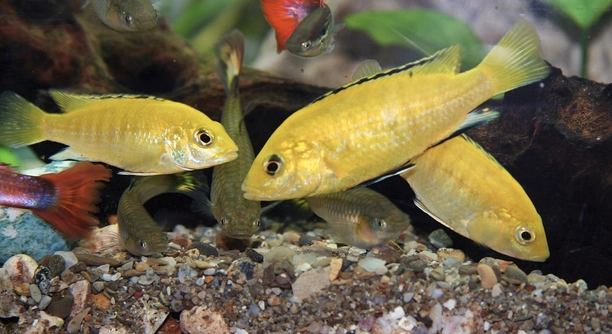
Spawning is a critical time in the life cycle of many aquatic species. Observing the behaviors and movement patterns before this process can provide valuable insight into their reproductive habits and overall health. These movements are often subtle but significant.
Before spawning, fish and other aquatic creatures display distinct movement patterns, including circling, shaking, nudging, or vibrating. These behaviors serve to attract mates, prepare the environment, and ensure successful fertilization, reflecting a natural and instinctive process.
Recognizing these patterns allows for better understanding and care of aquatic life during this important period. Observing them closely can reveal much about their readiness to spawn.
Circling and Hovering
Many fish begin to circle or hover near a chosen area before spawning. This behavior is often seen in pairs or small groups. Circling helps them assess the environment and each other while maintaining proximity to potential mates. It also signals readiness and establishes territory. Hovering near plants, rocks, or other protective features ensures that eggs will be laid in a safe location. These movements are slow and deliberate, showing control and focus. In some species, males circle females to encourage them to move to an optimal spawning site. Hovering can also reduce stress by giving the fish time to adjust to environmental changes. Observing this behavior can help caretakers predict when spawning will occur. It is subtle but consistent across many species. Timing and repetition are key indicators that the fish are preparing for reproduction. Watching carefully reveals patterns that might otherwise be missed.
This circling and hovering ensures safety and proper conditions for egg laying, making it a crucial part of the spawning process.
Recognizing these movements allows for timely preparation in aquariums or natural settings. Ensuring clean water, adequate space, and minimal disturbances increases the chances of successful reproduction. Paying attention to circling and hovering gives valuable insight into the readiness and health of the fish, helping to maintain a balanced and supportive environment for their eggs and fry.
Nudging and Touching
Nudging behavior appears as gentle pushing or rubbing between fish, often a male and female. It encourages females to release eggs while establishing connection and synchronization.
Nudging signals readiness and ensures that eggs and sperm meet efficiently for fertilization. It is a tactile communication method that aligns both partners during the spawning process.
This behavior is not random; it shows coordination and intent. Females respond by adjusting their position or timing, which increases fertilization success. Observing these interactions gives a clear indication of which fish are likely to spawn next. The pattern can last minutes to hours depending on the species. Subtle variations, like the intensity of nudges or the frequency of contact, often indicate the stage of spawning preparation. Tracking these movements over time provides insight into reproductive health and timing. In controlled environments, nudging can help caretakers predict egg-laying events and optimize conditions. Understanding these behaviors enhances both observation and management of aquatic species during reproduction.
Vibrating and Quivering
Vibrating or quivering is often seen in males trying to attract females. This rapid movement helps stimulate the female and prepares the eggs for fertilization, ensuring timing is precise. It is brief but repeated, showing intent and focus on the spawning process.
This movement is deliberate and usually occurs close to the female. Vibrations signal readiness and encourage her to release eggs while positioning herself correctly. The speed and frequency vary among species, but it consistently indicates imminent spawning. Observing the intensity and pattern helps predict when eggs will be released. In some fish, vibrations also serve as a territorial display to warn other males, preventing interference. Close attention reveals subtle cues, such as body angle and fin movement, which are essential for successful fertilization. Timing, repetition, and positioning are all coordinated through this behavior.
Watching quivering closely allows one to anticipate reproductive events. It demonstrates both instinct and communication, ensuring eggs and sperm meet efficiently for healthy offspring. This movement is an important signal of reproductive readiness.
Tail-Fanning
Tail-fanning is a common behavior to prepare the substrate for eggs. It clears debris and increases water circulation, providing oxygen for the developing eggs. This action is precise and repeated until the area is ideal.
The fish use their tails to move sediment and create a clean, safe space. Fanning also signals to the female that the area is ready. It is most often performed by males but can involve females in some species. Observing tail-fanning patterns helps predict spawning timing and ensures that conditions are optimal. Fish may adjust the intensity depending on the substrate type or water flow, demonstrating careful preparation. Regular tail-fanning ensures that eggs are less vulnerable to bacteria or predators, improving survival chances. Monitoring these behaviors can guide caretakers in maintaining proper habitat conditions.
Tail-fanning serves a dual purpose: it physically prepares the site and communicates readiness. The consistency of this movement reflects the instinctive behavior designed to maximize reproductive success. Proper observation can reveal subtle differences in how individuals approach this task.
Rubbing and Pressing
Rubbing and pressing involve fish gently pushing their bodies against each other or surfaces. This helps stimulate the female and positions the eggs for release. It is a subtle but deliberate behavior that ensures proper alignment during spawning.
This behavior also strengthens the connection between the pair. Pressing signals readiness and coordination, making fertilization more efficient.
Darting Movements
Darting movements are quick, sudden bursts of swimming, often seen as males chase females or defend a spawning site. These short sprints help establish dominance and encourage the female to move toward the ideal egg-laying area. Darting is frequent and energetic, showing both focus and intent.
Shaking Fins
Shaking fins creates vibrations and water currents that help spread sperm over eggs. This action is brief but repeated, improving fertilization success and ensuring the eggs are well-covered and oxygenated. It is most commonly performed by males just before and during egg release.
What are the most common movements seen before spawning?
Before spawning, fish and other aquatic species show a variety of movements including circling, hovering, nudging, vibrating, tail-fanning, rubbing, darting, and shaking fins. Each behavior serves a specific purpose, from attracting mates to preparing the environment for eggs. Observing these movements helps predict reproductive timing and ensures proper care in both natural and controlled settings.
Why do fish circle and hover before spawning?
Circling and hovering are ways for fish to assess their surroundings and potential mates. Circling helps establish territory, ensures safety, and communicates readiness. Hovering near plants or other protective features allows fish to select optimal sites for egg laying while reducing stress and maintaining control over their movements.
What does nudging indicate in spawning behavior?
Nudging is a tactile behavior where males gently push or rub against females. It encourages females to release eggs and helps synchronize fertilization. This interaction is deliberate and coordinated, showing intent and timing. Nudging also strengthens the bond between mates and signals readiness for reproduction.
How does vibrating or quivering help during spawning?
Vibrating or quivering creates subtle movements that stimulate the female and ensure proper timing for egg release. This behavior can also serve as a territorial display to prevent other males from interfering. The frequency and intensity provide clues about reproductive readiness and help maximize fertilization success.
Why is tail-fanning important before spawning?
Tail-fanning clears debris and increases water circulation around the eggs, improving oxygen supply. It also signals to the female that the site is ready for egg laying. Fanning intensity varies depending on the environment, and consistent tail-fanning enhances the safety and survival of the eggs.
What role does rubbing and pressing play?
Rubbing and pressing help align the bodies of the fish during egg release, ensuring efficient fertilization. It is subtle but deliberate, aiding both physical positioning and communication between the pair. Pressing also reassures the female and signals readiness to complete the spawning process.
What is the purpose of darting movements?
Darting movements are short, quick bursts of swimming usually performed by males. These movements encourage females to move to optimal spawning sites and deter other males from interfering. Darting demonstrates energy, focus, and dominance, which are critical for successful reproduction.
How do shaking fins assist in spawning?
Shaking fins creates water currents that spread sperm over the eggs, enhancing fertilization. This repeated action is most common in males just before and during egg release. Proper fin shaking ensures eggs are covered and oxygenated, improving the chances of healthy offspring.
Can observing these behaviors help with aquarium management?
Yes, paying attention to these pre-spawning movements can help aquarists maintain optimal conditions. Circling, tail-fanning, and nudging indicate readiness, allowing caretakers to prepare the environment with clean water, appropriate substrate, and minimal disturbances. Observing these behaviors also helps identify stress or health issues early.
Are all species’ pre-spawning behaviors the same?
While the patterns are similar across many species, there are variations in intensity, duration, and method. Some species may favor certain behaviors over others depending on habitat, size, or mating strategy. Recognizing species-specific patterns helps improve breeding success and monitoring accuracy.
How long do these pre-spawning behaviors last?
The duration varies from minutes to several hours depending on the species, environmental conditions, and individual fish. Some behaviors, like circling and tail-fanning, may be repeated continuously, while others, like darting or vibrating, occur in short bursts. Consistency and repetition are key indicators of readiness.
Do environmental factors affect these movements?
Yes, water temperature, oxygen levels, lighting, and substrate quality all influence spawning behaviors. Poor conditions can reduce activity or disrupt timing, while optimal conditions encourage natural movement patterns. Careful observation and adjustments help support reproductive success and healthy egg development.
What should I focus on to predict spawning?
Focus on repeated and deliberate movements such as circling, nudging, tail-fanning, and vibrating. The combination of these behaviors, along with the timing and intensity, provides the clearest indication that spawning is imminent. Tracking these cues allows for better preparation and management.
How can observing pre-spawning movements improve breeding success?
By closely monitoring behaviors, caretakers can ensure the environment is optimal, reduce stress, and prevent disturbances. Recognizing signs of readiness allows for timely interventions, such as moving eggs to a safer location or adjusting water conditions, increasing the likelihood of healthy offspring.
Are there signs that spawning may not occur?
If movements are weak, inconsistent, or absent, it may indicate stress, illness, or unsuitable environmental conditions. Lack of circling, nudging, or tail-fanning often signals that the fish are not ready or unable to reproduce successfully, highlighting the need for intervention or habitat improvement.
Can multiple behaviors happen at the same time?
Yes, fish often combine movements. For example, a male may circle while nudging the female or tail-fan while vibrating. These simultaneous behaviors increase the likelihood of successful fertilization and indicate peak reproductive readiness. Recognizing combinations provides deeper insight into reproductive health and timing.
Is it possible to encourage these behaviors?
Providing clean water, proper substrate, hiding spots, and stable environmental conditions encourages natural pre-spawning movements. Maintaining suitable temperature and lighting and minimizing stress helps fish display these behaviors fully, improving chances of successful reproduction and healthy offspring.
What is the key takeaway about pre-spawning behaviors?
Pre-spawning movements are purposeful, instinctive, and essential for successful reproduction. Observing circling, nudging, tail-fanning, vibrating, and other behaviors provides valuable insight into reproductive readiness and environmental needs. Careful monitoring enhances breeding outcomes and supports the health and survival of aquatic species.
Observing pre-spawning behaviors provides valuable insight into the reproductive habits of fish and other aquatic species. Movements like circling, hovering, nudging, vibrating, tail-fanning, rubbing, darting, and shaking fins are not random; they serve specific purposes that increase the chances of successful fertilization. Each behavior communicates readiness, coordinates the timing between partners, and helps prepare the environment for eggs. In controlled environments like aquariums, noticing these patterns allows caretakers to ensure that conditions are optimal. Simple adjustments, such as providing clean water, adequate space, and proper substrate, can make a significant difference in supporting these natural behaviors. Even in natural habitats, understanding these movements can give insight into population health and reproductive success. Paying attention to subtle cues, like repeated hovering or tail-fanning, often reveals much more than casual observation might suggest. These behaviors demonstrate the instinctive intelligence of aquatic species, showing how well-adapted they are to their reproductive needs.
Recognizing pre-spawning movements also highlights the importance of timing and coordination. Many of these behaviors, such as nudging or vibrating, are brief and deliberate, occurring in repeated cycles that maximize the chances of fertilization. Fish communicate through movement rather than sound or visual displays alone, which is why careful observation is crucial. The environment plays a major role in supporting or hindering these behaviors. Water temperature, oxygen levels, lighting, and substrate quality all influence how actively fish display their pre-spawning movements. Stress, poor water conditions, or overcrowding can disrupt these natural patterns and reduce reproductive success. By understanding what normal behavior looks like, caretakers and observers can identify signs of stress or environmental inadequacies early. This awareness not only supports breeding efforts but also improves overall fish health and longevity. Observing these behaviors closely can transform the way we care for aquatic species, ensuring that their natural instincts are respected and supported.
Finally, appreciating these movements offers a deeper understanding of the delicate balance in aquatic ecosystems. Pre-spawning behaviors are more than just physical actions; they reflect the survival strategies and reproductive priorities of species. Each movement has a purpose, from attracting mates to preparing the environment and protecting eggs. By monitoring these behaviors, whether in aquariums or natural habitats, we can better anticipate reproductive events and provide appropriate care. This knowledge helps maintain healthy populations and ensures that eggs and fry have the best chance to thrive. Supporting these natural behaviors is a way to respect the life cycle of aquatic species while promoting their continued survival. Observing, understanding, and responding to these patterns is essential for anyone involved in fish care or conservation. With patience and attention to detail, pre-spawning movements become clear indicators of reproductive readiness and environmental needs, offering both practical guidance and a glimpse into the instinctive behaviors that sustain aquatic life.

Hello,
If you enjoy the content that we create, please consider saying a "Thank You!" by leaving a tip.
Every little bit helps us continue crafting quality advice that supports the health, happiness, and well-being of pets around the world, for pets of all shapes, sizes, and species.
We really appreciate the kindness and support that you show us!