
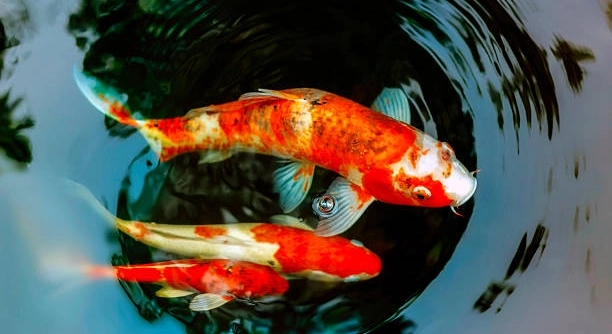
Are your koi acting a little different lately, but you’re not sure if it’s something to worry about or just a normal shift? Changes in their environment can lead to subtle signs that often go unnoticed.
Koi often show they’re adjusting to change through subtle behavior shifts like slower swimming, reduced feeding, new resting spots, or changes in group dynamics. These signs typically reflect a normal transition and not immediate distress.
Recognizing these signs early can help you understand your koi better and support them during small or seasonal adjustments in their environment.
Slower, More Relaxed Swimming
One of the first signs koi are adjusting to a change is slower, more relaxed swimming. They might glide instead of darting or pause more often near the pond bottom or edges. This behavior often signals that your koi are monitoring their environment and taking time to get comfortable with the change—whether it’s a shift in water temperature, a new addition to the pond, or a slight alteration in their feeding routine. It doesn’t always mean something is wrong. It can simply mean they are easing into the new rhythm. Their movement may seem less playful for a short while, but it’s often a temporary adjustment phase.
This slower swimming helps conserve energy and gives them time to assess what’s different in their surroundings. It’s a calm sign of awareness and adaptation.
Once they feel confident and settled, their natural swimming patterns will typically return without intervention or stress signs.
Eating Less Than Usual
Koi may temporarily eat less when things change. It’s a quiet adjustment response, not usually a health concern. A small drop in appetite allows them to focus on adapting rather than feeding right away.
You might notice they ignore pellets they usually eat immediately or nibble lightly before swimming away. This is common when water conditions shift, temperatures drop, or after a move. Koi are sensitive to subtle environmental cues. During these periods, avoid overfeeding. Uneaten food can sink and affect water quality, creating more stress. Instead, offer smaller amounts until their appetite returns. Observe their behavior and keep an eye on water temperature, clarity, and filtration. Clean, stable water will support their return to regular eating habits. Once they’re comfortable again, you’ll see them responding normally to feeding times—moving quickly, competing for pellets, and eating consistently. Keeping feeding routines light and stress-free helps koi transition smoothly without pressure or digestive strain.
Spending More Time at the Bottom
Koi often rest near the bottom when adjusting to new surroundings. It gives them a quiet space to feel secure while monitoring the change. This behavior usually fades as they begin to feel more comfortable.
They may hover over certain areas or stay still longer than usual. As long as they aren’t gasping or showing signs of distress like clamped fins or skin issues, bottom-sitting is often harmless. It’s a natural way for them to stay calm while slowly responding to a shift, like seasonal water changes or pond cleaning. If they remain alert and responsive, it’s likely a temporary phase. Consistent water quality and routine checks help ensure they adjust smoothly without complications. You might even notice them slowly becoming more active again after a few days.
Patience during this stage is important. Avoid crowding the pond or making further changes. Let them settle at their own pace.
Mild Color Fading
Color changes can happen when koi are adapting. A slight loss of vibrancy, especially in reds and oranges, can show that they are adjusting to a new routine or condition. This is often short-term and not something to panic about.
Fading usually affects younger koi more than older ones, especially when moved to a different pond, after a filter replacement, or during weather shifts. As they become comfortable, color can return naturally with no treatment needed. Consistent nutrition, reduced stress, and stable water conditions are key to regaining their vibrant tones. You don’t need special products—just time, a balanced diet, and minimal disruptions. If the fading is subtle and they remain active and responsive, let things settle before reacting. Brightness often returns within a week or two once they’re used to their updated environment and feel safe again.
Seeking Shelter or Hiding
Koi might start hiding under plants, rocks, or pond ledges more often during a transition. This quiet behavior helps them feel protected while adjusting. As long as they’re still eating and not isolating completely, it’s usually not a concern.
They may also group together in shaded or covered areas. This can be a way of reducing exposure to unfamiliar conditions. Once they feel secure again, their usual swimming patterns and curiosity typically return without any need for intervention.
Less Interest in Interaction
During periods of change, koi may not swim up to greet you or follow familiar patterns. They might hang back quietly and take time before engaging. This shift in interaction is often temporary and reflects their need for calm and consistency. Avoid tapping or trying to coax them out—they’ll re-engage naturally once they feel more secure. Letting them approach on their own terms builds back trust and helps them recover a sense of stability without extra pressure.
Occasional Gaping at the Surface
Koi may occasionally gape at the surface when adjusting to changes, especially after a water swap or shift in oxygen levels. If it’s brief and infrequent, it’s often just part of their recalibration process.
FAQ
Why are my koi swimming slower than usual?
Slower swimming is often a sign your koi are adjusting to a new environment or change in water conditions. It allows them to conserve energy and observe their surroundings. Unless accompanied by other symptoms like erratic movement or clamped fins, slower swimming is generally harmless and temporary.
Is it normal for koi to eat less after a pond change?
Yes, koi often reduce their food intake when something changes in their habitat. This helps them focus on adapting rather than digesting heavily. Offer smaller meals and avoid overfeeding until their appetite returns. Monitor water quality closely during this period to support their recovery.
What does it mean if my koi spend more time at the pond bottom?
Resting near the bottom can be a natural response to feeling unsettled. It provides a safe space where koi feel less exposed. As long as they remain responsive and water conditions are good, this behavior usually passes as they get used to the new setting.
Why is my koi’s color fading slightly?
Mild color fading is a common, temporary sign of stress or adjustment. Changes in temperature, water chemistry, or lighting can affect pigment. Keeping the water clean and stable along with a nutritious diet usually helps koi regain their colors without any special treatment.
Should I worry if my koi are hiding more often?
Hiding is a quiet way for koi to protect themselves while they adapt. It becomes a problem only if they stop eating or isolate completely for long periods. Give them space and avoid sudden changes to help them feel secure again.
Why don’t my koi interact like they used to?
Reduced interaction often happens when koi are uneasy or adjusting. They may avoid swimming near the surface or following your movements. This is typically temporary and resolves as they regain comfort. Let them take the lead in re-engaging.
What causes koi to gape at the surface occasionally?
Brief gaping at the surface can indicate a response to changes in oxygen levels or water quality. If it’s infrequent and they seem otherwise healthy, it’s likely a normal part of adjustment. Ensure proper aeration and filtration to prevent stress.
How long does it take for koi to fully adjust after a change?
Adjustment times vary but usually range from a few days to a couple of weeks. Factors like the type of change, water quality, and koi age influence this. Consistent care and minimal disturbance speed up their return to normal behavior.
Can stress from adjusting lead to illness in koi?
Stress weakens koi’s immune system, making them more vulnerable to infections. While adjustment itself isn’t illness, prolonged stress can trigger health problems. Maintain clean water, proper nutrition, and observe behavior closely to prevent complications.
What are the best ways to support koi during adjustment periods?
Keep water clean and stable, feed small amounts of high-quality food, avoid sudden changes, and minimize disturbances. Patience is key. Observing quietly and allowing koi space helps them settle without additional stress.
Should I change my feeding schedule during koi adjustment?
Yes, reducing feeding amounts and frequency can ease digestion during adjustment. Offer smaller, more frequent meals if needed and remove uneaten food promptly. This prevents water pollution and supports koi’s health.
When should I be concerned about koi behavior changes?
If koi show signs like gasping constantly, clamped fins, visible wounds, lethargy, or stop eating for several days, it’s time to investigate water parameters and consider consulting a professional. Early action prevents serious problems.
Do koi adjust differently depending on their age or size?
Younger koi tend to be more sensitive to changes and may show stronger adjustment signs. Larger, mature koi usually adapt more steadily. Tailor your care to their needs, offering extra attention to younger or newly introduced fish.
Is it helpful to add stress relief products during koi adjustment?
Some products can support koi health, but they are not always necessary. Focus first on water quality and stable conditions. Use any additives according to instructions and only if stress signs worsen or last longer than expected.
How important is water temperature during koi adjustment?
Water temperature affects koi metabolism and comfort. Sudden drops or rises can increase stress. Aim for gradual changes and stable temperatures during transitions to help koi adjust without extra strain. Use heaters or shade as needed to maintain balance.
Can koi adjust to new pondmates easily?
Introducing new koi or other fish may cause temporary stress as they establish social order. Monitor interactions closely and provide hiding spots. Over time, most koi learn to coexist peacefully if space and resources are sufficient.
Final Thoughts
Koi are sensitive creatures that respond quietly to changes in their environment. When you notice subtle behaviors like resting near the pond bottom, mild color fading, or hiding more often, these are usually signs that your koi are adjusting. It is important to recognize these signs early so you can provide the right care during these periods. Changes in water quality, temperature, or pond layout can all cause koi to behave differently for a while. Knowing what to expect helps prevent unnecessary worry and allows you to support your fish effectively.
Patience is key when helping koi through adjustment phases. Their reactions, like slower swimming or less interest in interaction, often improve with time. Avoid rushing to change the environment again or overfeeding them during this time. Instead, focus on maintaining stable water conditions, consistent feeding schedules, and gentle observation. Giving koi the space and time to adapt reduces stress and encourages their natural recovery. This approach supports their immune system and overall health, making it easier for them to return to normal behavior.
Keeping a close eye on koi during transitions ensures any unusual signs are caught early. While quiet adjustments are normal, persistent symptoms such as gasping, lethargy, or loss of appetite require attention. Maintaining good water quality and a healthy diet reduces the risk of illness. By understanding these subtle signals, you can create a calm environment that helps koi adjust smoothly to change. This care benefits their well-being and strengthens your connection to these beautiful fish.

Hello,
If you enjoy the content that we create, please consider saying a "Thank You!" by leaving a tip.
Every little bit helps us continue crafting quality advice that supports the health, happiness, and well-being of pets around the world, for pets of all shapes, sizes, and species.
We really appreciate the kindness and support that you show us!