
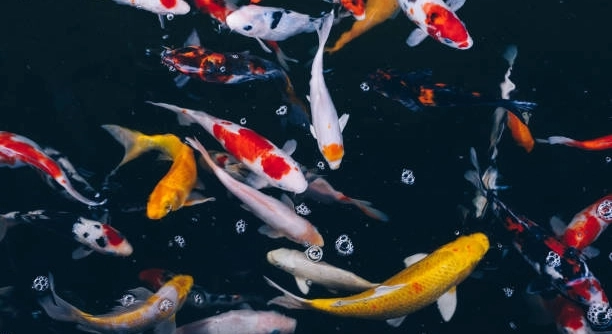
Koi fish are popular pets that bring calmness to ponds and gardens. Watching their movement can reveal important signs about their well-being. Recognizing when koi are uncomfortable helps owners care for them better.
Koi movement patterns often indicate their health and comfort levels. Signs such as erratic swimming, frequent surface gulping, or sluggish behavior can signal discomfort caused by poor water quality, illness, or stress. Careful observation is essential for timely intervention.
Knowing how to interpret these subtle cues can improve the health of your koi and enhance your enjoyment of their presence. This guide highlights key behaviors that deserve attention.
Erratic Swimming Patterns
When koi swim in sudden bursts or change direction quickly without reason, it can mean they are uncomfortable or stressed. This behavior might happen if the water temperature shifts too fast or if there are harmful chemicals in the pond. Erratic swimming can also point to parasites or infections irritating the fish. Koi usually glide smoothly, so sharp, jerky movements stand out as a warning sign. It is important to check the water quality and look for visible signs of illness when you notice this. Addressing the problem quickly can prevent more serious health issues.
Erratic movement is a clear signal that koi need attention to their environment or health.
Watching for these sudden movements helps you protect your koi before the situation worsens. Keeping the water clean and stable is essential. Observing how your koi swim every day is a simple way to spot trouble early.
Frequent Surface Gulping
Koi often come to the surface to gulp air, but frequent gulping can indicate discomfort. This behavior usually happens when oxygen levels in the water are low or when water quality is poor. It can also be a sign of gill damage or disease. If koi are constantly at the surface gasping for air, it means they may be struggling to breathe properly underwater. Checking aeration systems and testing water parameters like ammonia and nitrite can help identify problems. Improving pond oxygen and cleanliness can reduce this behavior and keep koi healthy.
Sluggish Movement
Sluggish koi often signal discomfort or illness. When koi move slowly or stay at the bottom for long periods, something may be wrong with their environment or health.
Sluggishness can result from poor water conditions like low oxygen, high ammonia, or sudden temperature changes. It may also indicate infections or parasites that drain the koi’s energy. Koi normally swim actively, so prolonged inactivity is a sign to test the water and check for health issues. Proper filtration and regular water changes help maintain a healthy habitat, reducing sluggish behavior.
If sluggishness persists, it is best to isolate the affected koi and seek advice from an expert. Prompt care can prevent worsening conditions and improve recovery chances.
Erratic Surface Jumping
Erratic jumping is a sign koi are uncomfortable or stressed. It usually happens when the pond environment isn’t ideal or there is an irritant in the water.
Jumping may be caused by parasites, sudden changes in water quality, or predators nearby. It can also mean the koi are trying to escape discomfort caused by poor oxygen levels or toxins. This behavior can risk injury, so it should never be ignored. Ensuring good water circulation and regular maintenance can reduce these jumps. Monitoring the pond environment carefully helps protect koi from stress and injury. Taking action quickly when jumping starts is important for koi well-being.
Clamped Fins
Clamped fins happen when koi hold their fins close to their body instead of spreading them out. This is often a sign of stress or poor water conditions.
Fins clamped tightly can also indicate illness, such as bacterial infections. Observing this behavior early helps prevent serious health problems by adjusting the environment or treating the koi.
Gasping at the Surface
Gasping at the surface is a clear indicator of low oxygen or poor water quality. Koi struggling to breathe need immediate attention to the pond’s aeration and cleanliness.
Improving water circulation and testing water parameters can help restore balance and ease the koi’s breathing problems.
Restless or Rapid Movement
Restless or rapid movement without clear purpose can signal irritation or discomfort in koi. This may be caused by parasites, toxins, or poor water quality affecting their well-being.
What causes koi to show signs of discomfort through their movement?
Koi often show discomfort when their environment changes or when they are sick. Common causes include poor water quality, sudden temperature shifts, low oxygen levels, parasites, or infections. Stress from overcrowding or aggressive tank mates can also affect their behavior. When water conditions are not ideal, koi may swim erratically, gasp at the surface, or appear sluggish. It is important to regularly test water parameters like ammonia, nitrite, nitrate, and pH to keep the pond healthy. Maintaining proper filtration and aeration helps prevent many issues. Watching for unusual movements is an early way to spot trouble before illness worsens.
How can water quality affect koi movement?
Water quality directly impacts koi health and movement. Toxic substances like ammonia and nitrites make koi uncomfortable, causing them to swim erratically or gasp for air. Poor oxygen levels force koi to the surface frequently. If the water is dirty or unbalanced, koi can become sluggish or develop clamped fins. Regular testing and water changes keep the pond safe. Adding plants and proper filtration supports a balanced environment, helping koi move naturally and comfortably.
What does frequent surface gulping mean?
Frequent gulping at the surface usually signals low oxygen or poor water quality. Koi breathe through their gills, so when oxygen levels drop, they come up for air more often. This can happen during hot weather when water holds less oxygen or when the pond is overcrowded. It may also indicate gill damage from parasites or disease. Improving aeration, reducing stocking density, and cleaning the pond can reduce this behavior.
Why do koi swim erratically or jump out of the water?
Erratic swimming and jumping often mean koi are stressed or irritated. Possible reasons include parasites, poor water quality, sudden environmental changes, or predators nearby. Jumping can be dangerous because koi risk injury or escaping the pond. Keeping the water clean, stable, and free of irritants reduces these behaviors. Monitoring koi regularly allows quick action when signs appear.
What does clamped fins tell me about my koi’s health?
Clamped fins, when koi hold their fins tightly against their body, often indicate stress or illness. This behavior can be caused by bacterial or fungal infections, poor water quality, or parasites. Healthy koi normally spread their fins while swimming. When fins stay closed, it shows the fish is uncomfortable or weak. Treating water conditions and consulting an expert can help the koi recover.
How important is temperature control for koi movement?
Temperature changes affect koi metabolism and movement. Sudden shifts can stress koi, causing sluggishness or erratic swimming. Koi thrive in water between 59°F and 77°F (15°C to 25°C). If the water gets too cold or hot, koi may slow down or become inactive. Keeping temperature stable with shading or heaters in extreme weather improves koi comfort and behavior.
Can parasites cause changes in koi movement?
Yes, parasites can irritate koi, causing rapid, restless swimming or rubbing against surfaces. Parasites like flukes or ich damage skin and gills, making movement painful. Signs include scratching, clamped fins, or gasping at the surface. Early detection and treatment with proper medications are key to stopping parasite-related discomfort.
When should I consult a professional about koi movement problems?
If koi show unusual behavior like erratic swimming, constant surface gulping, or clamped fins for several days despite improving water conditions, it’s time to consult a professional. Persistent symptoms may indicate infections or parasites needing specialized treatment. Early advice helps prevent severe health issues and ensures proper care.
Final Thoughts
Understanding the movement of koi fish is an important part of keeping them healthy and comfortable. Koi communicate a lot through how they swim and behave in the water. Signs like erratic swimming, sluggishness, clamped fins, or frequent surface gulping can all point to discomfort or health problems. Paying attention to these movements helps you spot issues early before they become serious. Regular observation should be part of caring for koi, just like checking the water quality and feeding them properly. Small changes in their behavior can tell you a lot about their environment and well-being.
Water quality plays a big role in how koi move and act. Clean, well-oxygenated water makes koi swim smoothly and actively. On the other hand, poor water conditions, such as high ammonia or low oxygen, make koi uncomfortable and stressed. This leads to unusual swimming patterns and other signs of distress. Keeping the pond clean, stable, and balanced is key. Simple actions like regular water testing, using good filtration, and avoiding overcrowding help maintain a safe environment. When the water is right, koi are more likely to show healthy, calm movements that are a pleasure to watch.
If you ever notice your koi behaving strangely, it’s important to act quickly. Changes in movement can mean many things, from environmental stress to illness. Testing the water, checking for parasites, and watching for other signs like clamped fins or jumping can guide your response. Sometimes treatment or advice from an expert is needed to help your koi get better. Being attentive and responsive to these clues supports your koi’s health and helps create a peaceful pond for them to thrive in. Taking the time to understand and respond to your koi’s movements shows good care and respect for these beautiful fish.

Hello,
If you enjoy the content that we create, please consider saying a "Thank You!" by leaving a tip.
Every little bit helps us continue crafting quality advice that supports the health, happiness, and well-being of pets around the world, for pets of all shapes, sizes, and species.
We really appreciate the kindness and support that you show us!