
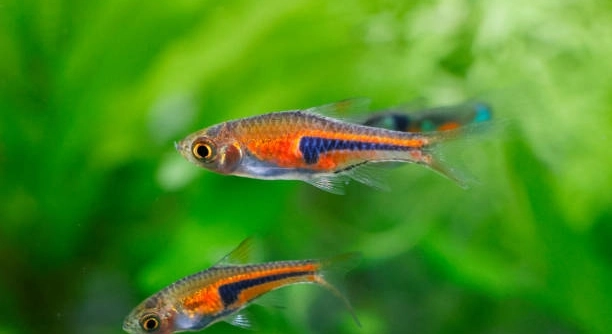
Rasboras are small, lively fish that can easily become stressed in their environment. Even subtle changes in water or tank setup may cause anxiety, affecting their behavior and overall well-being. Many owners seek practical ways to keep them calm.
Reducing rasbora anxiety can be achieved through simple adjustments, such as maintaining stable water conditions, providing hiding spots, ensuring proper tank mates, and offering a consistent feeding routine. These steps support their natural behavior and reduce stress effectively.
Following these basic steps can create a calmer environment for your fish. Learning small adjustments will help them thrive in their tank habitat.
Create a Calm Environment
Rasboras respond strongly to their surroundings. Keeping the tank quiet and free from sudden movements helps them feel safe. Bright lights can make them nervous, so dim lighting or floating plants can soften the environment. Consistent water temperature and clean water reduce stress, while avoiding overcrowding ensures each fish has space to swim freely. Adding plants, rocks, and hiding places mimics their natural habitat, giving them spots to retreat when they feel anxious. Even gentle water flow adjustments can make a noticeable difference in their comfort. Watching their behavior helps you see which changes are effective.
Small adjustments like a few plants or lowering light intensity can quickly make rasboras calmer and more active in their tank.
Consistency is key. Once the environment is stable, rasboras start to explore more and interact with each other naturally. Gradually, they show reduced hiding behavior and more playful swimming. A well-planned tank setup minimizes sudden stress and supports their daily routines, helping them stay healthy and comfortable over time.
Proper Tank Companions
Rasboras thrive best with compatible species that share similar temperaments and water requirements.
Choosing suitable tank mates avoids aggressive behavior that can increase anxiety. For example, small tetras or peaceful bottom dwellers can coexist comfortably. Avoid larger or overly active fish that may chase or intimidate rasboras. Watching interactions between fish helps identify potential stress triggers. Over time, compatible companions encourage natural schooling behavior, promoting confidence and reducing anxiety. A balanced social setup contributes to a stable, harmonious tank environment that supports overall health and reduces behavioral issues.
Maintain Stable Water Conditions
Regular testing and partial water changes are essential for rasboras. Sudden shifts in pH, temperature, or hardness can cause anxiety. Keeping parameters consistent creates a secure environment, allowing them to behave naturally and reduce stress.
Water quality directly impacts fish health. Rasboras are sensitive to ammonia, nitrites, and nitrates, so maintaining safe levels is critical. Using a reliable water testing kit helps track changes. Partial water changes of about 20% weekly keep toxins low without shocking the fish. Consistent temperature prevents stress caused by sudden fluctuations. Filtration should be gentle, avoiding strong currents that make swimming difficult. By monitoring water regularly, you create a stable environment that supports their overall well-being.
Proper filtration, combined with regular water maintenance, supports a calm tank. Gentle flow, combined with frequent checks, ensures that rasboras stay healthy. Observing their swimming patterns can indicate if conditions need adjustment, keeping anxiety levels low.
Provide Hiding Spots
Rasboras feel safer with places to hide and retreat.
Adding plants, rocks, and small caves reduces visible stress and gives them control over their environment. They use these areas to rest or escape sudden movements. Hiding spots mimic their natural habitat, helping them feel secure. Dense plants at the edges allow them to swim freely while feeling protected. Floating plants create shaded areas, softening bright lighting. Even small decorations, like driftwood, can serve as retreat points. Having multiple hiding spots ensures no fish feels left out or trapped, which can prevent conflicts and reduce anxiety. Over time, this setup encourages confident swimming and natural schooling behavior.
Keep a Consistent Feeding Schedule
Feeding rasboras at the same time each day helps reduce anxiety. They feel more secure when they know when to expect food. Sudden changes in feeding times can make them restless or skittish.
Portion control is important. Overfeeding can pollute the water, while underfeeding increases stress. A balanced diet with high-quality flakes or micro-pellets ensures they get the nutrients they need without creating excess waste.
Limit Sudden Disturbances
Rasboras are easily startled by sudden movements or loud noises near the tank. Limiting disturbances helps them stay calm and swim naturally without panic.
Frequent tapping on the glass or rapid shadow movements can trigger anxiety. Even quick changes in room lighting or nearby activity may stress them. Maintaining a quiet and predictable environment helps them settle into regular behavior. Over time, they become more comfortable, exploring open areas and interacting with other tank mates confidently. Consistency in daily activity patterns reduces stress responses and promotes a peaceful tank environment for all fish.
Monitor Behavior Closely
Watching how rasboras swim and interact helps identify stress early. Changes in schooling or hiding behavior indicate anxiety or health issues.
Gentle Tank Maintenance
Cleaning and maintenance should be slow and careful. Sudden, vigorous movements in the water can scare rasboras, so taking time during water changes and decorations adjustments keeps stress minimal.
FAQ
How can I tell if my rasbora is anxious?
Signs of anxiety include hiding more than usual, darting around the tank, or refusing food. They may also separate from the group or show erratic swimming patterns. Observing their normal behavior helps identify changes, making it easier to spot stress early and respond appropriately.
Can lighting affect rasbora anxiety?
Yes, bright or flickering lights can make rasboras nervous. Dim lighting or floating plants that diffuse light can create a more comfortable environment. Avoid sudden changes in light intensity, as this can trigger stress responses. Consistent lighting schedules help them feel secure.
Is tank size important for reducing stress?
Tank size plays a big role. Overcrowding increases competition for space, hiding spots, and resources, which raises stress levels. Providing enough room for swimming and hiding ensures rasboras feel safe and can display natural behaviors, reducing anxiety significantly.
What water conditions are best for rasboras?
Stable water conditions are crucial. Rasboras prefer slightly acidic to neutral pH, moderate hardness, and temperatures around 24–28°C (75–82°F). Regular testing for ammonia, nitrites, and nitrates ensures the water stays safe. Sudden fluctuations can trigger stress and health problems.
Are hiding spots necessary in the tank?
Absolutely. Plants, rocks, and small caves give rasboras places to retreat. These spots reduce visible stress and help fish feel secure. Multiple hiding areas prevent dominance issues and provide options for every fish to rest or escape sudden movements.
How often should I feed rasboras?
Feeding should be consistent, typically once or twice a day, with small portions. Overfeeding pollutes the water and can increase anxiety, while underfeeding makes them restless. A mix of high-quality flakes, micro-pellets, and occasional live or frozen foods supports health and reduces stress.
Do tank mates affect rasbora behavior?
Yes, the right tank mates make a big difference. Peaceful species that swim at similar levels are ideal. Aggressive or large fish can intimidate rasboras, causing hiding or erratic swimming. Observing interactions ensures a harmonious group and minimizes stress.
Can water flow impact rasbora anxiety?
Strong currents can exhaust and stress rasboras. Gentle filtration is best, allowing them to swim naturally without fighting the flow. Adjusting the filter or using decorations to soften currents helps create a calmer environment.
How often should I clean the tank?
Regular maintenance is important, but it should be done gently. Partial water changes of 20–25% weekly are sufficient. Avoid vigorous movements that disturb the fish. Cleaning the substrate and decorations slowly prevents unnecessary stress while keeping the tank healthy.
Will plants help my rasboras feel safer?
Yes, plants offer shelter, reduce light intensity, and mimic their natural habitat. Both floating and rooted plants provide shaded areas and hiding spots, encouraging confident swimming. A well-planted tank reduces anxiety and supports natural schooling behavior.
Can I use decorations to reduce anxiety?
Decorations like driftwood, rocks, or caves create visual barriers and retreat points. Multiple decorations prevent territorial disputes and ensure every fish has access to a safe area. This helps them feel in control and less stressed.
Is water temperature stability important?
Very important. Sudden temperature drops or spikes can trigger stress and weaken their immune system. Using a reliable heater and monitoring with a thermometer ensures a stable, comfortable environment for rasboras to thrive.
How do I know if changes are working?
Observe behavior consistently. Calmer swimming, less hiding, and normal feeding are positive signs. Any improvement indicates that your adjustments, whether in water conditions, tank setup, or feeding routine, are helping reduce anxiety effectively.
Can I prevent anxiety completely?
While it’s impossible to eliminate all stress, following stable water conditions, proper tank mates, hiding spots, gentle maintenance, and consistent feeding significantly reduces anxiety. A carefully managed environment supports their natural behavior and overall health.
Are live or frozen foods better for reducing stress?
Both can be beneficial. Live or frozen foods mimic natural hunting behavior and provide stimulation, which can distract from stress. Flakes and pellets ensure consistent nutrition. A balanced mix keeps rasboras healthy and mentally engaged, reducing anxiety.
Does tank location matter?
Yes, placing the tank away from heavy foot traffic, loud noises, or direct sunlight helps. A stable, quiet location minimizes sudden disturbances, allowing rasboras to feel secure and maintain normal behavior.
How long does it take for rasboras to calm down?
It varies depending on previous stress and environment adjustments. With consistent care, most rasboras begin to show calmer behavior within a few days to weeks. Patience and careful observation are key to reducing anxiety effectively.
Can I use supplements to reduce stress?
Some natural supplements or stress-relief additives can help, but they are not substitutes for proper care. Prioritizing stable water, proper tank setup, and compatible companions has the greatest impact on reducing anxiety. Supplements can be an occasional aid if necessary.
What should I do if anxiety persists?
Persistent stress may indicate illness, poor water quality, or incompatible tank mates. Review all aspects of tank management, observe behavior closely, and consult with a knowledgeable aquarium specialist if needed. Early intervention prevents long-term health issues and improves overall well-being.
How do I encourage natural schooling behavior?
Keeping rasboras in small groups of the same species encourages schooling, which provides safety and reduces stress. Adequate space, hiding spots, and compatible tank mates support this behavior, helping fish feel secure and confident in their environment.
Can decorations block swimming space?
Yes, it’s important to balance decorations with open swimming areas. Rasboras need room to move freely while having hiding spots. Too many obstacles can increase stress, so thoughtful placement ensures a safe and comfortable environment.
Does regular observation help reduce anxiety?
Observing behavior daily allows you to detect stress early and adjust care routines. Noticing changes in swimming, feeding, or social interactions provides insight into their well-being, helping maintain a calm and healthy tank.
How does schooling reduce anxiety?
Schooling provides safety in numbers and social reassurance. Being with other rasboras reduces fear of predators and creates a sense of security. This natural behavior lowers stress and encourages confident swimming and interaction within the tank.
Are all rasboras equally sensitive?
Individual sensitivity varies. Some may be more timid, while others are bolder. Recognizing each fish’s temperament allows for tailored care, including more hiding spots or gentle interactions, helping all members of the school feel secure.
Can changing the tank decor frequently cause stress?
Yes, frequent rearrangement can confuse and stress rasboras. They rely on familiar surroundings to feel secure. Only make gradual changes and observe their response to avoid unnecessary anxiety.
Is feeding at night better for anxious rasboras?
Not necessarily. Consistency is more important than timing. Rasboras are diurnal, so feeding during daylight hours aligns with their natural activity patterns. Regular, predictable feeding reduces stress and supports normal behavior.
Do live plants require special care for rasboras?
Live plants need appropriate lighting, nutrients, and care. Healthy plants provide hiding spots and improve water quality, benefiting rasboras. Choosing easy-to-maintain species ensures the tank remains stable without causing stress from decaying plants or sudden changes in layout.
How do I balance tank aesthetics and comfort?
Prioritize fish comfort over appearance. Decorations, plants, and lighting should support natural behavior and reduce stress. A well-planned setup can be attractive while providing safe swimming areas and hiding spots, creating a healthy, calm environment for rasboras.
Can overcrowding lead to long-term anxiety?
Yes, overcrowding increases competition for space and resources, causing chronic stress. Maintaining appropriate group sizes and tank dimensions supports normal schooling behavior and reduces anxiety, promoting long-term health and well-being.
Are floating plants better than rooted plants for reducing anxiety?
Both types help, but floating plants provide shaded areas and soft light, which calm rasboras. Rooted plants offer hiding spots and structure. A mix of both types creates variety, reduces stress, and encourages natural exploration and behavior in the tank.
Do water changes stress rasboras?
Partial water changes done slowly reduce stress. Sudden, large changes can cause anxiety and disrupt water parameters. Gentle maintenance preserves stability, keeping fish calm while maintaining a clean, healthy environment.
Is it better to add new fish gradually?
Yes, introducing new tank mates slowly reduces stress. Quarantining new fish and adding them gradually allows rasboras to adjust to changes, preventing sudden disturbances and maintaining a calm, balanced environment.
How important is a thermometer for anxiety prevention?
Very important. Stable water temperature prevents stress and supports immune function. Using a reliable thermometer ensures temperatures remain consistent, avoiding sudden fluctuations that can trigger anxiety or illness.
Can I reduce stress by avoiding decorations altogether?
No, hiding spots are essential. Decorations provide security and reduce visible stress. Removing them entirely leaves rasboras exposed, increasing anxiety and inhibiting natural behavior. Thoughtful placement is key to balance safety and swimming space.
Do all rasbora species react the same to stress?
Different species have slightly varying temperaments. Some are more timid or sensitive, while others adapt quickly. Knowing your specific species helps tailor care, hiding spots, and tank conditions to reduce anxiety effectively.
Will frequent handling increase stress?
Yes, handling should be minimal. Rasboras are small, delicate, and easily stressed by nets or movement. Avoid unnecessary interaction, focusing on observation and gentle maintenance to keep anxiety low.
Does water hardness affect anxiety?
Yes, extreme hardness or sudden changes in mineral content can stress rasboras. Maintaining stable, moderate hardness suited to their species helps keep them calm and supports overall health.
How do I gradually introduce new decorations?
Add one item at a time, observing how fish react. This approach reduces sudden changes and allows rasboras to explore safely, preventing anxiety and encouraging natural behavior.
Can schooling alone reduce anxiety?
Schooling provides safety, reassurance, and social interaction, but it works best alongside stable water conditions, proper tank mates, and hiding spots. Combining these elements creates a low-stress environment that supports calm, healthy behavior.
Is it necessary to keep a log of water parameters?
Yes, tracking pH, temperature, and nitrates helps detect trends and prevent sudden changes that stress rasboras. Regular logging ensures consistency, supporting a stable, anxiety-free environment.
Can gentle music or sound help rasboras?
Background noise should be minimal. Loud or sudden sounds increase stress. Quiet, consistent ambient noise is acceptable, but focus on stable lighting, water, and tank setup for effective anxiety reduction.
Does feeding live foods daily reduce anxiety?
Not daily, but occasional live foods provide enrichment and encourage natural foraging. This stimulation can distract from stress, promote activity, and complement a balanced diet of flakes or pellets.
How do I know if tank mates are causing stress?
Watch interactions closely. Hiding, darting, or aggression indicates incompatible species. Adjusting companions or tank layout reduces conflict, helping rasboras feel secure and calm.
Can sudden temperature drops from tap water cause anxiety?
Yes, always use conditioned, temperature-matched water for changes. Sudden drops shock the fish, increasing stress and potential health problems. Gradual adjustments prevent anxiety and support overall stability.
Is frequent observation enough to reduce anxiety?
Observation alone doesn’t reduce stress but allows early detection of problems. Combined with proper water conditions, hiding spots, feeding routines, and compatible companions, it ensures rasboras remain calm and healthy.
Do plants reduce ammonia spikes?
Yes, live plants absorb nutrients and help manage ammonia and nitrates, improving water quality. Healthier water reduces stress, promoting calmer behavior and supporting overall tank stability.
Can I combine multiple stress-reduction techniques?
Absolutely. Combining stable water, hiding spots, proper tank mates, gentle maintenance, and consistent feeding creates a low-stress environment. Integrating multiple strategies ensures the best results for reducing anxiety in rasboras effectively.
Does the type of substrate affect anxiety?
A soft, natural substrate provides comfort and encourages natural foraging. Sharp or rough substrates can cause stress or injury. Choosing an appropriate substrate supports calm behavior and overall well-being.
How often should I check for stress signs?
Daily observation is ideal. Noticing changes in hiding, swimming, or feeding behavior early allows timely adjustments. Frequent checks help maintain a calm, healthy tank environment.
Can stress affect coloration?
Yes, stressed rasboras often lose vibrant colors or appear dull. Reducing anxiety through stable conditions, hiding spots, and proper care restores natural coloration over time.
Do floating plants help during feeding?
Floating plants provide shaded areas and a sense of safety during feeding, reducing anxiety. Fish can approach food at their own pace without feeling exposed or threatened.
Can tank size alone prevent anxiety?
Tank size is important but not sufficient alone. Proper care, hiding spots, compatible companions, and stable water conditions all contribute to reducing stress and supporting healthy behavior.
Is gradual acclimation necessary for new fish?
Yes, slow acclimation prevents shock and reduces stress. Floating the bag, adjusting water slowly, and careful release ensures new fish settle comfortably with minimal anxiety.
Does water circulation affect schooling?
Strong or uneven flow can disrupt schooling and stress rasboras. Gentle, consistent circulation supports natural movement and reduces anxiety, allowing the school to swim together calmly.
Are rasboras more stressed in bare tanks?
Yes, bare tanks remove hiding spots and shelter, increasing vulnerability and anxiety. Providing plants, rocks, and decorations creates a secure environment for calm, natural behavior.
How long should I observe after changes?
Observe at least several days after adjustments. Changes in hiding, swimming, and feeding indicate whether modifications reduce anxiety or need further tweaking. Patience ensures effective, stress-free results.
Do decorations need cleaning?
Yes, but clean gently. Scrubbing too vigorously or rearranging frequently can stress fish. Slow, careful maintenance maintains a safe, calm environment while keeping the tank hygienic.
Can subtle temperature fluctuations cause stress?
Even small, frequent changes can trigger anxiety. Maintaining steady temperature with a reliable heater is critical to keep rasboras comfortable and healthy.
Is using a lid important?
A secure lid prevents sudden disturbances from outside and keeps fish safe. It also reduces water evaporation and helps maintain consistent temperature, indirectly reducing stress.
Does water conditioner reduce stress?
Conditioners remove harmful chemicals like chlorine, preventing irritation and anxiety. Safe, treated water contributes to a stable, low-stress environment for rasboras.
Can stress lead to illness?
Yes, prolonged stress weakens the immune system, making rasboras more susceptible to disease. Reducing anxiety through proper care supports both mental and physical health.
How do I know if feeding routines are effective?
Observe appetite, activity, and behavior. Consistent eating patterns indicate reduced stress, while refusal or erratic feeding signals potential anxiety or health issues requiring attention.
Are rasboras compatible with bettas?
Not always. Aggressive bettas can stress rasboras, causing hiding or erratic swimming. Monitor closely if combined and provide ample hiding spots to reduce conflicts.
Does tank color matter?
Neutral or darker backgrounds reduce visual stress. Bright or reflective surfaces may startle rasboras, so a calm backdrop helps maintain a secure environment.
Can sudden rearrangements of plants cause stress?
Yes, sudden changes disrupt familiar territory. Move items gradually, observe responses, and allow fish to acclimate to prevent anxiety spikes.
Do rasboras prefer planted or open areas?
Both are important. Open areas allow swimming, while plants provide shelter. A balanced tank reduces anxiety and encourages natural schooling and exploration behavior.
Is gentle filtration necessary?
Yes, strong currents can exhaust or stress rasboras. A gentle filter maintains water quality while keeping the environment comfortable and calm for natural swimming.
Do water additives help with anxiety?
Some additives can reduce stress temporarily, but long-term comfort comes from proper tank setup, stable water conditions, compatible tank mates, and consistent routines.
How do I balance schooling and hiding needs?
Provide open swimming space for schooling and multiple hiding spots for retreats. This balance supports both safety and natural social behavior, reducing anxiety effectively.
Are all rasboras sensitive to light changes?
Most are sensitive. Sudden shifts or bright lights trigger stress. Gradual transitions and shaded areas help them adjust comfortably without increasing anxiety.
Can decorations mimic natural habitat effectively?
Yes, rocks, plants, and driftwood recreate shelter and structure. Mimicking natural conditions supports security, schooling, and confident swimming, reducing anxiety and encouraging healthy behavior.
How often should I rotate hiding spots?
Occasionally, but slowly. Too frequent changes can confuse or stress rasboras. Gradual adjustments keep the environment interesting without increasing anxiety.
Do live plants affect oxygen levels?
Yes, healthy plants produce oxygen during the day and absorb CO2, improving water quality. This supports calm, healthy rasboras, indirectly reducing stress.
Is temperature monitoring daily necessary?
Daily checks ensure stability. Sudden temperature shifts are stressful, so frequent monitoring maintains a calm, comfortable environment.
Can I reduce stress by limiting tank traffic?
Yes, placing the tank in a quiet, low-traffic area reduces sudden disturbances. A calm setting supports normal behavior and lowers anxiety levels effectively.
Does adding too many tank mates cause stress?
Yes, overcrowding increases competition for space and hiding spots, causing anxiety. Proper stocking maintains harmony and supports calm, natural behavior.
Can gentle water movement replace hiding spots?
No, movement alone doesn’t provide security. Hiding spots are essential for retreats, while gentle flow supports swimming without causing stress. Both are needed for a low-anxiety environment.
Is schooling alone enough for a calm tank?
Schooling reduces anxiety, but it works best with stable water, hiding spots, compatible companions, and gentle maintenance. Combining these elements ensures maximum comfort.
Do plants reduce aggressive interactions?
Yes, plants create barriers and retreats, minimizing conflicts and promoting calmer interactions among tank mates, reducing overall stress levels.
Can stress affect breeding behavior?
Yes, anxious rasboras are less likely to spawn. Reducing stress through stable conditions, hiding spots, and proper care encourages natural reproductive behavior.
Are rasboras sensitive to chemical cleaners?
Yes, harsh chemicals can irritate and stress fish. Always rinse decorations thoroughly or use aquarium-safe products to avoid anxiety or health issues.
How long does it take for rasboras to adapt to a new tank?
It varies, typically a few days to weeks. Providing hiding spots, gentle maintenance, stable water, and compatible companions helps them settle faster and reduce stress.
Do artificial plants help as much as live plants?
Artificial plants provide shelter
Rasboras are small, delicate fish that can be surprisingly sensitive to their surroundings. Their behavior reflects how comfortable they feel in the tank, and even small changes can cause anxiety. Maintaining stable water conditions, providing proper hiding spots, and choosing compatible tank mates are key steps in creating a calm environment. Observing their behavior regularly is important, as it helps identify any early signs of stress, allowing you to take action before the problem becomes serious. A consistent routine, including feeding at regular times and gentle maintenance, also contributes to their sense of security and helps them thrive over time.
It is important to remember that each rasbora may react differently to changes. Some are naturally bolder, exploring open areas quickly, while others are more timid, preferring to stay near plants or decorations. Recognizing these individual differences allows for better care, as you can provide additional hiding spots or quieter areas for more sensitive fish. Small adjustments in lighting, water flow, and tank decorations can make a noticeable difference. Even minor improvements, like floating plants that diffuse bright light or rocks that create sheltered areas, help them feel safe. A calm, well-planned tank allows rasboras to display their natural behavior, including schooling, foraging, and exploring without constant fear.
Creating the right environment for rasboras is not about perfection but about consistency and attentiveness. Regular observation, careful water management, and thoughtful tank setup all work together to reduce anxiety. Avoiding sudden changes, overcrowding, or overly aggressive tank mates ensures that the fish feel secure. While occasional stress may happen, following these strategies minimizes its impact and promotes overall health. Over time, rasboras in a stable, well-maintained tank will be more active, colorful, and confident. Paying attention to their needs and making gradual, considered adjustments creates a peaceful environment where they can flourish, making both the fish and the tank more enjoyable for anyone caring for them.

Hello,
If you enjoy the content that we create, please consider saying a "Thank You!" by leaving a tip.
Every little bit helps us continue crafting quality advice that supports the health, happiness, and well-being of pets around the world, for pets of all shapes, sizes, and species.
We really appreciate the kindness and support that you show us!