
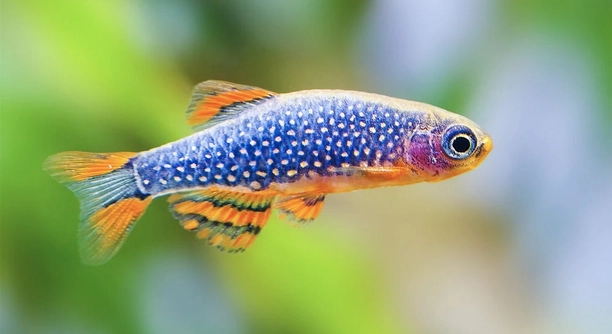
Are your Celestial Pearl Danios showing signs of cloudy eyes, making it harder to admire their bright, vibrant appearance? Observing their vision clarity is essential, as eye health can be an early indicator of underlying problems in your aquarium.
Cloudy eyes in Celestial Pearl Danios are commonly caused by poor water quality, bacterial infections, nutritional deficiencies, physical injuries, stress, parasites, or genetic factors. Identifying the specific cause is crucial for implementing effective treatment and maintaining overall fish health.
Understanding these causes will help you take better care of your fish and prevent further complications from arising in your tank. Proper attention ensures a healthier, more vibrant aquatic environment.
Poor Water Quality
Maintaining clean water is essential for Celestial Pearl Danios. Dirty or unbalanced water can irritate their eyes, leading to cloudiness over time. Ammonia, nitrites, or excessive nitrates can accumulate when tanks are not properly filtered or cleaned. Even slight changes in pH or hardness can stress fish, weakening their immune systems. Debris and uneaten food also contribute to water deterioration, creating an environment where bacteria and parasites thrive. Regular water changes, proper filtration, and careful monitoring of water parameters are vital. Observing the tank daily can help detect early signs of cloudiness, allowing timely intervention. Adding live plants can help absorb excess nutrients and stabilize the environment, making it safer for your fish. Ensuring a consistent and clean habitat will reduce eye problems and promote overall health. Even small adjustments to maintenance routines can have a significant impact on preventing cloudy eyes in your Danios.
Maintaining clean, well-filtered water with balanced pH and minimal waste is the most effective way to prevent cloudy eyes.
Paying attention to water changes and testing parameters will safeguard your Danios’ eyes and overall health, reducing stress and infection risks.
Bacterial Infections
Bacterial infections can develop in Celestial Pearl Danios if their immune system is weakened. Cloudy eyes often indicate early-stage infections, which may spread quickly in small tanks. Bacteria can enter through minor injuries, poor water conditions, or contaminated food. Symptoms may include lethargy, clamped fins, and discoloration alongside cloudy eyes. Treating infections promptly with appropriate antibacterial medications is crucial. Quarantining affected fish helps prevent spreading to others. Maintaining strong immune health through proper diet and optimal water conditions reduces susceptibility. Observation is key, as early detection significantly improves treatment success and recovery.
Prompt treatment of bacterial infections is essential for preventing severe complications and protecting other tank inhabitants.
Regular monitoring and careful isolation of affected fish, combined with targeted medication, will restore eye clarity and overall health. Feeding high-quality food, reducing stress, and keeping the tank clean all support recovery. Overlooking early signs can lead to permanent eye damage or more serious systemic infections. Maintaining a routine of observation, treatment, and prevention ensures your Danios remain active, healthy, and visually vibrant, helping you enjoy their natural colors and behaviors without interruption.
Nutritional Deficiencies
A lack of essential vitamins and minerals can cause cloudy eyes in Celestial Pearl Danios. Poor diet, especially one low in vitamin A or carotenoids, affects eye health and overall vitality. High-quality, varied food is important to prevent deficiencies and maintain clarity.
Feeding only flakes or pellets without supplements can leave your Danios lacking critical nutrients. Vitamin A is essential for eye development and vision, while carotenoids support pigmentation and immune health. Small amounts of live or frozen foods like daphnia, brine shrimp, or bloodworms provide natural vitamins and minerals that processed foods cannot fully replace. Over time, a poor diet may not only cloud their eyes but also weaken their immune systems, making them more prone to infections. Mixing different food types and monitoring feeding portions ensures your fish receive balanced nutrition without overfeeding. Consistency in diet is key to supporting long-term health and preventing recurring eye issues in your tank.
Providing a diet rich in vitamins and minerals, including supplements when necessary, strengthens both the eyes and overall resilience. High-quality food and varied feeding schedules help maintain clarity and support growth.
Physical Injuries
Celestial Pearl Danios can sustain eye injuries from tank decorations, sharp objects, or aggressive tank mates. Cloudy eyes may appear after even minor trauma. Removing hazards and observing fish behavior reduces the risk of injury.
Scratches or impacts on the eye surface create an opening for infections, often leading to cloudiness. Injured eyes can also swell or become red, making prompt attention important. Aggressive or overly active fish may bump into each other, stressing the eyes further. Soft, smooth decorations and adequate space reduce collisions and injuries. Quarantining new or aggressive fish temporarily helps prevent incidents. Careful monitoring allows early detection of trauma, which improves the chance of recovery without lasting damage. Recovery may involve adjusting the environment, providing optimal water quality, and, if necessary, using treatments to prevent secondary infections.
Ensuring a safe, well-structured tank environment prevents injuries that could lead to eye cloudiness. Observing interactions and removing sharp objects protects delicate eyes while supporting healthy behavior.
Stress
Stress in Celestial Pearl Danios can cause cloudy eyes. Overcrowded tanks, sudden changes in temperature, or constant disturbances increase stress levels, affecting their overall health.
Reducing stress involves keeping a stable environment with proper hiding spaces, gentle lighting, and minimal sudden movements. Calm conditions support immune function and eye clarity.
Parasites
Parasites can attach to the eyes, causing cloudiness and irritation. Common protozoans or small external parasites feed on tissue or mucus, weakening the eye over time. Immediate treatment is necessary to stop progression. Maintaining clean water, isolating affected fish, and using appropriate antiparasitic medication helps remove infestations.
Genetic Factors
Some Celestial Pearl Danios may inherit tendencies for cloudy eyes due to genetics. This condition can appear even under optimal care. Breeding decisions and selecting healthy stock reduce the risk.
Environmental Changes
Sudden changes in water temperature, pH, or hardness can lead to cloudy eyes. Gradual adjustments and careful monitoring prevent stress-related eye problems in your Danios.
FAQ
What are the first signs of cloudy eyes in Celestial Pearl Danios?
Cloudy eyes often appear as a milky or opaque film over the eye surface. Fish may also show slower movements, reduced appetite, or cling to the tank’s corners. Observing these early signs allows quick intervention before infections or further complications develop.
How can I improve water quality to prevent cloudy eyes?
Regular water changes, proper filtration, and testing parameters such as ammonia, nitrite, nitrate, and pH are key. Avoid overfeeding and remove uneaten food. Adding live plants or using biofilters can help maintain stable water conditions, reducing stress and supporting eye health.
Which foods help maintain clear eyes?
A varied diet including high-quality flakes or pellets supplemented with live or frozen foods like daphnia, brine shrimp, or bloodworms provides essential vitamins and minerals. Vitamin A, carotenoids, and other micronutrients support eye development and prevent deficiencies that can cause cloudiness.
Can cloudy eyes be reversed once they appear?
Depending on the cause, mild cases from water quality or diet issues can often be reversed. Injuries or severe infections may require medication or supportive care, and some damage could be permanent. Early detection and treatment increase the likelihood of recovery.
Are cloudy eyes contagious among fish?
If caused by bacterial infections or parasites, yes, the condition can spread. Quarantining affected fish and disinfecting equipment reduces the risk of transmission. Maintaining a clean, healthy tank is the most effective prevention method.
Do genetics play a major role in cloudy eyes?
Yes, some Danios inherit tendencies for eye problems. Selecting healthy breeders and avoiding close inbreeding reduces the risk. Even genetically predisposed fish can stay healthier with proper care, diet, and a stable environment.
Is stress a significant factor in eye cloudiness?
Stress from overcrowding, sudden water changes, aggressive tank mates, or excessive light can weaken immunity and lead to eye cloudiness. Providing hiding spaces, a stable routine, and calm conditions helps protect their eyes and overall health.
How often should I check my fish for eye issues?
Daily observation is best. Look for cloudiness, unusual swimming patterns, or appetite changes. Catching early signs allows prompt intervention, preventing more serious problems and maintaining the health of the whole tank.
Can supplements help prevent cloudy eyes?
Yes, adding vitamin and mineral supplements, especially vitamin A, can support eye health. Use sparingly and according to product instructions to avoid overdosing. Supplements work best alongside a balanced diet and optimal water conditions.
Should I remove decorations or tank objects if fish get eye injuries?
If injuries occur, smooth sharp objects or remove items causing frequent collisions. Rearranging decorations can create safer swimming areas. Keeping the tank free from hazards reduces the risk of repeated trauma and secondary infections.
What medications are safe for treating eye infections?
Antibacterial or antiparasitic treatments designed for freshwater fish are effective. Always follow dosage instructions and isolate affected fish when possible. Monitoring water quality during treatment ensures medication works efficiently without additional stress on the fish.
How long does it take for eyes to clear after treatment?
Mild cases may improve within days if water quality, diet, and stress factors are addressed. Severe infections or injuries can take weeks, and some damage may remain. Consistent care and monitoring are key to recovery.
Can multiple causes occur at the same time?
Yes, cloudy eyes can result from a combination of poor water quality, infection, stress, or diet deficiencies. Identifying and addressing all contributing factors improves recovery and prevents recurrence.
Is it necessary to quarantine new fish to prevent eye issues?
Quarantining new fish for at least two weeks helps detect infections or parasites before introducing them to the main tank. This practice protects existing fish from potential exposure and reduces overall stress in the aquarium.
Do environmental changes always cause cloudy eyes?
Not always, but sudden changes in temperature, pH, or hardness can stress fish and contribute to eye cloudiness. Gradual adjustments and careful monitoring prevent stress-related health problems. Stable conditions support both eye clarity and overall well-being.
Can cloudy eyes affect vision permanently?
In some cases, yes. Severe infections, untreated injuries, or prolonged nutrient deficiencies may cause permanent eye damage. Prompt action and preventive care minimize long-term effects and maintain the fish’s quality of life.
How can I prevent recurring cloudy eyes?
Maintaining clean water, providing a balanced diet, avoiding stress, and careful observation are key. Regular monitoring and prompt treatment of minor issues prevent complications. Selecting healthy fish and proper tank management ensures long-term eye health.
Are cloudy eyes painful for the fish?
Cloudiness itself may not cause pain, but infections, injuries, or irritation from parasites can be uncomfortable. Reducing stress, improving water quality, and treating infections promptly alleviate discomfort and protect vision.
Is cloudy eye treatment different for juvenile and adult fish?
Juveniles may recover faster due to stronger regenerative abilities, but they are more sensitive to water changes and medications. Adults require careful observation and consistent care. Tailoring treatment to age and size improves recovery outcomes.
Can poor lighting affect eye health?
While lighting alone rarely causes cloudiness, excessive or flickering light can stress fish. Properly timed, gentle lighting helps maintain normal behavior and reduces eye strain, contributing to overall health.
How often should I clean the tank to prevent eye issues?
Partial water changes weekly or biweekly, along with substrate cleaning, prevent waste buildup. Consistent maintenance keeps water parameters stable, reducing the risk of infections, stress, and cloudy eyes.
Does tank size matter for eye health?
Smaller, overcrowded tanks increase stress and water quality issues, which can lead to cloudy eyes. Providing adequate space and proper stocking density ensures healthier fish and reduces eye-related problems.
Can cloudy eyes indicate other diseases?
Yes, eye cloudiness can signal bacterial infections, parasitic infestations, or systemic illnesses. Observing other symptoms like lethargy, fin damage, or unusual swimming patterns helps identify the underlying condition for proper treatment.
Are homemade remedies effective for cloudy eyes?
Homemade solutions may help temporarily but are often inconsistent or unsafe. Using tested medications, proper water maintenance, and a balanced diet is the most reliable approach for recovery and prevention.
How do I know if the eye issue is permanent?
If cloudiness persists after weeks of proper care, treatment, and optimal conditions, permanent damage is likely. Early intervention improves outcomes, but some injuries or infections leave lasting effects.
What daily practices support eye clarity in Danios?
Feeding balanced meals, observing behavior, maintaining clean water, and minimizing stress all help. A consistent routine ensures early detection of issues and supports long-term eye and overall health.
Can tank mates influence eye cloudiness?
Yes, aggressive or larger fish can cause physical injuries or stress, leading to cloudiness. Choosing compatible species and monitoring interactions protects delicate Danios and prevents eye trauma.
Are cloudy eyes common in all Celestial Pearl Danios?
While not every fish will experience cloudy eyes, they are relatively common under suboptimal conditions. Proper care, diet, and environment significantly reduce the chances and maintain their vibrant appearance.
Is quarantine necessary after treatment?
Quarantine during treatment prevents contamination of other tank inhabitants and allows closer monitoring. Isolated care ensures the fish receives proper medication without affecting the main tank environment.
How long should I monitor treated fish?
Continue observation for at least several weeks after treatment. Watch for signs of recurring cloudiness, infections, or stress. Consistent monitoring ensures full recovery and prevents further complications.
Do cloudy eyes affect feeding habits?
Yes, impaired vision may reduce the ability to locate food. Providing slow-sinking or easily accessible foods helps maintain nutrition while the eyes recover, supporting health and faster improvement.
Can supplements alone fix cloudy eyes?
Supplements help prevent deficiencies but cannot resolve infections or injuries. They are most effective when combined with clean water, proper diet, and a safe, stress-free environment.
How do I choose a safe medication for eye infections?
Select medications specifically formulated for freshwater fish and follow instructions closely. Research ingredients and consult reliable sources to avoid harmful substances that could worsen water quality or stress fish.
What long-term steps prevent cloudy eyes?
Maintain clean water, stable conditions, proper diet, suitable tank mates, and careful observation. Regular maintenance, careful feeding, and preventive measures ensure healthy eyes and overall vitality for your Celestial Pearl Danios.
Can cloudy eyes affect breeding?
Severe cases may impact mating behavior or overall vitality. Healthy eyes and general health improve reproductive success, making prevention and treatment important for breeding programs.
Is cloudy eye more common in older fish?
Older fish are more susceptible due to weaker immunity and potential accumulated damage. Younger fish can recover faster but require careful monitoring to avoid early issues.
Do cloudy eyes indicate stress alone sometimes?
Stress alone can cause temporary cloudiness, especially during environmental changes or overcrowding. Addressing stressors usually restores eye clarity if no infection or injury is present.
How quickly should I act when noticing cloudiness?
Immediate action is recommended. Early intervention with water adjustments, diet improvement, or treatment reduces complications, prevents infections, and improves recovery chances.
Are certain breeds of Celestial Pearl Danios more prone to cloudy eyes?
While all Danios can experience eye issues, selective breeding may create slight genetic tendencies. Prioritizing healthy stock and avoiding inbreeding minimizes risk.
Can cloudy eyes lead to blindness?
If left untreated or caused by severe injury or infection, cloudy eyes may result in partial or complete blindness. Prompt care and preventive measures reduce this risk.
Does tank decoration impact eye clarity?
Yes, rough or sharp decorations can injure eyes. Soft, smooth items and well-spaced layouts prevent collisions, reducing injury-related cloudiness.
Can cloudy eyes be seasonal?
Seasonal changes may contribute indirectly through water temperature fluctuations or stress from lighting and feeding schedules. Maintaining stable conditions prevents seasonal spikes in eye issues.
Is cloudy eye treatment stressful for the fish?
Medication or isolation can temporarily stress fish. Minimizing handling, keeping water stable, and monitoring conditions help reduce treatment-related stress and support recovery.
Are natural remedies worth trying?
Natural remedies have limited evidence. Reliable prevention and treatment rely on proper water management, diet, and approved medications rather than untested solutions.
Can multiple causes appear together?
Yes, water quality issues, diet deficiencies, stress, and injury often overlap. Addressing all factors simultaneously ensures the most effective recovery.
Do cloudy eyes affect behavior long-term?
Persistent cloudiness may alter swimming, feeding, and social behavior. Prompt care and prevention maintain normal activity and interaction.
Should I keep records of eye issues?
Documenting onset, treatment, and recovery helps identify patterns, monitor effectiveness, and prevent future problems, supporting healthier long-term management.
How often should I change food types?
Rotating diet every few days ensures balanced nutrition. Combining flakes, pellets, and live or frozen foods supplies essential vitamins and minerals for eye and overall health.
Is cloudy eye always obvious?
Early stages may be subtle, appearing as slight haziness. Close observation helps detect cloudiness before it worsens, allowing timely intervention.
What tank conditions support clear eyes?
Stable temperature, balanced pH, low ammonia/nitrites, clean substrate, gentle lighting, and minimal stress all contribute to eye clarity and overall well-being.
Can cloudy eyes affect multiple fish at once?
Yes, infections, parasites, or poor water quality can impact several tank mates simultaneously. Rapid detection and treatment reduce spread and protect the group.
Does tank location matter?
Placing the tank away from vibrations, temperature fluctuations, or direct sunlight reduces stress, supporting eye health and preventing cloudiness.
How do I know if an eye infection is bacterial or parasitic?
Bacterial infections often cause swelling, redness, or pus, while parasites may attach visibly or irritate the eye surface. Observing symptoms and consulting guidance ensures proper treatment.
Are DIY water treatments safe?
Homemade treatments can be risky. Using tested filtration, conditioners, and water changes is safer and more effective in maintaining conditions that prevent cloudy eyes.
How long does it take for prevention measures to show results?
Consistent care, clean water, proper diet, and reduced stress typically improve eye clarity within days to weeks, depending on the cause and severity.
Can eye cloudiness return after recovery?
Yes, if underlying causes like poor water quality, stress, or diet deficiencies persist. Ongoing maintenance and monitoring prevent recurrence and support long-term eye health.
Is cloudy eye more common in newly acquired fish?
New fish may experience stress, exposure to pathogens, or sudden environmental changes, increasing the likelihood of cloudy eyes. Quarantine and careful acclimation reduce risks.
Do cloudy eyes affect lifespan?
If caused by infections or severe conditions, untreated cloudy eyes can reduce lifespan. Prompt treatment and preventive care support longer, healthier lives.
Are there visible differences between minor and severe cases?
Minor cloudiness appears faint and limited to part of the eye, while severe cases may cover the entire eye, with swelling, redness, or behavioral changes indicating serious issues.
Can eye cloudiness indicate overall health problems?
Yes, cloudy eyes may reflect stress, diet deficiencies, infections, or genetic issues. Addressing underlying causes improves both eye clarity and overall well-being.
Should I consult a veterinarian for cloudy eyes?
Professional advice is helpful, especially for persistent, severe, or unclear causes. Veterinarians can recommend specific medications and care strategies.
Does tank size influence recovery speed?
Larger, stable tanks provide better water quality and space, supporting quicker recovery. Smaller tanks may require stricter maintenance and careful monitoring.
Are cloudy eyes painful or just visual impairment?
Cloudiness itself may not hurt, but infections, injuries, or irritation can cause discomfort. Proper treatment alleviates pain while restoring vision.
Can cloudy eyes signal other organ issues?
Occasionally, systemic illnesses like liver or kidney problems manifest in the eyes. Monitoring overall behavior and health helps identify broader conditions.
Is frequent observation necessary during treatment?
Yes, daily monitoring ensures timely adjustments in medication, water quality, or environmental conditions, maximizing recovery chances.
How can I prevent stress-related cloudiness?
Avoid overcrowding, sudden changes, aggressive tank mates, and fluctuating water parameters. Provide hiding spaces and gentle lighting to support calm behavior and clear eyes.
Can cloudy eyes resolve naturally without intervention?
Minor, temporary cloudiness from mild stress or slight water fluctuations may improve on its own. Persistent or severe cases require attention to prevent complications.
Do different water types affect eye health?
Soft or hard water can influence pH, stress, and overall fish health. Maintaining consistent parameters suited to Celestial Pearl Danios reduces eye problems.
Are older fish more prone to permanent damage?
Yes, older fish recover more slowly and are more vulnerable to lasting eye damage. Consistent care and monitoring help maintain vision.
Can cloudiness affect multiple generations in a tank?
Genetic tendencies and poor environmental management can lead to recurring eye issues in offspring. Selecting healthy breeders and maintaining good conditions reduces risk.
Does light exposure matter during treatment?
Moderate, consistent lighting minimizes stress and supports normal behavior. Avoid harsh or flickering light, which can worsen eye irritation or slow recovery.
Is cloudy eye more common in small tanks?
Smaller tanks often have unstable water parameters and limited space, increasing stress and infection risk. Proper maintenance reduces these problems.
Can I combine treatments for faster recovery?
Yes, addressing multiple factors like water quality, diet, and infection together often speeds recovery. Follow dosage instructions carefully to avoid harming the fish.
Do all Danios react the same to treatment?
Individual fish may respond differently based on age, health, or genetics. Monitoring each fish ensures effective care.
How do I balance diet, medication, and environment for recovery?
Provide nutritious food, maintain clean water, minimize stress, and follow medication instructions closely. Consistent care maximizes eye healing and overall health.
Are live plants beneficial for eye health?
Yes, they improve water quality, reduce stress, and provide natural hiding spaces, supporting overall health and preventing eye cloudiness.
Does overcrowding cause more eye problems?
Yes, it increases stress, injury risk, and waste buildup. Proper stocking density reduces eye issues and supports a healthier tank environment.
How quickly should water changes be implemented?
Weekly partial water changes maintain stability and remove toxins. Immediate changes may be necessary if ammonia or nitrite spikes occur.
Can cloudy eyes indicate stress from tank mates?
Aggressive or larger fish may cause repeated trauma or stress, leading to cloudiness. Selecting compatible species and monitoring interactions helps prevent this issue.
Are cloudy eyes reversible in all cases?
Not always. Mild cases respond well to care, while severe infections, injuries, or genetic conditions may cause permanent cloudiness. Early intervention improves outcomes.
Is it safe to use over-the-counter medications?
Use only fish-safe treatments formulated for freshwater species. Follow directions carefully to avoid harming water quality or stressing the fish.
Can cloudy eyes appear suddenly or gradually?
Both. Sudden cloudiness often signals injury or acute infection, while gradual cloudiness may result from poor diet, stress, or water quality deterioration.
Does cloudy eye affect social behavior?
Yes, visually impaired fish may avoid group activities, swim less, or struggle to compete for food. Supporting recovery restores normal interactions.
Can cloudiness reoccur after multiple treatments?
Yes, underlying causes like poor water conditions or stress can lead to recurrence. Preventive care is essential for long-term eye health.
Are cloudy eyes more common in certain seasons?
Indirectly, seasonal changes affecting temperature, light, or water chemistry can increase stress and eye cloudiness. Stable conditions minimize seasonal effects.
Is isolation during treatment stressful?
Temporary isolation may stress social fish, but it prevents spreading disease and ensures closer monitoring. Gentle handling and a calm environment help minimize stress.
How do I know if treatment is working?
Look for gradual improvement in clarity, reduced swelling, and normal behavior. If no progress occurs within a few days, reassess water quality, diet, or medication.
Can cloudy eyes affect feeding success long-term?
Impaired vision may reduce ability to find food. Providing slow-sinking or easily accessible food ensures nutrition while the eyes recover, supporting overall health.
Does tank water temperature influence eye cloudiness?
Extreme or fluctuating temperatures can stress fish, contributing to eye issues. Maintaining a stable, appropriate temperature reduces risk and supports recovery.
Is cloudy eye a sign of neglect?
Not always, but persistent cloudiness often points to environmental or care issues. Prompt attention and consistent maintenance prevent long-term problems.
Can preventive care fully eliminate eye problems?
While it cannot guarantee complete prevention, consistent water management, diet, stress reduction, and observation significantly reduce the
Final Thoughts
Celestial Pearl Danios are delicate fish that require consistent care to maintain their health and vibrant appearance. One of the common problems they face is cloudy eyes, which can arise from multiple factors including water quality, nutrition, stress, physical injury, infections, parasites, and even genetic predispositions. Understanding these causes and addressing them early is essential to ensure your fish live a healthy, comfortable life. Cloudy eyes are often an early sign of underlying issues, so paying close attention to your tank and its inhabitants can prevent more serious problems from developing. Regular observation and maintenance routines are key components of responsible fishkeeping.
Maintaining proper water quality is one of the most important steps in preventing eye problems. Ammonia, nitrite, nitrate, and pH levels should be monitored regularly, and partial water changes should be performed consistently to remove waste and toxins. Overfeeding should be avoided, and uneaten food should be removed to prevent water contamination. Filtration systems should be adequate for the tank size, and live plants can be added to help stabilize the environment. A stable tank environment not only supports eye health but also contributes to overall wellbeing by reducing stress and promoting normal behavior. Coupled with a balanced diet that includes both high-quality flakes or pellets and occasional live or frozen foods, these measures ensure your Danios receive the vitamins and minerals needed for healthy eyes and strong immune systems.
Addressing stress, physical hazards, and proper social conditions are equally important for eye health. Overcrowded tanks, aggressive tank mates, sudden changes in temperature or pH, and sharp or rough decorations can all contribute to injuries or stress-induced eye problems. Providing sufficient space, hiding places, gentle lighting, and compatible companions reduces the likelihood of cloudiness developing. In cases where cloudy eyes do occur, prompt identification of the cause—whether infection, diet deficiency, or injury—allows for targeted treatment. Quarantining affected fish, using appropriate medications, and maintaining clean water all help in recovery. By combining careful observation, preventive care, and responsive treatment, you can significantly reduce the chances of cloudy eyes and support the long-term health, clarity, and vibrancy of your Celestial Pearl Danios. Consistent attention and thoughtful care ensure that these small, colorful fish thrive in their environment.

Hello,
If you enjoy the content that we create, please consider saying a "Thank You!" by leaving a tip.
Every little bit helps us continue crafting quality advice that supports the health, happiness, and well-being of pets around the world, for pets of all shapes, sizes, and species.
We really appreciate the kindness and support that you show us!