
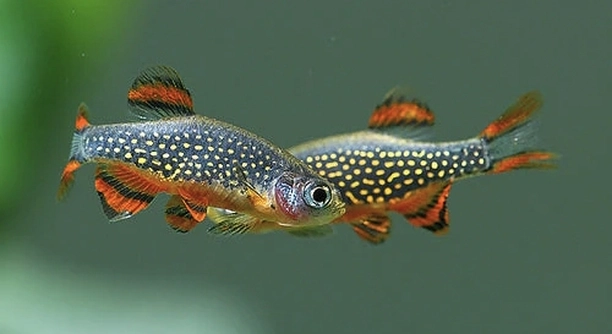
Do you love keeping a peaceful community tank but notice small flashes of aggression among your fish? The Celestial Pearl Danio is often praised for its calm nature, yet many myths about its behavior still circulate among hobbyists.
Despite common beliefs, Celestial Pearl Danios are generally non-aggressive. Aggression is rare and usually stems from environmental stress, overcrowding, or lack of hiding spaces rather than inherent temperament. Proper tank management minimizes conflicts and promotes harmonious group dynamics.
Understanding their true behavior will help you maintain a balanced aquarium and enjoy the charm of these tiny, sparkling fish. Myths often overshadow practical care tips for optimal wellbeing.
Myth 1: Celestial Pearl Danios Are Aggressive by Nature
Many people assume that small fish like Celestial Pearl Danios will pick fights with other tankmates. In reality, their natural behavior is calm and social. Aggression usually arises only when environmental conditions are poor. Crowded tanks, limited hiding spaces, or sudden changes in water quality can stress the fish, triggering brief flashes of chasing or fin-nipping. Observing them under normal, well-maintained conditions shows that they prefer schooling behavior and peaceful coexistence. Their tiny size and delicate build make prolonged aggression unlikely. Providing plants, rocks, and shaded areas gives them security and reduces any territorial disputes. Tankmates should be carefully selected; larger or overly aggressive species can create tension, but similar-sized, gentle fish tend to coexist harmoniously. By understanding their habits, hobbyists can avoid mislabeling these fish as naturally quarrelsome. Regular monitoring and attentive care help maintain a balanced, stress-free environment for Celestial Pearl Danios.
Brief observation of these fish in a well-kept tank usually reveals calm schooling and minimal interaction that could be seen as aggressive.
Providing proper shelter and consistent water conditions ensures your Danios remain peaceful. Overcrowding and sudden changes are main triggers of tension and stress.
Myth 2: Males Constantly Harass Each Other
It is often believed that male Celestial Pearl Danios fight continuously to establish dominance. In practice, males display brief chasing or color flaring during spawning or territory exploration. This behavior is temporary and not harmful when the tank is spacious and enriched. Crowding and poor habitat increase frequency, but in a properly set up aquarium, males mostly swim in groups with minimal conflict. Understanding these subtle social cues prevents unnecessary worry. Aggression between males is situational, not constant, and rarely affects their health. Balanced lighting, live plants, and clear swimming areas reduce competition and keep interactions calm. By separating stressed or overcrowded individuals, hobbyists can maintain harmony. Observing natural schooling patterns and social structure helps confirm that aggression is the exception, not the rule, and encourages a healthier tank environment for all inhabitants.
Males rarely fight for extended periods if the tank is spacious and well-planted.
Monitoring social interactions while maintaining clean water conditions prevents escalation. Adjusting group sizes and providing visual barriers ensures stress-free coexistence, allowing each Danio to thrive naturally. Gentle supervision and habitat management reduce unnecessary tension and support a balanced community.
Myth 3: Celestial Pearl Danios Are Aggressive During Feeding
Feeding time rarely triggers aggression among Celestial Pearl Danios. They usually feed together without conflict. Competition only appears if food is scarce or large aggressive tankmates are present. Proper feeding routines prevent any minor squabbles.
Providing regular, evenly distributed portions of high-quality food minimizes stress. Celestial Pearl Danios prefer small flakes, micro-pellets, and live foods like daphnia or brine shrimp. When food is abundant, each fish can eat without chasing others. Observing them, you will notice coordinated feeding with minimal interference, even in a community tank. Small disputes may occur but are brief and do not cause injury. Adjusting feeding frequency and portion sizes ensures all fish are satisfied. Using feeding rings or spreading food across the tank can also reduce competition and maintain calm behavior. Maintaining clean water further prevents aggression linked to hunger or stress.
In mixed-species tanks, ensure smaller Danios have access to food. Separating feeding areas or slowing faster fish helps maintain peace. Consistent feeding schedules and proper diet support healthy behavior.
Myth 4: Aggression Indicates Poor Health
Stress-induced aggression is often mistaken for illness, but it is usually environmental. Healthy Celestial Pearl Danios remain calm unless overcrowded or water conditions fluctuate.
When aggression occurs alongside lethargy, faded coloration, or abnormal swimming, it may indicate health issues. Monitoring water parameters and maintaining a clean, stable tank prevents stress-related conflicts. Proper filtration, regular water changes, and appropriate tank size reduce aggressive tendencies and support overall wellbeing. Small signs of illness, such as frayed fins or gasping, should be addressed promptly. Separation or quarantine can prevent spread of disease and allow individual recovery. Understanding normal versus stress-induced aggression helps avoid misdiagnosing natural behaviors as health problems, improving long-term care.
Observing subtle changes in behavior and environment helps distinguish aggression from disease. Consistent care and a balanced habitat minimize conflicts and maintain healthy, vibrant Danios.
Myth 5: Danios Attack Other Species
Celestial Pearl Danios rarely target other fish. Aggression toward tankmates usually only occurs if they feel threatened or cornered. Proper spacing and peaceful companions prevent conflict.
Choosing small, calm species as tankmates ensures minimal tension. Avoid large or aggressive fish that may provoke defensive behavior from Danios.
Myth 6: Males Always Compete for Dominance
Male Danios display short bursts of chasing, mostly during mating. These interactions are brief and situational. Proper tank space and structure reduce dominance behaviors and maintain harmony.
Myth 7: Aggression Is a Sign of Stress
Stress can cause temporary aggression. Overcrowding, sudden changes, or poor water quality are main triggers. Observing behavior and maintaining stable conditions prevent these issues.
FAQ
How can I tell if my Celestial Pearl Danios are stressed or aggressive?
Stress-induced aggression is usually brief and situational. Look for rapid chasing, flared fins, or hiding more than usual. If water parameters are stable and there is enough space, these behaviors are often temporary. Persistent aggression may indicate overcrowding, poor water quality, or incompatible tankmates.
What tank size is best to minimize aggression?
A tank of at least 20 gallons for a small group of 6–8 Danios is ideal. More space allows natural schooling and reduces territorial disputes. Adding plants, rocks, or decorations creates hiding spots and visual barriers, which further lowers tension among fish.
Do males need to be separated to prevent fights?
Not necessarily. Males may chase briefly during mating or territory exploration, but prolonged fighting is rare in a well-planted, spacious tank. Separation is only needed if aggression becomes continuous and causes stress or injury to other fish.
Can aggression be caused by feeding routines?
Yes, but only when food is limited or unevenly distributed. Providing small, frequent portions and spreading food across the tank helps prevent competition. Using feeding rings or hand-feeding in different areas ensures all fish have access and reduces aggressive behavior during meals.
Which tankmates are best for Celestial Pearl Danios?
Peaceful, small fish like rasboras, small tetras, or Corydoras catfish are suitable. Avoid larger, aggressive, or fast-moving fish that may provoke defensive chasing. Choosing compatible species encourages harmonious schooling and minimizes stress-related aggression.
Is aggression a sign of illness?
Aggression alone is rarely a sign of disease. However, if aggression is accompanied by faded coloration, frayed fins, lethargy, or abnormal swimming, it may indicate illness. Regular water testing, quarantine of new fish, and prompt treatment of health issues prevent further stress in the tank.
How often should I monitor water quality to prevent stress?
Check basic parameters like ammonia, nitrite, nitrate, and pH at least once a week. Stable water conditions reduce stress, which lowers the risk of aggression. Regular water changes and proper filtration are essential for maintaining a calm environment.
Can overcrowding increase aggressive behavior?
Absolutely. Crowded tanks create competition for space and resources, which may trigger chasing or brief nipping. Keeping an appropriate number of fish relative to tank size and providing hiding spaces prevents unnecessary tension. More room encourages natural schooling behavior.
Are live plants helpful in reducing aggression?
Yes. Plants provide hiding spots and visual separation between individuals. Dense vegetation allows Danios to feel secure, especially during brief social disputes or mating behavior. A well-planted tank supports natural behaviors and reduces stress-related aggression.
Should I be worried about occasional chasing?
No. Brief chasing is part of normal social interaction, especially among males. It rarely leads to injury if the tank is spacious and well-maintained. Observing natural schooling and interaction patterns helps distinguish normal behavior from problematic aggression.
How do I handle aggression if it becomes serious?
First, check water quality, tank size, and habitat complexity. Remove overly aggressive individuals if needed. Adding plants or rearranging decorations can break visual lines and reduce territorial behavior. Always ensure each fish has space and resources to prevent conflicts from escalating.
Does lighting affect aggression?
Harsh or sudden changes in lighting can stress Danios, potentially increasing brief aggressive displays. Use consistent, moderate lighting with periods of dimming or shaded areas. Natural light cycles and hiding spots help maintain calm behavior and support normal social interaction.
Can introducing new fish trigger aggression?
Yes, new fish can temporarily disturb social balance. Introduce newcomers slowly and provide hiding areas. Observing interactions and separating individuals if chasing persists helps maintain harmony. Over time, Danios typically adjust and resume peaceful schooling behavior.
How important is group size for aggression management?
Group size is critical. Small groups of fewer than 6 may increase stress and occasional aggression. Larger groups allow natural schooling behavior, which distributes social interactions evenly. Proper numbers encourage calm dynamics and reduce tension among males and females alike.
Are there signs of permanent aggression in Celestial Pearl Danios?
Permanent aggression is rare. Most aggressive episodes are temporary and context-dependent. If fighting persists despite adequate space, hiding spots, and compatible tankmates, it may indicate individual temperament issues, which can be managed by isolation or careful tank rearrangement.
Do Celestial Pearl Danios need visual barriers to reduce conflict?
Yes. Rocks, plants, or other decorations provide breaks in line of sight, preventing constant chasing and reducing territorial disputes. Visual barriers help maintain a stress-free environment, especially in smaller tanks or when males display mild competitive behaviors.
Can water temperature affect aggression?
Extreme temperatures or sudden fluctuations can stress fish, occasionally leading to aggressive behavior. Maintaining a stable, suitable temperature range supports natural, calm interactions and reduces tension caused by environmental stressors.
Are aggressive behaviors more common during breeding?
Minor chasing or color flaring occurs during mating but is usually short-lived and non-injurious. Providing ample space, plants, and calm tankmates ensures breeding behavior does not escalate into harmful aggression. Most interactions settle quickly once spawning is complete.
Is it necessary to rearrange the tank to reduce aggression?
Yes. Rearranging plants or decorations breaks up territories and visual lines, which can lower aggressive interactions. Even small changes can redistribute attention, reduce chasing, and improve overall harmony in the tank.
How long should I observe behavior to determine if aggression is normal?
Observe over several days under stable conditions. Brief chasing or color displays are usually normal. Persistent or escalating aggression signals environmental or social issues that need adjustment. Consistent monitoring helps differentiate natural social behavior from stress-related conflicts.
Do all Danios display the same level of aggression?
No. Individual temperament varies slightly, but most Celestial Pearl Danios are peaceful. Minor differences may appear during mating or when establishing personal space, but serious aggression is uncommon with proper care.
Can rearranging tank decorations confuse Danios and cause aggression?
Temporary disorientation may occur, but it usually reduces ongoing disputes. Changing layouts provides new hiding spots and visual breaks, helping to reset social dynamics and prevent prolonged chasing or territorial behavior.
How can I prevent aggression in a community tank?
Maintain proper tank size, stable water quality, sufficient hiding spots, compatible tankmates, and adequate food distribution. Regular observation and occasional rearrangement support natural schooling behavior and minimize stress-induced aggression.
What is the role of enrichment in preventing aggression?
Enrichment like plants, rocks, and decorations reduces boredom, stress, and territorial disputes. A stimulating environment encourages natural behaviors, keeps fish engaged, and lowers the chance of aggression caused by overcrowding or lack of stimulation.
How do I know if aggression is caused by stress or natural behavior?
Short, situational chasing is normal, while persistent attacks, fin damage, or hiding indicate stress. Evaluating water conditions, space, tankmates, and environmental factors helps identify the cause and allows proper corrective actions.
Is occasional chasing harmful?
No, occasional chasing is part of natural social interactions. It rarely leads to injury if the tank is spacious, well-planted, and has compatible tankmates. Recognizing normal behavior prevents unnecessary concern.
How can I safely introduce new tankmates to minimize aggression?
Quarantine new fish first, then introduce them gradually with visual barriers or dividers. Observe interactions closely, and separate any fish that show persistent aggressive behavior. This approach maintains harmony and allows Danios to adjust naturally.
Do all Danios in a group act the same?
No. Individual personality differences exist, but most are peaceful. Small variations in chasing or color displays are usually harmless and context-dependent, reflecting social hierarchy rather than true aggression.
What environmental factors most influence aggression?
Tank size, water quality, hiding spaces, tankmate selection, and food availability all affect behavior. Addressing these factors consistently reduces stress and prevents aggression, ensuring a peaceful, balanced aquarium.
Are there signs that aggression is about territory?
Brief chasing near shelters, plants, or decorations may indicate territorial behavior. Rearranging the tank or providing additional hiding spots disperses these disputes and lowers tension. Most territorial displays are short-lived and non-injurious.
Can aggression occur during nighttime?
Celestial Pearl Danios are mostly active during the day. Aggression at night is rare, but sudden disturbances, lighting changes, or tankmate activity can trigger brief chasing. Maintaining calm nighttime conditions supports peaceful behavior.
How do I maintain a harmonious group of Danios long-term?
Keep proper group size, stable water, adequate space, suitable tankmates, and regular feeding. Enrich the tank with plants and decorations, monitor behavior, and address stressors promptly. Consistent care encourages natural schooling and minimizes aggression over time.
Is aggression in small tanks unavoidable?
Small tanks increase stress and tension, which can lead to occasional chasing. Providing visual barriers, limiting fish numbers, and adding hiding spots can reduce conflicts, though some minor interactions may still occur.
Does diet affect aggression levels?
A balanced, sufficient diet prevents hunger-induced stress, which can trigger chasing. Regular feeding of quality flakes, micro-pellets, or live food helps maintain calm social behavior and reduces competition during meals.
Can aggression be prevented entirely?
Complete prevention is unlikely, as minor chasing is natural. However, proper tank setup, group size, environmental enrichment, and attentive care minimize serious aggression and keep most interactions peaceful.
How often should I observe my fish for aggression?
Daily observation is ideal, especially after introducing new fish or making changes. Short monitoring sessions are enough to spot patterns and intervene if stress-related aggression develops.
Do Celestial Pearl Danios ever injure each other?
In well-maintained tanks, injuries are rare. Most chasing is brief and non-injurious. Persistent fighting usually signals environmental issues that need attention, rather than inherent aggression.
Are aggressive interactions more common in smaller groups?
Yes. Fewer fish can result in unbalanced social dynamics and increased stress. A minimum of six Danios allows natural schooling, distributing social interactions and reducing aggression.
What should I do if aggression damages fins?
Isolate injured fish if necessary, check water quality, and reduce stress factors. Rearrange decorations or separate aggressive individuals temporarily. Proper care and recovery ensure health and reduce future conflicts.
Can aggression be seasonal or temporary?
Aggression can increase during breeding or sudden environmental changes. These periods are usually short, and behavior returns to calm once conditions stabilize. Monitoring ensures any prolonged stress is addressed.
Does aggression affect growth or health?
Chronic stress from aggression can stunt growth or weaken immunity. Maintaining a calm environment, proper diet, and compatible tankmates supports healthy development and prevents stress-related issues.
Are female Danios ever aggressive?
Females are typically peaceful. Minor chasing may occur during competition for food or territory, but prolonged aggression is uncommon. Proper tank conditions and group composition prevent conflicts among females.
Can water hardness influence aggression?
Extreme or rapidly changing hardness levels can stress fish, sometimes causing minor chasing. Stable water parameters tailored to their natural environment reduce stress and aggressive tendencies.
Do Danios remember past conflicts?
They exhibit short-term social memory but do not hold grudges. Previous encounters may influence immediate interactions, but long-term aggression is rare if tank conditions are favorable.
Is aggression a concern for beginners?
With proper guidance, beginners can manage minor aggression easily. Understanding triggers like space, water quality, and tankmates helps maintain harmony and prevents unnecessary worry.
How can rearranging plants help reduce aggression?
Plants break visual lines, provide hiding spots, and disperse fish throughout the tank. Rearrangement resets social dynamics and reduces prolonged chasing or competition.
Does tank depth matter for aggression?
Adequate depth allows vertical swimming and more space for natural schooling. Shallow tanks may increase stress and minor conflicts due to limited movement and hiding options.
Are Celestial Pearl Danios more aggressive in community tanks than species-only tanks?
Not inherently. Aggression usually arises from specific tankmates or environmental stress. Peaceful companions and proper tank setup ensure calm behavior in mixed or species-only aquariums.
Can stress from sudden noise or vibrations trigger aggression?
Yes. Sudden disturbances can startle fish, prompting brief chasing or hiding. Maintaining a stable, quiet environment reduces stress-induced interactions.
Do Danios recognize individual tankmates?
They can distinguish between familiar and unfamiliar fish, influencing short-term social interactions. However, recognition rarely leads to long-term aggression.
How important is water flow in preventing aggression?
Moderate, even water flow mimics natural conditions and supports schooling. Stagnant or overly strong currents can stress fish, occasionally increasing brief chasing or competition.
Can seasonal light changes affect behavior?
Gradual light variation is fine, but sudden changes can cause stress and short-term chasing. Consistent cycles and shaded areas reduce tension.
Are there any behavioral signs that aggression is escalating?
Persistent chasing, fin damage, prolonged hiding, or pale coloration indicate escalating aggression. Addressing tank setup, group size, or stressors helps prevent serious issues.
Does aggression affect breeding success?
Mild chasing during mating is normal, but chronic aggression can stress fish and reduce spawning success. A calm, enriched environment promotes healthy breeding.
How do I balance a mixed-species tank to prevent aggression?
Select peaceful, similarly sized fish, provide ample space, hiding spots, and distribute food evenly. Regular observation ensures no single species dominates or stresses the Danios.
Can aggression be inherited?
Behavioral tendencies are influenced by environment rather than genetics. Most Danios remain peaceful if tank conditions are suitable. Aggression is context-dependent, not inherited.
How do I know if rearranging the tank is necessary?
If chasing, hiding, or fin damage occurs regularly, minor rearrangements can break visual lines and reduce tension. Observation guides adjustments effectively.
Does water temperature fluctuation affect aggression levels?
Sudden drops or rises in temperature can stress fish, triggering brief chasing. Maintaining a stable range appropriate for Danios keeps behavior calm and predictable.
Are aggressive displays always physical?
No. Color flaring, rapid swimming, and chasing are non-injurious forms of aggression. Understanding these signs helps differentiate natural social behavior from harmful conflicts.
How much space do Danios need to school without stress?
At least 20 gallons for a small group allows free swimming and reduces tension. Space supports natural behavior and lowers the chance of aggressive encounters.
Is stress-related aggression reversible?
Yes. Correcting water quality, providing hiding spots, adjusting tankmates, and reducing overcrowding usually restores calm behavior and normal social interactions.
How do I prevent aggression when adding new decorations?
Introduce new items gradually, rearrange existing decorations thoughtfully, and monitor fish. This prevents sudden stress and allows fish to adjust to changes without conflict.
Can aggression occur in heavily planted tanks?
It is rare. Dense vegetation provides hiding spots and breaks visual lines, minimizing conflicts even when minor chasing occurs during social interactions or breeding.
Do Celestial Pearl Danios ever harass slow-moving fish?
Generally no. They are peaceful and more likely to school among themselves. Aggression toward slower species is uncommon when compatible tankmates are chosen.
How long does aggressive behavior typically last?
Brief chasing or flaring usually lasts seconds to minutes. Persistent aggression signals environmental issues or overcrowding that need intervention.
Can stress from water chemistry changes trigger aggression?
Yes. Rapid pH shifts, hardness changes, or chemical imbalances may cause brief chasing. Stable, consistent water conditions prevent this type of stress-induced behavior.
Are there any visual signs that aggression is increasing?
Fin nipping, pale coloration, hiding, or repeated chasing indicate growing tension. Early intervention prevents injury and maintains a calm tank.
Does tank substrate affect aggression?
Not directly. However, substrates that allow plants and decorations to thrive create hiding spots and reduce territorial disputes, indirectly lowering aggression.
Are Danios aggressive toward their own offspring?
No. They rarely harm fry if the tank provides adequate hiding spaces. Separation may be necessary only in extremely small or crowded tanks.
Can overcrowding increase aggressive interactions during spawning?
Yes. Limited space amplifies chasing and competition for mates. Providing adequate space and hiding areas keeps interactions brief and non-injurious.
How do I prevent stress-related aggression in small tanks?
Limit the number of fish, add hiding spots, maintain water quality, and feed consistently. Even minor adjustments reduce tension and promote natural social behavior.
Does aggression differ between captive-bred and wild-caught Danios?
Behavior is largely similar. Captive-bred Danios are generally accustomed to tank conditions, which reduces stress and aggressive displays compared to wild-caught individuals adjusting to new environments.
How often should tank layouts be updated to reduce aggression?
Rearrangement is needed only if conflicts arise or hiding spaces are insufficient. Minor adjustments every few months help maintain calm social dynamics.
Can aggressive behavior affect water quality?
Indirectly. Stress from aggression may lead to uneven feeding or increased waste production. Maintaining water quality mitigates stress-related issues and supports a peaceful environment.
Do Danios display aggression in the presence of mirrors or reflections?
Some may flare at reflections briefly, mistaking them for rivals. This is short-lived and not harmful if the tank provides enough space and hiding areas.
Can stress from nearby aquariums trigger aggression?
Occasionally. Visible movement or vibrations may startle Danios, prompting brief chasing. Consistent tank positioning and visual barriers help reduce external stressors.
Are there ways to measure stress levels to prevent aggression?
Observe coloration, activity, feeding behavior, and social interactions. Pale coloration, rapid swimming, or hiding indicate stress. Addressing environmental factors prevents escalation of aggression.
Do Danios ever fight over territory in well-maintained tanks?
Minor chasing near shelters may occur, but serious territorial aggression is rare with proper spacing, hiding spots, and compatible tankmates.
Can aggression be influenced by diet changes?
Sudden diet changes may stress fish temporarily, leading to brief chasing. Gradual transitions and balanced nutrition reduce potential conflicts.
Is it normal for males to chase females occasionally?
Yes, especially during mating. Chasing is brief, non-injurious, and part of normal reproductive behavior in a peaceful tank environment.
How do I maintain long-term harmony among Danios?
Provide adequate space, hiding spots, stable water, compatible tankmates, and regular feeding. Observe behavior and adjust conditions when minor aggression occurs to ensure a calm community.
Do stress-related aggressive interactions decline over time?
Yes. Once fish acclimate to stable conditions, appropriate group size, and enriched environment, brief aggressive interactions usually decrease and schooling becomes calm and consistent.
Are there environmental cues that reduce aggression naturally?
Stable water, sufficient space, visual barriers, plants, and consistent lighting support natural schooling and calm social interactions, minimizing stress-induced aggression.
Does tank decoration density influence aggression?
Moderate density provides
Celestial Pearl Danios are widely recognized as peaceful, small fish that thrive in well-maintained community tanks. Despite common misconceptions, their natural behavior is generally non-aggressive, and most displays of chasing or fin-nipping are brief and situational. Stressors like overcrowding, poor water quality, sudden changes in temperature, or insufficient hiding spaces are the main triggers for tension among these fish. Providing a spacious tank with stable water conditions, live plants, and decorations reduces stress and allows the fish to school naturally. By understanding their basic needs and social dynamics, hobbyists can maintain a calm, balanced environment that supports both the health and social stability of their Danios.
Feeding routines and tankmate selection also play an important role in minimizing aggression. Celestial Pearl Danios feed peacefully when food is plentiful and evenly distributed, but competition can appear if food is limited or if fast, larger species dominate the feeding area. Using small flakes, micro-pellets, or live foods spread across the tank ensures all fish can access nutrition without conflict. Choosing compatible tankmates that are gentle, similarly sized, and non-territorial prevents stress-related chasing or harassment. Over time, these practices reduce minor displays of aggression, helping the fish maintain their calm and social schooling behaviors, which is characteristic of the species.
Observation and careful management are key to long-term success with Celestial Pearl Danios. Brief chasing and color flaring are normal, especially during mating or minor social adjustments, but persistent or harmful aggression is usually a sign of environmental issues. Monitoring water parameters, maintaining proper tank size, providing visual barriers and hiding spaces, and ensuring consistent feeding routines are all effective measures to prevent stress and conflict. With attention to these factors, hobbyists can enjoy the unique charm and vibrant appearance of these tiny fish without concern for serious aggression. Understanding their true behavior, rather than believing myths, allows for a healthier, more harmonious aquarium environment where Celestial Pearl Danios can thrive.

Hello,
If you enjoy the content that we create, please consider saying a "Thank You!" by leaving a tip.
Every little bit helps us continue crafting quality advice that supports the health, happiness, and well-being of pets around the world, for pets of all shapes, sizes, and species.
We really appreciate the kindness and support that you show us!