
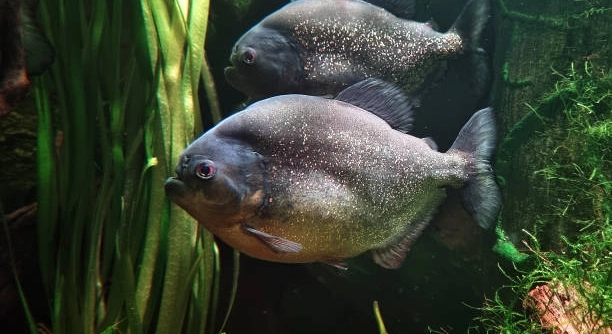
Have you ever come across wild stories about piranhas that left you second-guessing what’s true and what’s just talk?
Many common beliefs about piranhas are rooted in exaggeration or outdated information. These myths often misrepresent the fish’s behavior, diet, and interactions with humans, leading to confusion and fear that doesn’t reflect reality.
Some of these tales continue to shape how people think about piranhas, even though science tells a different story.
Myth 1: Piranhas Can Strip a Cow in Seconds
This is one of the most dramatic stories tied to piranhas, often shown in movies and exaggerated media reports. The idea that a group of piranhas can skeletonize a full-grown cow within seconds is far from reality. Piranhas are scavengers and opportunistic feeders. In the wild, they tend to go after already weakened or dead animals, not live, healthy ones. Their feeding habits are more cautious and less chaotic than these stories suggest. While they do have sharp teeth and strong jaws, piranhas prefer to conserve energy and avoid injury by staying away from large, struggling prey.
This myth likely started from staged feeding frenzies or misrepresented behaviors. Most wild piranhas are skittish and flee from disturbances, not race toward them.
Understanding this helps shift our view of piranhas from fierce predators to more reserved and practical feeders. They are not nearly as dangerous as many believe them to be.
Myth 2: All Piranhas Are Aggressive
Piranhas are often portrayed as hostile by nature, but this doesn’t apply to all species. Many are timid and avoid confrontation, especially when food is not involved.
There are over 60 known species of piranhas, and their behavior varies widely. The red-bellied piranha is the most commonly referenced in aggressive encounters, but even this species prefers to keep to itself unless provoked. Most piranhas live in large groups more for safety than to attack prey together. Their tendency to act aggressively often stems from stress, environmental changes, or limited food—not from a constant drive to attack. In fact, piranhas are more likely to flee from humans than bite them.
Aggression in piranhas is often misunderstood because of how they’re shown in popular media. The truth is that many of them lead relatively peaceful lives in the wild. Knowing this can help reshape outdated ideas about their nature.
Myth 3: Piranhas Are Always Hungry for Blood
Piranhas do not constantly crave blood. Their diet consists mostly of plants, insects, and smaller fish. They are more likely to feed on wounded or dead animals rather than actively hunting healthy, live prey.
In most natural conditions, piranhas are not aggressive hunters. They often feed during specific times and don’t eat as frequently as many believe. When food is scarce or during dry seasons, their behavior may shift slightly, but it still doesn’t resemble the frenzied image portrayed in movies. Their feeding is driven by opportunity, not uncontrollable bloodlust. They also rely heavily on group behavior for safety, not for launching coordinated attacks. Most of the time, they stay hidden and alert, avoiding any potential threats, including larger animals and humans.
Understanding this shows how misrepresented they are. Their behavior is shaped more by environment and necessity than any sort of natural aggression or desire for violence.
Myth 4: Piranhas Pose a Serious Risk to Humans
Most piranhas avoid humans and only bite when they feel threatened or cornered. Attacks are rare and usually happen when people disturb their territory during the breeding season or in very limited spaces.
In rivers across South America, people swim and bathe where piranhas live with very few incidents. When bites occur, they are often minor and not life-threatening. Many local communities have learned how to live alongside these fish without fear. Most bites happen when people are splashing or wading near nests during spawning. Piranhas are protective during this time, but they are not hunting humans. Environmental stress, like low water levels, can also trigger defensive behavior. Even then, they usually warn with quick nips before retreating.
Their reputation has been inflated by fiction. In reality, piranhas rarely see humans as a threat or a meal. They mostly want to be left alone.
Myth 5: Piranhas Travel in Packs to Attack
Piranhas group together for protection, not for hunting. Staying in schools helps them avoid predators like river dolphins or larger fish, not coordinate attacks on prey.
This schooling behavior is more about defense than aggression. It’s a survival tactic, not an organized hunting method.
Myth 6: Piranhas Are Illegal to Own Everywhere
Piranhas are legal to own in some areas, but banned in others due to ecological concerns. Laws vary by region, and in many places, permits are required.
Always check your local regulations before considering one as a pet. Releasing them into the wild can cause serious harm to native species.
Myth 7: Piranhas Can Eat Through Metal
Piranhas cannot chew through metal. While their bite is strong for their size, it’s not powerful enough to damage steel or other hard materials.
Their teeth are designed to slice flesh and crunch through bones or shells—not to bite through unnatural objects like metal.
FAQ
Are piranhas dangerous to humans?
Piranhas are not as dangerous as often believed. They tend to avoid people and only bite when provoked, threatened, or accidentally disturbed. Most bites cause minor injuries, and fatal attacks are extremely rare. Piranhas generally prefer to stay away from larger animals, including humans.
What do piranhas eat?
Their diet mainly consists of fish, insects, plants, and carrion. Piranhas are opportunistic feeders, meaning they will eat whatever is available. They rarely hunt large animals and are more likely to scavenge dead or injured creatures than attack healthy prey.
Do piranhas attack in groups?
Piranhas swim in groups mainly for protection, not to hunt together. The idea of coordinated attacks is a myth. Their schooling behavior helps reduce individual risk from predators, but they do not work as a pack to attack large animals.
How strong is a piranha’s bite?
Piranhas have strong jaws for their size, capable of slicing flesh and crushing bones or shells. However, their bite strength is not enough to break through hard materials like metal or thick wood. Their teeth are sharp but designed for natural prey.
Can piranhas survive outside their natural habitat?
Piranhas can survive in controlled environments like aquariums but need specific water conditions and temperatures similar to their natural habitat. Outside of these conditions, they may struggle to survive. Releasing them into non-native waters can cause ecological problems.
Are all piranhas aggressive?
No. Not all species of piranhas show aggressive behavior. Many are shy and avoid confrontation. Aggression usually occurs only when they feel threatened or during breeding seasons. Most species live peaceful lives and feed without causing harm to larger animals.
Is it illegal to keep piranhas as pets?
Laws vary by location. Some places allow piranha ownership with permits, while others ban them due to ecological risks. It’s important to check local regulations before acquiring one. Releasing piranhas into the wild can disrupt local ecosystems and is illegal in many regions.
How do piranhas communicate?
Piranhas communicate through sounds, body movements, and chemical signals. These methods help them coordinate in groups, warn others of danger, or establish territory. Their social behavior is more complex than many people realize.
Do piranhas have natural predators?
Yes, they do. Animals like river dolphins, caimans, and large birds prey on piranhas. These predators help keep piranha populations balanced in their natural environment, preventing overpopulation and maintaining ecosystem health.
Can piranhas cause environmental damage?
In their native habitat, piranhas fit naturally into the ecosystem. However, if introduced to non-native waters, they can threaten local species by competing for food or preying on native fish. This is why releasing them outside their natural range is strongly discouraged.
Final Thoughts
Piranhas have earned a reputation that is often based more on myths than facts. Many of the common beliefs about them are exaggerated or incorrect. These fish are not the relentless killers they are sometimes portrayed to be. Instead, piranhas mostly live cautious lives in their natural habitats, feeding opportunistically and avoiding unnecessary risks. Understanding the reality of their behavior helps to reduce unwarranted fear and allows for a clearer view of their role in the ecosystem.
Their aggressive nature is often overstated. While some species of piranhas may show signs of aggression under certain conditions, most prefer to keep to themselves. They are more likely to flee than fight when faced with a threat. Piranhas also have natural predators that keep their populations in check, ensuring they remain a balanced part of their environment. Their behavior, diet, and interactions with other species all contribute to maintaining healthy waterways.
Recognizing the truth behind these myths is important for anyone interested in wildlife or aquatic ecosystems. Piranhas are fascinating creatures that deserve respect rather than fear. By separating fact from fiction, it becomes easier to appreciate them as part of nature’s complex web. This understanding also supports responsible practices in pet ownership and environmental conservation, reducing risks to both people and wildlife. Overall, piranhas are not as frightening as they seem, but rather interesting animals with a clear place in their habitats.

Hello,
If you enjoy the content that we create, please consider saying a "Thank You!" by leaving a tip.
Every little bit helps us continue crafting quality advice that supports the health, happiness, and well-being of pets around the world, for pets of all shapes, sizes, and species.
We really appreciate the kindness and support that you show us!