
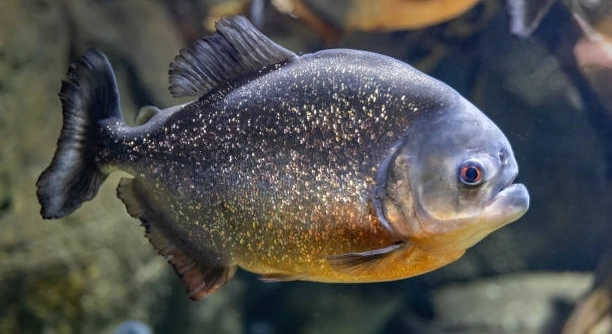
Piranhas have a fierce reputation that often seems exaggerated. These fish are commonly known for their sharp teeth and aggressive behavior. Many of the stories about them sound unbelievable but have some basis in fact.
Piranhas possess several traits that appear extraordinary yet are scientifically documented. Their sharp teeth and powerful jaws enable efficient feeding, and while they exhibit aggressive tendencies, many myths about their behavior are overstated or misunderstood by popular culture.
Understanding these facts provides a clearer picture of piranhas beyond common myths. The surprising truths reveal more about their nature and ecology than most expect.
Sharp Teeth That Never Stop Growing
Piranhas have teeth that are razor-sharp and continuously grow throughout their lives. These teeth are arranged in a single row on both their upper and lower jaws, designed for efficient biting and tearing. Their teeth are triangular and interlock tightly, allowing them to slice through flesh with ease. This dental setup is essential because piranhas rely heavily on their bite to catch and consume prey. When a tooth wears down or breaks, a new one quickly replaces it. This constant renewal helps maintain their hunting efficiency. Unlike many fish species, piranhas do not chew their food; instead, they tear off chunks to swallow. The strength of their jaws is remarkable, capable of delivering powerful bites relative to their size. These features contribute to the piranha’s reputation as a fierce predator in freshwater habitats across South America.
The teeth are vital for feeding and survival, making piranhas effective hunters in their environment.
This continuous growth and sharpness of their teeth ensure piranhas stay well-equipped to feed efficiently. Their bite force allows them to grasp prey firmly, preventing escape. This adaptation highlights their role as opportunistic feeders, often scavenging as well as hunting small fish, insects, and other aquatic animals. Their dental structure supports this feeding style, allowing quick, repeated bites. Observing how their teeth work shows the evolutionary advantage piranhas have developed to thrive in competitive river ecosystems.
Not Always Aggressive
Despite their fierce image, piranhas are not constantly aggressive toward humans or other animals. They tend to be more cautious and avoid confrontation unless threatened or hungry. Piranhas often feed in groups, which can appear intimidating but is mainly a survival strategy. Their aggression mostly occurs during feeding frenzies or when protecting their nests. Outside these moments, they usually swim calmly and focus on smaller prey or scavenging.
Piranhas’ behavior depends on environmental factors, including food availability and season.
Many reports of attacks on humans are exaggerated or rare, often involving provoked or startled fish. Piranhas prefer quick bites and tend to avoid larger animals. Their reputation overshadows their typical behavior, which is more defensive than hostile. During the dry season, when food is scarce, they become more aggressive and noticeable. However, in balanced conditions, they coexist peacefully with other species. Understanding their behavior helps reduce unnecessary fear and highlights the importance of their role in freshwater ecosystems.
Group Hunters
Piranhas often hunt in groups called schools. This behavior increases their chances of capturing prey and provides protection from larger predators. Schools can vary in size from a few individuals to hundreds, depending on the species and environmental conditions.
Hunting in groups allows piranhas to coordinate attacks more effectively. When one fish bites and injures prey, others quickly follow to finish the meal. This cooperation can overwhelm prey animals, making it easier for piranhas to feed. Group hunting also reduces the risk for individual fish by sharing the dangers of attacking larger or faster prey. The social structure of these schools is flexible, often forming and breaking apart based on food availability and safety needs. This behavior shows that piranhas rely on teamwork to survive in competitive river environments.
Schools of piranhas also serve as a defense mechanism. Swimming in groups confuses predators and lowers the chance of any one fish being caught. The combined presence of many fish creates an intimidating visual and physical barrier. This schooling behavior is essential to their survival and illustrates their complex social interactions. It challenges the idea that piranhas are solitary, reckless hunters, instead showing a species that depends on cooperation for feeding and safety.
Piranha Communication
Piranhas communicate with each other using sounds and body language. They produce noises by grinding their teeth or vibrating muscles, which helps in signaling danger or establishing dominance. These sounds are often subtle but important within their schools.
This communication plays a critical role during feeding and mating. It helps maintain order within the group and prevents unnecessary fights. For example, dominant fish use sound signals to warn others to keep distance or to assert control over food resources. Body movements, such as specific swimming patterns, also convey messages, especially during territorial disputes or when attracting mates. These signals allow piranhas to coexist and cooperate efficiently. Despite their fierce reputation, their communication shows a more complex social life than often assumed. Understanding these signals gives insight into how piranhas manage group dynamics and maintain social balance.
Feeding Habits
Piranhas are opportunistic feeders. They eat a variety of foods including fish, insects, and plant material. Their diet changes depending on availability and season.
They often scavenge dead or injured animals. This scavenging behavior helps clean their habitat and provides an easy meal when live prey is scarce.
Sharp Jaws
Piranhas have powerful jaws that can exert strong bite forces. This strength enables them to tear flesh and crush bones efficiently.
Their jaw muscles are well-developed, allowing quick, forceful bites. This adaptation is essential for their survival and feeding success in competitive environments.
Habitat Range
Piranhas primarily live in freshwater rivers and lakes across South America. They prefer warm, slow-moving waters rich in vegetation.
They can be found in the Amazon basin, Orinoco River, and other tropical river systems, adapting well to diverse aquatic habitats.
FAQ
Are piranhas really dangerous to humans?
Piranhas are rarely dangerous to humans. Most attacks happen when fish are provoked or food is scarce. They prefer smaller prey and generally avoid large animals, including people. Many stories about piranha attacks are exaggerated. When left alone, they mostly swim away and do not seek confrontation.
How big do piranhas get?
Most piranhas grow to about 6 to 10 inches in length. Some species can reach up to 12 inches, but larger sizes are uncommon. Their size depends on the species and environment. In captivity, they tend to grow slower due to limited space and diet differences.
What do piranhas eat besides meat?
While piranhas are mostly carnivorous, they also eat fruits, seeds, and plant material. This diet varies with the season and food availability. Some species are more herbivorous, consuming a larger proportion of vegetation. Their flexible diet helps them survive in changing river conditions.
Do piranhas live alone or in groups?
Piranhas usually live in groups called schools. These schools can consist of a few to hundreds of fish. Living in groups offers protection and improves hunting success. However, some species or individuals may be solitary, especially when food is limited or during breeding.
How do piranhas reproduce?
Piranhas reproduce by laying eggs in shallow nests made in the riverbed or vegetation. Males often guard the nests until the eggs hatch. This protection increases the chances of survival for the young. After hatching, juvenile piranhas stay near the safety of the group.
Can piranhas survive in different water conditions?
Piranhas are adaptable to various freshwater environments but prefer warm, oxygen-rich waters. They thrive in slow-moving rivers, lakes, and flooded forests. Sudden changes in water temperature or pollution can harm them, but many species tolerate some variation.
Why do piranhas bite so hard?
Their strong bite helps them tear flesh quickly, which is vital for feeding on fast-moving or tough prey. The bite force also assists in defending themselves from predators. This strength is supported by powerful jaw muscles and sharp, constantly growing teeth.
Are piranhas harmful to the ecosystem?
Piranhas play an important role in their ecosystem by controlling populations of other fish and cleaning up dead animals. They help maintain balance in their habitats. Their presence indicates a healthy environment, showing that ecosystems depend on their role as both predator and scavenger.
How do piranhas communicate?
Piranhas use sounds and body movements to communicate within their schools. They produce noises by grinding their teeth or vibrating muscles. These signals help warn of danger, establish dominance, or coordinate group behavior. Their communication is subtle but essential for social interaction.
Can piranhas be kept as pets?
Piranhas can be kept in home aquariums but require careful attention. They need a large tank, proper diet, and clean water. Their aggressive nature means they should be housed alone or with compatible species. Keeping piranhas demands knowledge and responsibility to ensure their well-being.
Final Thoughts
Piranhas are often misunderstood creatures. Their fierce reputation has made them seem dangerous and aggressive beyond reason. However, these fish have complex behaviors that help them survive in their natural environments. They are not mindless predators but adaptable animals with social habits and flexible diets. Understanding their true nature provides a clearer picture of their role in freshwater ecosystems.
The way piranhas hunt, communicate, and live in groups shows they are well-equipped for life in competitive habitats. Their sharp teeth and powerful jaws are important tools, but their cooperation within schools is equally vital. These fish balance feeding efficiency with safety, which helps them thrive. Additionally, piranhas contribute to the health of their environments by controlling prey populations and cleaning up dead matter.
Despite their fearsome image, piranhas do not typically pose a threat to humans unless provoked. They are part of delicate river systems that depend on their presence. Recognizing the facts about piranhas can reduce unnecessary fear and promote respect for these creatures. Their unique characteristics make them fascinating subjects for study and highlight the diversity of life in freshwater habitats.

Hello,
If you enjoy the content that we create, please consider saying a "Thank You!" by leaving a tip.
Every little bit helps us continue crafting quality advice that supports the health, happiness, and well-being of pets around the world, for pets of all shapes, sizes, and species.
We really appreciate the kindness and support that you show us!