
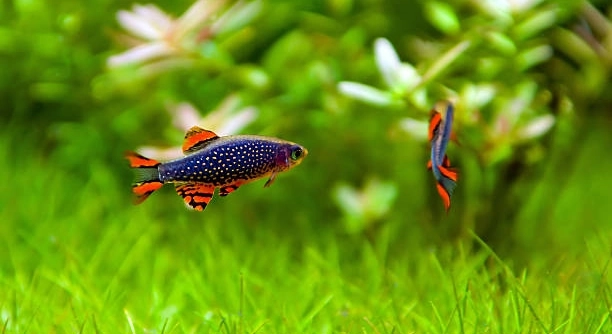
Danios are small, active fish that brighten any aquarium. Keeping them healthy requires attention to their diet and daily care. Even minor nutritional gaps can affect their growth, energy, and overall well-being in subtle ways.
Nutritional deficiencies in danios can lead to stunted growth, weakened immunity, and reduced lifespan. Key nutrients such as proteins, vitamins, minerals, and fatty acids are essential for maintaining proper bodily functions, vibrant coloration, and overall resilience against diseases.
Recognizing these gaps early helps you make the right dietary adjustments. Maintaining balanced nutrition ensures your danios remain lively, colorful, and thriving in their aquatic environment.
Protein Deficiency
Protein is essential for danios to grow, repair tissues, and maintain strong muscles. Without enough protein, they may appear smaller, less active, or have faded colors. Many commercial flake foods offer some protein, but it is often not enough for highly active danios. Including high-protein options like brine shrimp, daphnia, or bloodworms can help meet their daily needs. It is important to vary their diet to prevent nutritional gaps while supporting their energy levels and overall health. Observing behavior and physical condition can reveal whether protein intake is adequate. Protein supports not only growth but also reproductive health, making it critical for breeding danios. Overfeeding protein, however, can cause water quality issues, so moderation and balance are key. Paying attention to proper feeding routines ensures your fish thrive without stressing the aquarium ecosystem.
Protein helps maintain muscle mass, energy, and overall health. Adequate intake prevents stunted growth and promotes vibrant coloration and active behavior.
Providing a variety of protein-rich foods encourages natural feeding behavior and supports long-term health. Mixing live and prepared options helps your danios remain energetic, healthy, and visually striking.
Vitamin and Mineral Gaps
Lack of vitamins and minerals can weaken a danio’s immune system and slow growth. Vitamins A, C, D, and E play roles in immunity, bone health, and coloration. Minerals like calcium and phosphorus strengthen bones and support metabolic functions.
Consistent supplementation through fortified flakes or occasional live foods ensures that essential nutrients are present.
Over time, vitamin and mineral deficiencies can result in lethargy, color loss, and susceptibility to diseases. Adding a small variety of vegetables, algae, or specialized supplements improves nutrient balance. For example, small portions of blanched spinach or spirulina flakes can provide needed vitamins while keeping the diet natural. Careful monitoring is important because overdosing certain minerals or vitamins can also harm danios. Maintaining water quality while introducing supplements is crucial, as poor water conditions can reduce nutrient absorption. Observing your fish’s behavior and physical appearance regularly helps detect deficiencies early, allowing dietary adjustments before long-term health issues develop. A well-rounded feeding plan supports active swimming, vibrant colors, and healthy growth, ensuring your danios thrive in a stable environment without nutritional stress.
Fatty Acid Deficiency
Essential fatty acids support danios’ brain function, energy, and cell health. Without enough, their growth slows, skin becomes dull, and swimming activity decreases. Omega-3 and Omega-6 are particularly important for vibrant colors and overall vitality.
Including foods like krill, brine shrimp, and spirulina can provide these fatty acids naturally. These supplements improve coloration and help maintain healthy fins. Care should be taken not to overfeed fatty foods, as this can affect water quality. Rotating different food types ensures a balanced intake of nutrients, supporting strong immune systems and steady growth. Fish that receive adequate fatty acids tend to be more active and responsive, displaying natural behaviors consistently. Observing how your danios interact and swim daily can reveal whether fatty acid levels are sufficient, allowing adjustments before health problems appear. Maintaining balanced fats alongside proteins and vitamins ensures your aquarium stays stable while your fish thrive.
Providing sufficient fatty acids enhances energy, coloration, and immune resilience. Supplemented foods help maintain active, healthy, and visually striking danios.
Balanced fatty acid intake prevents fin damage, reduces inflammation, and supports reproductive health. It is crucial for maintaining long-term vitality and natural behavior patterns in your fish.
Fiber and Digestive Health
Fiber helps danios process food efficiently and prevents constipation. Without it, they may have bloating or irregular bowel movements, affecting comfort and nutrient absorption.
Including small amounts of blanched vegetables or plant-based flakes improves digestion and gut health.
Regular fiber intake maintains digestive balance, helping prevent build-up of harmful bacteria in the gut. Feeding live foods alongside plant-based options promotes natural digestion while reducing the risk of blockages. Fiber supports healthy energy levels and ensures nutrients are absorbed properly, which contributes to consistent growth and vibrant colors. Observing their swimming and feeding patterns can indicate digestive health, making adjustments when necessary. Overfeeding plant matter, however, can lead to water contamination, so moderation is key. Maintaining fiber in the diet helps keep your danios active, comfortable, and thriving in their aquarium environment.
Calcium and Bone Health
Calcium is essential for strong bones and fin development in danios. A deficiency can lead to fragile bones, poor growth, and deformed fins. Regularly providing calcium-rich foods or supplements helps maintain skeletal strength and supports overall health.
Maintaining proper calcium levels prevents skeletal issues and ensures your fish swim actively and grow normally.
Iron and Blood Health
Iron supports oxygen transport and energy production in danios. Without enough, fish may become weak, pale, or lethargic. Including iron-rich foods like bloodworms, spinach flakes, or spirulina helps maintain healthy blood cells and overall vitality. Balanced iron intake ensures strong activity levels and proper metabolic function.
Iodine and Thyroid Function
Iodine is critical for thyroid health, which regulates growth, metabolism, and reproduction. Low iodine levels can slow growth, reduce activity, and affect coloration. Supplementing with iodine through fortified foods or occasional algae supports proper metabolic and hormonal function.
Antioxidants and Immune Support
Antioxidants help protect danios from cellular damage and disease. Foods rich in vitamins C and E strengthen immunity and promote longevity. Regular inclusion of antioxidant-rich flakes, vegetables, or live foods supports disease resistance and overall vitality.
FAQ
What are the signs of nutritional deficiencies in danios?
Danios with nutritional deficiencies may show faded colors, stunted growth, lethargy, or frayed fins. They might swim less actively or avoid food. Observing behavior and physical appearance regularly helps detect issues early. Changes in appetite or abnormal waste are also common indicators of dietary gaps.
How often should I feed my danios to prevent deficiencies?
Feeding small amounts two to three times a day works best. Overfeeding can pollute the water, while underfeeding may cause nutrient shortages. Portion control is key, giving just enough food they can eat in a few minutes. Rotating food types ensures balanced nutrition.
Can I rely only on flake food for their diet?
Flake food alone often doesn’t provide all essential nutrients. Supplementing with live, frozen, or vegetable-based foods ensures proper protein, vitamins, minerals, and fatty acids. Diversity in diet keeps your fish energetic, healthy, and colorful.
Are vitamins necessary if I feed high-quality food?
Even high-quality foods can lack specific vitamins or minerals. Occasional supplements or fortified foods help prevent subtle deficiencies that affect growth, coloration, and immunity. Observing your danios’ condition helps determine whether supplementation is needed.
How do I introduce new foods without causing stress?
Introduce new foods gradually, mixing small amounts with their current diet. Watch how they respond over a few days. Remove uneaten food promptly to maintain water quality. Slowly rotating foods reduces stress and helps them adapt without digestive problems.
What happens if deficiencies are ignored?
Ignoring deficiencies can lead to weakened immunity, disease susceptibility, slow growth, skeletal deformities, and reduced lifespan. Color fading and reduced activity are early signs. Timely dietary adjustments prevent long-term health issues and maintain vitality.
Can live plants help with nutrition?
Some live plants provide trace vitamins and improve water quality but cannot replace a balanced diet. They support digestive health and offer natural grazing, but protein and essential fatty acids must come from supplemental foods.
Are there specific foods for boosting coloration?
Yes, foods rich in carotenoids, like krill, shrimp, and certain algae, enhance colors. Proper nutrition combined with clean water helps danios display their natural vibrancy. Balanced feeding ensures long-lasting coloration rather than temporary brightening.
How do water conditions affect nutrient absorption?
Poor water quality can reduce nutrient uptake and stress fish, making deficiencies worse. Maintaining stable temperature, clean filters, and proper pH ensures efficient digestion and optimal absorption of vitamins, minerals, and other nutrients.
Is it necessary to monitor fish growth regularly?
Monitoring growth helps detect nutritional gaps early. Stunted or uneven growth often indicates deficiencies in protein, vitamins, or minerals. Keeping a simple record of size and behavior makes it easier to adjust diets promptly and maintain healthy development.
Can frozen or dried foods replace live foods entirely?
Frozen or dried foods provide many nutrients and are convenient, but live foods offer higher digestibility and stimulate natural foraging behavior. Combining both ensures a well-rounded diet, supporting energy levels, immune function, and overall health.
How do I avoid overfeeding supplements or fortified foods?
Follow recommended portions and frequency. Excess supplementation can harm water quality and cause organ strain. Rotate supplements and foods gradually, watching your danios for signs of discomfort or unusual behavior to ensure safe nutrition.
Do young danios have different nutritional needs than adults?
Yes, juveniles need higher protein for growth and proper skeletal development. Adults require more balanced nutrients to maintain color, energy, and reproduction. Adjusting diet as they age ensures continued health and vitality throughout life.
How can I tell if my danios are getting enough fiber?
Regular, well-formed waste and consistent swimming activity indicate good digestive health. Bloating, lethargy, or irregular bowel movements suggest fiber is insufficient. Including plant-based flakes or occasional blanched vegetables helps maintain proper gut function and nutrient absorption.
Are there seasonal considerations for feeding danios?
Temperature affects metabolism, so fish may need slightly less food in cooler months and more during warmer months. Adjust portion sizes gradually while monitoring activity to avoid overfeeding or underfeeding during seasonal changes.
Can dietary changes help prevent diseases?
Yes, a balanced diet rich in protein, vitamins, minerals, and fatty acids strengthens the immune system. Proper nutrition helps danios resist infections, recover faster from illness, and maintain overall health, reducing the need for medications.
Is it necessary to track the types of food I offer?
Tracking ensures a variety of nutrients and prevents repetitive deficiencies. Keeping a simple feeding log helps balance proteins, fats, vitamins, and minerals while avoiding over-reliance on a single food type, promoting consistent growth and vitality.
What is the best way to transition danios to a new diet?
Mix new food gradually with their current diet over several days. Start with small amounts, increasing slowly while observing for acceptance and digestive response. Removing uneaten food prevents water quality issues and ensures safe dietary adjustments.
How long does it take to correct a nutritional deficiency?
Correction depends on severity and nutrient type. Minor deficiencies may improve within weeks, while severe gaps could take months. Regular monitoring of color, growth, and behavior helps gauge progress and confirm recovery through dietary adjustments.
Are homemade diets safe for danios?
Homemade diets can be safe if balanced and varied, providing protein, vitamins, minerals, and essential fatty acids. Careful preparation, portion control, and occasional supplementation are key to meeting all nutritional needs without compromising health.
What role do fatty acids play in reproductive health?
Essential fatty acids support egg quality, fertility, and fry survival. Omega-3 and Omega-6 intake ensures reproductive success, proper embryo development, and overall vitality in breeding danios. Balanced fatty acids also maintain adult energy and immune function during reproductive periods.
Can stress affect nutrient requirements?
Yes, stress increases metabolic demand, raising the need for proteins, vitamins, and minerals. Maintaining a stable environment, consistent feeding, and clean water helps minimize stress and ensures nutrients are used effectively for growth and health.
How do I know if supplements are helping?
Positive signs include improved coloration, increased activity, stronger fins, and consistent growth. Monitoring behavior, appetite, and physical appearance after introducing supplements indicates whether dietary adjustments are effective in correcting deficiencies.
Are there risks of combining too many supplements?
Excess supplementation can harm organs, disrupt water quality, and cause nutrient imbalances. Following recommended dosages, rotating supplements, and observing your danios helps avoid negative effects while maintaining a well-rounded diet.
Can nutritional gaps affect behavior?
Yes, deficiencies can cause lethargy, reduced exploration, or decreased social interaction. Adequate nutrients support normal activity patterns, feeding motivation, and natural swimming behavior, reflecting overall health and well-being.
How do I ensure a consistent nutrient supply in a community tank?
Offer a variety of foods that cater to all species present. Observe feeding to ensure each fish gets adequate portions. Balancing protein, vitamins, minerals, and fatty acids prevents deficiencies and keeps the entire tank healthy.
What’s the best way to store foods for optimal nutrition?
Keep flake, frozen, and live foods in cool, dry, or frozen conditions as appropriate. Avoid moisture and direct sunlight to preserve vitamins and fatty acids. Proper storage maintains nutrient quality and prevents spoilage that could harm your danios.
How quickly should I act when noticing signs of deficiency?
Immediate adjustments are important. Minor changes in diet can prevent long-term health issues. Observing, identifying the lacking nutrients, and supplementing promptly ensures your fish recover faster and maintain vitality.
Can nutrient-rich foods improve lifespan?
Yes, balanced nutrition supports growth, immunity, reproduction, and energy levels. Consistent intake of essential proteins, fats, vitamins, and minerals helps danios live longer, healthier lives with vibrant colors and active behavior.
How important is variety in their diet?
Variety ensures all essential nutrients are met, prevents boredom, and encourages natural feeding behavior. Rotating proteins, vegetables, and supplements supports long-term health, optimal growth, and strong immune function, keeping danios active and colorful.
How do I balance live and prepared foods?
Feed mostly prepared flakes or pellets for convenience, supplementing with live or frozen foods for protein, fatty acids, and enrichment. This balance promotes nutrition, natural foraging behavior, and overall aquarium health without overloading any single nutrient source.
Can adult danios handle the same diet as juveniles?
Adults require less protein than juveniles but need balanced nutrients for maintenance, reproduction, and coloration. Adjusting portion sizes and nutrient ratios ensures continued health, energy, and longevity without overfeeding or causing deficiencies.
Are frozen foods as nutritious as live foods?
Frozen foods retain most nutrients and are convenient, though live foods are slightly more digestible and stimulating. Using both provides a complete diet, ensuring protein, vitamins, and fatty acids are consistently available for optimal growth and activity.
What role do antioxidants play in daily feeding?
Antioxidants protect cells from damage, boost immunity, and support overall vitality. Regular inclusion through fortified flakes, vegetables, or algae reduces disease risk and helps danios recover from stress or minor injuries, maintaining long-term health.
How do I prevent overfeeding while correcting deficiencies?
Provide small, measured portions multiple times daily and remove uneaten food promptly. Gradually introduce supplements and observe responses. Proper portion control ensures deficiencies are corrected safely without causing water quality issues or health complications.
Can a single deficiency cause multiple health problems?
Yes, lacking protein, vitamins, minerals, or fatty acids can impact growth, immunity, coloration, digestion, and behavior simultaneously. Correcting the deficiency restores multiple functions, highlighting the importance of a balanced, complete diet for overall well-being.
How often should I rotate their diet?
Rotate foods weekly or biweekly, including different protein sources, vegetables, and supplements. Regular rotation ensures all nutrients are supplied, encourages natural feeding behavior, and prevents boredom while supporting long-term health and vitality.
Are there specific signs that indicate fatty acid deficiencies?
Signs include dull coloration, reduced activity, fin damage, and poor growth. Supplementing with omega-rich foods improves energy, coloration, and overall health while supporting immune and reproductive functions. Observing these indicators helps identify gaps early.
Do live and frozen foods need special preparation?
Rinse frozen foods to remove ice crystals and thaw properly before feeding. Live foods should be quarantined or rinsed if sourced externally. Proper preparation prevents contamination, preserves nutrients, and protects aquarium health while ensuring safe, nutritious feeding.
Can deficiencies affect breeding success?
Yes, lacking proteins, fatty acids, or vitamins can reduce fertility, impair egg quality, and lower fry survival. Balanced nutrition before and during breeding supports reproductive health, energy levels, and the long-term vitality of both adults and offspring.
How important is water temperature in nutrient absorption?
Temperature affects metabolism and digestion. Cold water slows nutrient absorption, while optimal temperatures improve digestion efficiency. Maintaining stable, appropriate water conditions ensures nutrients are absorbed properly and overall health is maintained.
What should I do if one fish seems deficient but others appear healthy?
Feed the affected fish separately with targeted supplements or higher-quality foods until signs improve. Monitor interactions and ensure all fish continue receiving balanced nutrition without overfeeding or stressing the tank environment.
Are commercial vitamin supplements safe for danios?
Yes, when used according to instructions. They provide essential vitamins and minerals that may be missing in regular foods. Careful dosing prevents toxicity and supports overall health, growth, and immune function in your fish.
How long can a danio survive with a mild deficiency?
Mild deficiencies may allow survival for weeks to months but often reduce growth, coloration, and immunity. Prompt correction is recommended to prevent long-term health problems and ensure vitality and longevity.
Can fiber intake affect nutrient absorption?
Yes, insufficient fiber can cause digestive issues, slowing nutrient absorption. Adequate fiber promotes regular digestion, prevents blockages, and ensures efficient uptake of proteins, vitamins, minerals, and other essential nutrients for overall health.
Is it necessary to provide supplements if water quality is perfect?
Even in ideal water, dietary gaps can occur. Supplements ensure essential vitamins, minerals, and fatty acids are provided consistently, supporting growth, immunity, coloration, and reproductive health beyond what water conditions alone can achieve.
How do I choose the right supplements for my danios?
Select supplements that target specific deficiencies, are designed for small freshwater fish, and follow dosing instructions carefully. Rotating between protein, vitamin, mineral, and fatty acid supplements ensures balanced nutrition while avoiding overdose or imbalances.
Can a proper diet alone prevent all diseases?
A balanced diet significantly improves immunity and reduces disease risk, but environmental factors, water quality, and stress also play roles. Proper feeding is one part of maintaining overall health and resilience against illness.
Are there differences in nutrient needs for wild-type vs. ornamental danios?
Ornamental danios may require more attention to color-enhancing nutrients like carotenoids, while wild-type types focus on overall growth and energy. Adjusting diet according to type ensures health, vitality, and natural appearance.
How important is observing feeding behavior?
Feeding behavior reveals appetite, digestive health, and possible deficiencies. Fish that refuse food, eat too slowly, or leave waste uneaten may indicate dietary gaps, requiring prompt adjustments to restore balance and maintain health.
Can over-supplementing cause health issues similar to deficiencies?
Yes, excessive vitamins, minerals, or fatty acids can harm organs, disrupt metabolism, and cause abnormal behavior. Balanced supplementation, careful observation, and rotation prevent complications while ensuring optimal nutrient intake.
Do I need to change diet if my danios live with other species?
Yes, ensure all species receive adequate nutrition without one outcompeting another. Offering diverse foods and monitoring feeding helps prevent deficiencies in mixed-species tanks while maintaining harmony and health.
Can stress from tank mates affect nutrient requirements?
Stress increases energy and nutrient demand. Aggression or overcrowding can raise the need for protein, vitamins, and fatty acids. Reducing stress and providing balanced nutrition supports immune function and overall vitality in crowded or competitive environments.
How can I tell if my supplements are expired or ineffective?
Check expiration dates, storage conditions, and appearance. Discoloration, clumping, or foul odor indicate reduced potency. Using fresh, properly stored supplements ensures danios receive the intended nutrients safely and effectively.
Is it safe to combine multiple fortified foods in one feeding?
Combining is safe if portions are measured carefully to prevent overdosing. Rotate fortified foods and monitor fish for signs of excess or deficiency to maintain balanced nutrition and optimal health.
How do I balance nutrition for breeding pairs vs. single fish?
Breeding pairs require higher protein and fatty acids for fertility and egg quality. Single fish need maintenance-level nutrients. Adjust portions and food types to meet differing energy and reproductive requirements without overfeeding.
What are the long-term benefits of preventing nutritional gaps?
Balanced nutrition supports consistent growth, strong immunity, vibrant coloration, active behavior, and reproductive success. Maintaining proper diet prevents chronic health issues and promotes a longer, healthier life for your danios.
Can deficiencies affect social behavior in danios?
Yes, low energy, lethargy, or reduced swimming can alter schooling and interaction patterns. Adequate nutrition supports natural social behavior, keeping the group active, cohesive, and thriving together.
Are there visual cues to monitor health beyond color?
Yes, fin integrity, body shape, and swimming patterns reveal health. Curved spines, torn fins, or abnormal buoyancy can indicate deficiencies or other issues requiring dietary adjustments.
How often should I reevaluate their diet?
Every few weeks or after observing changes in activity, color, or growth. Regular evaluation ensures continued balance, addressing new deficiencies as the fish grow or environmental conditions change.
Do young danios recover faster from deficiencies than adults?
Yes, juveniles grow rapidly and respond quickly to proper nutrition. Adults may take longer to regain lost coloration or muscle mass. Prompt intervention maximizes recovery for all ages.
Can aquarium plants alone meet vitamin needs?
No, plants provide minimal vitamins and trace minerals. A combination of flakes, frozen or live foods, and occasional vegetables is needed to cover all essential nutrients for healthy growth and immunity.
Are there specific supplements for immune support?
Vitamin C, vitamin E, and certain minerals strengthen immunity. Regular inclusion through fortified foods or occasional supplements helps prevent illness and supports recovery from minor stressors or infections.
How do I know if protein intake is sufficient?
Healthy growth, strong muscle tone, active swimming, and vibrant colors indicate adequate protein. Stunted growth or lethargy suggests protein levels may need adjustment through live or frozen high-protein foods.
Is it necessary to adjust diet if fish show rapid color fading?
Yes, fading can signal vitamin, carotenoid, or fatty acid deficiencies. Increasing color-enhancing foods, fortified flakes, or live options helps restore vibrancy and overall health.
Do all danios in a tank require the same feeding strategy?
No, individual size, age, and activity affect nutritional needs. Adjust portion sizes, food types, and supplements to ensure every fish receives adequate nutrition without competition or deficiency.
How does stress affect nutrient absorption?
Stress reduces digestive efficiency and nutrient uptake. Minimizing environmental stress, maintaining water quality, and providing balanced food ensures nutrients are absorbed effectively, supporting growth, immune function, and overall health.
Are there any risks with homemade foods for danios?
Homemade foods are safe if nutritionally balanced. Risks include missing essential nutrients, overfeeding, or contamination. Careful preparation and combining with commercial flakes or supplements provide complete nutrition safely.
Can deficiencies impact longevity?
Yes, prolonged deficiencies reduce lifespan by weakening immunity, slowing growth, and increasing disease susceptibility. Balanced nutrition ensures a longer, healthier, and more active life for your danios.
What is the role of trace minerals in their diet?
Trace minerals like zinc, manganese, and selenium support enzymatic functions, immunity, and metabolism. Even small deficiencies can affect health, so including them through fortified or live foods ensures proper growth and vitality.
How do I prevent nutrient imbalance when using multiple food types?
Rotate foods and monitor portions carefully. Avoid relying on a single nutrient source excessively. Observing fish for growth, coloration, and activity confirms that the diet remains balanced and effective.
Are there signs of over-supplementation to watch for?
Signs include unusual behavior, bloating, lethargy, or fin deterioration. Following recommended doses and rotating supplements prevents these issues while maintaining effective nutrition.
How important is monitoring waste production?
Regular, well-formed waste indicates healthy digestion and nutrient absorption. Irregular, pale, or stringy waste may signal deficiencies or dietary imbalances requiring adjustment in fiber, protein, or other nutrients.
Can a short-term deficiency have lasting effects?
Severe deficiencies, even short-term, can stunt growth or cause fin deformities. Prompt intervention mitigates lasting effects, but early detection is crucial for recovery and maintaining normal development.
**Do live foods improve nutrient uptake compared to processed
Maintaining proper nutrition for danios is essential for their overall health and well-being. Even small deficiencies in protein, vitamins, minerals, or fatty acids can lead to changes in growth, activity, coloration, and immune function. Observing your fish daily helps identify any early signs of imbalance, allowing you to adjust their diet promptly. Regularly rotating foods, including high-quality flakes, frozen or live options, and occasional plant matter, ensures they receive a broad spectrum of nutrients. A consistent feeding routine also supports proper digestion, reduces stress, and helps maintain stable water quality, which is critical for nutrient absorption and long-term health. Paying attention to each fish’s individual needs, especially in a community tank, ensures all danios thrive without one dominating access to food or suffering from deficiencies.
Balanced nutrition plays a significant role in the longevity and quality of life for danios. Fish that receive the right amounts of protein, essential fatty acids, vitamins, and minerals tend to display vibrant coloration, active swimming patterns, and strong resistance to disease. Nutritional gaps, even if minor, can compound over time, affecting multiple aspects of their health, including skeletal development, reproductive success, and immunity. Implementing a varied diet and monitoring physical and behavioral indicators allows you to prevent problems before they become severe. Supplements can be used cautiously when dietary gaps are identified, but overuse can create new issues. Ensuring that all nutritional needs are met creates a foundation for healthy growth and consistent energy levels, helping your danios maintain natural behaviors and thrive in their aquarium environment.
Providing a balanced and varied diet is not just about meeting basic survival needs—it also contributes to their overall vitality and happiness. Paying attention to nutrient quality and diversity allows you to support proper growth, maintain vivid coloration, and encourage natural social behaviors. Small adjustments in feeding routines, careful monitoring of water quality, and observing changes in appetite or activity can make a significant difference in preventing deficiencies. Nutritional care also reduces the risk of disease and promotes strong immune function, ensuring your danios remain resilient in the face of environmental stress. Over time, these efforts help create a stable, healthy aquarium where your fish can flourish, displaying energy, color, and behavior that reflect optimal health. Thoughtful attention to nutrition not only supports the physical well-being of your danios but also enhances their overall quality of life, making them active, vibrant, and long-living members of your aquarium.

Hello,
If you enjoy the content that we create, please consider saying a "Thank You!" by leaving a tip.
Every little bit helps us continue crafting quality advice that supports the health, happiness, and well-being of pets around the world, for pets of all shapes, sizes, and species.
We really appreciate the kindness and support that you show us!