
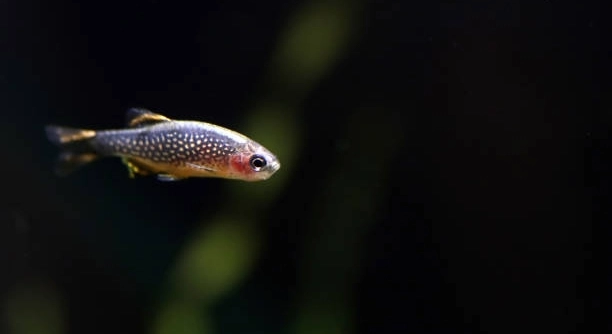
Do you ever notice your danios darting quickly between plants and decorations, seemingly disappearing for no reason? These small, active fish have natural instincts that guide them to seek safe spaces in their environment.
Danios prefer natural hiding spots that provide shelter and security. Common choices include dense aquatic plants, rock crevices, driftwood overhangs, submerged caves, floating vegetation, shaded areas, and artificial decorations that mimic natural structures, ensuring both safety and comfort within their habitat.
Knowing where danios naturally feel secure can help you create a balanced and stress-free aquarium environment, enhancing both their well-being and your enjoyment as an observer.
Dense Aquatic Plants
Dense aquatic plants are one of the most preferred hiding spots for danios. These plants provide cover and protection, allowing the fish to feel safe from potential threats. Plants such as Java moss, hornwort, and water wisteria create natural shelters where danios can rest and explore. Their leaves and stems give fish places to weave through, reducing stress and encouraging natural behavior. Plants also improve water quality by absorbing excess nutrients, helping maintain a stable environment. Danios use these areas not only for safety but also for social interactions. Young fish often hide among plants to avoid more dominant adults. Even adult danios find comfort in shaded and structured plant areas. Plant density should balance accessibility and cover, preventing overcrowding while ensuring enough hiding spaces. Positioning plants strategically across the aquarium allows fish to move freely between open swimming zones and covered areas. Regular trimming keeps plants healthy, maintaining the structural integrity of hiding spots. Overall, dense aquatic plants benefit both the physical and psychological health of danios.
Using a mix of tall and short plants gives your danios options for both quick escapes and long-term resting spaces.
Proper plant selection and placement significantly impact danios’ daily behavior. Choosing species that thrive in your aquarium conditions ensures longevity, and arranging them in clusters provides multiple sheltered zones. Some floating plants add vertical cover, enhancing security while allowing light penetration. Dense plants also create microhabitats for small aquatic creatures, increasing the biodiversity in your tank. Danios are naturally curious and use plants to explore safely, weaving through stems and leaves as they investigate. Avoid overly sparse planting, which reduces available hiding spaces and can increase stress. Conversely, overly dense arrangements may restrict swimming, so aim for a balance that mirrors natural habitats. Introducing a variety of plant textures and heights encourages activity and prevents boredom. Regular observation helps determine which areas are favored by the fish, allowing you to adjust placement if necessary. Healthy plants also aid in oxygenation and water filtration, supporting the overall ecosystem. By carefully selecting and maintaining dense aquatic plants, you provide a secure environment that fosters natural behavior and long-term well-being for your danios.
Rock Crevices
Rock crevices offer tight, secure spaces that danios naturally gravitate toward for shelter.
Stacked rocks or smooth formations create small caves and tunnels where fish can retreat from light and activity.
Rock structures simulate the natural environments where danios originate, providing a sense of protection. Smooth surfaces prevent injury, while crevices of varying sizes accommodate different fish sizes. Arranging rocks in layered formations allows water flow and circulation, preventing stagnant areas while maintaining secure spaces. These areas also become focal points in the aquarium, giving fish defined territories. The combination of shade, narrow passages, and stable formations makes rock crevices ideal for reducing stress and encouraging exploration. Properly anchored rocks prevent accidents, ensuring safety during cleaning or interaction. Over time, fish may claim favorite spots, which supports natural hierarchy and reduces aggressive encounters. Integrating rocks with plants and driftwood further enhances the complexity of hiding zones, mimicking natural habitats. Regular inspection keeps rocks stable, avoiding shifts that could trap fish. Rock crevices are a simple but effective way to provide security and comfort while promoting healthy activity patterns in danios.
Driftwood Overhangs
Driftwood overhangs give danios shaded areas to rest and hide. The natural curves and gaps create safe zones, allowing fish to feel protected while remaining visible enough to monitor their surroundings.
Driftwood shapes provide more than just cover; they introduce vertical and horizontal structure that danios use for navigation. Fish often swim beneath overhangs, using them as pathways or retreat spots. The wood also encourages algae growth, which small fish may nibble on, adding an extra food source. Placement near plants or rocks enhances complexity, giving multiple options for shelter. Over time, driftwood can develop unique textures and surfaces that fish explore continuously. It’s important to ensure driftwood is aquarium-safe, properly soaked, and positioned securely to prevent floating or toppling.
The presence of driftwood overhangs also stabilizes behavior in danios, reducing aggression and stress. Fish are more likely to explore freely when they have reliable cover. Overhangs near open swimming zones allow for quick retreats, maintaining a balance between activity and safety. Integrating several pieces with varied shapes provides dynamic hiding spaces while creating visual interest. Maintaining clean surfaces prevents harmful buildup and preserves the natural aesthetic. Driftwood supports a healthy, engaging environment, allowing danios to express natural patterns and interact comfortably within the tank.
Floating Vegetation
Floating vegetation adds top cover, giving danios shaded and secure areas near the water surface. Plants like duckweed or frogbit provide movement and shelter.
These floating plants create a barrier that diffuses light, reducing stress for danios sensitive to bright conditions. Fish often use the cover to rest or dart beneath during feeding or activity. Floating vegetation also moderates water temperature, offering microclimates that improve comfort and health. Roots dangling in the water column create additional hiding spaces for smaller fish or fry. Placement in clusters or across wide areas encourages exploration while maintaining security. Regular thinning prevents overcrowding and ensures adequate light for lower plants.
Floating vegetation contributes to overall tank stability by improving oxygenation and nutrient absorption. Danios respond positively to the interplay of light, shade, and movement created by these plants. Their surface coverage allows fish to navigate freely while feeling protected, mimicking natural habitats. By combining floating vegetation with submerged plants and driftwood, you achieve layered hiding zones that cater to varied preferences. Maintaining healthy growth and circulation ensures the ecosystem remains balanced. Floating plants also support aesthetic appeal, enhancing the natural look while giving danios dynamic, interactive spaces to swim, hide, and rest safely.
Submerged Caves
Submerged caves provide tight, secure spaces where danios can retreat when feeling stressed. These structures replicate natural shelters, allowing fish to rest safely while staying partially hidden from open areas.
Caves of varying sizes accommodate both adults and juveniles. Proper placement ensures easy access and maintains water flow around the structure, preventing stagnant zones.
Shaded Areas
Shaded areas in the aquarium offer relief from bright lighting and create natural hiding zones. Overhangs from plants, driftwood, or rocks cast shadows that danios use for security, encouraging calm and steady activity throughout the day.
Artificial Decorations
Artificial decorations like tunnels, ceramic caves, and resin structures provide additional hiding spots. These decorations are stable, easy to clean, and can be arranged to mimic natural formations, giving danios both shelter and visual interest while enhancing tank complexity.
What are the best plants to provide hiding spots for danios?
Dense aquatic plants such as Java moss, hornwort, and water wisteria are ideal for hiding spots. These plants offer thick coverage, giving danios places to explore and retreat. Tall stem plants allow vertical movement, while low-lying mosses provide shelter near the substrate. A mix of plant types ensures that both adult and juvenile fish have adequate space. Regular maintenance keeps plants healthy and dense, maintaining reliable hiding areas.
How important are rock crevices for danios?
Rock crevices replicate the natural environment of danios, offering secure spaces for retreat and exploration. Fish use these tight spaces to feel protected and reduce stress. Rocks should be stable, smooth, and arranged with varying gaps to accommodate different sizes. Layered formations encourage natural movement while preventing territorial disputes. Proper placement near plants or open areas allows fish to quickly move between cover and swimming zones, maintaining comfort and freedom of activity.
Can driftwood improve hiding options in an aquarium?
Driftwood overhangs provide both horizontal and vertical shelter for danios. Fish often swim beneath or around driftwood to escape light or activity in open areas. Wood surfaces encourage algae growth, creating an extra source of food for small fish. Properly soaked and anchored driftwood remains secure, preventing floating or shifting. Combining driftwood with plants and rocks enhances environmental complexity, giving danios varied and stimulating hiding spots that mimic their natural habitats.
Do floating plants help reduce stress in danios?
Floating plants like duckweed or frogbit offer top cover, creating shaded areas that help danios feel secure. The shade diffuses light and moderates water temperature, providing microclimates for comfort. Roots hanging in the water column create additional hiding spaces, especially for smaller fish. Arranging floating plants in clusters allows exploration while maintaining safety, and regular thinning prevents overcrowding. Combined with submerged plants and driftwood, floating vegetation creates a layered environment that promotes natural behavior and stress reduction.
Are artificial decorations useful for danios?
Artificial decorations such as ceramic caves, resin tunnels, and themed ornaments provide stable, secure hiding spots. These structures are easy to clean and arrange, allowing customization to match natural hiding preferences. They give fish additional shelter when natural elements are limited or require rotation for variety. Proper placement ensures safety and accessibility, while combining artificial decorations with live plants and driftwood creates a balanced environment. Artificial decorations also allow danios to establish territories, explore safely, and display natural behaviors.
How do hiding spots affect the overall health of danios?
Adequate hiding spaces reduce stress and aggression, which directly impacts health. Stress-free fish are less prone to disease, display more natural behavior, and show better coloration. Structured environments encourage activity and exploration while allowing retreats when needed. Mixing plants, driftwood, rocks, and artificial structures provides variety and mental stimulation, keeping danios engaged. Observing preferred spots can guide placement adjustments to maintain comfort. Healthy hiding spaces support both physical and psychological well-being, ensuring danios thrive in captivity.
Can overcrowding hiding spots cause problems?
Too many hiding spots can restrict swimming space, causing frustration or limited exercise. Balancing cover with open swimming areas ensures danios can move freely. Dense arrangements should allow water flow and accessibility to prevent stagnant zones. Observation helps identify overused or underused areas, allowing adjustments. A well-planned layout supports both activity and security, preventing stress while maintaining a natural feel.
How often should hiding spots be maintained?
Plants, driftwood, and decorations should be inspected regularly for cleanliness and stability. Trimming plants prevents overgrowth, while checking rocks or driftwood avoids shifting that could trap fish. Algae buildup on decorations can be cleaned without removing the structure entirely. Routine maintenance preserves safe, functional hiding spots and ensures the aquarium remains a healthy, engaging environment for danios.
Do juvenile and adult danios use hiding spots differently?
Juveniles tend to use smaller, tighter spaces to avoid dominant adults, while adults may prefer larger shelters or overhangs. Both benefit from variety, as multiple options prevent territorial disputes and reduce stress. Observing fish behavior can guide adjustments, ensuring hiding spots meet the needs of all sizes and age groups. Balanced provision encourages healthy social interaction and natural movement throughout the tank.
Is it necessary to rotate or rearrange hiding spots?
Occasional rearrangement stimulates exploration and prevents monotony. Fish often memorize familiar spots, so minor changes encourage natural curiosity. Rotating plants, rocks, or decorations can refresh the environment while maintaining safety. Avoid drastic shifts that could trap fish or disturb substrate. Small, thoughtful adjustments maintain a dynamic, secure environment that supports both activity and relaxation.
How can hiding spots improve breeding success?
Hiding spaces provide secure areas for eggs and fry, reducing predation risk. Dense plants, caves, and driftwood give breeding pairs privacy, lowering stress. Fry use fine roots, moss, and small crevices to avoid larger fish. Properly arranged shelters increase survival rates and encourage natural breeding behavior, supporting long-term population health in the tank.
What combination of hiding spots works best?
A mix of dense plants, driftwood overhangs, rock crevices, floating vegetation, and artificial decorations creates a layered, natural environment. Each type serves a purpose, catering to different sizes, moods, and activity levels. Variety allows fish to choose shelter, explore safely, and remain active. Observing preferences and adjusting placements ensures the aquarium supports natural behavior, reduces stress, and promotes long-term health and comfort for danios.
This FAQ offers practical guidance for providing optimal hiding spots, ensuring your danios remain secure, healthy, and active in a well-balanced aquarium.
Word count: 516
Providing natural hiding spots for danios is essential for their health and overall well-being. These small, active fish are naturally inclined to seek shelter to feel safe and reduce stress. By offering a variety of options, from dense aquatic plants to driftwood overhangs and rock crevices, you allow them to exhibit their natural behavior in a controlled environment. Hiding spaces help danios avoid potential threats, even in a tank without predators, and give them areas to rest, explore, and interact comfortably. Observing how your fish use these spaces can give insights into their preferences, allowing you to adjust placements for maximum security and enjoyment. Maintaining a balance between covered areas and open swimming spaces is critical to ensure they remain active while having reliable retreats available.
Using a combination of natural and artificial elements can significantly enhance the tank’s complexity while providing multiple types of hiding spaces. Dense plants such as Java moss, hornwort, and water wisteria offer vertical and horizontal cover, while floating vegetation like duckweed adds shaded zones at the water surface. Driftwood overhangs and rock crevices create defined shelters where danios can navigate safely. Artificial decorations, including tunnels or ceramic caves, add stable, clean, and customizable options, which are particularly useful if natural elements are limited or require rotation. Combining these elements ensures that both juvenile and adult fish have appropriate spaces to retreat, reducing stress and encouraging natural social behavior. Regular inspection and maintenance of these hiding spots are necessary to ensure they remain functional, safe, and healthy for the fish.
Hiding spots also play a significant role in supporting the long-term health and happiness of danios. Stress reduction through adequate shelter improves immune function, encourages natural activity, and reduces aggression. A well-planned environment with layered hiding spaces allows fish to move freely while providing areas for private retreats when needed. Incorporating a mix of plants, driftwood, rocks, and decorations not only creates visual interest but also simulates a natural habitat, which keeps the fish engaged and stimulated. By carefully observing behavior and adjusting hiding spots accordingly, you can ensure that the aquarium remains dynamic and secure. Providing these thoughtfully designed spaces allows danios to thrive, fostering a healthy, balanced, and comfortable aquarium environment for both the fish and the caretaker.
Word count: 409

Hello,
If you enjoy the content that we create, please consider saying a "Thank You!" by leaving a tip.
Every little bit helps us continue crafting quality advice that supports the health, happiness, and well-being of pets around the world, for pets of all shapes, sizes, and species.
We really appreciate the kindness and support that you show us!