
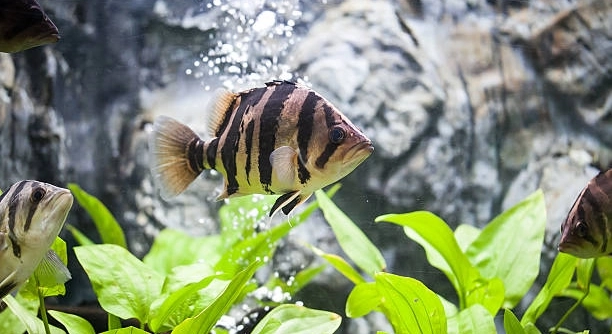
Do you ever find yourself confused by the way your tiger barbs act in a group, wondering if something is wrong with them?
Many common beliefs about tiger barb social behavior are based on myths. These misunderstandings can lead to improper care and stress within the tank environment, affecting the health and well-being of the entire group.
By clearing up these myths, you can better understand your tiger barbs and provide a healthier, more balanced home for them.
Myth 1: Tiger barbs are always aggressive
Tiger barbs have a reputation for being aggressive, especially toward slower or long-finned fish. While this can be true in some situations, it’s not their default nature. Most of their behavior comes from being kept in the wrong group size or tank environment. When kept in small groups, tiger barbs may nip at other fish or even each other, which causes stress and tension in the tank. However, in groups of six or more, they usually focus their energy on interacting with one another. This helps reduce stress and encourages natural schooling behavior. It’s important to understand that their behavior changes depending on how they’re housed. A proper tank setup with plenty of swimming space and hiding spots also helps calm their activity levels. Their energy may seem aggressive, but it’s often just social behavior that gets misunderstood due to poor conditions.
Tiger barbs thrive in well-balanced tanks where their active nature is respected and supported.
Watching them interact in a group shows that their behavior is more about play and hierarchy than actual aggression. When housed properly, their nipping decreases, and they tend to become more peaceful overall. It’s important to observe them and adjust tank conditions when needed.
Myth 2: Tiger barbs don’t need other tiger barbs
Keeping a single tiger barb or just a pair can lead to serious problems.
Tiger barbs are naturally social fish that need a group to feel secure and act normally. In the wild, they swim in large schools. When kept alone or in very small groups, they often become stressed, anxious, and more aggressive. This behavior can cause harm not only to them but also to other fish in the tank. A group of at least six helps spread out any social tension and gives them the interaction they crave. They form a loose hierarchy, and their playful chasing helps keep that structure in place. Without that group structure, tiger barbs may act out in unusual ways or withdraw entirely. Many new fishkeepers misread these signs as personality traits when they’re really just signs of loneliness or stress. Making sure they live with enough of their own kind is one of the simplest ways to avoid common behavior problems and promote a healthier, calmer tank.
Myth 3: Tiger barbs can live peacefully with any fish
Tiger barbs can be unpredictable tank mates, especially for fish with long fins or slow movements. They tend to nip and chase, which can cause stress or injury to more passive species.
Choosing the right tank mates for tiger barbs requires some planning. Fast-swimming, semi-aggressive fish like danios, loaches, or larger tetras often make better companions. Avoid slow, delicate fish like angelfish, bettas, or guppies, as they may become targets for nipping. Even within acceptable pairings, providing enough space is important. A crowded or poorly designed tank increases tension and makes it more likely for conflicts to arise. Use plants, driftwood, and decorations to break lines of sight and give each fish its own area. Grouping tiger barbs in appropriate numbers also helps redirect their energy. When their social needs are met, they tend to ignore other species more.
Even with proper pairing, it’s important to monitor new tank setups closely. Some tiger barbs may still show unwanted behavior if they’re stressed, bored, or feel cramped. Every fish has a slightly different personality, and not every tank behaves the same way. Regular water changes, a balanced diet, and consistent observation help reduce problems early. Keeping them well-fed and active also lowers the chance of aggression.
Myth 4: Tiger barbs don’t establish social order
Tiger barbs naturally build a loose social hierarchy within their group. This often involves quick chasing or light fin-nipping to sort out positions. It may look aggressive at first, but it’s part of how they stay balanced as a group.
In groups of six or more, the hierarchy becomes more stable, and the chasing tends to settle. A few barbs will take more dominant roles while others remain more passive. This structure helps reduce confusion and allows the group to function more smoothly. When kept in smaller numbers, the chasing can seem constant because they’re unable to establish that order. Instead of seeing the same few fish rotate roles, the social pressure builds up unevenly, which causes stress. Providing consistent tank conditions and watching how they interact helps you understand their dynamic. Recognizing normal pecking order behavior can stop you from making unnecessary changes that disrupt their group balance.
Myth 5: Tiger barbs get bored in a simple tank
A bare tank can lead to restlessness in tiger barbs. Without plants, decor, or space to explore, they often become more nippy and anxious. They enjoy movement and benefit from having places to swim through and hide.
Adding variety to their tank helps reduce stress and encourages natural activity. Use plants, rocks, and driftwood to create an engaging environment.
Myth 6: All tiger barbs act the same
Tiger barbs may look alike, but they have individual personalities. Some are more dominant, while others stay on the edge of the group. You might notice some doing more chasing or being the first to eat. This mix of traits shapes their group behavior and helps maintain balance in the tank. Keeping an eye on how each one acts can help spot issues early, especially if a typically active barb suddenly hides or becomes aggressive. Observing their habits over time makes it easier to care for them and create a healthy, active tank environment that supports their social needs.
Myth 7: Tiger barbs don’t need much space
Overcrowding leads to stress and more aggressive behavior. Tiger barbs need enough room to swim freely and establish social order. A longer tank with good swimming space helps reduce tension and keeps the group active and healthy.
FAQ
How many tiger barbs should I keep together?
Tiger barbs should always be kept in groups of at least six. A group this size helps reduce nipping and aggression by spreading out social tension. In smaller groups, tiger barbs often become aggressive toward each other or other tank mates because they can’t establish a proper social order. A larger group gives them enough interaction and creates a more balanced environment. If your tank is large enough, even more than six can work well. The key is to make sure they have enough space to swim freely and interact without crowding.
What tank size is best for tiger barbs?
A minimum of 20 to 30 gallons is recommended for a group of six tiger barbs. If you plan to keep more or add other fish, you’ll need a larger tank. Tiger barbs are very active swimmers and need room to move around. A longer tank is better than a tall one because it gives them more horizontal space. Cramped tanks often lead to aggression and stress. When planning the size, also factor in decorations, plants, and other fish that will share the space.
Do tiger barbs get along with guppies or bettas?
Tiger barbs are not good tank mates for guppies or bettas. Both species have long, flowing fins that attract tiger barbs’ attention, which can lead to fin-nipping. Even if they seem to get along at first, the behavior often appears later. It’s best to avoid pairing them. Instead, choose tank mates that are fast swimmers and can match their energy level, like danios, rasboras, or some types of loaches. Always observe new tank combinations closely and be ready to separate fish if problems arise.
Why are my tiger barbs constantly chasing each other?
Chasing is normal social behavior, especially when they’re sorting out their pecking order. If the group is large enough and the tank has enough space, it usually doesn’t cause harm. However, if it becomes nonstop or overly aggressive, the group might be too small or the tank too crowded. Adding more tiger barbs or rearranging the tank to break up territories can help. Look for signs of injury or stress. If any fish look hurt, it’s time to reassess the group dynamics and tank conditions.
How can I tell if a tiger barb is stressed?
Signs of stress in tiger barbs include faded color, hiding, not eating, or constant aggressive behavior. They may also clamp their fins or swim in jerky patterns. Stress usually comes from poor water quality, overcrowding, incorrect tank mates, or being kept alone. Make sure your tank is cycled, the water is clean, and their social needs are met. Keep the water temperature steady (around 74–79°F), and give them a consistent day-night cycle. Watching your fish daily makes it easier to catch these signs early.
Do tiger barbs need a lot of decorations?
Tiger barbs don’t need a heavily planted tank, but they do benefit from some structure. Adding rocks, driftwood, or live plants helps break up sight lines and gives them areas to explore. This setup reduces tension and makes them feel more secure. An empty tank can make them bored or anxious, which can lead to more aggression. Decorations don’t need to be fancy, just enough to give the fish places to swim around and rest behind. Mix open swimming space with hiding spots for the best setup.
Can tiger barbs live with bottom dwellers?
Yes, tiger barbs usually do fine with peaceful bottom dwellers like corydoras catfish or certain types of loaches. These fish tend to stay out of the tiger barbs’ way and are less likely to become targets. Just make sure there’s enough room for both types to have their own areas. Include caves or low decorations where the bottom dwellers can rest without being disturbed. Feed sinking food to make sure your bottom dwellers get their share during feeding time, as tiger barbs are quick eaters.
Do tiger barbs eat live plants?
Tiger barbs might nibble on soft plants, but they usually don’t destroy live vegetation. They tend to leave hardier plants like Java fern, Anubias, and Amazon sword alone. If your barbs are constantly picking at plants, it could be a sign they’re bored or not getting enough food. Try varying their diet with high-quality flakes, pellets, and occasional treats like blanched vegetables or frozen foods. Keeping them well-fed and stimulated can help reduce plant damage. Plant-friendly setups are still possible with tiger barbs if you choose the right species.
What do tiger barbs eat?
Tiger barbs are omnivores and enjoy a varied diet. A mix of flakes or pellets, along with occasional frozen or live foods, works well. You can also feed them blanched vegetables like zucchini or spinach. They should be fed once or twice a day in small amounts they can finish in a few minutes. Overfeeding can lead to poor water quality, which affects their health. A balanced diet helps support their energy and bright colors. Watch their behavior after feeding to make sure all fish are getting food.
How long do tiger barbs live?
With proper care, tiger barbs can live between 5 to 7 years. Keeping them healthy requires clean water, a balanced diet, proper social structure, and a well-maintained tank. Regular water changes and stable water parameters are key. Fish that are stressed, poorly fed, or kept in unsuitable conditions may not live as long. Observing them regularly helps spot early signs of illness. A well-cared-for group of tiger barbs can stay active and bright for many years, making them a fun and lively addition to a community tank.
Final Thoughts
Tiger barbs are active, social fish that often get misunderstood. A lot of their behavior comes from how they’re kept and the type of environment they live in. Many myths suggest they are aggressive or difficult to manage, but that usually happens when they are kept in small groups or tanks that don’t meet their needs. When given enough space, companions, and structure, their behavior changes. They start acting more like a group and less like individuals fighting for control. What may seem like bad behavior is often just a reaction to stress or boredom.
By learning the truth behind these common myths, you can create a better space for your tiger barbs. Keeping them in groups of six or more, avoiding long-finned tank mates, and choosing the right tank size all make a difference. Adding hiding spots and decorations can also help reduce stress and make them feel more secure. These small changes improve their well-being and allow you to enjoy their natural behavior without problems. It’s also important to feed them a balanced diet and watch for any signs of stress. Each fish has its own role in the group, and observing them can help you keep the tank peaceful and healthy.
Tiger barbs may not be the right fit for every tank, but with proper care, they are rewarding to keep. Their energy and social nature make them interesting to watch once they feel comfortable. Myths often come from outdated advice or misunderstandings, and that can lead to poor care. Taking the time to understand their needs gives you a better chance at a calm, active tank. It also helps prevent problems before they start. Whether you’re new to keeping fish or have experience, giving your tiger barbs the right setup helps them live longer and act more naturally. Good care starts with good information, and knowing what’s true and what’s not can make a big difference in their quality of life.

Hello,
If you enjoy the content that we create, please consider saying a "Thank You!" by leaving a tip.
Every little bit helps us continue crafting quality advice that supports the health, happiness, and well-being of pets around the world, for pets of all shapes, sizes, and species.
We really appreciate the kindness and support that you show us!