
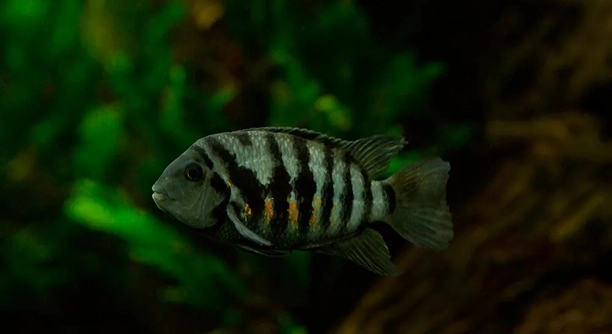
Many people enjoy keeping cichlids but worry about their aggressive behavior. These fish have a reputation for fighting, which can make caring for them seem challenging. Understanding the truth about their aggression can help hobbyists manage their tanks better.
Cichlid aggression is often misunderstood and exaggerated. While some species show territorial behavior, not all cichlids are aggressive by nature. Environmental factors and tank setup play a significant role in reducing or increasing aggression levels among these fish.
Knowing the facts about cichlid behavior can improve your aquarium experience. This article will clear up common myths and help you create a more peaceful environment for your fish.
Myth 1: All Cichlids Are Aggressive
Not all cichlids are aggressive. Many species show varying levels of territorial behavior, but some are quite peaceful. Aggression often depends on the environment and how the fish are kept. For example, overcrowding or a poorly arranged tank can cause stress and lead to fighting. On the other hand, a well-planned setup with enough hiding spaces can reduce aggression. Different species have different temperaments, so researching the specific type of cichlid before getting one is important. Also, proper feeding and water quality help keep fish calm. Many cichlid keepers notice that aggression decreases when the fish feel secure and have enough space to claim their territory without constant confrontation.
Aggression is not a fixed trait but can change based on conditions. Managing these factors helps create a peaceful tank with multiple cichlids coexisting comfortably.
Understanding the environment’s impact on cichlid behavior lets you create a calmer aquarium. With the right tank setup and care, many cichlids live together without constant fighting.
Myth 2: Aggressive Cichlids Must Be Kept Alone
Some believe aggressive cichlids should be kept alone to prevent fights. While isolation can stop aggression, it is not the only solution. Many aggressive species can live with others if conditions are right. Space, hiding spots, and careful selection of tank mates are key to reducing conflicts. It is better to focus on tank management than isolating the fish, which can lead to boredom and stress.
Aggression can be managed with the right approach, allowing several cichlids to share a tank without constant issues.
Keeping aggressive cichlids alone is not always necessary. Proper tank size, multiple hiding places, and compatible species reduce fights. Setting up territories and avoiding overcrowding help fish feel secure. Monitoring fish behavior closely can prevent problems before they escalate. It takes effort but creates a more natural and enriching environment for cichlids to thrive together.
Myth 3: Aggression Means Immediate Danger
Not every aggressive display is a sign of serious harm. Cichlids often use posturing and chasing to establish dominance without causing injury. These behaviors help fish set boundaries and avoid constant fighting. Some chasing is normal and doesn’t always lead to damage if the tank is spacious enough.
Recognizing normal aggression helps prevent unnecessary panic. Fish may flare fins or charge briefly, but this is part of their communication. If injuries occur, it usually points to overcrowding or a lack of hiding spots. Providing more space and shelters helps reduce serious conflicts. Watching fish closely lets you distinguish between harmless behavior and real problems.
Understanding these signs improves tank management. When you know what’s normal, you can focus on adjusting the environment rather than reacting to every chase or threat. This balance keeps stress low for both the fish and you.
Myth 4: Feeding More Reduces Aggression
Feeding alone does not stop aggressive behavior in cichlids. While hunger can increase irritability, overfeeding can cause health problems and dirty water. It is better to feed a balanced diet on a regular schedule than to give extra food hoping to calm fish.
Proper feeding supports overall health, which indirectly reduces stress and aggression. Fish that are well-nourished tend to be less territorial because they are less focused on competition for food. Feeding multiple spots in the tank can prevent fights during meal times by reducing competition.
Besides food, tank layout and social structure influence aggression more strongly. Giving cichlids enough space, hiding places, and compatible tank mates helps keep peace better than increasing feeding. Good husbandry combined with a healthy diet creates a stable environment for all your fish.
Myth 5: Only Male Cichlids Are Aggressive
Both male and female cichlids can show aggression, especially during breeding or territory defense. It’s not limited to males, though males often display more intense behaviors.
Aggression varies by species and situation. Females can be just as protective and territorial, so both should be monitored closely.
Myth 6: Cichlid Aggression Is Always About Dominance
Aggression in cichlids is not always about dominance. It can also be linked to stress, illness, or environmental changes. Recognizing the cause is key to managing their behavior effectively.
Adjusting water conditions, tank layout, and fish health can reduce unnecessary aggression and improve overall harmony.
Myth 7: Aggression Can’t Be Controlled in a Home Aquarium
Aggression can be managed successfully with proper care. Tank size, hiding spots, and choosing compatible species help minimize conflicts. Monitoring fish behavior allows early intervention before fights escalate.
FAQ
How can I tell if my cichlid aggression is normal or a problem?
Normal cichlid aggression involves chasing, flaring fins, and posturing without causing harm. If you see injuries like torn fins, constant chasing, or hiding fish, it may be a problem. Check your tank size, decorations, and the number of fish. Stress from overcrowding or poor water quality often causes excessive aggression. Regular observation helps catch problems early before they get worse.
What tank size is best to reduce cichlid aggression?
A larger tank usually means less aggression. More space gives fish room to establish territories without constant conflict. Depending on the species, 30 gallons or more is often recommended. Bigger tanks allow for more hiding spots and reduce direct competition. When space is limited, fights are more frequent and intense, so tank size matters a lot.
Are there certain cichlid species that are less aggressive?
Yes, some cichlids are known to be calmer. Species like keyhole cichlids, kribensis, and some dwarf cichlids tend to be less aggressive. Larger and more territorial species, like African cichlids or certain Central American types, usually show more aggression. Choosing species wisely based on temperament helps keep your aquarium peaceful.
Can tank decorations reduce aggression?
Absolutely. Rocks, plants, and caves create hiding places and visual barriers. These breaks help fish avoid each other when needed. Without enough cover, fish feel exposed and stressed, which can increase fights. Proper decoration also lets fish establish personal territories, reducing the need to compete constantly.
Should I separate aggressive fish immediately?
Separating fish is a last resort. Try adjusting tank conditions first by increasing space, adding hiding spots, or rearranging decorations. Sometimes changing the layout can reset territorial boundaries. If a fish is injured or constantly harassed, then separation is necessary to prevent harm. Avoid isolating fish for long periods to prevent stress.
Does adding more fish reduce aggression?
Adding more fish can sometimes spread out aggression if the tank is large enough. However, overcrowding usually makes aggression worse. It depends on species and tank size. Adding too many fish leads to stress and poor water quality, which increase fights. Balance and space are essential.
How important is water quality in controlling aggression?
Water quality is very important. Poor conditions stress fish, making them more aggressive. Keep ammonia and nitrite at zero, nitrate low, and maintain stable pH and temperature. Regular water changes and proper filtration support healthy behavior. A clean environment keeps fish calm and less likely to fight.
Can diet affect cichlid aggression?
A balanced diet helps fish stay healthy and less aggressive. Hungry fish are more likely to compete for food. Feeding small, frequent meals with varied diet options reduces aggression around feeding times. Avoid overfeeding, as it causes poor water quality and health issues.
Is breeding a cause of aggression?
Yes, breeding often increases aggression. Cichlids become very protective of eggs and fry, chasing other fish away. This behavior is natural but can be intense. Providing plenty of hiding spots and separating breeding pairs if needed helps reduce stress on other fish.
How long does aggression last after introducing new cichlids?
Aggression usually peaks in the first few days or weeks as fish establish territories. After this, behavior often calms down. If aggression continues for months, it might indicate problems with tank setup, species compatibility, or overcrowding.
Can cichlids recognize each other to reduce fights?
Yes, cichlids recognize tank mates over time, which can reduce aggression. Familiar fish tend to establish stable hierarchies, so fights decrease. Adding all fish at once rather than one by one helps them settle more quickly.
Are some cichlids more aggressive during certain times of day?
Some species show more activity and aggression during feeding or breeding times. This is normal behavior but can seem intense if the tank lacks space. Providing enough room and consistent routines helps manage this natural aggression.
What should I do if aggression causes injury?
Remove injured fish to a recovery tank if possible. Treat wounds with aquarium-safe medications. Improve tank conditions to reduce ongoing aggression. Consider changing tank mates or increasing hiding places to protect vulnerable fish.
Can stress cause aggression even in peaceful species?
Yes, stress from poor water, overcrowding, or sudden changes can cause aggression in usually peaceful cichlids. Minimizing stress by keeping stable conditions and proper care reduces unexpected fights.
Is it normal for cichlids to chase each other constantly?
Constant chasing usually signals a problem. Either the tank is too small, there aren’t enough hiding spots, or fish are incompatible. Addressing these issues helps calm your fish and prevent injury.
Can lighting affect aggression?
Bright lighting sometimes increases stress and aggression by exposing fish more. Dimming lights or adding plants that create shaded areas can help fish feel safer and reduce fighting.
This FAQ covers many common concerns about cichlid aggression. Managing tank conditions, space, diet, and choosing the right species can make a big difference. Paying attention to your fish’s behavior will help you keep a peaceful and healthy aquarium.
Cichlid aggression is a topic that often causes concern for many aquarium keepers. While it is true that some cichlid species show aggressive behaviors, this is not always a sign of a serious problem. Aggression in cichlids is often a natural way for them to communicate, establish territory, and protect their space. Understanding that not all aggression means harm is important. Many times, small displays like chasing or flaring fins are normal and do not result in injury. This means that with proper care and observation, aggression can be managed rather than feared.
Managing cichlid aggression involves more than just avoiding certain species or keeping fish separated. Factors like tank size, environment setup, and social structure have a big impact on how aggressive your cichlids will be. Providing enough space and hiding spots helps fish feel secure and reduces stress, which lowers the chances of fights. Choosing species that are compatible and paying attention to feeding schedules and water quality also contribute to a calmer tank. It is important to remember that aggression changes based on these factors and can be controlled with good husbandry practices.
Finally, patience and careful observation are key when dealing with cichlids. Fish need time to adjust when introduced to a new tank or new tank mates. Watching their behavior closely will help you understand what is normal and what needs to be changed. Small adjustments to the tank or routine often make a big difference. By learning about the specific needs and behaviors of your cichlids, you can create a healthy and peaceful environment where your fish can thrive. Managing aggression does not mean eliminating it completely but finding balance for a better aquarium experience.

Hello,
If you enjoy the content that we create, please consider saying a "Thank You!" by leaving a tip.
Every little bit helps us continue crafting quality advice that supports the health, happiness, and well-being of pets around the world, for pets of all shapes, sizes, and species.
We really appreciate the kindness and support that you show us!