
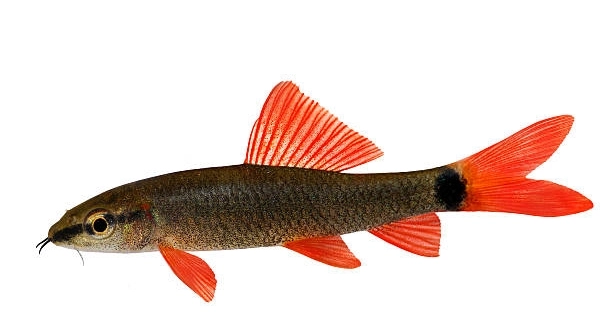
Many people enjoy keeping rainbow sharks in their home aquariums. These colorful fish add life and movement to tanks, but caring for them properly can be tricky. Mistakes often happen without the owner realizing it.
Common mistakes in rainbow shark care include improper tank size, inadequate water conditions, and unsuitable diet. These errors can lead to stress, illness, and shortened lifespan for the fish, undermining their health and wellbeing significantly.
Knowing the common pitfalls will help you improve your rainbow shark’s environment and health. This article highlights key mistakes and how to avoid them for better care.
Not Providing Enough Space for Your Rainbow Shark
Rainbow sharks need plenty of room to swim and establish their territory. Many keepers make the mistake of placing them in tanks that are too small. A tank smaller than 30 gallons can cause stress and aggressive behavior. These fish are active swimmers, so they require space to move freely. Without enough room, they can become territorial and fight with other tank mates. Overcrowding also affects water quality, which can harm your fish’s health. Choosing the right tank size is a simple but crucial step to ensure your rainbow shark thrives.
Small tanks limit your fish’s natural behavior and increase stress, which lowers their lifespan.
A properly sized tank for a rainbow shark should be at least 40 gallons, especially if you plan to keep other fish with it. Adding hiding spots and plants can reduce aggression by providing shelter. Regular maintenance is essential to keep water clean, which supports a healthy environment. Proper space and care make a big difference in your fish’s wellbeing.
Feeding the Wrong Diet
Feeding rainbow sharks an improper diet is a common mistake that can affect their health. Many owners rely too much on flakes or pellets alone, which don’t provide enough variety or nutrients. Rainbow sharks are omnivores and need a balanced diet including vegetables, live, and frozen foods. Vegetables like zucchini, peas, and spinach help with digestion and overall health. Supplementing their diet with protein-rich foods like bloodworms or brine shrimp supports growth and vitality. Feeding them only one type of food can lead to deficiencies and weakened immune systems.
Balanced nutrition is key to keeping your rainbow shark healthy and active.
Including fresh vegetables ensures your fish gets fiber and vitamins. It also encourages natural foraging behavior. Offering a variety of foods mimics their diet in the wild and prevents boredom. Feeding small amounts two to three times a day helps avoid overfeeding, which can pollute the tank. Observing your fish’s eating habits can also indicate if something is wrong with their health. Adjusting diet based on their needs will improve longevity and happiness.
Ignoring Water Quality
Poor water quality is one of the biggest threats to rainbow sharks. Dirty water stresses the fish and can cause disease.
Regular water changes are essential. Testing the water weekly for ammonia, nitrite, and nitrate keeps the tank safe. Filters must run efficiently and be cleaned regularly without removing beneficial bacteria. Poor water conditions can cause skin irritation, lethargy, and even death. Keeping the tank clean creates a healthy environment where your rainbow shark can thrive.
A stable environment with proper filtration and regular monitoring helps prevent toxic buildup. Overfeeding and overcrowding worsen water quality. Maintaining a balanced ecosystem in the tank is key to avoiding stress-related health problems in your fish.
Overcrowding the Tank
Crowding your rainbow shark with too many fish increases stress and aggression. Rainbow sharks need space to establish their territory, especially in community tanks.
Too many fish mean more waste, which lowers water quality quickly. Stress from competition can lead to illness and injury. It’s important to keep the number of tank mates appropriate for your tank size. Ideally, one rainbow shark should have at least 40 gallons to swim comfortably.
Choosing peaceful, non-aggressive species as companions helps reduce conflicts. Avoid keeping multiple rainbow sharks together unless the tank is very large and well-planned. Overcrowding limits space, making it difficult for fish to feel secure and healthy.
Skipping Proper Tank Cycling
Many skip the tank cycling process before adding rainbow sharks. This mistake exposes fish to harmful toxins like ammonia and nitrites.
Cycling the tank establishes beneficial bacteria that break down waste. Without this, water quality quickly deteriorates, causing stress and illness in your fish.
Using Incompatible Tank Mates
Not all fish get along with rainbow sharks. Aggressive or overly timid tank mates cause stress or fights. Rainbow sharks can be territorial, so pairing them with peaceful, similarly sized fish is best. Avoid slow-moving or long-finned fish, which may become targets.
Careful selection of tank mates creates a calmer, more balanced environment where your rainbow shark feels secure and less aggressive.
Neglecting Hiding Spots
Rainbow sharks need places to hide and feel safe. A bare tank makes them stressed and defensive. Including plants, rocks, or decorations offers shelter and helps reduce aggression and anxiety. This simple addition improves their comfort and overall health.
FAQ
What size tank is best for a rainbow shark?
A minimum of 40 gallons is recommended for one rainbow shark. This size gives enough swimming space and helps reduce territorial aggression. Larger tanks are better if you plan to keep other fish with them, ensuring enough room for all inhabitants.
How often should I change the water?
Changing 20-30% of the water every week keeps the tank clean and water parameters stable. Frequent water changes prevent toxin buildup and help maintain healthy conditions for your rainbow shark and other fish.
What should I feed my rainbow shark?
A balanced diet including high-quality pellets or flakes, plus fresh vegetables like zucchini or peas, is ideal. Occasionally offer live or frozen foods such as bloodworms or brine shrimp to provide protein and variety.
Can rainbow sharks live with other fish?
Yes, but choose tank mates carefully. Peaceful, similarly sized fish usually work well. Avoid slow-moving or long-finned fish since rainbow sharks can be territorial and aggressive toward them.
How do I know if my rainbow shark is stressed?
Signs of stress include hiding more than usual, loss of appetite, faded colors, or unusual aggression. Poor water quality and overcrowding often cause stress. Monitoring behavior and environment can help catch problems early.
Is it necessary to cycle the tank before adding rainbow sharks?
Yes, cycling the tank is essential. It establishes beneficial bacteria that break down harmful toxins like ammonia and nitrites. Adding fish to an uncycled tank can cause illness and death.
How can I reduce aggression in my rainbow shark?
Providing enough space, hiding spots, and appropriate tank mates lowers stress and aggression. Avoid overcrowding and maintain good water quality. Offering a well-balanced diet also helps keep your fish healthy and less aggressive.
What temperature do rainbow sharks prefer?
Rainbow sharks do best in water temperatures between 74°F and 80°F (23°C to 27°C). Keeping the temperature stable within this range supports their immune system and overall health.
How do I clean the tank without harming the beneficial bacteria?
Clean filters gently using tank water to avoid killing beneficial bacteria. Avoid using soap or chemicals. Regular partial water changes help maintain cleanliness without disrupting the biological balance.
Can rainbow sharks jump out of the tank?
Yes, rainbow sharks can jump, especially if stressed or startled. Make sure your tank has a secure lid to prevent escapes and injuries.
What are common diseases in rainbow sharks?
Common issues include ich, fin rot, and skin infections caused by poor water quality or stress. Early detection and maintaining a clean tank are key to preventing illness.
How long do rainbow sharks typically live?
With proper care, rainbow sharks can live 5 to 8 years in captivity. Providing a suitable environment and good nutrition helps ensure a longer, healthier life.
Is it okay to keep multiple rainbow sharks together?
It’s generally not recommended unless the tank is very large (100+ gallons). Rainbow sharks are territorial and may fight when kept together in smaller tanks, leading to injuries or stress.
What kind of decorations are best for rainbow sharks?
Smooth rocks, driftwood, and live or artificial plants provide hiding spots and reduce aggression. Avoid sharp decorations that might injure your fish during swimming or fights.
How often should I feed my rainbow shark?
Feeding two to three small meals a day works well. Avoid overfeeding, as leftover food can pollute the water and cause health problems.
Can rainbow sharks live in cold water?
No, rainbow sharks are tropical fish and require warm water. Temperatures below 70°F (21°C) can stress them and cause health issues. Maintaining proper temperature is crucial.
Taking care of rainbow sharks can be very rewarding when you understand their needs. These fish require specific conditions to stay healthy and active. Providing enough space in a properly sized tank is essential. A tank that is too small can cause stress and aggressive behavior. Keeping the water clean and well-filtered is just as important. Regular water changes help maintain good water quality, which prevents diseases and keeps your fish comfortable.
Feeding your rainbow shark a balanced diet also plays a big role in their wellbeing. They need a mix of pellets, vegetables, and occasional protein-rich foods like bloodworms or brine shrimp. Relying on just one type of food can lead to nutritional deficiencies. Watching how your fish eat and adjusting their diet when needed helps avoid health problems. Adding hiding spots and decorations in the tank improves their comfort and reduces stress. These simple steps can make a big difference in how your rainbow shark behaves and grows.
Lastly, choosing suitable tank mates and avoiding overcrowding are key factors in successful care. Rainbow sharks can be territorial, so providing enough space and peaceful companions keeps the tank peaceful. Skipping the important step of cycling the tank before adding fish can harm them by exposing them to toxic water. Taking time to prepare the tank properly and learning about their habits will improve your experience as a keeper. When done right, caring for rainbow sharks is not only manageable but also enjoyable.

Hello,
If you enjoy the content that we create, please consider saying a "Thank You!" by leaving a tip.
Every little bit helps us continue crafting quality advice that supports the health, happiness, and well-being of pets around the world, for pets of all shapes, sizes, and species.
We really appreciate the kindness and support that you show us!