
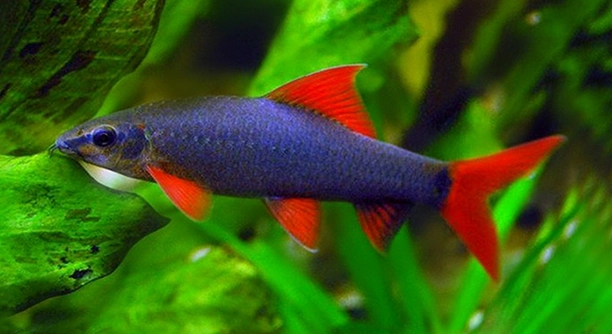
Are your rainbow sharks thriving as they should, or do you notice some struggles in their care? Many aquarium enthusiasts find themselves making common errors that affect these fish’s health and behavior. Proper care is essential to keep them vibrant and active.
The most frequent mistakes in caring for rainbow sharks include inadequate tank size, poor water quality, incorrect diet, insufficient hiding spaces, improper tank mates, lack of regular maintenance, and misunderstanding their natural behavior. Addressing these issues ensures a healthier environment and longevity for the fish.
Recognizing these errors early can prevent problems and improve your rainbow shark’s wellbeing. The following guide will help you create a better habitat for these beautiful fish.
Inadequate Tank Size
Rainbow sharks need enough space to swim freely and establish territories. A small tank can cause stress and aggression, leading to poor health. Experts recommend a minimum of 55 gallons for one rainbow shark, with extra room for tank mates. Overcrowding causes water quality to decline faster, which can harm your fish. A larger tank helps maintain stable water conditions and gives the shark enough space to move without feeling threatened. Providing ample space is a simple way to prevent many common problems in their care.
Keeping a tank smaller than recommended can quickly lead to behavioral and health issues in rainbow sharks.
Choosing the right tank size helps avoid aggression and stress. When you give them enough room, your rainbow shark will be more active and display natural behaviors. Larger tanks also make it easier to maintain good water quality, reducing illness risks. Consider the adult size and plan ahead if you want more than one fish. Proper tank size is a foundational step in caring for your rainbow shark successfully.
Poor Water Quality
Maintaining clean water is crucial for rainbow sharks. Dirty or unbalanced water leads to disease and stress. Regular testing for ammonia, nitrite, nitrate, and pH levels is important to keep the water safe. Performing weekly partial water changes helps keep the environment stable. A good filtration system is also necessary to remove waste and toxins. Neglecting these basics can shorten the life of your fish and cause unnecessary suffering. Consistent water care supports healthy growth and bright colors.
Water quality problems cause many health issues in rainbow sharks.
Without proper filtration and water changes, harmful chemicals build up quickly. Rainbow sharks are sensitive to poor conditions, which can lead to infections and lethargy. Keeping water clean means watching parameters carefully and taking action before problems escalate. Using a reliable filter, testing water regularly, and changing 20-30% weekly will keep your tank balanced. This routine is essential for maintaining a stable environment where your rainbow shark can thrive for years.
Incorrect Diet
Rainbow sharks need a varied diet to stay healthy. Feeding only flakes or pellets can cause nutritional deficiencies and weaken their immune system.
A balanced diet should include high-quality sinking pellets or wafers designed for bottom feeders. Supplement with live or frozen foods like bloodworms, brine shrimp, or daphnia to add protein and variety. Occasional vegetables such as blanched zucchini or spinach can also be offered. Overfeeding must be avoided, as it leads to poor water quality and obesity. Feeding once or twice daily in small amounts is best to maintain their health.
Providing a proper diet helps keep their colors bright and supports natural behavior. Rainbow sharks are omnivores and need both plant and animal matter to thrive. Including variety in their meals prevents boredom and encourages healthy growth. Monitoring feeding habits also helps spot early health issues. A good feeding routine is essential for their wellbeing and longevity.
Insufficient Hiding Spaces
Rainbow sharks require hiding spots to feel secure and reduce stress. Open tanks with few decorations can make them anxious and aggressive toward tank mates.
Creating a habitat with caves, plants, driftwood, and rocks gives your fish places to retreat when needed. These hiding spaces simulate their natural environment and allow them to rest. Without them, they may become territorial or hide excessively out of fear. Hiding places also reduce direct confrontation with other fish, improving tank harmony. The right setup helps maintain calm and confidence in your rainbow shark.
Improper Tank Mates
Choosing the wrong tank mates can cause stress and injury. Rainbow sharks are semi-aggressive and may attack smaller or slow-moving fish.
It’s best to keep them with fast, similarly sized fish that can handle their territorial behavior. Avoid slow or delicate species to reduce conflicts and maintain peace in the tank.
Lack of Regular Maintenance
Regular cleaning and water changes are necessary to keep the tank healthy. Neglecting maintenance leads to toxin buildup and poor water conditions.
Routine care helps prevent disease and keeps your rainbow shark comfortable in its environment.
Misunderstanding Natural Behavior
Rainbow sharks are territorial and may act aggressive when defending space. Recognizing their behavior helps manage tank setup and avoid unnecessary stress.
FAQ
How big should my tank be for a rainbow shark?
A tank of at least 55 gallons is recommended for a single rainbow shark. This size allows enough swimming space and reduces aggression. Larger tanks are needed if you plan to keep more fish or other species with them.
What kind of water conditions do rainbow sharks need?
Rainbow sharks thrive in water with a temperature between 72°F and 79°F (22°C–26°C). The pH should be slightly acidic to neutral, around 6.5 to 7.5. Regular testing and water changes keep these parameters stable.
What should I feed my rainbow shark?
Feed them a mix of sinking pellets or wafers designed for bottom feeders, plus live or frozen protein foods like bloodworms and brine shrimp. Occasionally, add blanched vegetables such as zucchini or spinach for variety.
Can rainbow sharks live with other fish?
Yes, but tank mates should be chosen carefully. Fast, similarly sized fish usually work well. Avoid slow-moving or very small fish that might get bullied. Providing hiding places also helps reduce aggression.
How often should I clean the tank?
Perform a 20-30% water change weekly to maintain water quality. Clean the substrate and decorations as needed, but avoid over-cleaning beneficial bacteria. Regular filter maintenance is also important.
Why is my rainbow shark hiding all the time?
Hiding is natural if the fish feels stressed or threatened. Insufficient hiding spaces or aggressive tank mates can cause this behavior. Ensure your tank has enough caves and plants for refuge.
What causes fin damage in rainbow sharks?
Fin damage often results from poor water quality, aggression, or injury from sharp decorations. Keeping water clean and selecting peaceful tank mates reduces this risk.
How long do rainbow sharks live?
With proper care, rainbow sharks can live up to 8-10 years. Good diet, water quality, and tank conditions contribute to their longevity.
Is it normal for rainbow sharks to be aggressive?
Yes, they are territorial by nature. Aggression often occurs over space and food. Managing tank size, hiding spots, and tank mates can reduce aggressive behavior.
Can I keep more than one rainbow shark?
Keeping multiple rainbow sharks is possible but requires a large tank with plenty of hiding spaces. They may still show aggression toward each other, so watch their behavior closely.
Taking care of a rainbow shark requires attention to several important details. These fish are beautiful and active, but they do have specific needs that must be met to keep them healthy and happy. Ensuring they have enough space to swim, good water quality, and a balanced diet is essential. Overlooking any of these factors can lead to stress, illness, and behavior problems. When their environment is suitable and stable, rainbow sharks can live long and vibrant lives.
It is also important to remember that rainbow sharks have natural behaviors that can influence how they interact with other fish and their surroundings. They are territorial and sometimes show aggression, especially in small or crowded tanks. Providing hiding spaces and choosing compatible tank mates can help reduce tension and create a more peaceful aquarium. Regular maintenance, like water changes and filter cleaning, is necessary to keep their environment safe and healthy. These simple steps go a long way in preventing common problems.
By understanding the common mistakes in caring for rainbow sharks, you can improve your fish’s quality of life and enjoy watching their bright colors and active swimming. Every part of their care, from tank size to diet, matters. Taking the time to meet their needs shows respect for their well-being and makes fishkeeping more rewarding. With patience and proper care, rainbow sharks will thrive and become a beautiful addition to your home aquarium.

Hello,
If you enjoy the content that we create, please consider saying a "Thank You!" by leaving a tip.
Every little bit helps us continue crafting quality advice that supports the health, happiness, and well-being of pets around the world, for pets of all shapes, sizes, and species.
We really appreciate the kindness and support that you show us!